


Library Bust Sculpture
A library bust sculpture brings classical learning and literary depth into a room, offering quiet scholarly character through figures carved in marble, cast in plaster, or finished in bronze.

Library Bust Sculpture
A library bust sculpture is a portrait representation of a historical figure, poet, philosopher, or gentleman intended for display within a domestic study or library. These works draw upon the Neoclassical, Classical Revival, and Grand Tour traditions, translating ancient ideals into domestic interior decoration.
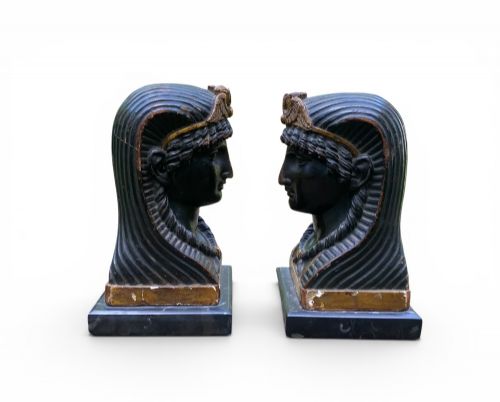
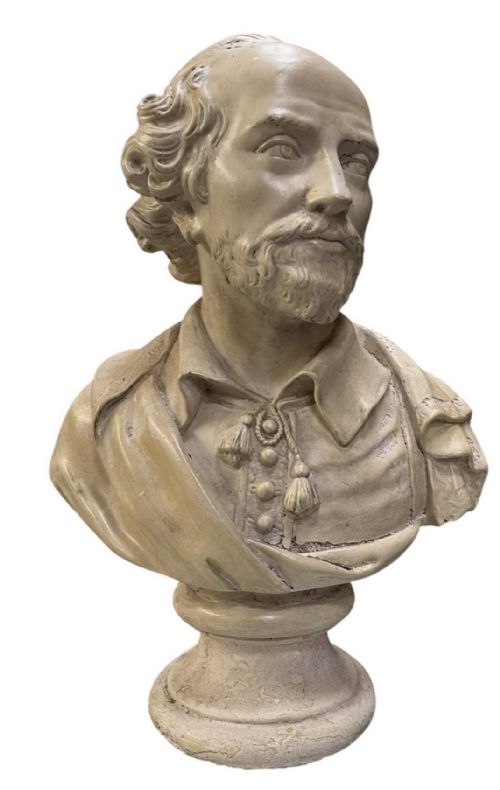
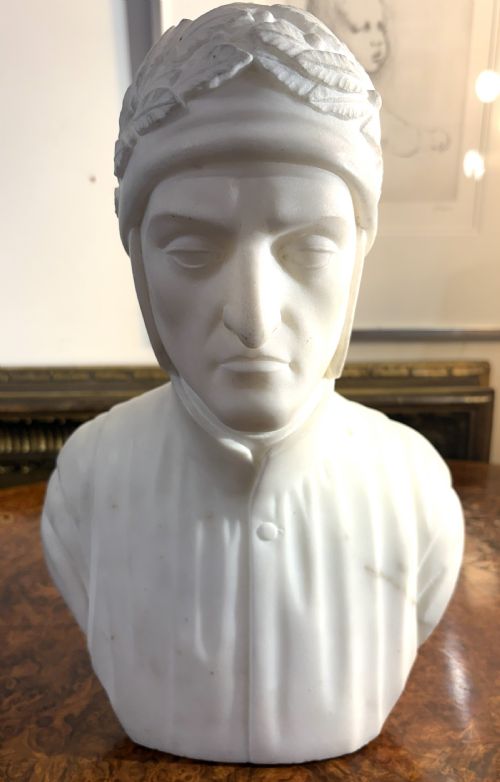
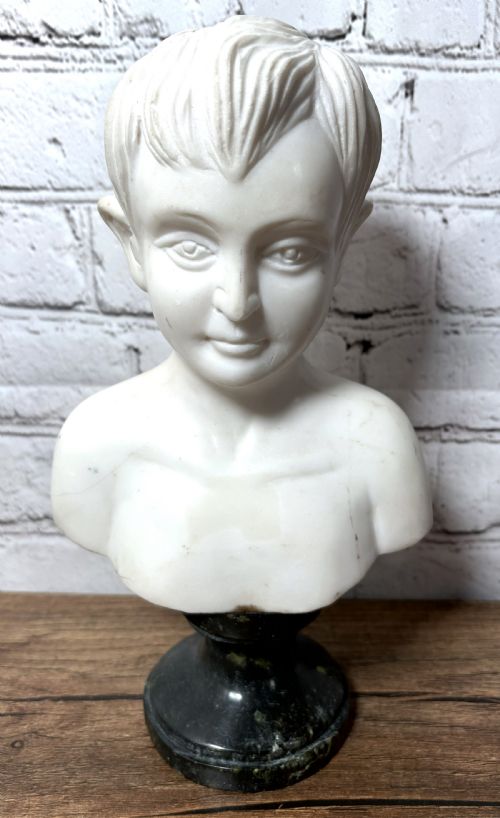
The selections available here range from nineteenth-century plaster figures of literary icons such as Shakespeare and Homer to carved marble depictions of historical scholars and young gentlemen. Makers and sculptors also rendered philosophers like Hippocrates in bronze, while other examples utilise simulated stone plaster or carved wood.
Most pieces date from the nineteenth century, including Victorian and Edwardian productions, alongside occasional eighteenth-century examples. These sculptures often rest upon dedicated brackets or black marble plinths, designed to sit atop bookcases, desks, or mantelpieces.
Materials and construction methods
Carved marble and white stone provide a classic medium for classical portraiture, capturing the smooth contours and fine facial details favoured by sculptors. Artisans also utilised fine-grained wood, such as the pair of English wood sphinxes recorded in the listings.
Plaster casting offered a versatile method for producing detailed busts, often finished with paint or pigment to simulate heavier stone or bronze. Bronze casting yielded durable metallic sculptures with rich patination, frequently mounted on complementary marble plinths or architectural brackets.
Should you require silent company while reading poetry, a plaster Homer or Dante stands ready to listen without interrupting.
Distinctions in quality
The refinement of the carving or casting determines the fidelity of the portrait, separating workshop productions from master-signed works. Detail in the rendering of hair, drapery, and facial expression reveals the skill of the original hand and the precision of the mould or chisel.
The integrity of the material and the character of the surface finish dictate the visual impact of the piece. Well-preserved patination on bronzes, clean plaster surfaces with appropriate historical pigment, and unblemished marble or stone elevate the presence of the sculpture.
Thomas Hope·Raffaelo Monti
The Library Bust Sculpture Glossary
- Neoclassical
- A style drawing inspiration from the classical art and culture of ancient Greece and Rome. It emphasises proportion, restraint, and classical subjects.
- Grand Tour
- A traditional trip through Europe undertaken by upper-class young men in the eighteenth and nineteenth centuries. Travellers often acquired classical bronzes and small sculptures as mementos.
- Plaster
- A building material based on gypsum, lime, or similar materials used for casting sculptural busts. It allows for intricate detail at a more accessible scale than carved stone.
- Patina
- A thin layer that develops on the surface of bronze or wood through age and use. It records the history of the object and contributes to its visual depth.
- Plinth
- A heavy base supporting a statue or bust. Materials like black marble provide a stable foundation and a striking visual contrast to the sculpture above.
Library Bust Sculpture: Frequently Asked Questions
What subjects are common in library busts?
Literary figures, classical philosophers, historical emperors, and poets dominate these sculptural works. Authors like Shakespeare, Homer, and Dante appear alongside Greek thinkers and Roman rulers.
Such subjects reflected the scholarly pursuits and classical education of the library owners who displayed them.
Where should I place a library bust?
These sculptures sit naturally atop bookcases, heavy wooden desks, or dedicated wall brackets within a study or sitting room. Their scale makes them suitable for focal points on mantelpieces or architectural ledges.
Positioning them near natural light helps reveal the subtle modelling of marble and the rich texture of bronze or plaster.
How do I identify nineteenth-century plaster?
Nineteenth-century plaster works often display a dense weight and a matte surface finish that has absorbed layers of historical pigment or paint. Subtle tool marks or variations in the casting reveal the hand of the period workshop.
Examination of the underside or mounting points can also indicate the age of the plaster and its supporting armature.
What is a Grand Tour bronze?
A Grand Tour bronze is a small-scale sculpture collected by travellers touring European cultural centres during the eighteenth and nineteenth centuries. These pieces typically depict classical antiquities, philosophers, or architectural monuments.
They served as portable tokens of classical learning and refined taste for the Victorian home library.