



Liberty Style Carved Table
These liberty style carved table pieces combine solid craftsmanship with distinct aesthetic movements, offering practical function and strong decorative character for any interior.
Liberty Style Carved Table
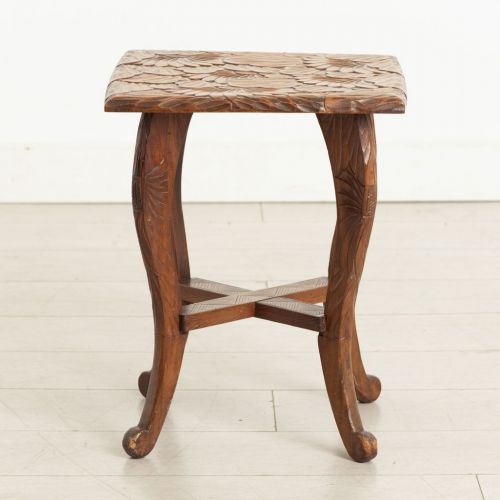
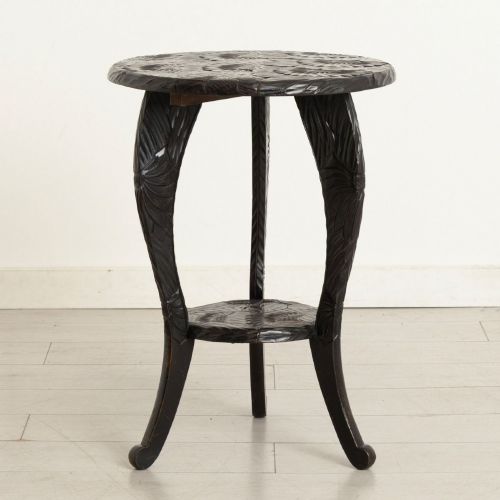
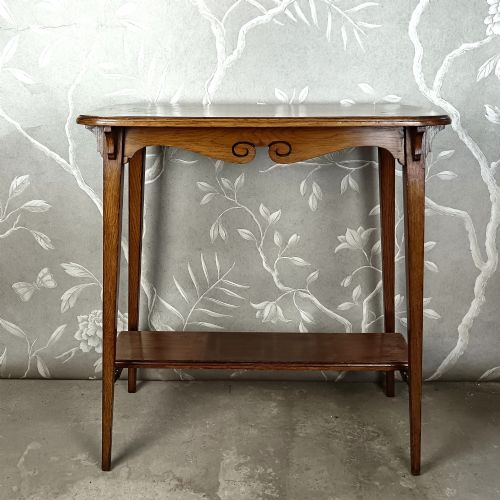
A liberty style carved table brings together functional surfaces and distinct artistic influences spanning the late nineteenth and early twentieth centuries. These pieces encompass side tables, occasional tables, plant stands, and display tables originating from periods such as the Edwardian era and around nineteen hundred.
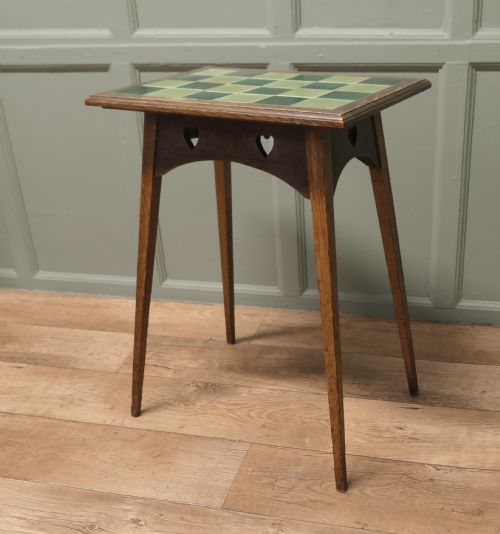
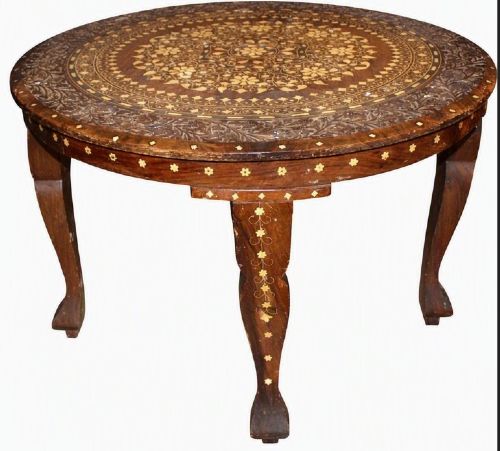
Buyers frequently encounter oak and various hardwoods, often incorporating carved ornamentation, ceramic tiles, or bone inlay. The forms reflect diverse stylistic movements including Arts and Crafts, Moorish Revival, Anglo-Indian, and Anglo-Japanese designs.
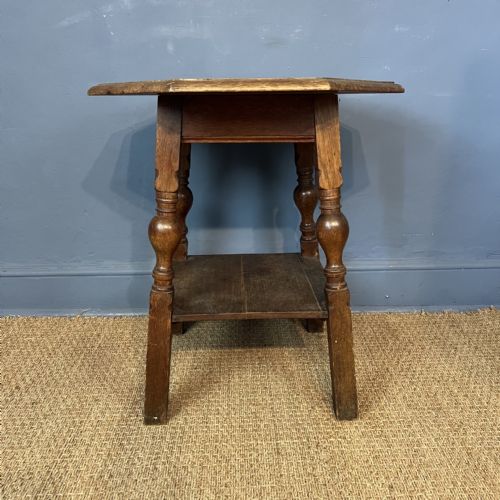
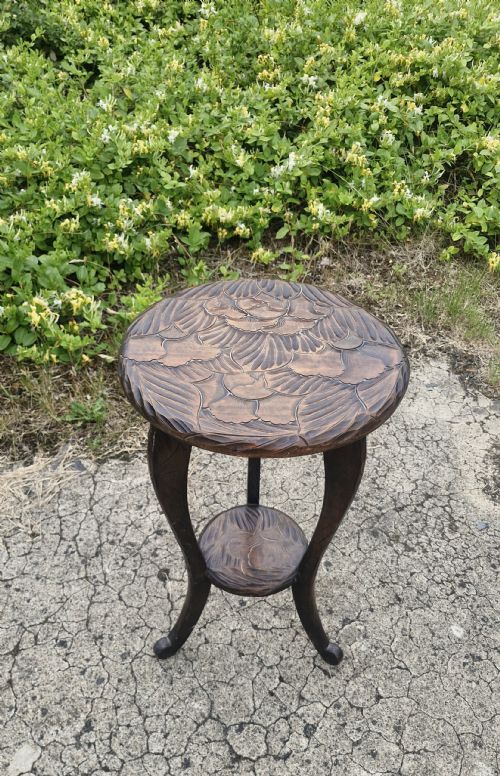
The selection ranges from two-tier occasional tables to octagonal stands and floor-standing display units. Each piece demonstrates the retail aesthetic associated with Liberty and Company through specific joinery and carved details.
How they were made
Construction relies heavily on sturdy timbers such as oak, mahogany, rosewood, and ebonised wood. Artisans shaped these materials using traditional joinery methods suited to domestic furniture.
Surface ornamentation involves detailed hand-carving alongside specialised techniques like bone inlay and the integration of decorative ceramic tiles. Some examples utilise fretwork and ebonisation to achieve specific stylistic effects.
Design styles span Arts and Crafts, Moorish Revival, Anglo-Indian, and Anglo-Japanese aesthetics.
What varies in quality
The sophistication of the hand-carved elements and the precision of inlaid bone or tilework separate standard examples from finer specimens. Depth and crispness in the wood carving indicate the skill level of the maker.
Selection of timber grains and the integrity of structural joints determine overall durability and visual balance. Pieces retaining verified stamps or attributable workshop characteristics command closer attention from collectors.
Liberty and Co
The Liberty Style Carved Table Glossary
- Arts and Crafts
- A design movement prioritising traditional craftsmanship, visible construction, and simple forms inspired by medieval structures. This style rejected mass production in favour of handcrafted integrity.
- Bone Inlay
- A decorative technique where small pieces of animal bone are embedded into recesses within a wooden surface to create contrasting patterns. This method appears frequently on Anglo-Indian occasional pieces.
- Ebonised Wood
- Timber treated with chemical finishes or dark stains to simulate the dense, dark appearance of ebony. This treatment was popular in late nineteenth-century aesthetic furniture.
- Occasional Table
- A small, movable table designed for specific, intermittent uses within a living space such as holding a lamp or decorative objects.
Liberty Style Carved Table: Frequently Asked Questions
What periods do these tables represent?
The listings span from the late nineteenth century through the Edwardian period up to the nineteen twenties. Most examples cluster around nineteen hundred and the early decades of the twentieth century.
Design influences draw upon Arts and Crafts principles alongside global revival styles current during those decades.
How were these tables used originally?
These occasional tables and plant stands served specific display and functional purposes in domestic drawing rooms and hallways. They held lamps, decorative ceramics, or plants while adding artistic flair to the interior.
Two-tier versions provided additional surface space for books or small ornaments within compact footprints.
How do I identify a Liberty piece?
Identification often relies on physical stamps applied directly to the timber or distinctive stylistic combinations of Japanese, Moorish, and Arts and Crafts motifs. Documentation from archives or attributable construction traits also assist in recognition.
Retailled pieces frequently match known catalogue forms from the late nineteenth and early twentieth centuries.
What materials are common in these tables?
Oak and various hardwoods form the primary structural framework for the majority of these tables. Rosewood, mahogany, and ebonised wood appear alongside decorative additions of ceramic tiles and bone inlay.
Hand-carving defines the surface texture across nearly all recorded examples.