




Liberty Carved Occasional Table
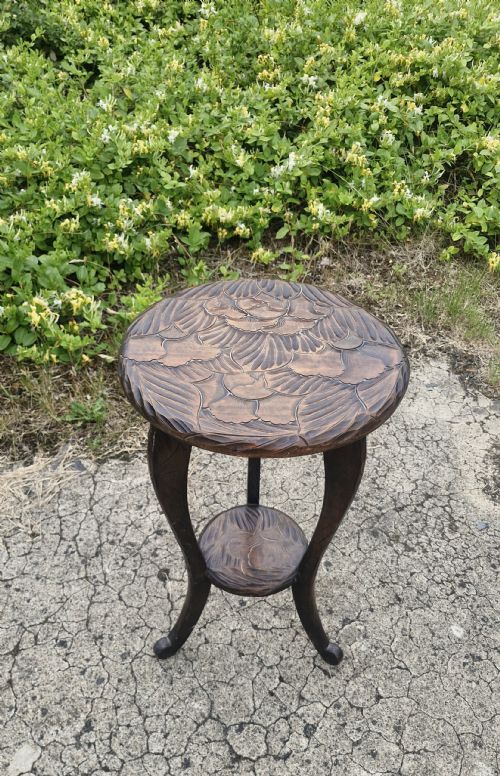
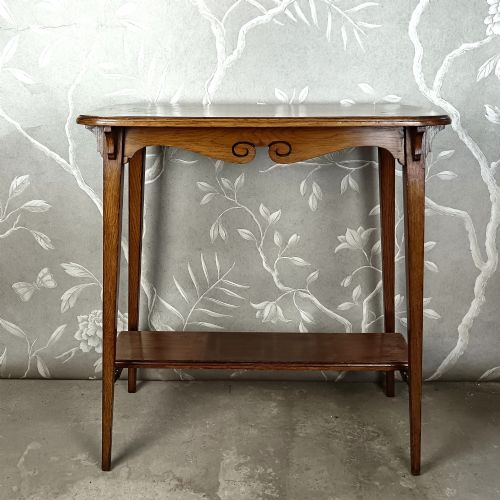
A liberty carved occasional table brings distinct late nineteenth and early twentieth century craftsmanship into a room.
Liberty Carved Occasional Table
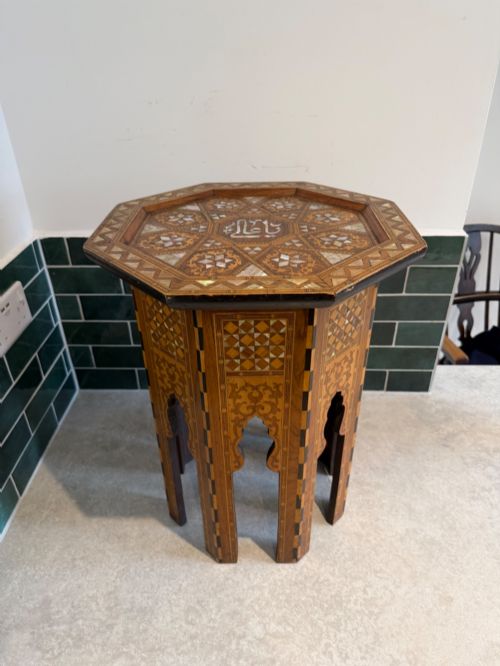
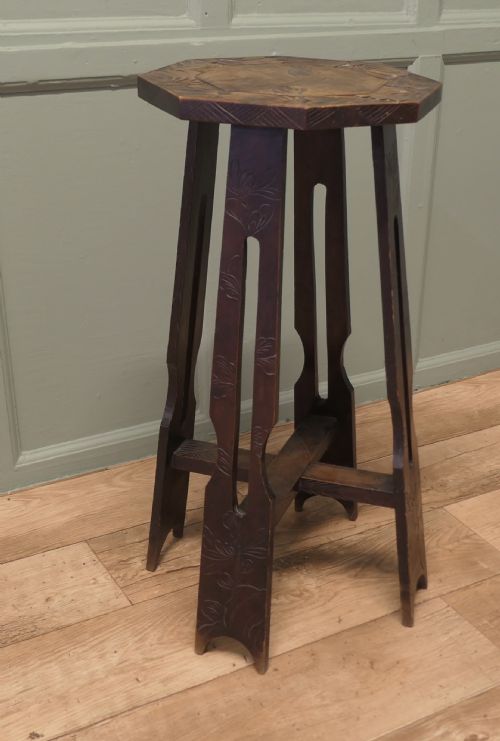
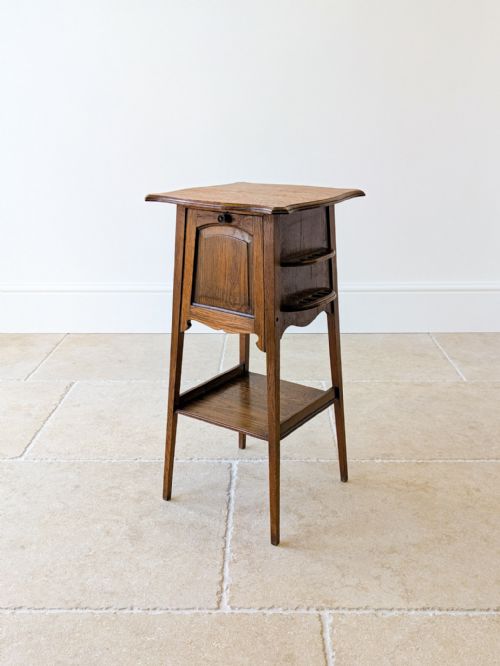
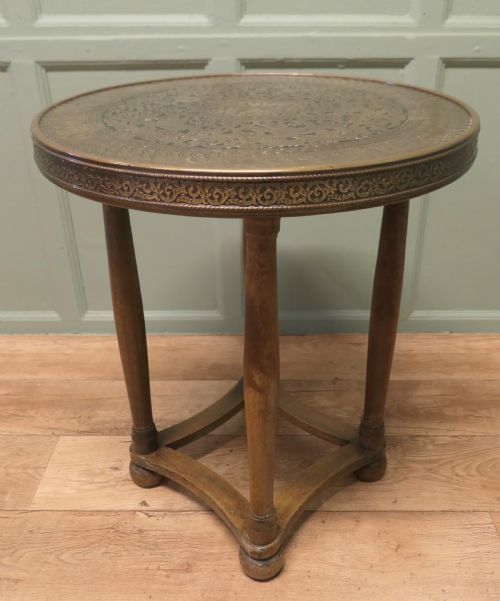
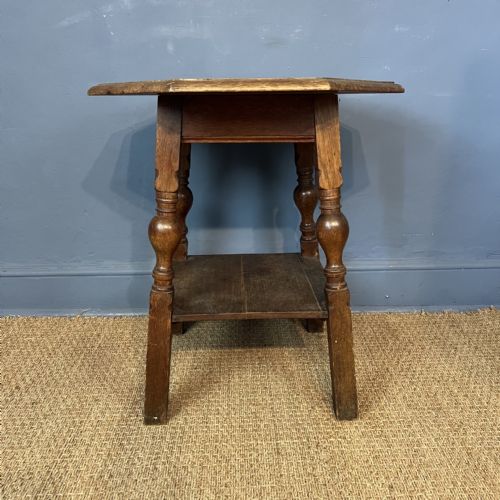
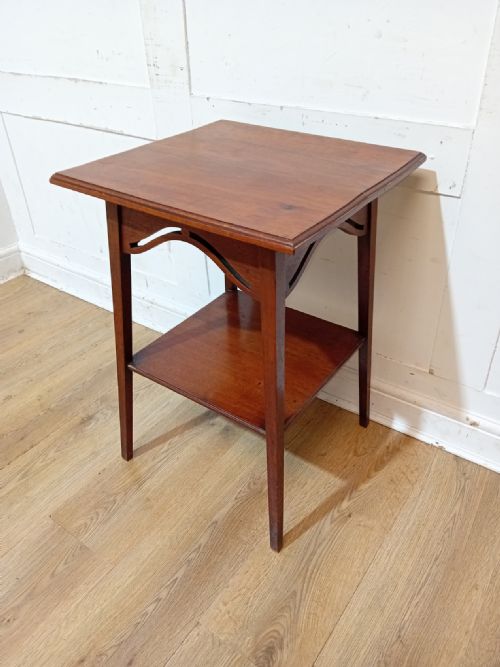
A liberty carved occasional table encompasses compact side tables, two-tier designs, and writing tables produced or retailed during the late nineteenth and early twentieth centuries. These pieces reflect the eclectic tastes of the period, spanning diverse global influences from Moorish Revival to Anglo-Japanese styles.
What varies in quality
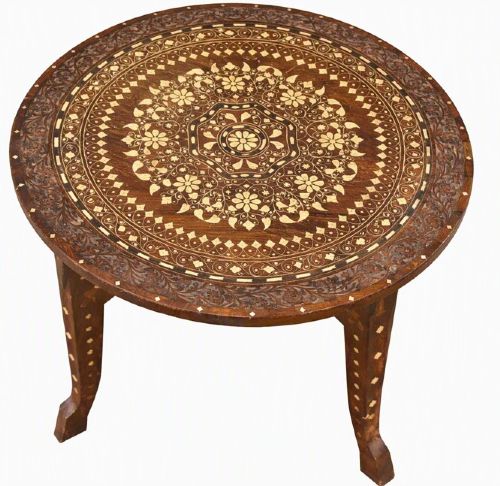
The standard of hand carving and inlay work dictates the distinction between ordinary production and superior craftsmanship. Crisp execution in bone or mother-of-pearl details demonstrates higher skill than simpler surface decoration.
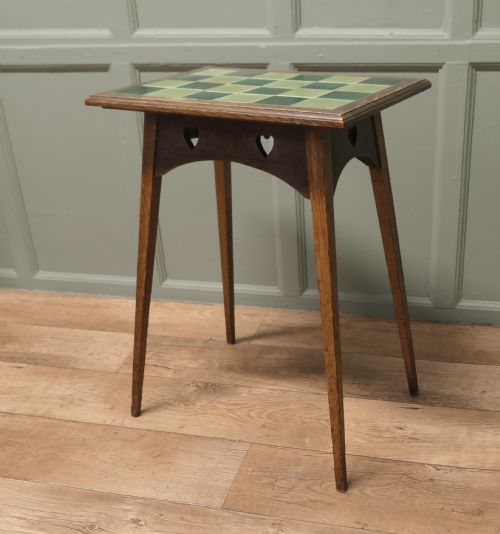
Choice of timber and structural integrity also separate tiers of quality, with substantial hardwoods and well-preserved ceramic tile inserts commanding greater attention. Maker stamps or attribution evidence further influence the standing of an individual piece.
Liberty Carved Occasional Table Retail Price Guide 2026
Typical asking prices for liberty carved occasional table among the pieces listed under this phrase on Sellingantiques today, from the lower quarter to the upper quarter. They describe what is for sale here now, not the wider market.
Several tables secretly double as miniature architectural tours of Moorish palaces and Japanese temples.
Liberty and Co
The Liberty Carved Occasional Table Glossary
- Occasional table
- A small, movable table designed for minor uses in a living space rather than dining. Side tables and lamp tables fall under this category.
- Arts and Crafts
- A design movement valuing handcrafting, simple utility, and traditional materials over mass production. It heavily influences the oak and walnut pieces found here.
- Moorish Revival
- An architectural and decorative style drawing on Islamic design elements. It appears in octagonal forms and intricate geometric carving.
- Anglo-Japanese
- A nineteenth century aesthetic style combining British furniture forms with Japanese motifs and construction techniques. This hybrid approach yielded distinctive carved tables.
- Bone inlay
- The technique of embedding small pieces of carved bone into wooden surfaces to create contrasting patterns. It is frequently seen on Moorish and Anglo-Indian designs.
Liberty Carved Occasional Table: Frequently Asked Questions
How were these tables used originally?
Occasional tables served versatile roles in period homes as lamp tables, small writing desks, or surfaces for displaying decorative objects. Their portable nature allowed them to be moved around drawing rooms as needed.
In modern interiors, they function well beside armchairs or as accent pieces in hallways and studies.
How can I tell the period?
Dating relies on stylistic markers such as Arts and Crafts simplicity, Moorish geometric patterns, or Japonisme motifs alongside timber choices. Pieces from the late nineteenth century often show heavier Victorian influence, while Edwardian examples lean towards lighter forms.
Maker stamps or specific attribution details also help narrow down the decade of production between eighteen ninety and nineteen twenty.
What materials are typical for these tables?
Solid oak and walnut form the structural basis for most examples, alongside various imported hardwoods and ebonised wood. Decorative surfaces frequently include inlaid bone, mother-of-pearl, and glazed ceramic tiles.
Carving depth and the complexity of fretwork vary according to the specific stylistic tradition of the piece.