
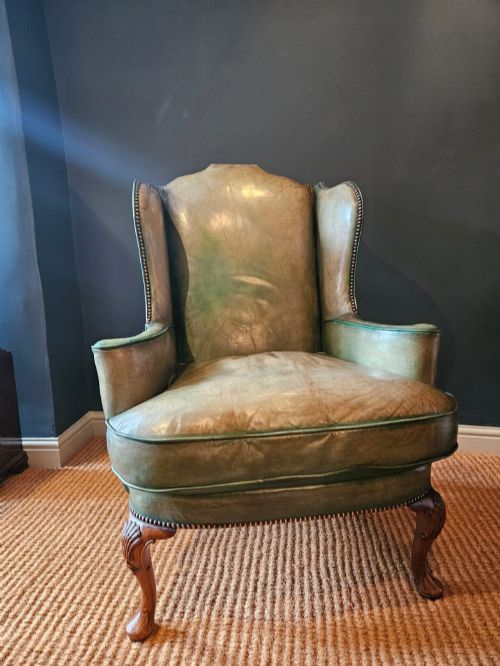
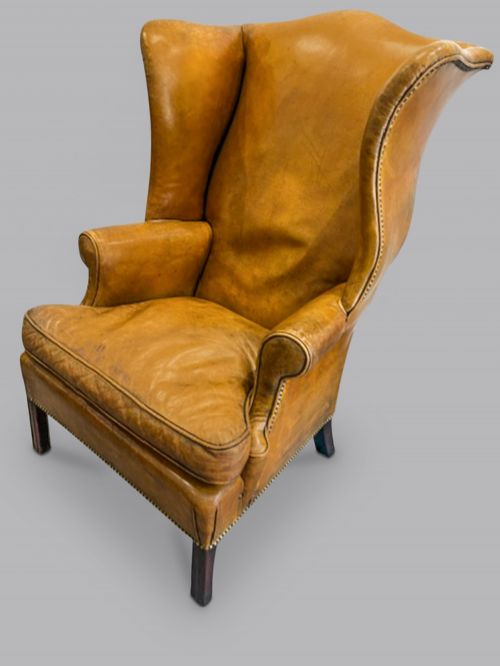
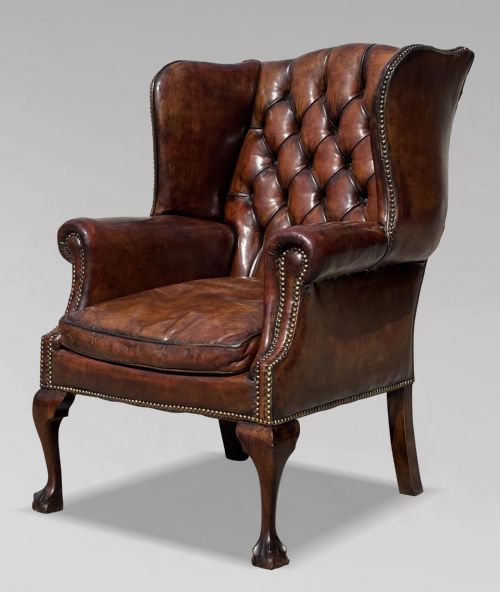
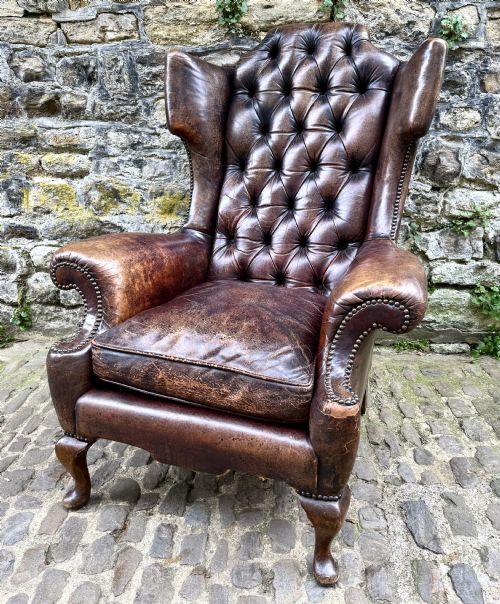
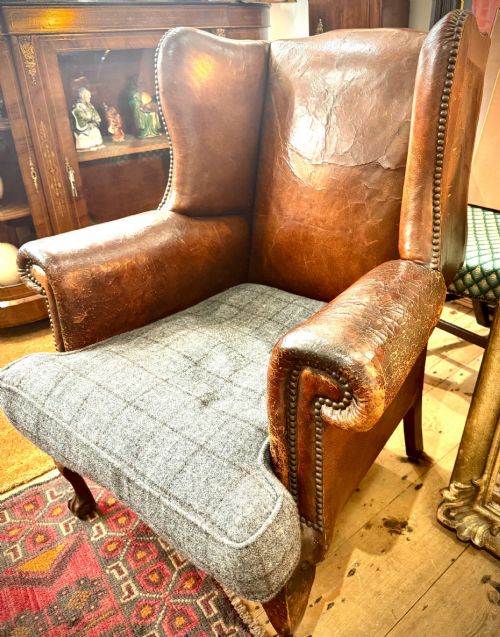


Leather Wingback Armchair
When you search for a leather wingback armchair, you are looking at deep-seated seats built to block drafts and cradle the body in tailored hides.
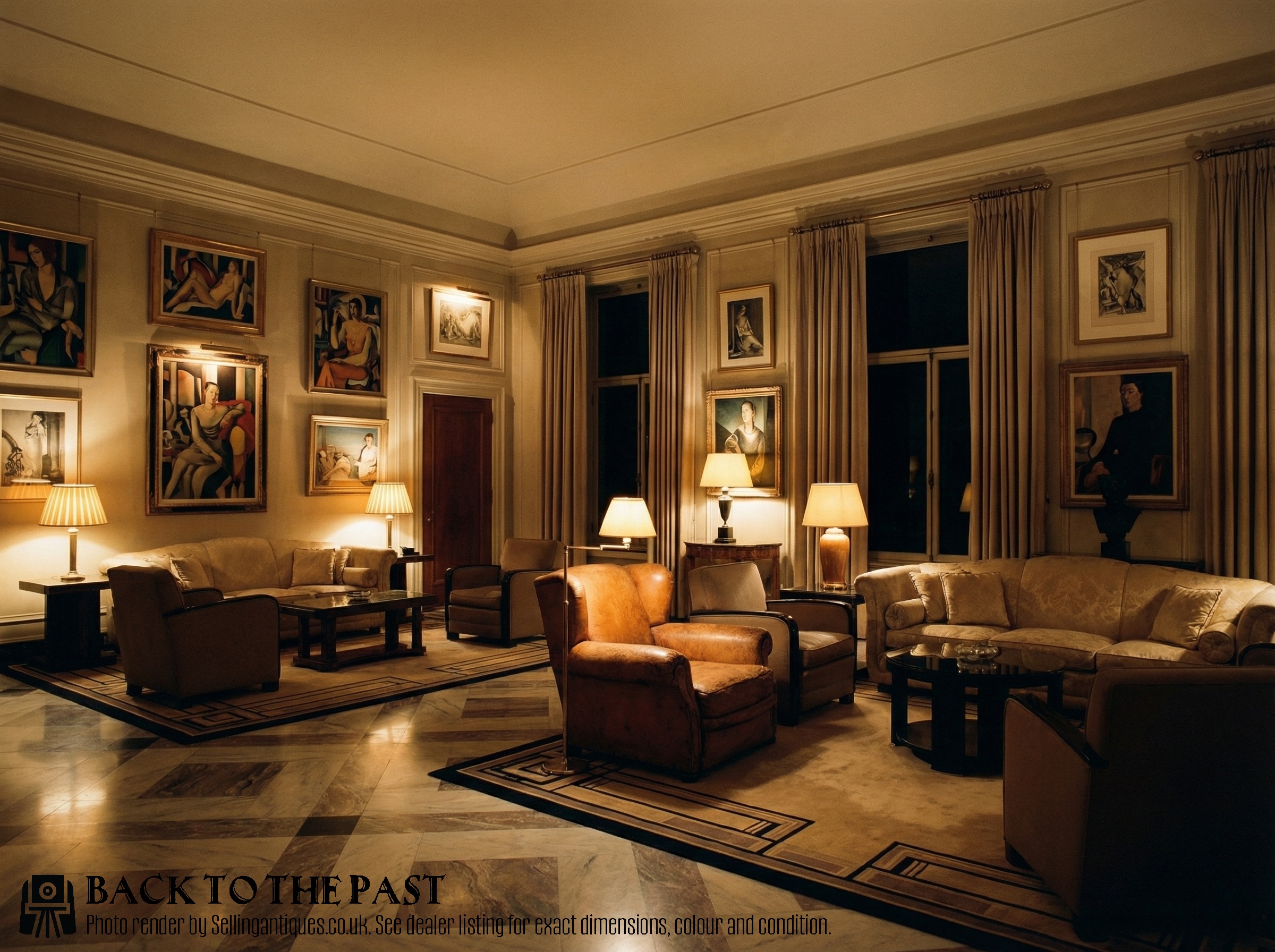
Leather Wingback Armchair
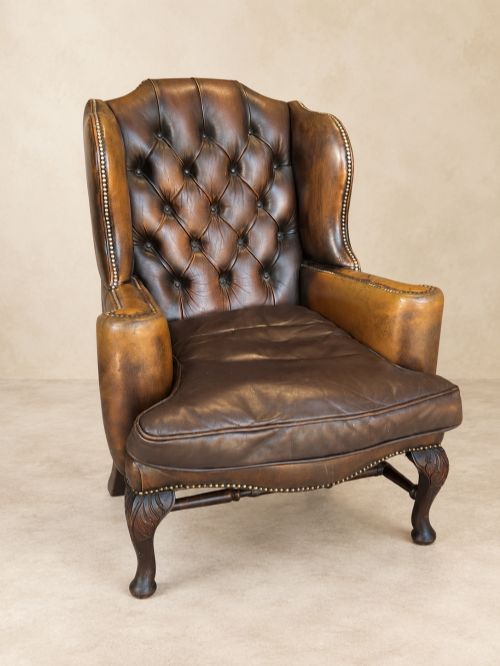
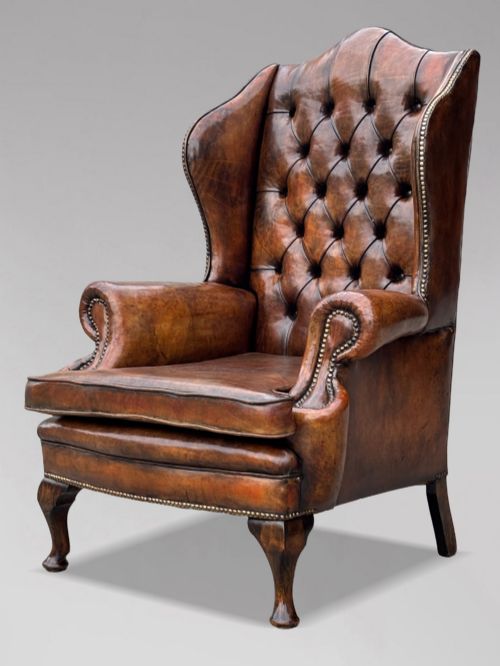
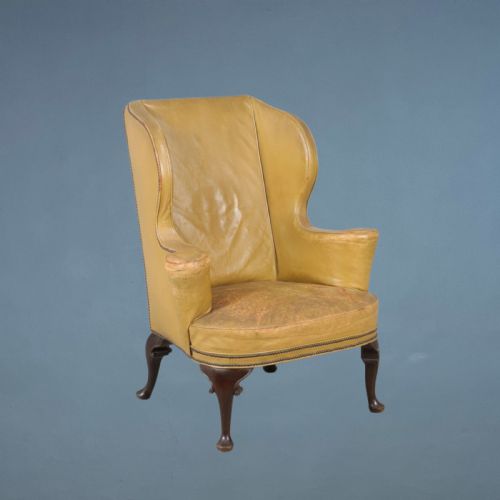
A leather wingback armchair combines a high, padded back with protective side panels, known as wings, designed originally to shield sitters from draughts in large, cold rooms. You will frequently find pieces stretching from the eighteenth century through Victorian iterations and heavy Edwardian interpretations into the early twentieth century.
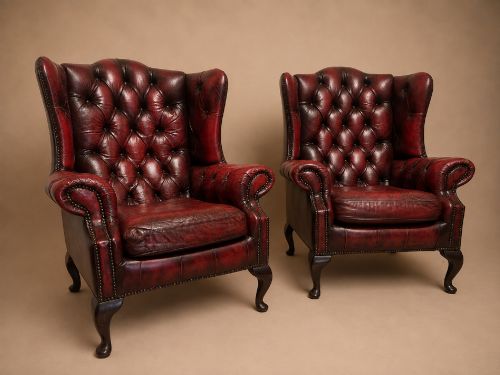
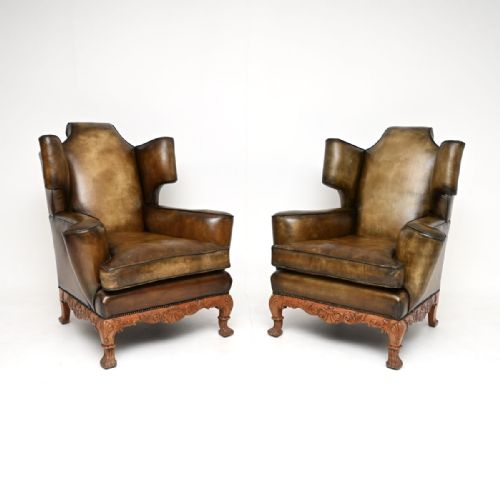
The silhouettes on this page range from strict George III mahogany frames on cabriole legs to relaxed twentieth-century club forms and deep Chesterfield styles. Many examples follow Georgian or Queen Anne revival patterns, pairing traditional woodwork with supple, hand-dyed or buttoned hides.
How they were made
Makers built the structural frames using hardwoods such as mahogany, oak, walnut, and elm, shaping cabriole legs or straight supports to bear the weight. Upholsterers then applied horsehair or stuffing directly to the wooden skeleton before securing leather covers with individual brass tacks.
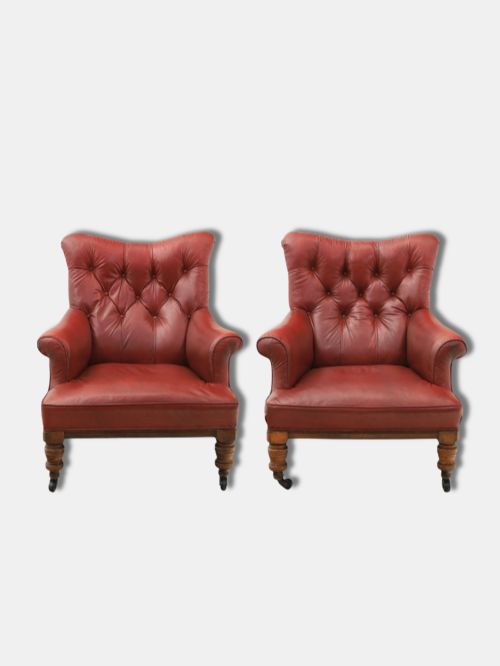
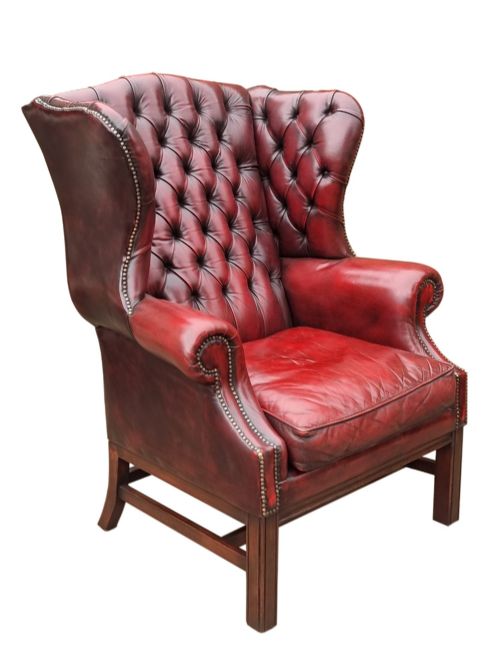
Hides received hand-coloured, hand-dyed, or waxed finishes to produce tan, brown, oxblood, or green surfaces. Buttoning techniques pulled the leather tight into deep indentations, creating the characteristic tufted upholstery found across Victorian and revival armchairs.
Listings feature hardwood frames in mahogany, oak, walnut, and elm supporting leather, brass, and timber components across multiple centuries.
What varies in quality
The integrity of the timber frame and the weight of the supporting hardwood dictate structural longevity. Finer examples retain original mahogany or walnut underframes with crisp hand-carved details on the knees and feet.
The grade and treatment of the leather determine tactile appeal, as thicker, vegetable-tanned hides age with a softer patina than corrected surfaces. Hand-stitched buttoning and disciplined pleating around the wings separate master upholstery from standard commercial output.
The Leather Wingback Armchair Glossary
- Wingback
- An upholstered armchair featuring side panels attached to the backrest designed to trap heat and deflect draughts. These panels evolved from seventeenth-century functional additions into decorative flourishes.
- Cabriole leg
- A furniture leg that curves outward at the knee and tapers inward to an ankle, frequently ending in a pad or claw foot. This form appeared widely on eighteenth-century seating.
- Chesterfield
- A style of heavy upholstery characterised by deep buttoning, rolled arms, and a uniform back and arm height. Versions in leather frequently appear alongside traditional wing chairs.
- Rexine
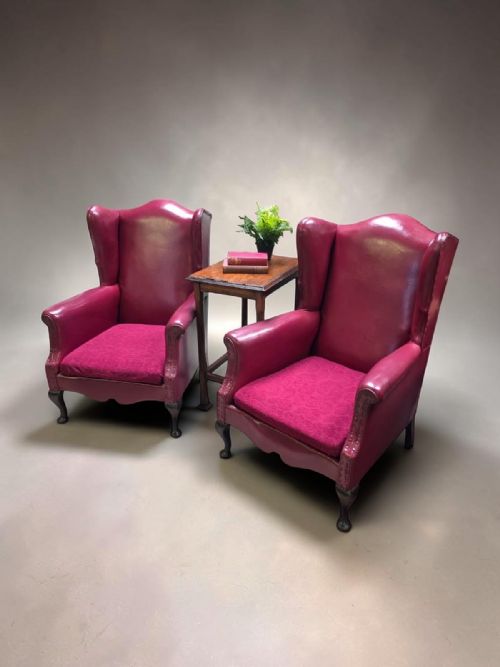
- A brand of artificial leather fabric manufactured from cloth coated with nitrocellulose and pigment. It substituted for genuine animal hide on mid-century utility seating.
Leather Wingback Armchair: Frequently Asked Questions
What is the purpose of the wings on these armchairs?
The side panels or wings originally trapped body heat around the sitter while blocking cold drafts in poorly heated historical rooms. They also served to shield the face from the intense radiant heat of an open hearth.
Over time, this practical function became an established stylistic convention. Makers retained the wings to lend proportion and architectural presence to library and drawing room seating.
How do I distinguish eighteenth-century chairs from later revivals?
Authentic eighteenth-century chairs display period timber construction methods, hand-cut joinery, and timber species consistent with Georgian workshops. Examine the secondary woods beneath the upholstery and the wear patterns on the frame.
Nineteenth and twentieth-century revivals often utilise machine-cut elements and heavier nineteenth-century framing techniques even when copying earlier George II or George III aesthetics.
Are buttoned leather chairs comfortable for daily use?
Deep buttoning creates a firm, supportive surface that encourages upright posture rather than a slouching lounge position. The sprung seat bases beneath the leather absorb weight while maintaining tension across the cushion.
Over decades of use, the internal horsehair or coil springs soften to accommodate the body. Regular conditioning keeps the leather supple during daily sitting.
How should I care for antique leather upholstery?
Protect antique leather from direct sunlight and excessive heat sources to prevent the hide from drying out and cracking. Apply specialised leather balms or waxes periodically to nourish the fibres.
Avoid chemical cleaning agents that strip original hand-dyed patination. Gentle dusting with a soft cloth maintains the surface without disturbing historic finishes.