



Leather Upholstered Bench
A leather upholstered bench offers sturdy, practical seating, bringing traditional tactile comfort to hallways, hearths, and dressing rooms.
Leather Upholstered Bench
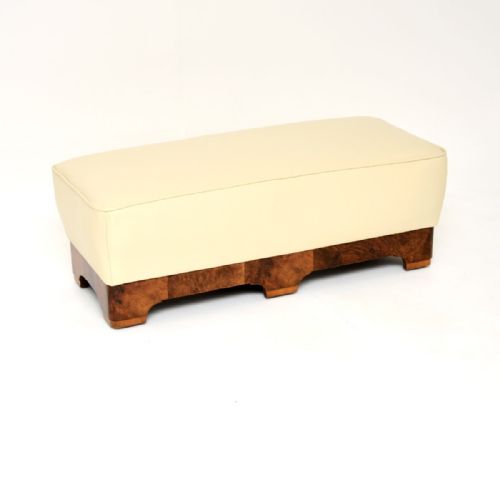
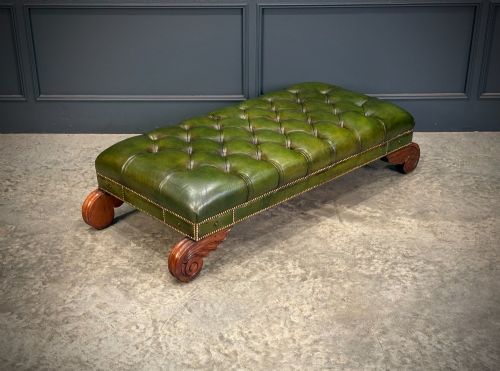
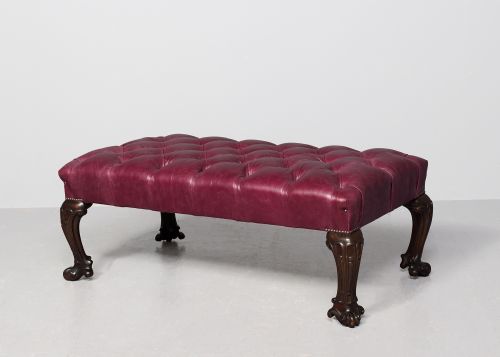
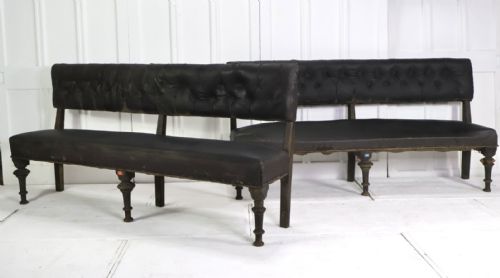
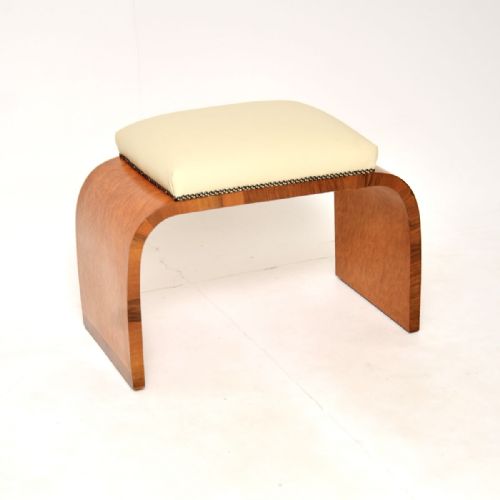
A leather upholstered bench spans a wide variety of forms, from club fenders and low hall seats to piano stools and long ottomans. The examples seen here range across the nineteenth and twentieth centuries, taking in Victorian, Edwardian, and Art Deco designs.
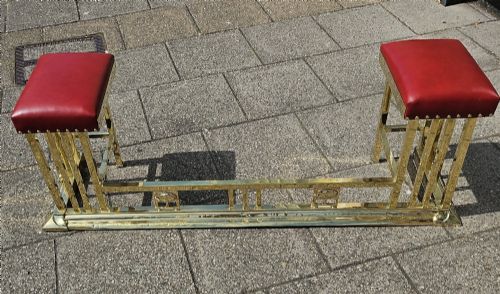
You will frequently encounter footstools and club fenders designed for hearths, alongside mahogany-framed long benches and oak joint stools. These pieces draw on Regency, Georgian style, and Victorian Gothic Revival traditions.
Originating in country houses, town residences, and libraries, these seats combine functional wooden or metal frames with resilient hide upholstery. The selection reflects both formal reception rooms and utilitarian domestic spaces.
Materials and construction
Makers built the frames of these pieces using sturdy timbers such as mahogany, oak, walnut, burr walnut, and rosewood, alongside heavy metals like brass, iron, and steel. Structural stability relied on traditional joinery or robust cast metal work.
Upholstery required durable leather, hide, and buttoning techniques, frequently accented with brass studs or velvet trim. These materials ensured that seating designed for frequent use in halls, libraries, and hearths endured for generations.
One robust steel club fender comes directly with a provenance from The In & Out Club, having warmed many an aristocratic shin.
Assessing quality
The distinction between standard and superior pieces rests on the weight of the frame and the quality of the timber or metalwork. Dense hardwoods, finely cast brass, and heavy iron provide structural integrity that lighter substitutes lack.
Upholstery finish also marks the difference, seen in the precision of buttoning, the grade of the leather or hide, and the retention of original decorative brass studs. Superior items demonstrate careful hand-finishing that aligns with their period of origin.
James Shoolbred·William Birch
The Leather Upholstered Bench Glossary
- Club fender
- A low, padded seat placed around the perimeter of a fireplace, typically constructed from brass, steel, or iron with leather upholstery. These fixtures originated in gentlemen's clubs and country houses to provide warm, comfortable fireside seating.
- Ottoman
- A low, upholstered seat or box without a back or arms, often featuring a hinged lid for storage. They appear in mahogany, birch, and rosewood across nineteenth-century interiors.
- Joint stool
- An early form of wooden stool constructed using mortise and tenon joints rather than traditional turning. These sturdy oak seats date back centuries and represent heavier domestic utility.
- Banquette
- A long, upholstered bench seat, frequently associated with French Belle Époque interiors. They combine padded hide seating with decorative timber or velvet elements.
Leather Upholstered Bench: Frequently Asked Questions
Where were club fenders used?
Club fenders were traditionally placed around large fireplaces in country houses and gentlemen's clubs. They offered a warm perch close to the hearth.
Over time, these heavy brass and iron frames became standard fixtures in large reception rooms, providing both seating and protection from stray embers.
How do I date a leather bench?
Dating relies on examining the timber frame, the upholstery style, and the construction methods used. Victorian pieces often feature heavy mahogany and deep buttoning, while Art Deco examples display burr walnut or birds eye maple.
Comparing the turned legs, metal castings, and wood types against known period styles helps narrow down the decade of manufacture.
What is a box ottoman?
A box ottoman is a dual-purpose piece of furniture that functions as both a padded bench and a storage chest. They were commonly lined to store blankets, linens, or clothing.
These versatile items appeared in rosewood, birch, and mahogany during the nineteenth century, fitting easily at the foot of a bed or in a dressing room.