




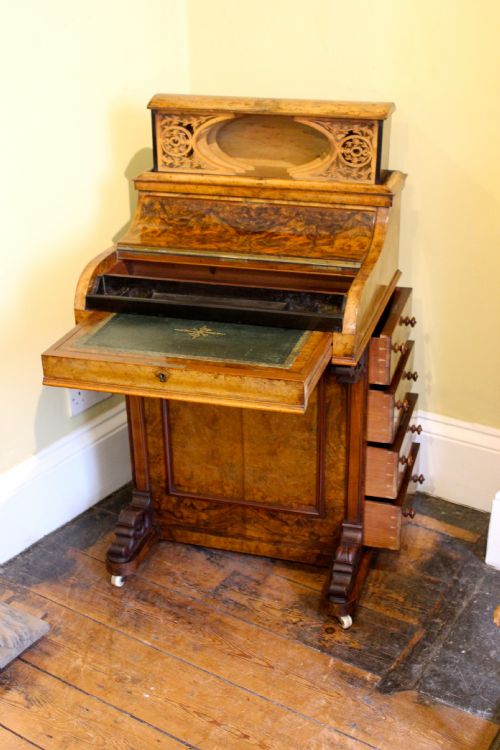
Leather Top Davenport Desk
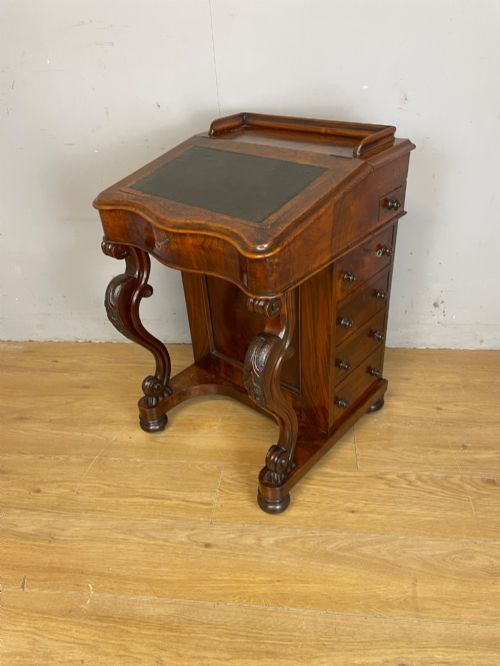
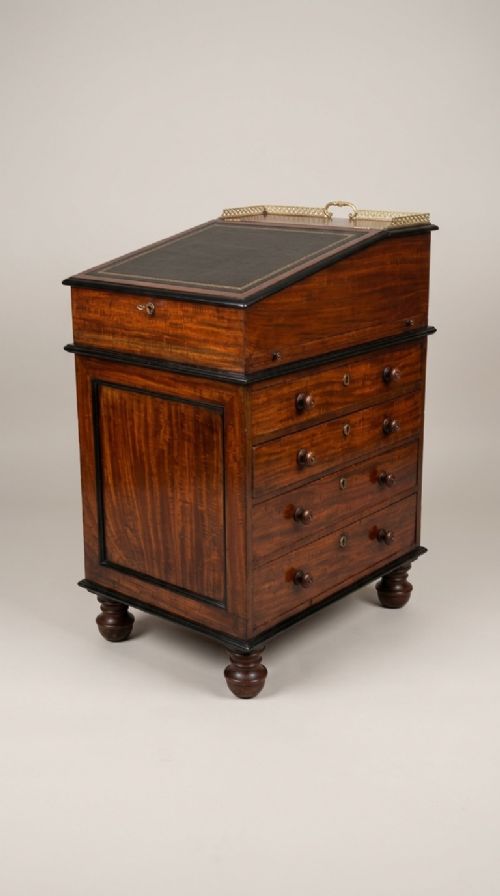
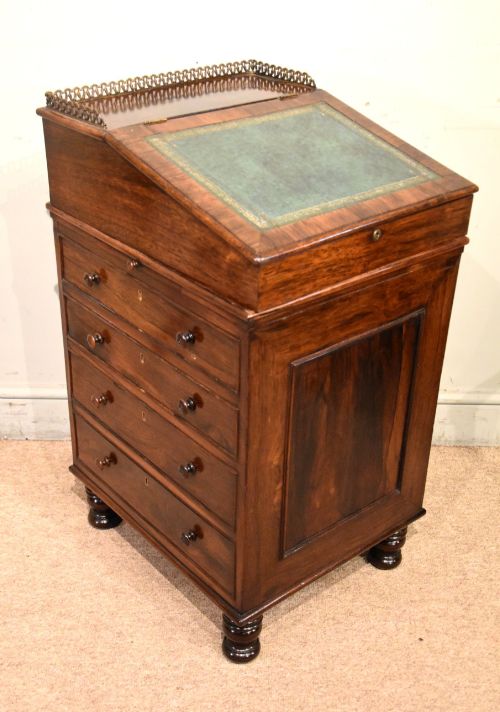
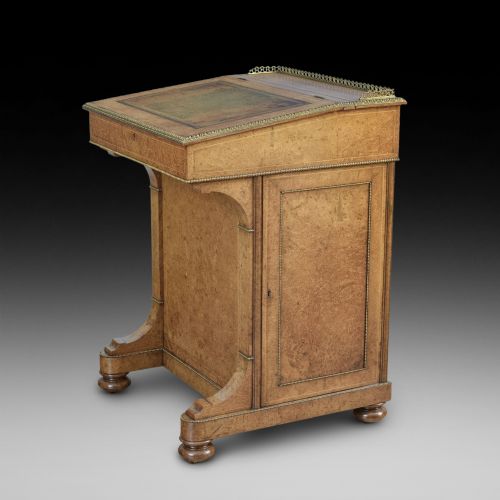
These leather top davenport desk examples combine compact writing slopes with concealed storage, offering a practical workspace for period interiors.
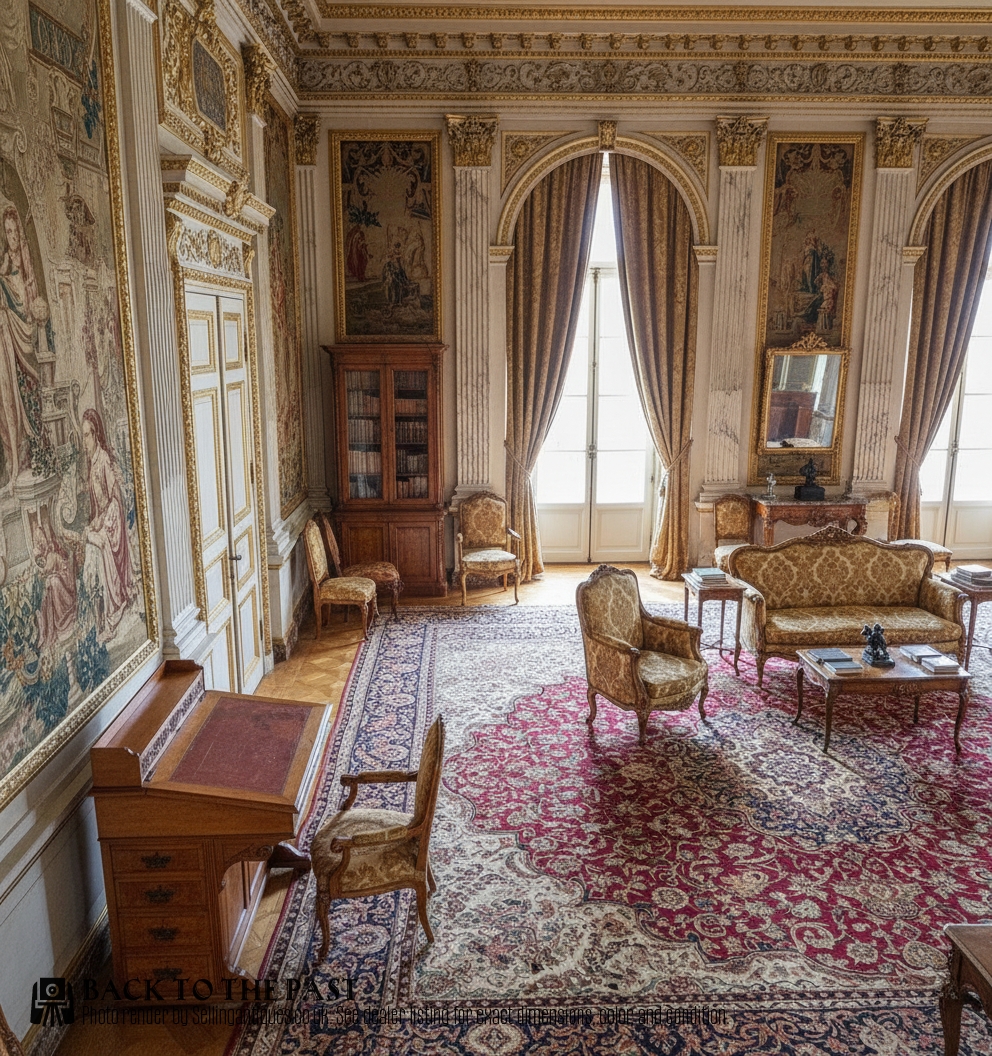
Leather Top Davenport Desk
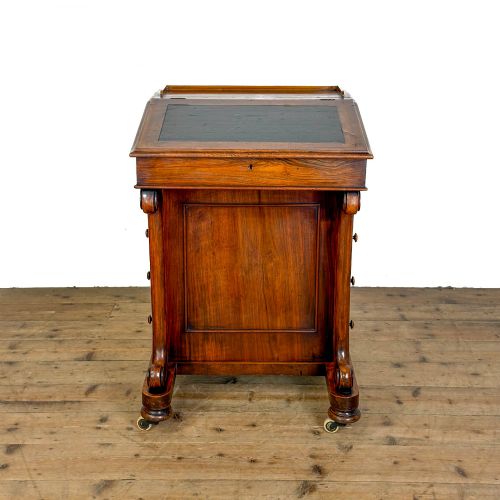
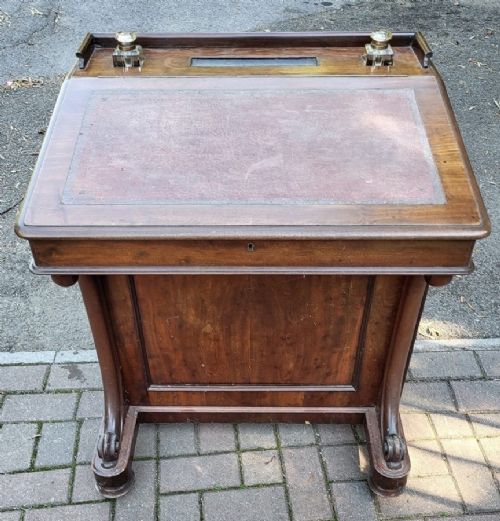
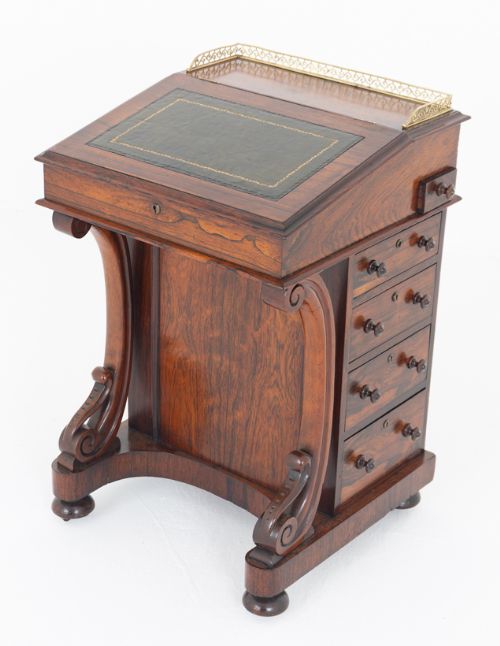
A leather top davenport desk provides a sloping writing surface lined with leather above a pedestal of drawers, designed primarily for domestic correspondence. When you search for this form, you encounter compact writing boxes supported on a cabinet base, originating mainly from the Georgian, Regency, William IV, and Victorian eras.
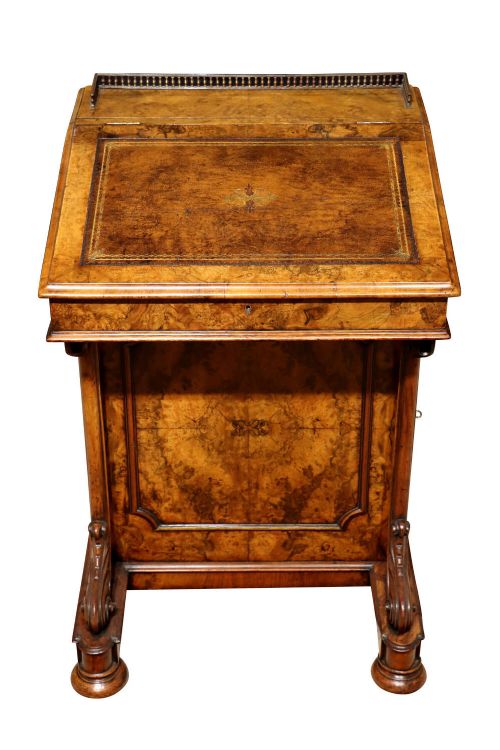
The version you are most likely to meet on this page is a Victorian or nineteenth-century example fashioned from burr walnut or mahogany. These pieces frequently incorporate internal satinwood fittings, side drawers, and brass mounts, reflecting the functional demands of nineteenth-century studies and drawing rooms.
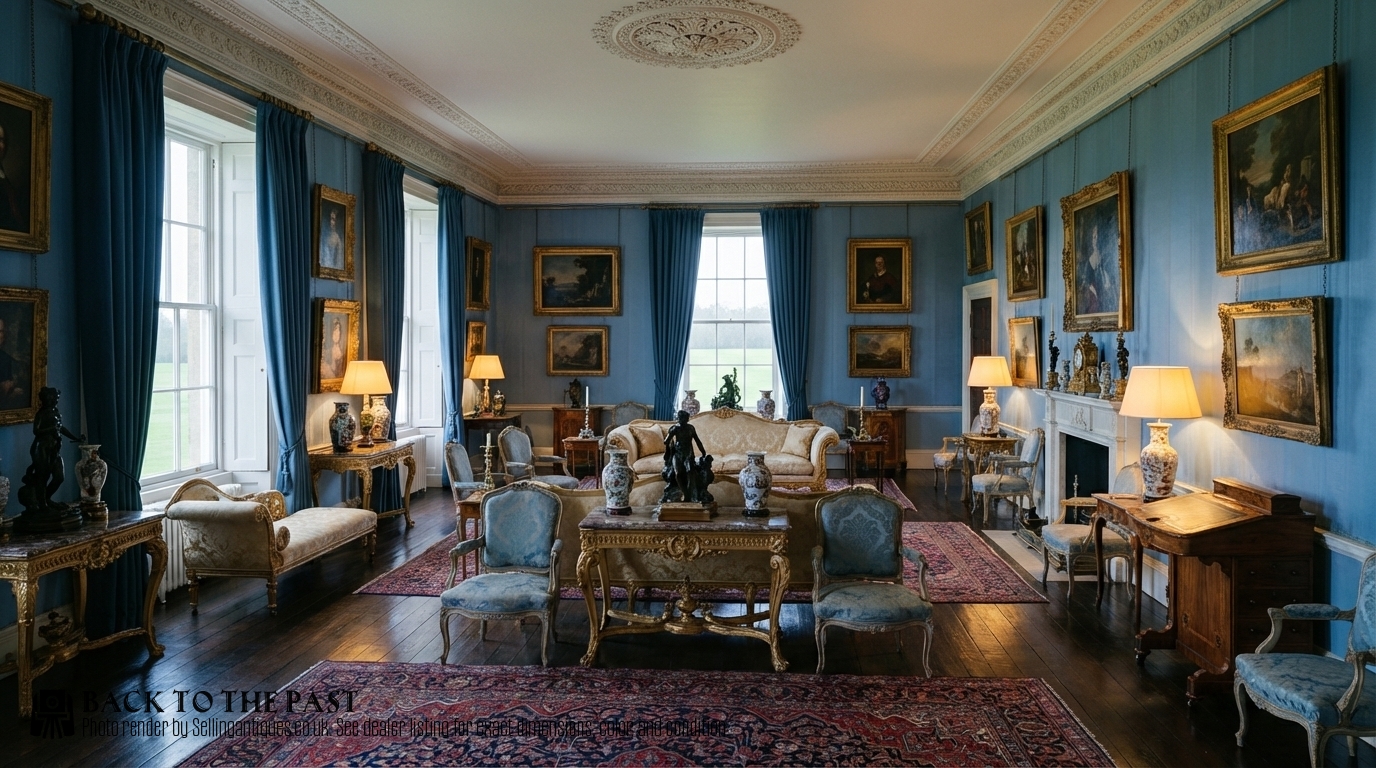
Materials and construction
Cabinetmakers utilised dense hardwoods such as mahogany, rosewood, and walnut for the primary structure, often applying figured veneers like burr walnut or amboyna to the exterior surfaces. The writing slopes are inset with tooled leather surfaces to provide a durable writing plane.
Many examples incorporate brass handles, hinges, and castors alongside ebonised wood details or inlay. Structural configurations range from fixed desk bodies to sliding tops and turn-top designs supported on bun feet.
Leather Top Davenport Desk Retail Price Guide 2026
Typical asking prices for leather top davenport desk among the pieces listed under this phrase on Sellingantiques today, from the lower quarter to the upper quarter. They describe what is for sale here now, not the wider market.
Some Victorian desks incorporate a carved oak green man peering out from beneath the writing slope.
Distinctions in construction and material selection
The standard of a leather top davenport desk rests on the choice of timber veneers and the precision of the internal stationery fittings. Finer pieces display carefully matched burr walnut or figured rosewood across every surface, including secondary internal drawers lined with lighter satinwood.
Quality is also evident in the hardware and mechanical elements, such as sliding top actions, functioning keys for side drawers, and heavy brass castors. Simpler oak or mahogany variants rely on solid proportions rather than decorative veneers to achieve their finish.
Gillows of Lancaster
The Leather Top Davenport Desk Glossary
- Davenport
- A compact pedestal desk featuring a sloping, hinged writing surface above a set of drawers. The form gained popularity in the early nineteenth century as a space-saving writing desk for ladies.
- Burr walnut
- A decorative timber veneer taken from the warted growths on walnut trees. It provides a highly figured, swirling grain pattern prized by nineteenth-century cabinetmakers.
- Ebonised wood
- Timber treated with a dark finish to imitate ebony. It appears frequently on nineteenth-century desks to create contrast against lighter woods like walnut and mahogany.
- Satinwood
- A pale, hard timber utilised for internal drawers and secondary compartments. Cabinetmakers employed it to brighten the interior wells of writing desks.
- Crossbanding
- A narrow strip of veneer laid around the border of a larger panel with the grain running at right angles. This technique frames the primary wood surface on top panels and lids.
Leather Top Davenport Desk: Frequently Asked Questions
What is a davenport desk?
A davenport desk is a small, freestanding writing desk comprising a sloping desk top over a pedestal base of drawers. The compact footprint made it suitable for domestic parlours and boudoirs.
Most variants include a hinged leather-lined writing surface that lifts to reveal stationery compartments, accompanied by side drawers accessed from a seated position.
Where were the drawers placed?
Drawers on these desks are typically arranged down one side of the pedestal base, with false drawers balancing the opposite side. Some variations feature drawers accessible from both sides.
An upper well or pen drawer often slides out separately from the main bank of pedestal drawers, sometimes secured by the main locking lid.
How do I care for the leather top?
The leather writing surface benefits from gentle dusting and occasional conditioning with appropriate leather balms to prevent drying. Avoid excessive moisture or direct sunlight on the hide.
Tooled gold leaf borders around the leather inset require particular care to preserve the original gilding during cleaning.