


Leaded Glass Vitrine
These leaded glass vitrine pieces bring together timber and leaded glazing to showcase treasured items within any interior.
Leaded Glass Vitrine
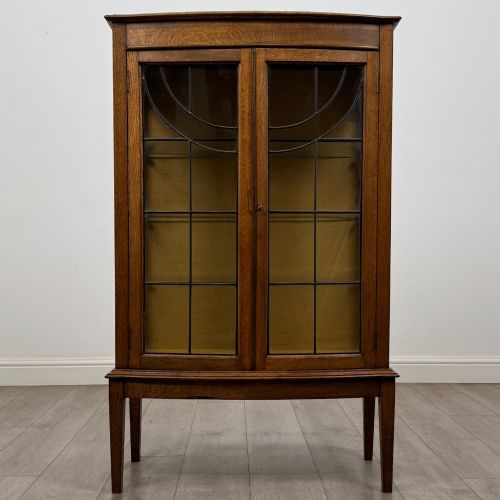
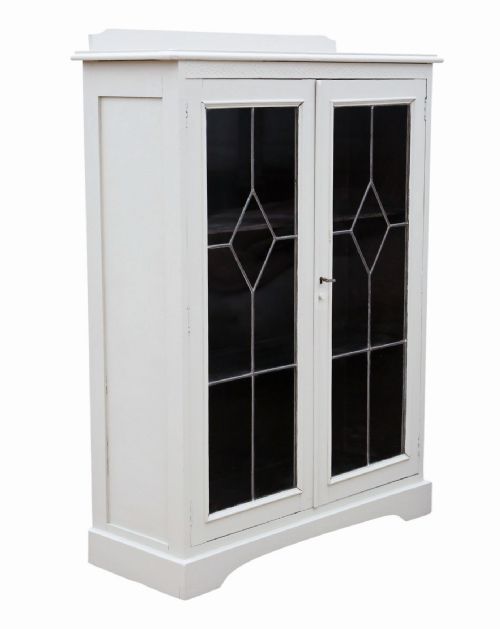
A leaded glass vitrine serves primarily as a display cabinet or bookcase to hold and exhibit collections behind glazed doors. When you search for this phrase, you encounter cabinet forms primarily spanning the nineteenth century through to the nineteen-thirties.
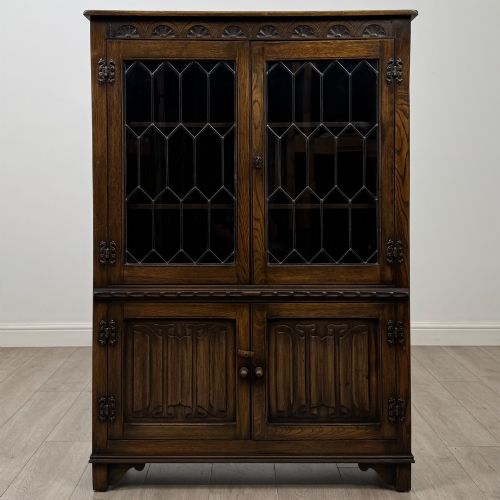
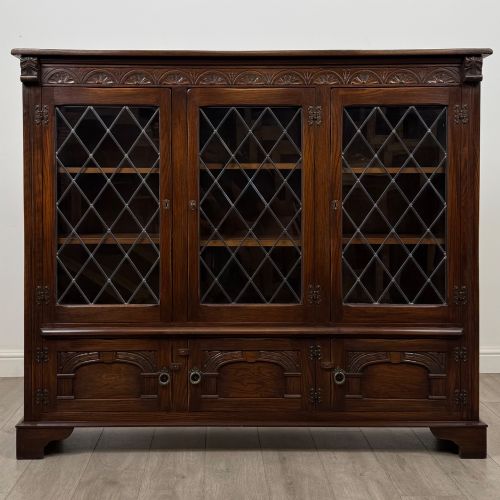
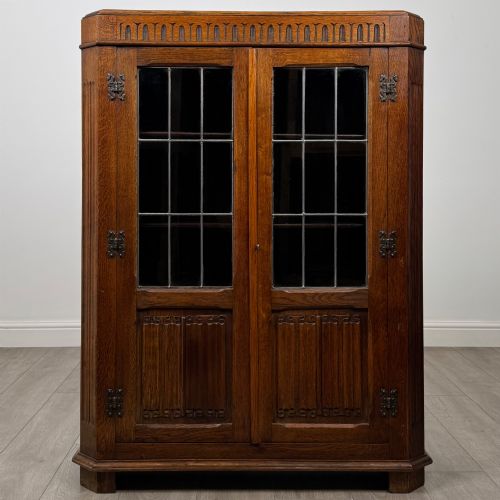
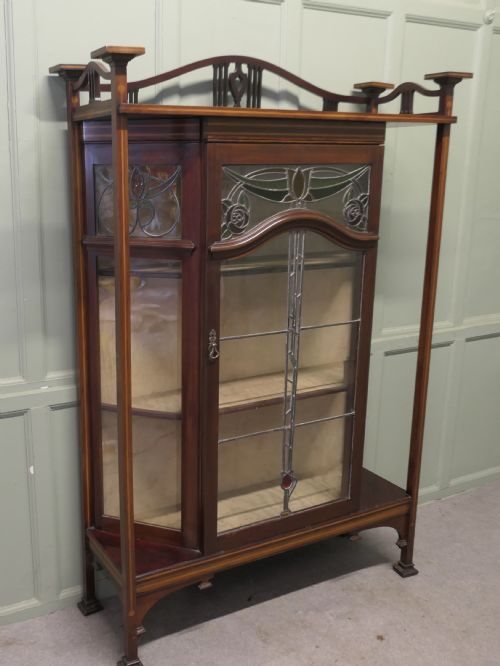
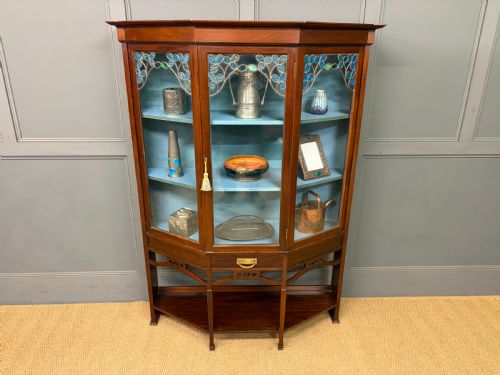
The pieces on this page lean heavily towards Edwardian and Art Nouveau aesthetics, alongside later Art Deco iterations. Mahogany and oak dominate the construction, providing sturdy timber frames for intricate leaded glass panels.
Materials and construction
Cabinet makers utilised dense hardwoods such as mahogany and oak, often enriching surfaces with marquetry inlay or carved details. Lead cames secure individual panes of glass into decorative patterns across the doors and panels.
Brass fittings frequently secure the doors, while internal fabric linings occasionally provide a contrasting backdrop for displayed objects. Iron hardware is also visible in structural elements across specific period examples.
Listings feature cabinets spanning from the nineteenth century through the Edwardian era and into Art Deco decades, utilising mahogany, oak, and stained glass.
Assessing craftsmanship
The standard of timber selection and the precision of the joinery dictate the tier of a cabinet. Elaborate marquetry work and refined carving elevate certain pieces above simpler, utilitarian storage forms.
The intricacy of the leaded glass design and the integration of stylistic elements, such as Art Nouveau curves or Jacobean Revival mouldings, mark the distinction between standard production and finer studio outputs.
Shapland and Petter
The Leaded Glass Vitrine Glossary
- Vitrines
- Glass-fronted cabinets designed specifically for the display of curiosities, china, and books. They protect contents from dust while offering maximum visibility.
- Lead cames
- Slender rods of cast lead with an H-shaped profile used to join individual pieces of glass together in a window or cabinet door. They allow for complex geometric or figurative designs.
- Marquetry
- The art and craft of applying decorative veneer pieces to a structure to form intricate designs and pictures. It appears frequently on mahogany cabinet panels.
- Jacobean Revival
- A style of architecture and furniture popular in the late nineteenth and early twentieth centuries that imitated seventeenth-century English motifs. It utilises heavy carved oak forms.
- Linenfold
- A style of wood carving that imitates folded parchment or linen, often seen on early twentieth-century oak cabinet doors.
Leaded Glass Vitrine: Frequently Asked Questions
What is a leaded glass vitrine used for?
These cabinets were originally designed to protect and display delicate ceramics, books, and treasured curiosities in domestic drawing rooms and libraries. The glazed doors kept dust away while allowing owners to exhibit their collections to visitors.
Today, they serve the exact same purpose in modern homes. Their enclosed shelving makes them practical for storing glassware and books while adding period character to a room.
How do I date a glass display cabinet?
Dating relies heavily on observing the prevailing style, timber choices, and decorative motifs used in the construction. Pieces displaying inlaid mahogany and slender proportions typically point to the Edwardian era or the Art Nouveau period around nineteen hundred.
Later pieces from the nineteen-twenties and nineteen-thirties introduce walnut veneers and geometric Art Deco lines. Examining the interior fittings and construction methods helps narrow down the exact decade of manufacture.
Are these cabinets made of solid wood?
Many of the cabinets feature solid oak or mahogany frames, particularly in structural uprights and carved sections. However, secondary timbers and decorative veneers were commonly applied to large flat surfaces like door panels.
This technique prevented warping and allowed craftsmen to create striking patterns using exotic wood grains. Marquetry panels specifically rely on thin veneer layers applied to a stable core.
How do I care for an antique cabinet?
Maintaining these pieces requires keeping them away from direct sunlight and severe humidity fluctuations to protect the timber and veneers. Regular dusting with a dry cloth keeps the wood and leaded glass clean without risking moisture damage.
Care should be taken when moving the cabinets due to the weight of the glass panels and timber frames. Polishing should be done sparingly using appropriate wax finishes designed for antique hardwoods.