



Edwardian Leaded Glass Vitrine
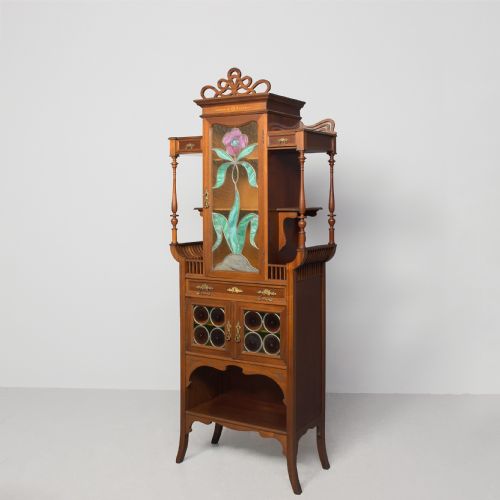
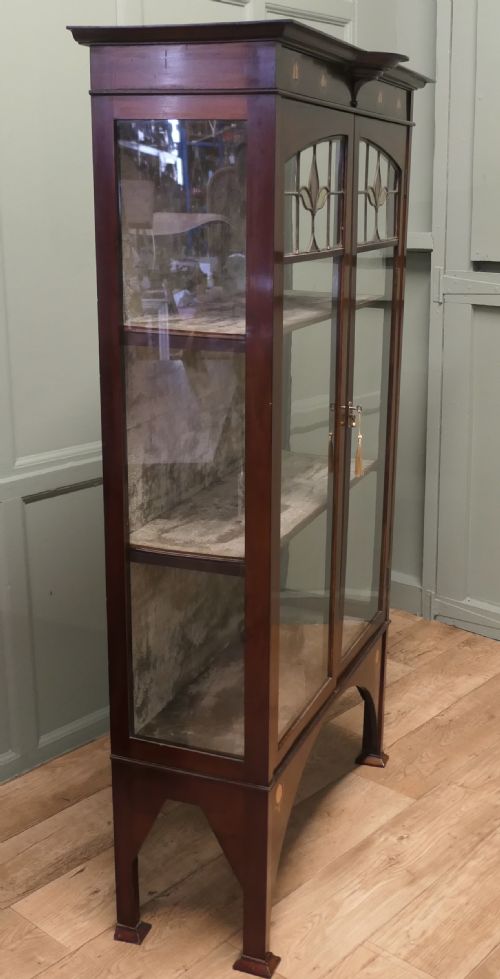
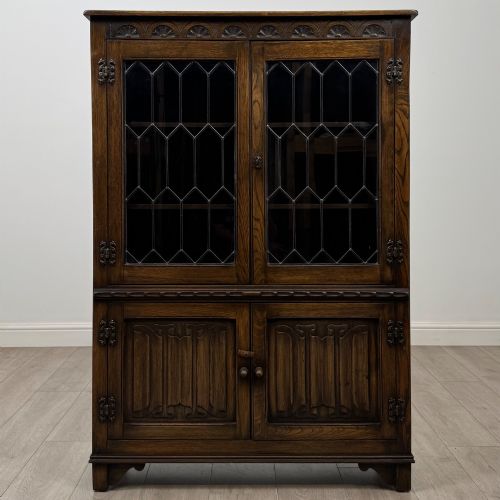
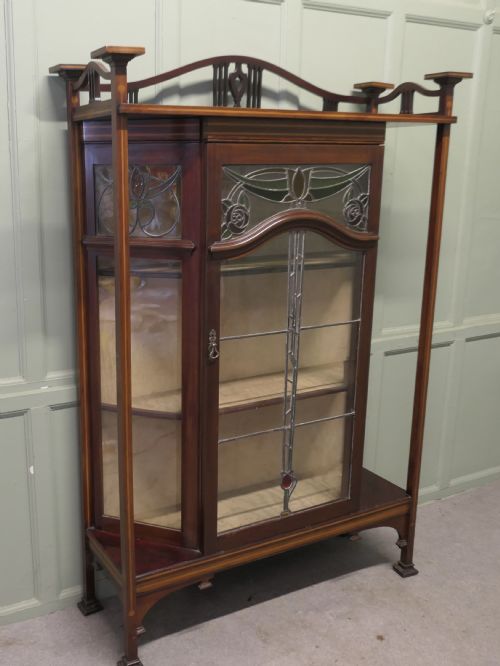
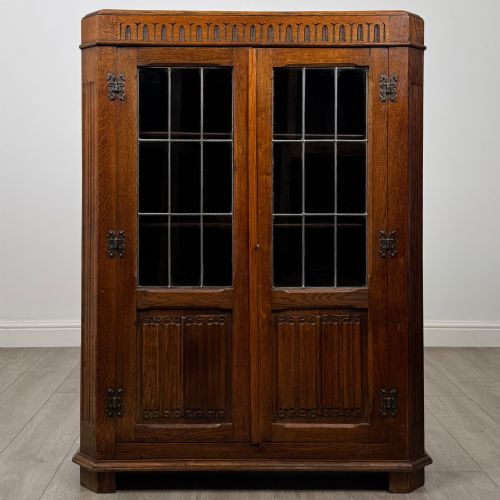
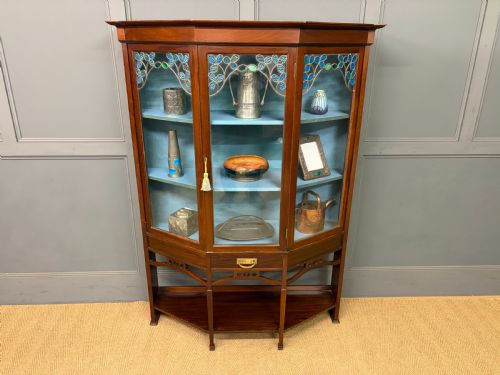
These Edwardian leaded glass vitrine pieces are display cabinets framed in mahogany and oak, sought after for holding china and curios.
Edwardian Leaded Glass Vitrine
An Edwardian leaded glass vitrine is essentially a display cabinet designed to showcase porcelain and decorative objects within a domestic interior. When you search for this phrase, you encounter pieces that span the late nineteenth century through to the early decades of the twentieth century. The examples on this page predominantly reflect the Edwardian era, alongside pieces styled in the Art Nouveau and Arts and Crafts traditions.
Most items on this page are constructed from mahogany, occasionally utilising oak as the primary timber. These display cabinets often feature inlaid decoration, including fruitwood inlay and marquetry work, which aligns them closely with the aesthetic movements of their period. The form serves primarily to protect delicate tableware and decorative items while making them fully visible through glazed doors.
How they were made
Cabinet makers constructed these pieces using solid timbers and veneers, predominantly mahogany and oak, joined with traditional joinery techniques appropriate to the period. The glazing incorporates lead cames to hold small panes of glass securely within the door frames.
Surface ornamentation relies on fruitwood inlay and marquetry, alongside delicate brass hardware for handles and escutcheons. Interior spaces occasionally incorporate fabric linings behind the shelving to create a contrasting backdrop for displayed items.
Edwardian Leaded Glass Vitrine Retail Price Guide 2026
Typical asking prices for edwardian leaded glass vitrine among the pieces listed under this phrase on Sellingantiques today, from the lower quarter to the upper quarter. They describe what is for sale here now, not the wider market.
Listings feature mahogany and oak timbers, incorporating stained glass, lead, and fruitwood inlay across various Edwardian and Arts and Crafts forms.
What varies in quality
The sophistication of the fruitwood inlay and marquetry work marks the primary division between standard production and finer examples. Pieces associated with notable design workshops exhibit greater refinement in their carving and overall proportion.
The selection of timber grain and the precision of the leaded glass assembly further distinguish better examples from simpler utility furniture. Retaining original brass fittings and undamaged glazing panels preserves the integrity of the piece.
Shapland and Petter
The Edwardian Leaded Glass Vitrine Glossary
- Vitrine
- A glass display cabinet used primarily for showing porcelain, silver, and small curiosities. These pieces rely on extensive glazing to maximise visibility.
- Lead cames
- Slender rods of cast lead with an H-shaped profile used to join individual panes of glass together in windows and cabinet doors. They allow for intricate geometric or organic patterns.
- Marquetry
- Decorative veneer work arranged in pictorial or ornamental patterns using various tinted woods. This technique requires considerable skill to cut and fit the pieces tightly.
- Art Nouveau
- A style popular around nineteen hundred characterised by flowing, organic lines and floral motifs. Furniture from this movement often incorporates stylised natural forms.
- Arts and Crafts
- A design movement valuing handcraftsmanship and simple construction over mass production. Pieces from this tradition emphasise the natural qualities of the timber.
Edwardian Leaded Glass Vitrine: Frequently Asked Questions
What is an Edwardian leaded glass vitrine?
An Edwardian leaded glass vitrine is a glazed display cabinet intended for domestic rooms to hold china and decorative collections. These pieces combine timber frames with leaded glass doors.
They date from the late nineteenth and early twentieth centuries, frequently featuring inlaid wood details influenced by contemporary design movements.
How do you date an Edwardian vitrine?
Dating relies on examining the timber species, construction methods, and stylistic cues such as Art Nouveau or Arts and Crafts influence. Hardware and joinery styles also help establish the decade of manufacture.
Most pieces date between eighteen ninety and nineteen ten, drawing on the aesthetics prevalent during the Edwardian period.
What woods were used in these cabinets?
Cabinet makers primarily employed mahogany and oak for the main structure and exterior surfaces. Fruitwood inlay was frequently added to create contrasting decorative patterns.
Fabric linings were sometimes utilised inside the cabinet to provide a neutral background for displayed ceramics and glassware.
How should I clean a leaded glass cabinet?
Maintenance involves dusting the timber surfaces with a soft, dry cloth and avoiding harsh chemical polishes that might damage old finishes. Glass panels require gentle cleaning with a mild solution.
Care should be taken around the lead cames to prevent bending the soft metal strips holding the glass panes in place.