



Lead Glass Sweetmeat Dish
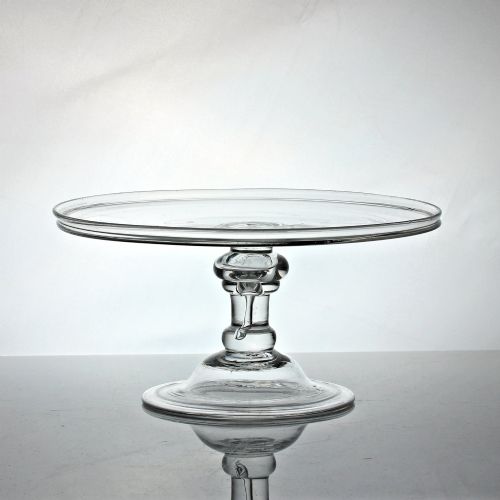
A lead glass sweetmeat dish is a heavy table centrepiece for sugar-plums and comfits, prized for its brilliant metal and crisp handling.
Lead Glass Sweetmeat Dish
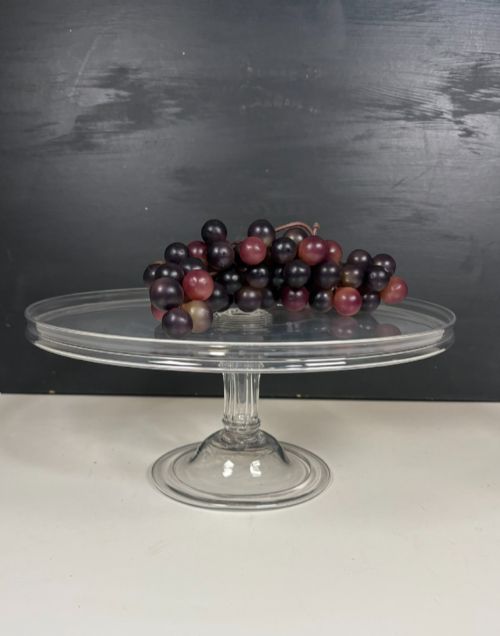
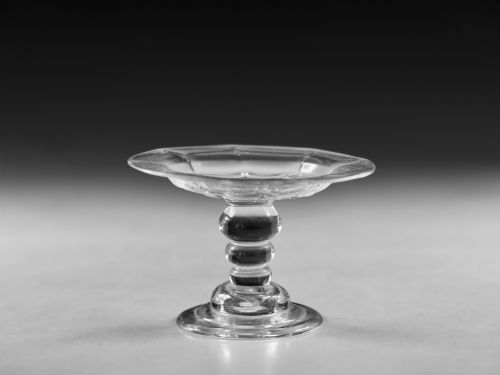
A lead glass sweetmeat dish serves sweet confabulations and preserves on the Georgian table, taking the form of a small footed tazza, bowl, or patch stand. When searching for a lead glass sweetmeat dish, you encounter pieces spanning the eighteenth century, including George II and Regency examples.
The objects on offer include baluster sweetmeats with triple-knop stems, rib-moulded small sweetmeat glasses, and honeycomb moulded miniature patch stands. These serveware items range from miniature stands to large tazze and ice plates.
Forms often feature terraced feet and clear lead crystal or flint glass fabrics. You will mostly meet eighteenth-century Georgian specimens designed for aristocratic and middle-class dining.
How they were made
Maker-hands shaped these vessels from heavy lead glass and flint glass while hot on the iron, sometimes blowing them into moulds to achieve honeycomb patterns and rib-moulding. The metal relies on lead oxide for its dense refractive weight and clear resonance.
Stems were fashioned separately or drawn from the bowl, incorporating opaque twists or baluster knops before being joined to terraced or folded feet. Surface detail often arose from direct cutting or moulding rather than applied ornament.
The listings on this site span the eighteenth and nineteenth centuries, featuring lead crystal, clear glass, and enamel materials.
What varies in quality
Quality rests in the crispness of the moulding and the proportion between bowl, stem, and foot. A sharper honeycomb facet or a cleaner drawn baluster stem elevates a piece above softer, duller contemporaries.
The brilliance of the lead crystal metal itself dictates visual success, where clarity and absence of heavy clouding reveal the maker's skill. Proportions that feel heavy or clumsy separate lower-tier utility items from finer cabinet pieces.
The Lead Glass Sweetmeat Dish Glossary
- Sweetmeat glass
- A stemmed vessel with a wide, shallow bowl used for serving dried fruits, nuts, and sweet confections. These pieces often feature tiered rims and elaborate stems.
- Patch stand
- A diminutive flat-topped dish used to hold cosmetic beauty patches worn on the face during the Georgian era. They share identical glassmaking techniques with sweetmeat dishes.
- Tazza
- A small decorative dish or shallow bowl raised on a high foot or stem. This form provides height and prominence on the dining table.
- Baluster stem
- A heavy, turned stem resembling an architectural baluster, typical of early eighteenth-century drinking glasses and sweetmeats. It gives substantial weight to the lower portion of the object.
- Opaque twist
- A decorative technique inside the glass stem where white or coloured enamel rods are twisted through the clear metal. This method creates fine threaded patterns within the glass.
Lead Glass Sweetmeat Dish: Frequently Asked Questions
What was a sweetmeat dish used for?
These dishes held sugary preserves, dried fruits, nuts, and sweetmeats served at the conclusion of a formal meal. Diners partook of these luxuries as part of the dessert course.
They stood upon the table as functional display pieces, showcasing the host's wealth through the clarity and brilliance of the lead glass metal.
How do I date an 18th-century sweetmeat dish?
Dating relies on observing stem construction, foot forms, and the presence of rib-moulding or baluster knops. Early pieces often feature heavy baluster stems and terraced feet.
Later eighteenth-century examples shift towards lighter forms, cut glass decoration, and opaque twist stems. Comparing the weight and metal helps narrow the decade of manufacture.
Are patch stands the same as sweetmeat dishes?
Patch stands are smaller, flatter dishes specifically intended to hold small silk cosmetic patches rather than food. They were kept on dressing tables and reception rooms.
Despite their different function, glassmakers produced them using identical lead metal, moulding techniques, and stem forms as small sweetmeat dishes.