


Antique Glass Sweetmeat Stand
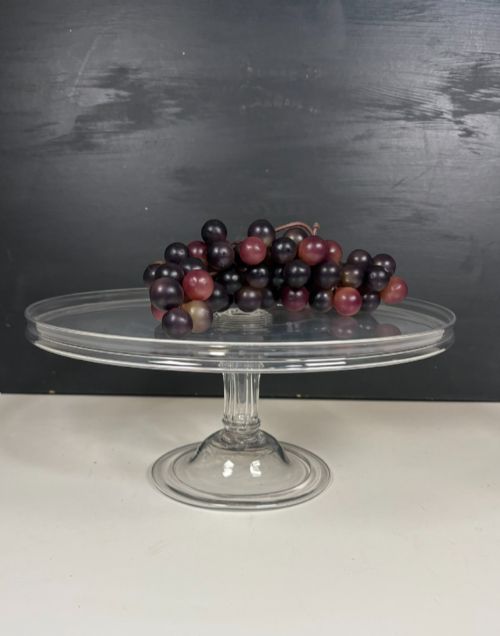
These antique glass sweetmeat stand options are pedestal servers for confectionery, offering period elegance for your table display.
Antique Glass Sweetmeat Stand
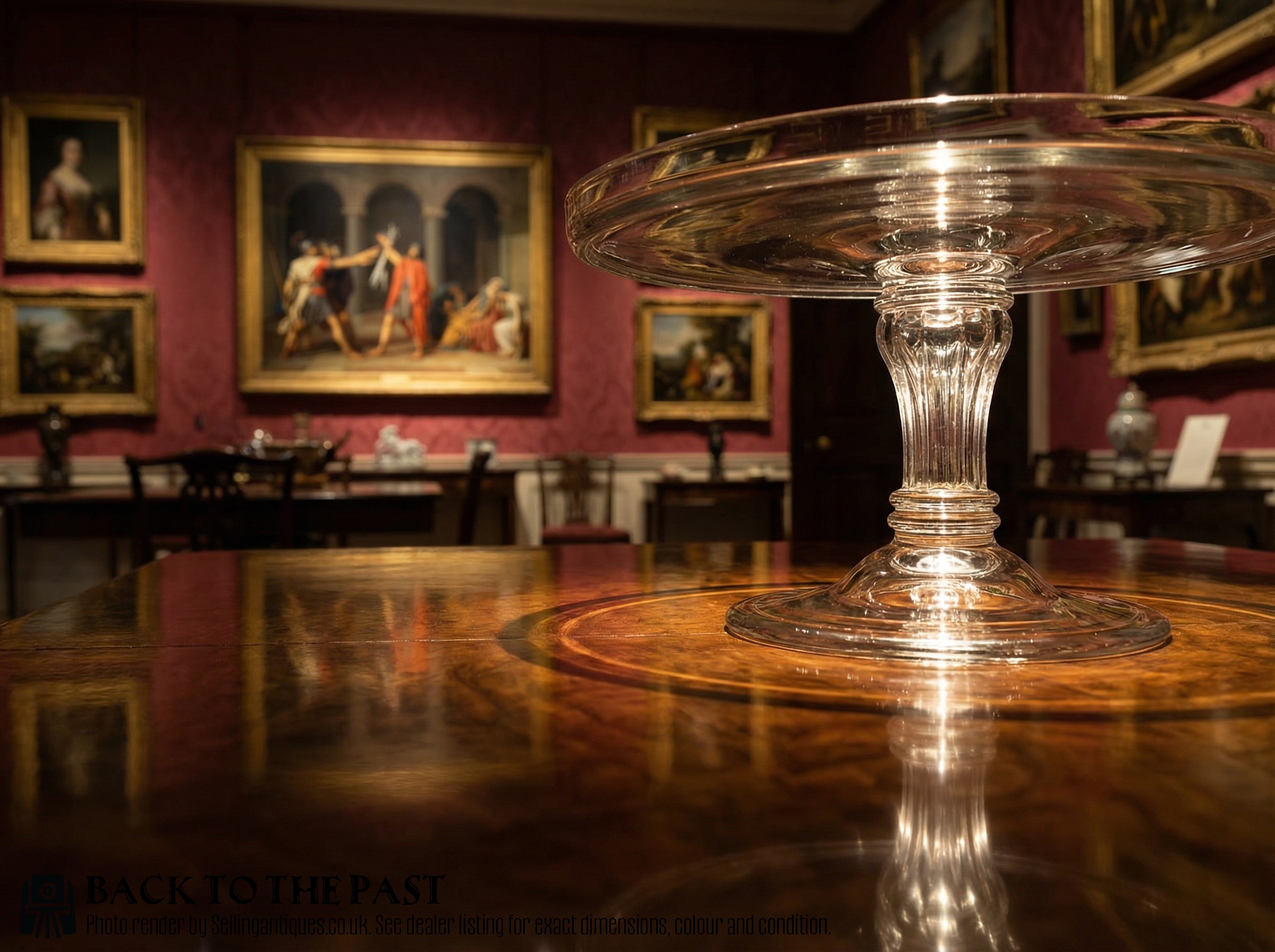
When you search for an antique glass sweetmeat stand, you encounter elevated server forms designed for sweet confections and small dainties. The selection spans distinct periods including Georgian, Victorian, and Edwardian eras, reflecting changing dining habits over centuries.
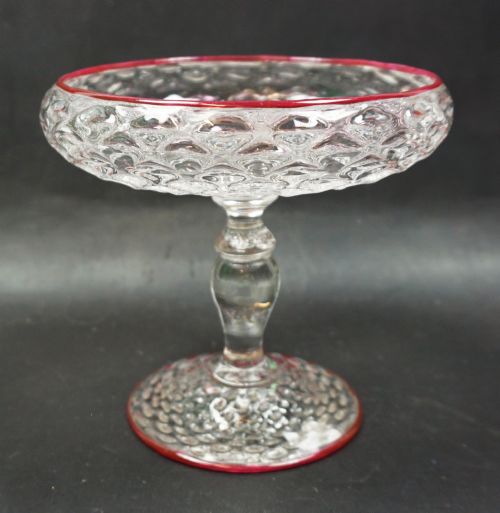
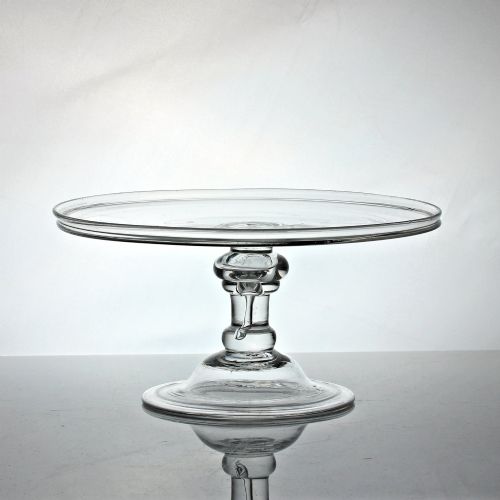
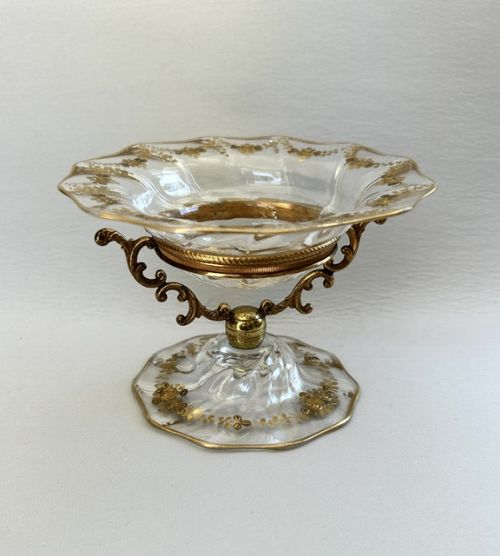
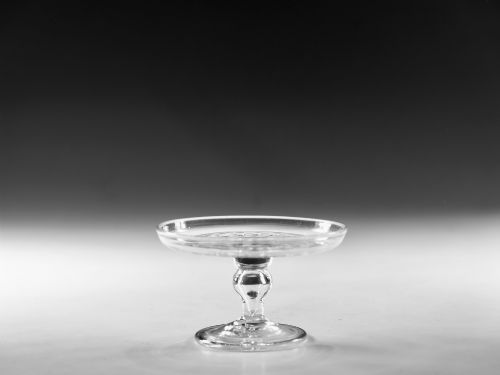
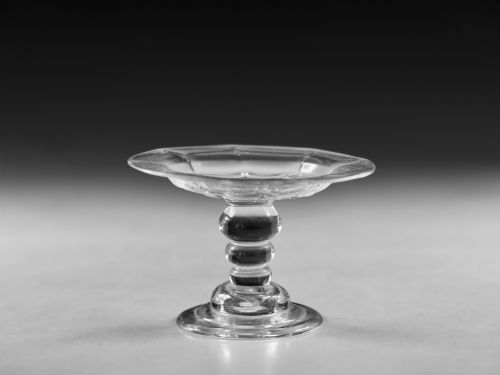
The primary forms on this page include tazzas, patch stands, and bonbon dishes set in metal mounts. These pieces range from modest miniature patch stands to large serving tazzas utilised for display.
Origins represented in the current inventory draw largely upon English craftsmanship alongside French decorative items. You will find pieces shaped with rib-moulding, honeycomb patterns, and double heart arrangements.
Materials and construction methods
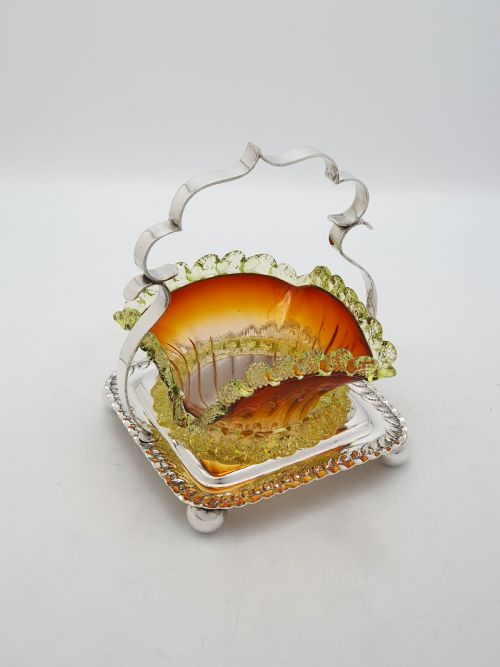
The objects are constructed predominantly from clear glass, lead crystal, and coloured glass paired with supportive mountings of silver plate, ormolu, and gilt metal. Glass components utilise moulding and baluster stem techniques.
Moulded decoration such as honeycomb patterns and ribbing provide texture to the glass bowls and dishes. Metal stands incorporate gilding and applied decorative motifs like grapevine details and red cane work.
Some miniature stands were originally designed to hold tiny pieces of black silk used as facial beauty spots.
Distinctions in craftsmanship and design
Quality varies through the crispness of moulded glass details and the proportional balance of baluster stems and terraced feet. Superior examples display sharp pattern definition and clear metal-to-glass integration.
The complexity of the form and the quality of supplementary materials such as ormolu or silver plate differentiate standard serveware from finer decorative presentation pieces.
The Antique Glass Sweetmeat Stand Glossary
- Sweetmeat stand
- A raised dish or tazza designed for serving sweet delicacies, nuts, and small confections at the table.
- Tazza
- A shallow bowl or plate mounted on a central foot or pedestal, frequently utilised for serving sweetmeats.
- Patch stand
- A small pedestal dish historically used to hold cosmetic patches, appearing in miniature 18th-century forms.
- Baluster
- A moulded glass stem shape characterised by swelling contours resembling a traditional architectural baluster.
- Ormolu
- Finely ground high-carat gold cast and chased onto a bronze or metal base, seen on French stands.
- Honeycomb moulding
- A raised hexagonal pattern pressed into the surface of glassware to catch the light.
Antique Glass Sweetmeat Stand: Frequently Asked Questions
What were sweetmeat stands used for?
These stands served sweet confections, dried fruits, and comfits during formal dining and dessert courses.
They elevated delicacies above the table surface for easy access and visual display.
How do I date a glass tazza?
Dating relies on examining the manufacturing technique, glass metal composition, and stem formation.
Georgian pieces often feature baluster stems and heavier lead metal, whereas later Victorian examples utilise varied coloured glass and silver plated mounts.
Are patch stands different from sweetmeat stands?
Patch stands are significantly smaller pedestal dishes originally intended for cosmetic beauty patches rather than food.
They share similar form characteristics with miniature sweetmeat glasses from the eighteenth century.
How should I display these stands?
Display them on stable cabinet shelves or dining surfaces away from high traffic areas to protect delicate glass stems.
Ensure placement avoids direct sunlight which can affect coloured and gilded glass over time.