


Georgian Pedestal Glass Dish
These georgian pedestal glass dish pieces are elevated vessels of brilliant clarity and substance, offering a tangible connection to eighteenth-century dining tables.
Georgian Pedestal Glass Dish
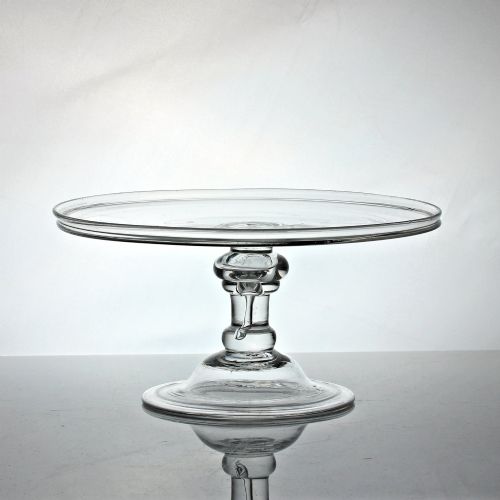
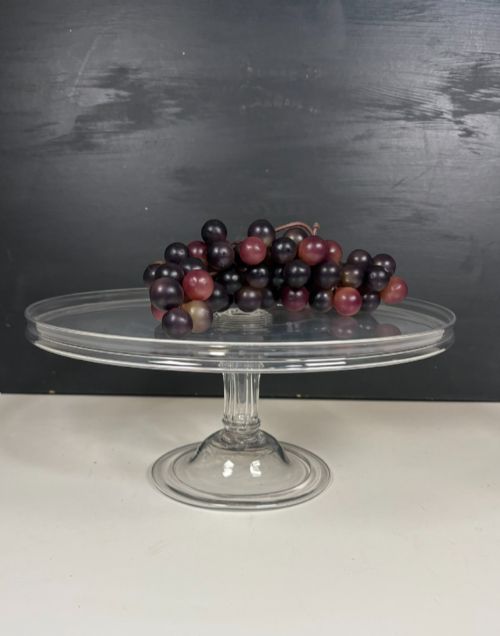
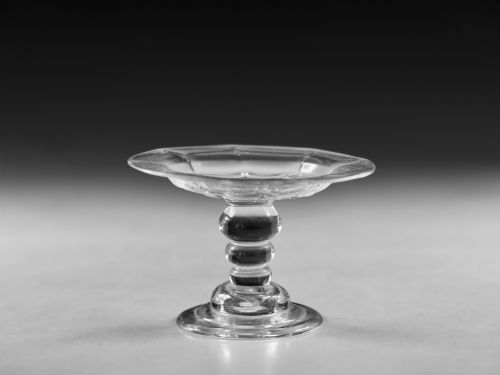
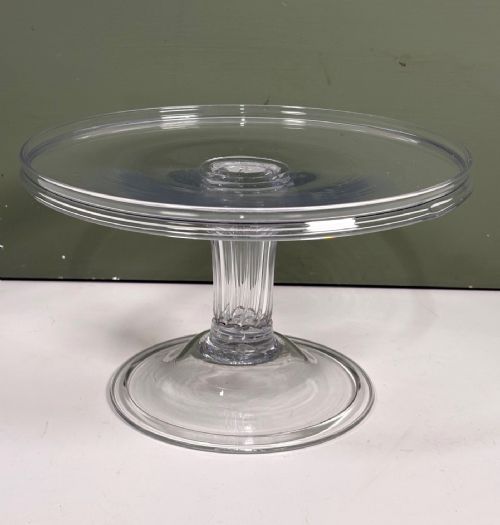
A georgian pedestal glass dish encompasses elevated serving vessels, tazzas, patch stands, and footed bowls originating from the eighteenth century and around 1800. These pieces sit upon distinct stems or feet, serving as display vessels for sweetmeats, fruit, or small patches.
The version most commonly encountered on this page is the glass tazza or patch stand, often spanning smaller diameters like the miniature examples or extending into larger serving forms. They stem from periods including Early Georgian, George II, and the broader Georgian era.
Forms vary from circular plates on pedestals to oval fruit bowls and ribbed sweetmeat glasses, occasionally rendered in cobalt glass or clear lead crystal. Each object demonstrates the distinctive proportions and weight characteristic of early British glassware.
Materials and construction methods
Makers utilised heavy lead glass and lead crystal, which provided the substantial weight and refractive brilliance observed in these vessels. This formulation allowed artisans to achieve deep clarity and durable structures.
Techniques relied upon mould-blowing and wheel-cutting, producing decorative surface patterns such as honeycomb moulding and rib-moulding. Craftsmen shaped these vessels by hand, resulting in subtle individual variations across stems, feet, and rims.
Listings feature lead glass, lead crystal, and cobalt glass shaped into tazzas, patch stands, and oval fruit bowls from the eighteenth century.
Assessing quality in pedestal glassware
Quality rests upon the crispness of the cut or moulded decoration, where sharply defined honeycombs or ribs indicate superior control by the glassmaker. The depth and brilliance of the lead crystal further distinguish finer examples from simpler utilitarian wares.
Proportion and metal quality dictate the visual impact of the piece, with clear, unblemished metal and balanced pedestal stems commanding greater admiration. Early examples display hand-finished pontil marks and subtle surface undulations that evidence period production methods.
The Georgian Pedestal Glass Dish Glossary
- Tazza
- A shallow pedestal plate or dish used for serving sweetmeats or fruit during formal eighteenth-century dining.
- Patch stand
- A tiny pedestal dish originally utilised to hold cosmetic patches worn on the face by fashionable society.
- Lead crystal
- A high-clarity glass containing lead oxide, providing increased weight, durability, and refractive brilliance.
- Honeycomb moulded
- A surface decoration featuring a repeating pattern of hexagonal indentations produced by blowing glass into a specific mould.
- Sweetmeat glass
- A small footed vessel designed specifically for holding delicate confectioneries, nuts, or preserves.
Georgian Pedestal Glass Dish: Frequently Asked Questions
What were pedestal glass dishes used for?
These elevated vessels served sweetmeats, fruits, and small confectioneries during eighteenth-century dining and dessert courses.
Smaller examples functioned as patch stands to hold cosmetic facial patches used during the Georgian period.
How do I date a Georgian glass dish?
Dating relies upon stylistic markers, pontil marks, metal weight, and specific moulding techniques like honeycomb or rib patterns.
Earlier pieces often feature heavier lead crystal and distinct hand-formed pedestal stems compared to later nineteenth-century equivalents.
How should I clean antique glass?
Clean these pieces gently using warm water and mild soap, avoiding harsh chemicals or modern dishwashers.
Dry them immediately with a soft, lint-free cloth to preserve the clarity and surface finish of the old lead crystal.
Where were these glass dishes made?
Production primarily took place in British glasshouses during the eighteenth century and around the turn of the nineteenth century.
Certain pieces also originated from Irish glassworks, which were renowned for producing heavy, high-clarity turnover bowls and tazzas.