



Flint Glass Tazza
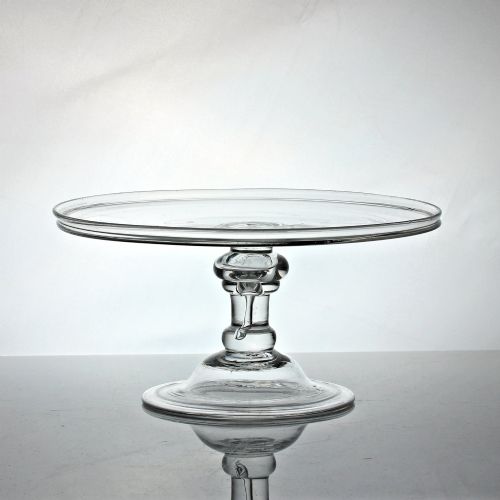
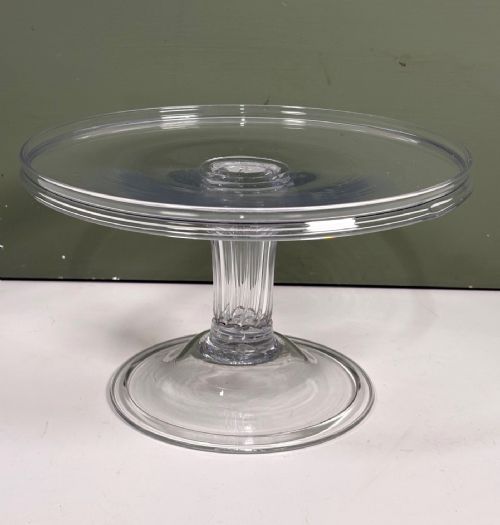
These flint glass tazza pieces are heavy, brilliant serveware items from the Georgian era, prized for their clear metal and grand proportions on the table.
Flint Glass Tazza
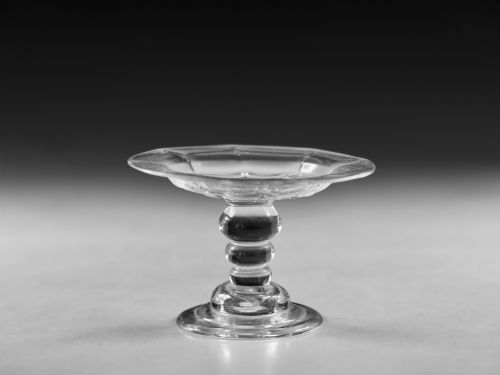
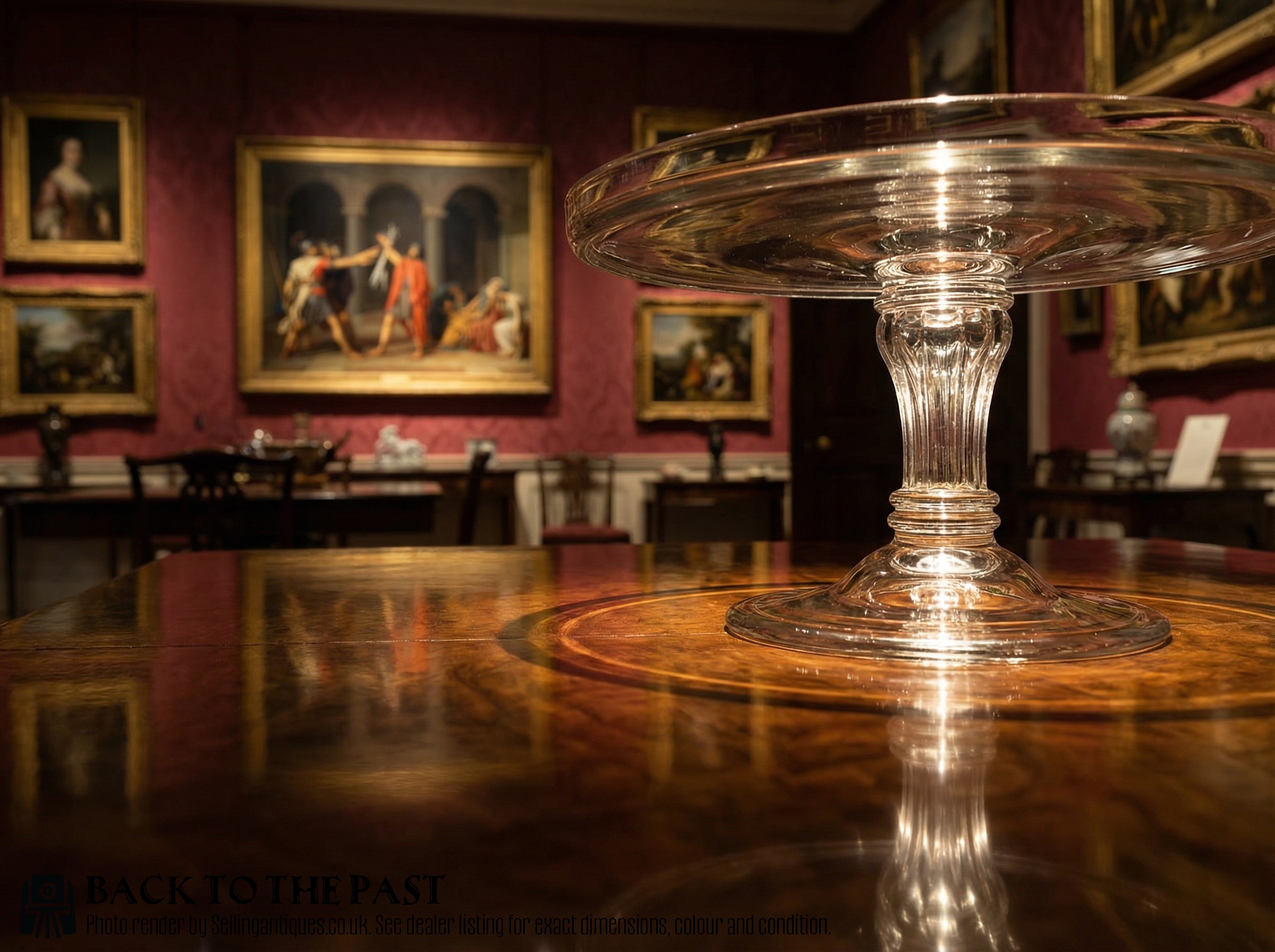
A flint glass tazza is an elevated circular dish on a stem, designed for serving small sweetmeats or patches in the eighteenth century. You are most likely to meet Georgian examples on this page, including baluster tazzas and miniature patch stands from the seventeen-thirties and forties.
The forms span from small sweetmeat glasses and patch stands to very large crystal specimens with spreading folded feet. These serving pieces reflect the domestic habits of early Georgian dining tables, where height and clarity mattered.
English makers from the eighteenth century dominate these listings, ranging from the George II period through to the early nineteenth century. Each piece carries the characteristic weight and presence associated with lead crystal of that era.
How they were made
These pieces are fashioned from heavy lead glass and clear flint crystal, melted in glasshouses and manipulated while hot. Makers formed the plates and stems separately before joining them into a cohesive serving vessel.
Moulding techniques appear in specific items, such as the honeycomb patterns pressed into miniature patch stands during the seventeen-forties. Finishing often involved folding the rim of the foot back on itself to create a stable, rounded edge.
Listings feature lead glass and clear crystal materials across the eighteenth and early nineteenth centuries, with a strong concentration of George II baluster forms.
What varies in quality
Quality rests in the brilliance of the metal and the crispness of the mould work on the stem and foot. Superior examples display clear, heavy lead crystal without excessive clouding or distracting impurities.
Proportion and form dictate the desirability of a piece, especially in baluster stems and folded feet. A well-balanced silhouette and a clean, wide footprint elevate an ordinary serveware item into a notable specimen.
The Flint Glass Tazza Glossary
- Tazza
- A shallow saucer or bowl raised on a stem and foot, used for serving food. These pieces form the centrepiece of early Georgian glassware collections.
- Patch stand
- A miniature tazza specifically used for holding cosmetic beauty patches worn in the eighteenth century. They frequently feature moulded decoration.
- Baluster
- A thick, turned stem resembling an architectural pillar, common on glassware from the seventeenth and eighteenth centuries. This form gives weight and grip to the object.
- Lead glass
- Heavy glass containing lead oxide, known for its high refractive index and clarity. It forms the primary material for English flint glass items.
- Folded foot
- A base edge turned under while the metal is hot to form a stronger rim. This technique adds stability to large crystal tazzas.
Flint Glass Tazza: Frequently Asked Questions
What is a flint glass tazza used for?
These vessels served sweetmeats, confectionery, or small cosmetic patches on wealthy tables during the eighteenth century. Their elevated design kept delicate foods distinct and visible among other tableware.
Today, collectors appreciate them primarily as display pieces or for serving small items at formal gatherings. Their robust lead crystal construction makes them surprisingly durable for careful modern use.
How do I date an 18th century tazza?
Dating relies heavily on stem forms, foot styles, and the specific characteristics of the metal. Baluster stems and folded feet strongly indicate the early Georgian period, typically around seventeen-thirty to seventeen-fifty.
Later examples from the nineteenth century tend to show different proportions and heavier, less resonant metal. Comparing the weight and optical clarity helps separate early pieces from later reproductions.
What is the difference between a tazza and a patch stand?
A tazza is generally a larger serving dish intended for sweets or fruit on the dining table. A patch stand is a miniature version designed to hold small silk face patches.
Both share the same raised foot and plate construction, but patch stands are noticeably smaller and sometimes feature moulded honeycomb patterns on the surface.