




Lead Crystal Vessel
When you search for a lead crystal vessel, you are looking at heavy, refractive table glass shaped into decanters, rammers, bowls and stems from the eighteenth century onwards.
Lead Crystal Vessel
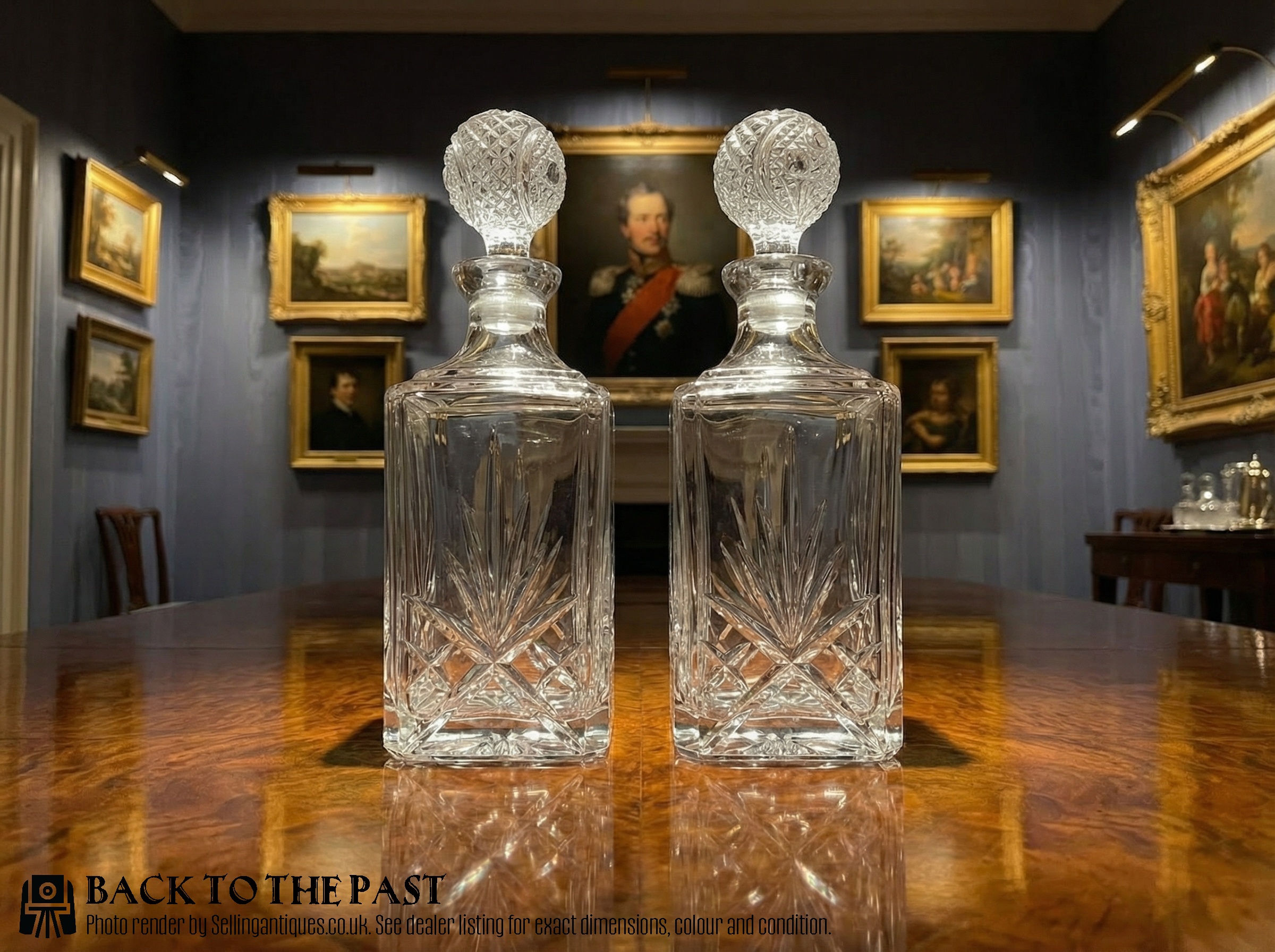
A lead crystal vessel spans drinking glasses, serving bowls, decanters and vases produced across the Georgian, Regency, Victorian and Edwardian periods. The material provides a distinct weight and clarity that sets these hollowware and stemware pieces apart from ordinary soda glass.
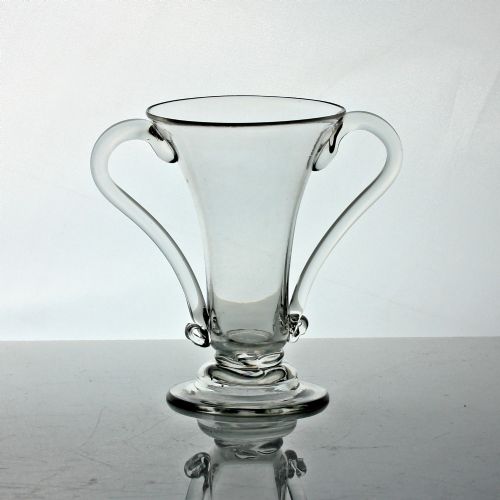
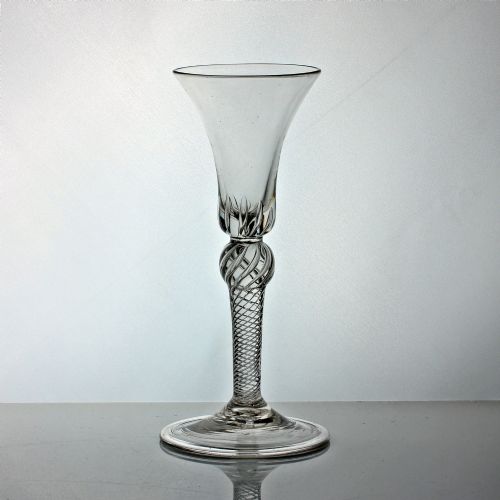
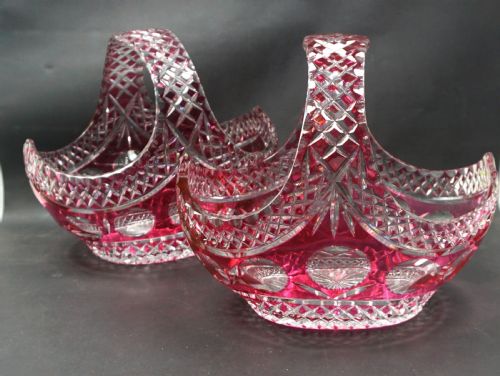
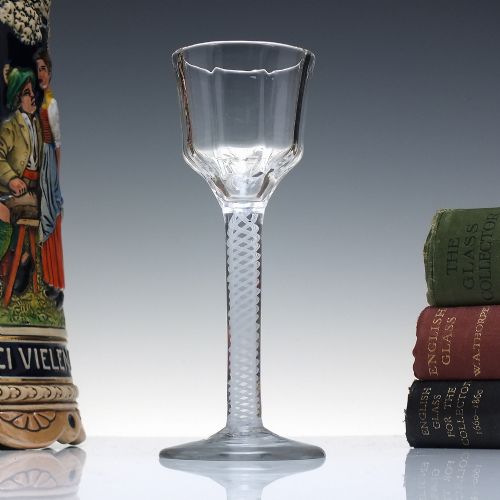
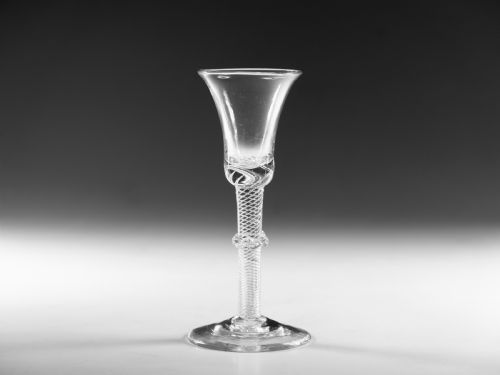
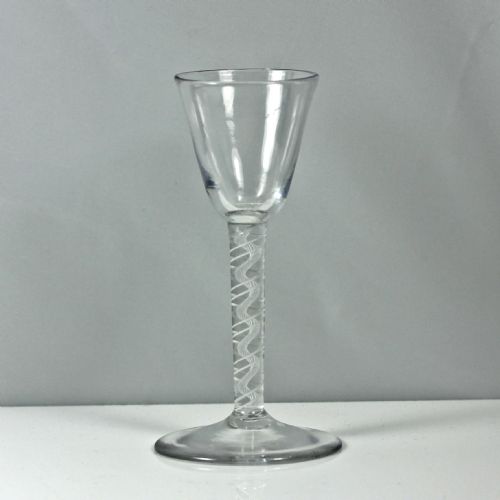
You will most frequently meet eighteenth-century wine glasses featuring air or opaque twists, alongside nineteenth-century decanters and rammers with heavy cut facets. Domestic drinking vessels dominate the selection, accompanied by celery vases, preserve pots and decorative baskets.
What varies in quality
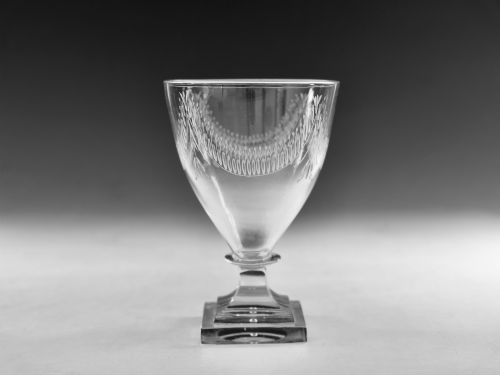
The precision of the wheel-cut facets and the depth of the engraving separate standard production from superior examples. Crisp edges on flutes and diamonds indicate skilled hand-cutting rather than hurried moulding.
The purity and colour of the metal itself dictate merit, with top-tier pieces showing minimal seed bubbles or cloudiness in the lead crystal. Proportions in stemware and balance in heavy decanters also mark the distinction between ordinary domestic wares and masterwork items.
Materials recorded across the inventory include cased glass, flint glass, opaque twist stems and deeply engraved lead crystal tableware.
Val St. Lambert·Charles Graffart·Asprey & Co.
The Lead Crystal Vessel Glossary
- Rummer
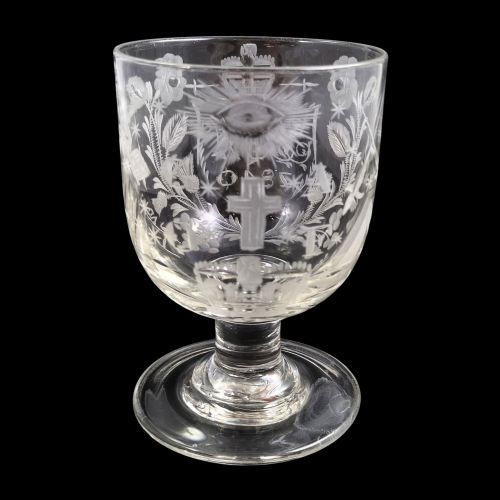
- A heavy-bowled drinking glass common in the Georgian and Regency periods. These vessels usually sit on a short stem and sturdy foot.
- Opaque twist
- A form of stem decoration where white or coloured enamel glass rods are twisted inside clear metal. This technique defines many mid-eighteenth-century wine glasses.
- Cased glass
- A method where a layer of coloured glass is fused over a clear lead crystal body. Subsequent cutting exposes the contrasting layers beneath.
- Baluster
- A thick, swelling stem form reminiscent of architectural pillars found on early eighteenth-century drinking vessels. They often feature knops and collar rings.
- Intaglio
- A method of engraving where the design is ground into the surface of the vessel rather than raised in relief. It produces a soft, sunken motif across the glass.
Lead Crystal Vessel: Frequently Asked Questions
How do I identify a Georgian wine glass?
Georgian wine glasses usually exhibit heavy lead metal with characteristic greyish tones and smooth, rounded pontil marks on the underside of the foot. Their stems often display air twists, opaque twists or baluster formations rather than modern machine-drawn shapes.
Examination under natural light reveals the high refractive index unique to lead crystal formulas of that era. Proportions tend to be smaller and more substantial in hand feel than later Victorian equivalents.
What is a rummer glass used for?
Rummers served as robust drinking vessels for ale, cider or punch during the late eighteenth and nineteenth centuries. Their generous bowl capacities suited hearty daily toasts and communal gatherings.
Due to their thick walls and sturdy bases, these vessels survived regular use on dining tables and tavern counters alike. Today they function well for serving casual drinks or displaying as cabinet specimens.
Why do some decanters have three rings?
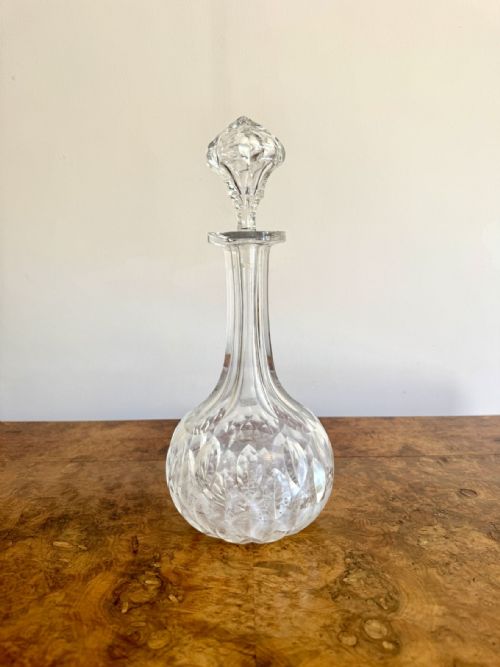
The three neck rings on Regency and Victorian decanters provided a secure grip for pouring when hands were wet or greasy during dinner service. They also served as decorative framing below the stopper.
These characteristic bands were applied hot and hand-tooled during the final stages of blowing the decanter body. Their presence helps date utility vessels to the early nineteenth century.