

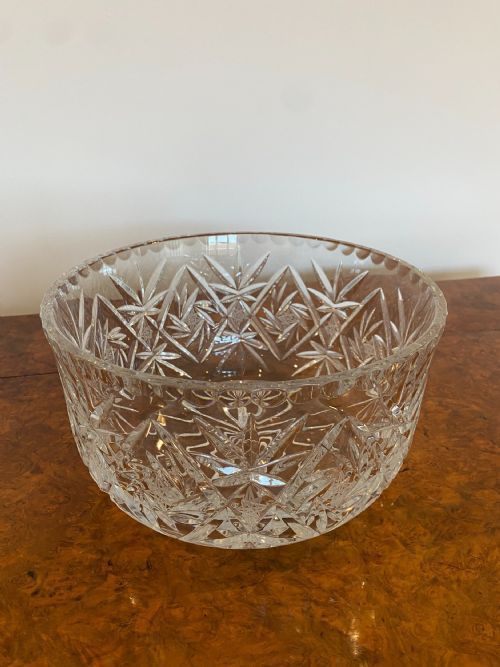
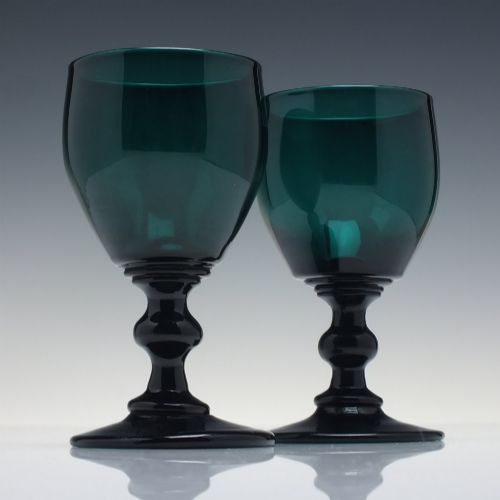
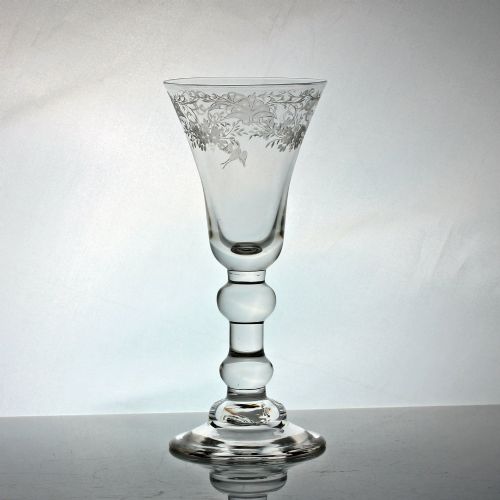
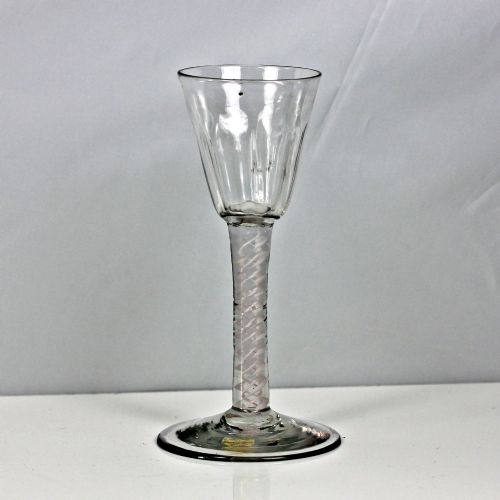
Lead Crystal Glass Bowl
When you handle a lead crystal glass bowl, you feel the substantial weight and see the sharp refractive facets shaped by generations of glassmakers.
Lead Crystal Glass Bowl
A lead crystal glass bowl encompasses heavy tableware and display vessels produced across several centuries, originating primarily in British and European workshops.
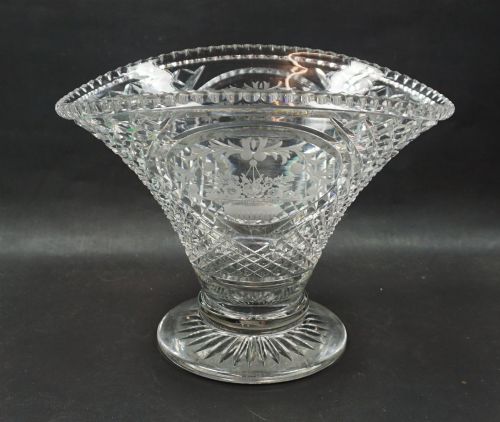
You are most likely to encounter Victorian and Edwardian cut glass fruit bowls, alongside Georgian standing bowls and pedestal forms recorded in the listings.
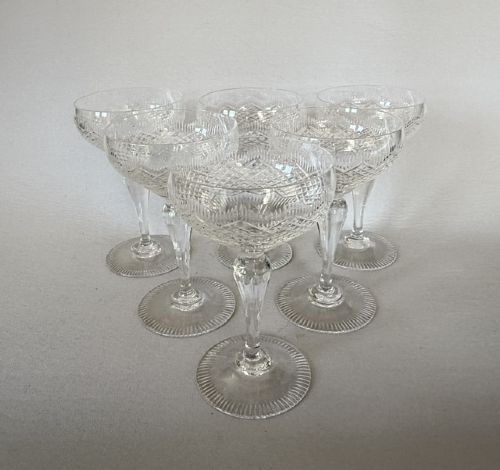
The selection ranges from large centrepieces intended for display to smaller domestic dishes fashioned with panel cutting, fluting, and engraving.
How they were made
Glassmakers combined silica, potash, and lead oxide to produce a heavy metal glass capable of deep, crisp cutting and superior light refraction.
Artisans shaped vessels either by hand-blowing molten metal into moulds or free-blowing, later applying wheel-cutting and engraving techniques to create decorative patterns.
Lead Crystal Glass Bowl Retail Price Guide 2026
Typical asking prices for lead crystal glass bowl among the pieces listed under this phrase on Sellingantiques today, from the lower quarter to the upper quarter. They describe what is for sale here now, not the wider market.
Listings feature lead crystal and cut glass vessels spanning the eighteenth, nineteenth, and early twentieth centuries.
What varies in quality
The clarity of the material and the crispness of the wheel-cut facets dictate the visual distinction between standard vessels and exceptional examples.
Depth of engraving, stability of the foot, and proportion within the stem and bowl structure separate basic utility items from superior decorative forms.
Webb England·Val St Lambert
The Lead Crystal Glass Bowl Glossary
- Lead Crystal
- A heavy glass variety containing lead oxide, known for high refractive index and clarity.
- Cut Glass
- Glass decorated by holding the vessel against a rotating abrasive wheel to carve geometric patterns.
- Baluster
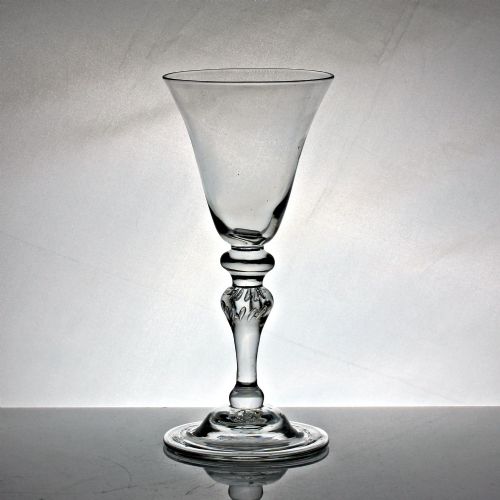
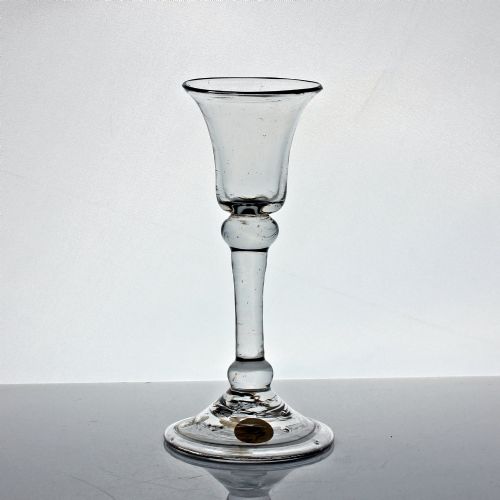
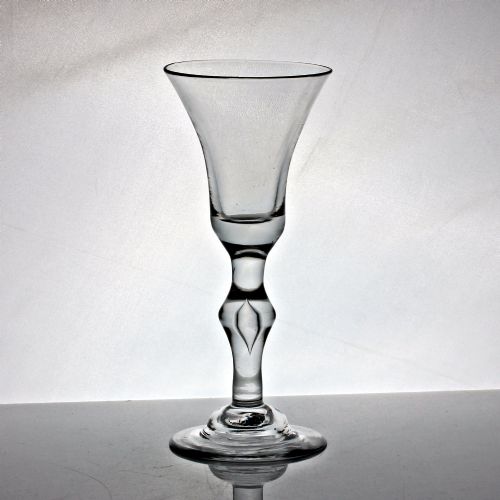
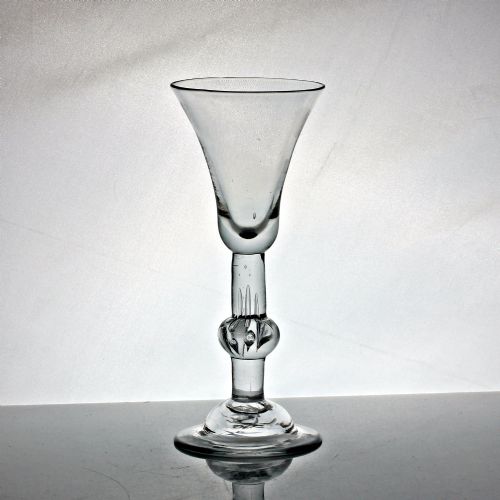
- A heavy, turned stem form resembling an architectural support, common in eighteenth-century drinking vessels.
- Air Twist
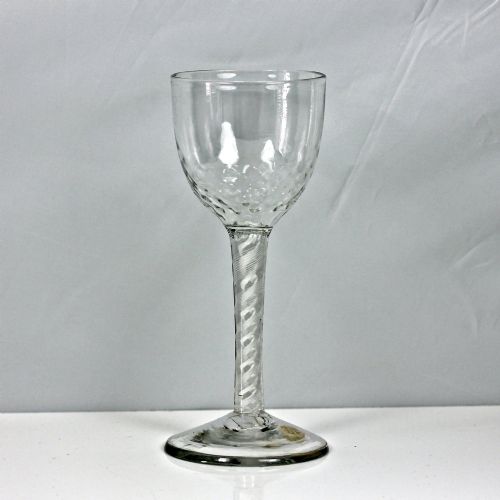
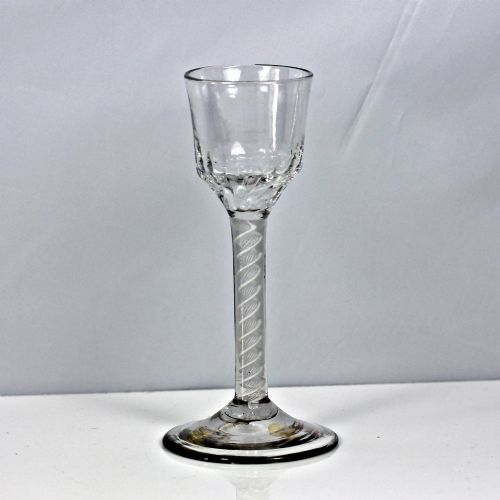
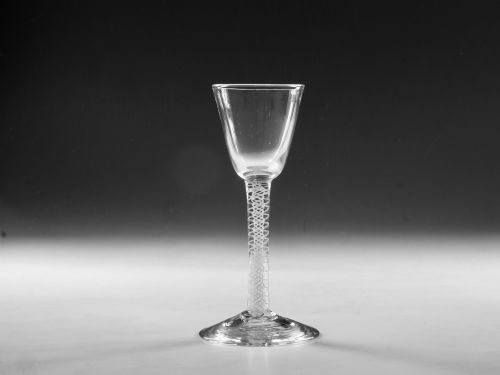
- A stem formation enclosing spiralling threads of air created during the glass-drawing process.
- Ogee Bowl
- An S-shaped profile curving outward at the rim and inward toward the base.
Lead Crystal Glass Bowl: Frequently Asked Questions
How do I identify an eighteenth-century bowl?
Eighteenth-century pieces typically display heavy lead glass composition, pontil marks on the base, and characteristic stem formations such as air twists or balusters.
Examine the weight and surface wear on the underside to confirm age and method of manufacture.
Can I use antique bowls for serving food?
Most antique lead crystal bowls tolerate regular use for dry goods or fruit, provided you avoid sudden temperature shifts.
Hand washing in tepid water preserves the historic surface and prevents chemical clouding in modern dishwashers.
Why do some bowls have a pontil mark?
A pontil mark forms where the iron rod attached to the vessel during hand-blowing was snapped off and ground flat.
Its presence indicates traditional handcrafting methods rather than modern machine production.