




Edwardian Crystal Table Bowl
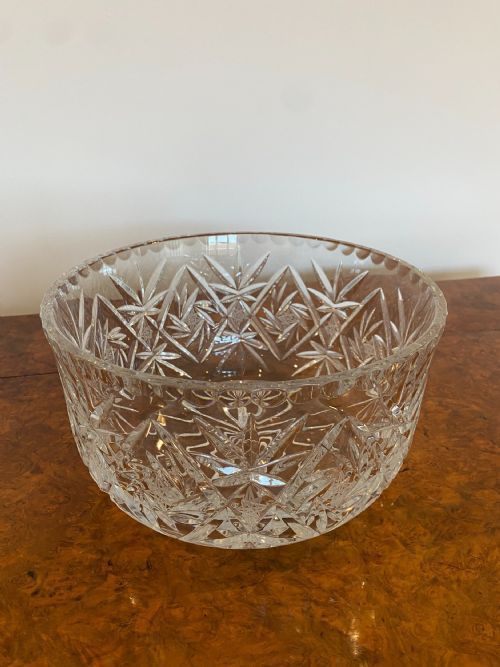
An Edwardian crystal table bowl brings bright cut glass and solid mounts to the dining table or dressing surface.
Edwardian Crystal Table Bowl
The search phrase edwardian crystal table bowl covers domestic glassware framed in silver or silver plate, spanning the early decades of the twentieth century alongside related periods. Pieces take the form of heavy fruit bowls, dressing table accessories, lidded trinket boxes, salt cellars, and sweet dishes.
On this page, a buyer most frequently meets cut glass vessels enhanced by silver rims, lids, or mounts. The range extends from substantial centrepieces down to small finger bowls and vanity jars.
Origins stretch from the late Victorian era through the Edwardian period into the early twentieth century, showing diverse forms shaped for practical display and personal use.
How they were made
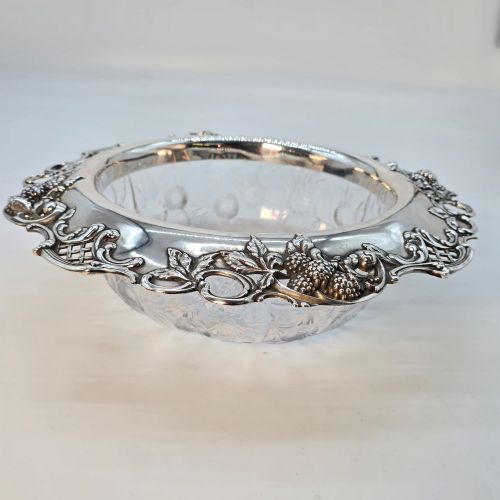
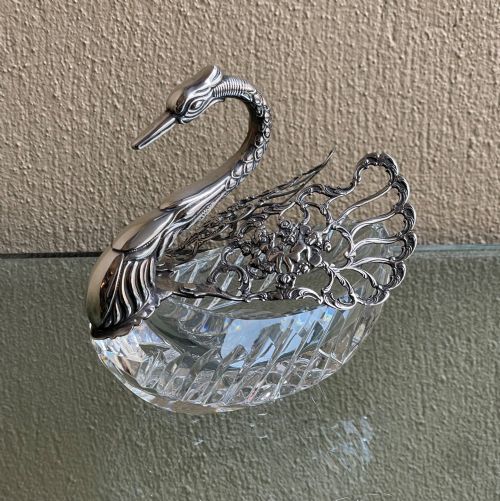
Makers shaped heavy lead crystal and cut glass through deep wheel-cutting and detailed engraving, producing sharp facets that catch the light. Vessels were then fitted with sterling silver, silver plate, or tortoiseshell mounts.
Metal components often carry hallmarks indicating standard silver fineness, while stone elements like Connemara marble appear in select lidded boxes alongside silverwork.
Edwardian Crystal Table Bowl Retail Price Guide 2026
Typical asking prices for edwardian crystal table bowl among the pieces listed under this phrase on Sellingantiques today, from the lower quarter to the upper quarter. They describe what is for sale here now, not the wider market.
Listings feature items spanning from 1880 through the Edwardian era into the 1960s, combining cut glass, sterling silver, and Connemara marble.
What varies in quality
Quality rests in the depth and crispness of the glass cutting, where sharper facets and heavier lead crystal create a brighter sparkle. The weight and thickness of the vessel dictate its substance on the table.
The standard of the metal mount separates standard production from finer work, seen in substantial silver lids, crisp hallmarks, and integrated materials like marble or tortoiseshell.
Tiffany & Co.
The Edwardian Crystal Table Bowl Glossary
- Cut glass
- Glass decorated by grinding facets and patterns into the surface using rotating wheels. This technique defines the sparkle of Edwardian table bowls.
- Silver plate
- A base metal coated with a thin layer of silver. Many dishes and baskets utilise this method to achieve a bright finish.
- Sterling silver
- An alloy containing a high proportion of pure silver combined with other metals for durability. Mounts and lids often bear hallmarks for this standard.
- Lead crystal
- Glass containing metal oxide that increases weight, clarity, and refractive brilliance. It forms the heavy body of many bowls and boxes on this page.
- Centrepiece
- A large decorative vessel placed in the middle of a table. These pieces serve as focal points for dining displays.
Edwardian Crystal Table Bowl: Frequently Asked Questions
What is an Edwardian crystal table bowl?
An Edwardian crystal table bowl is a decorative glass vessel, often featuring cut patterns and silver mounts, made around the early twentieth century.
These pieces were designed for serving fruit or sweets, or simply for display on dining tables and sideboards.
How were silver mounts attached to glass?
Silver rims and collars were typically secured directly to the glass necks or edges using specialised adhesives or tight mechanical fits.
This combination protected the glass rim from chipping while adding a polished metal finish to the vessel.
How do I clean cut crystal and silver?
Wash cut crystal in warm soapy water using a soft cloth, avoiding harsh abrasives that might scratch the facets or cloud the glass.
Polish silver mounts gently with a dedicated cloth, taking care to keep cleaning compounds away from the glass surface.
Can these bowls be used daily?
These bowls handle regular domestic use for serving food or holding small items, provided they are hand-washed rather than placed in a dishwasher.
Their sturdy lead crystal construction suits practical placement on dining tables and dressing surfaces.