




Late Victorian Wall Plate
A late victorian wall plate brings domestic display of the nineteenth century into focus through glazed pottery, painted porcelain, and metal chargers.

Late Victorian Wall Plate
A late victorian wall plate comprises decorative chargers, cabinet plates, and armorial pottery intended for interior display during the final decades of the nineteenth century. These objects bridge the gap between functional tableware and purely decorative wall art, often featuring hand-painted scenes or rich heraldic designs.
The selection here encompasses glazed pottery from Austrian and English kilns, alongside heavy silver-plated and hammered brass chargers. Examples range from reticulated Meissen porcelain depicting exotic birds to large Imari chargers produced around nineteen hundred.
Buyers encounter pieces spanning various revival styles, including Neoclassical, Rococo, and Adam revivals, alongside Japanese Meiji influences. The forms vary from standard circular plates to large chargers and hanging plaques meant to catch the light in a Victorian interior.
How they were made
Pottery and porcelain pieces utilise ceramic bodies finished with heavy glazes, vibrant enamels, or hand-painted details depicting birds, castles, and botanical motifs. Makers applied cobalt underglazes and polychrome enamels before firing, whilst porcelain plates often incorporated reticulated openwork borders.
Metal items rely on hand-hammered brass, repoussé copper, and silver plating over base metal substrates. Artisans worked sheet metal using traditional hammering techniques to create animal motifs and floral patterns across trays and wall plaques.
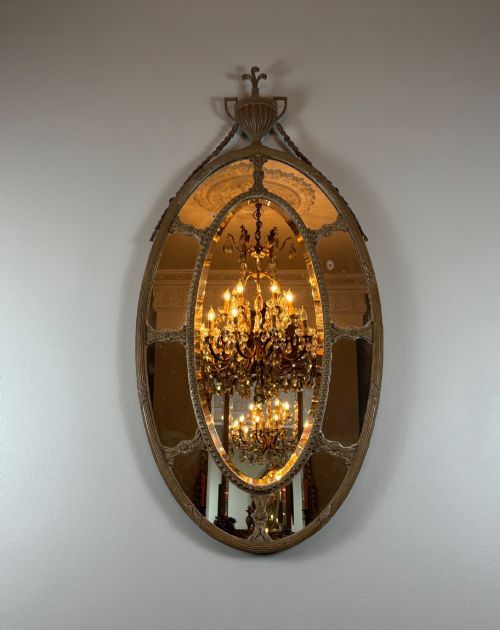
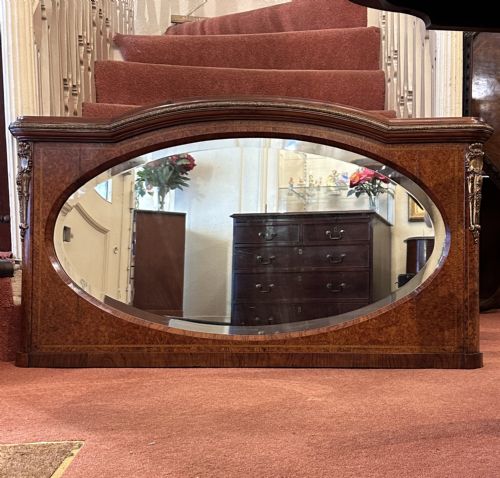
Framed wall plaques and mirrors employ carved gesso and giltwood structures, sometimes incorporating burr yew-wood veneers and ormolu mounts to frame the central ceramic or glass element.
Listings feature ceramics, glass, silver plate, copper, and gilt-gesso items spanning the eighteen seventies through to nineteen hundred.
What varies in quality
Quality rests upon the crispness of the hand-painting and the depth of the modelling in ceramic pieces, where finely detailed brushwork distinguishes factory output from standard domestic wares. The preservation of original enamels and gilding dictates the visual impact of porcelain and pottery chargers.
Metalwork quality shows in the precision of hand-hammered details and the thickness of the silver plating over the underlying brass or copper body. Substantial weight and clean repoussé definition separate superior metal plaques from simpler commercial stampings.
Meissen·Coalport
The Late Victorian Wall Plate Glossary
- Reticulated
- Pierced or openwork decoration cut into the rim of a ceramic plate before firing. This technique creates an intricate lace-like border around the central painted scene.
- Imari
- A style of Japanese porcelain exported widely to Europe, characterised by underglaze blue and iron-red designs heightened with gold. Nineteenth-century British and continental potteries frequently copied these bold patterns on chargers.
- Repoussé
- A metalworking technique where the artisan hammers the metal from the reverse side to form a raised design in relief on the front. It appears frequently on copper and brass wall plates.
- Majolica
- A type of earthenware coated with an opaque tin-lead glaze and painted with brightly coloured metallic oxides. Austrian and British potteries utilised this method for heavy decorative plates depicting natural subjects.
- Armorial
- Bearing a coat of arms or family crest. Armorial plates display heraldic symbols painted or moulded into the ceramic body for prominent display.
Late Victorian Wall Plate: Frequently Asked Questions
How were wall plates hung in Victorian homes?
Victorian households utilised specialised wire plate hangers or fitted small suspension loops directly to the backs of chargers and cabinet plates. These allowed heavy ceramic and metal pieces to be secured safely against drawing room walls.
Grouping several plates together in symmetrical arrangements was a common method of filling wall space above sideboards and mantelpieces.
What is the difference between a charger and a plate?
Chargers are significantly larger than standard dining plates, typically measuring well over thirty centimetres across. They were designed to dominate a wall display or sit beneath smaller tableware.
Standard cabinet plates measure closer to traditional dinner plate sizes and focus heavily on intricate painted scenes or reticulated rims.
How do I care for antique metal wall plates?
Silver-plated, brass, and copper wall plates require minimal cleaning to preserve their historic surface appearance. Dusting with a soft dry cloth is usually sufficient for regular maintenance.
Avoid abrasive metal polishes that can strip away thin silver plating or remove the desirable darker patination built up over a century.