


Late Victorian Server
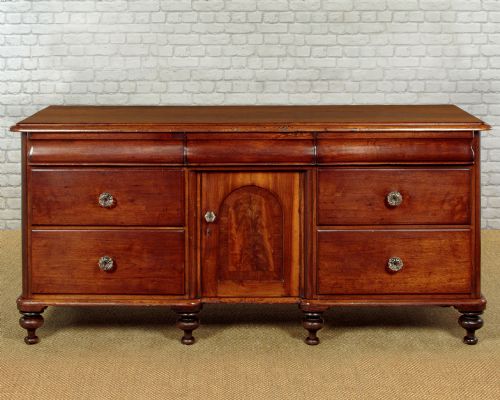
When you select a late victorian server, you choose a substantial dining room furnishing designed for food presentation and storage.
Late Victorian Server
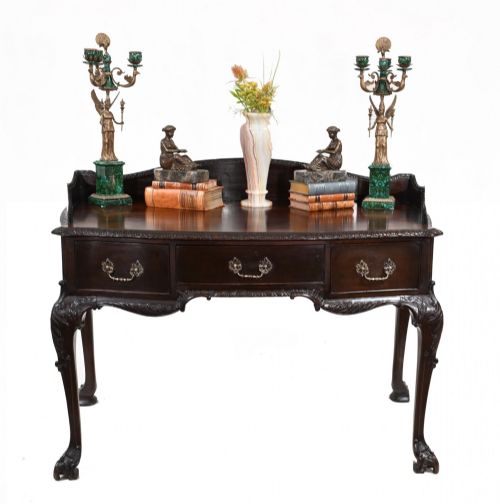
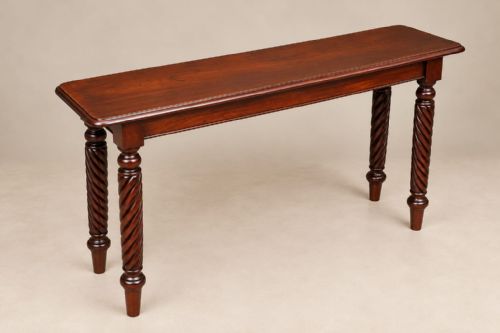
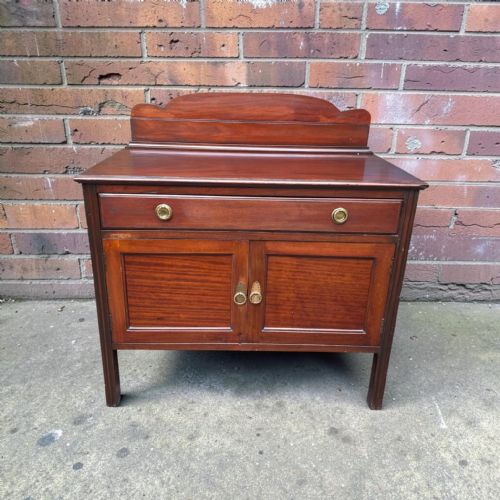
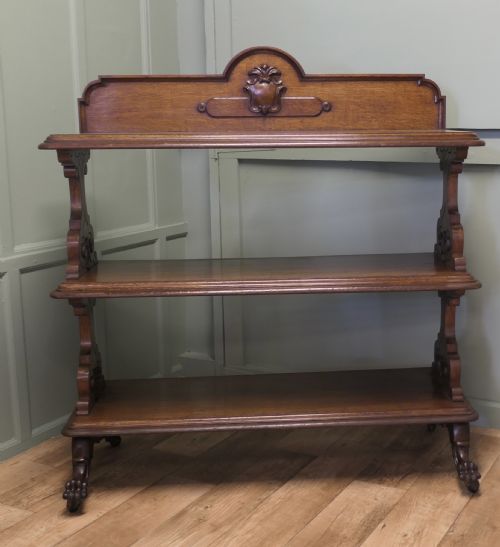
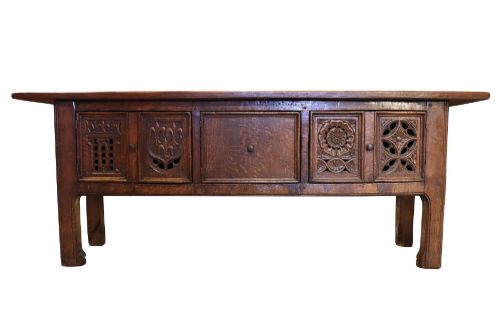
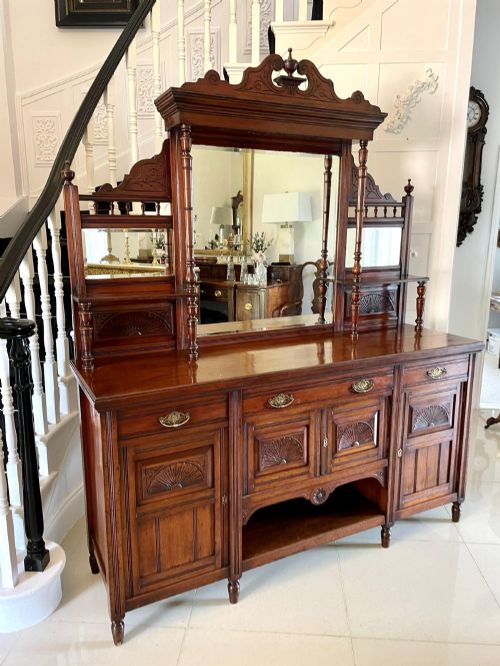
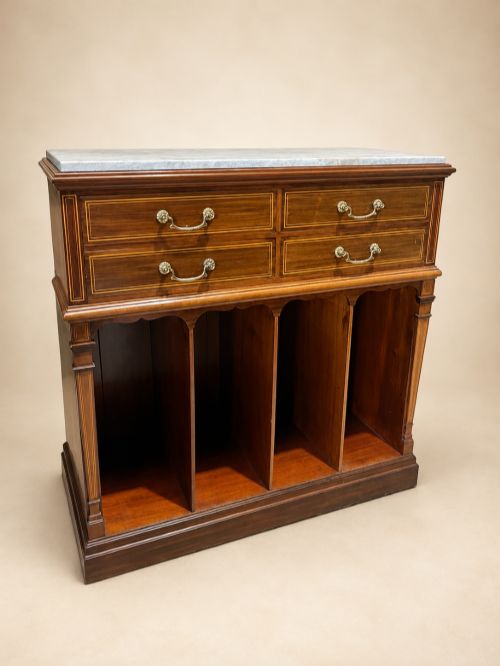
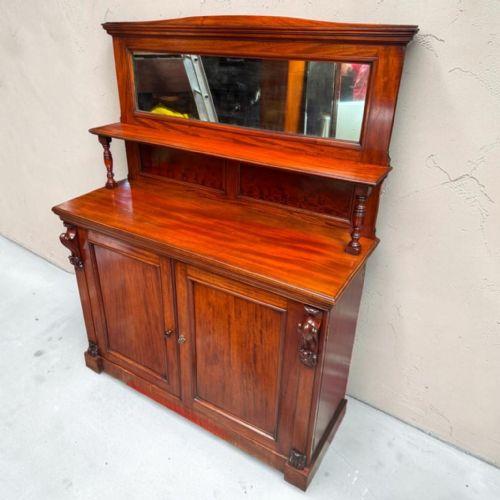
A late victorian server encompasses dining furniture such as sideboards, buffets, serving tables, and dresser bases produced during the final decades of the nineteenth century. These pieces emerge in styles ranging from plain utilitarian oak and pine country designs to ornate mirror back sideboards and Arts and Crafts creations.
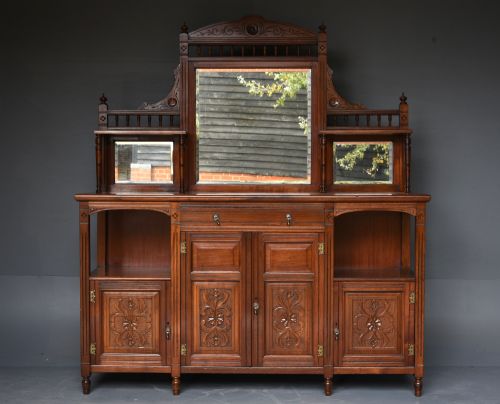
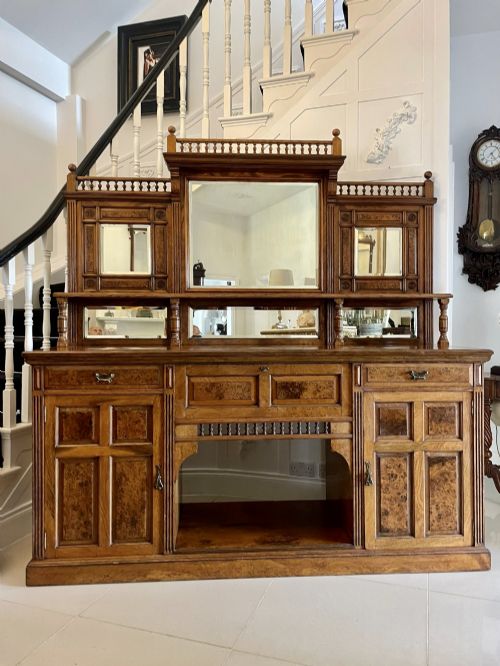
The dominant forms on this page include heavy oak buffets, mahogany serving tables, and fitted cabinets intended for domestic dining rooms. Many incorporate functional additions like pot shelves, cutlery drawers, and upper display mirrors characteristic of late nineteenth-century interior arrangements.
Materials and Construction
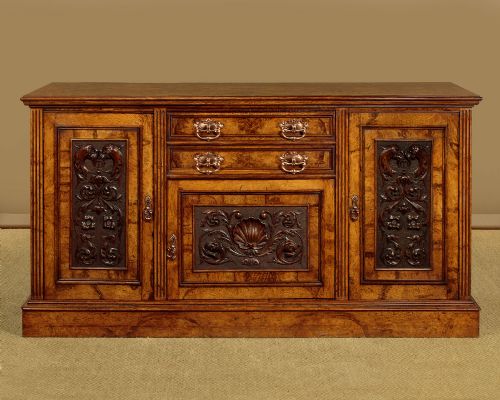
Makers utilised solid and veneered hardwoods, notably oak, walnut, and mahogany, alongside secondary timbers such as pine for internal framing and drawer construction. Surface decoration often relied on hand carving, applied mouldings, and contrasting timber inlays rather than complex structural alterations.
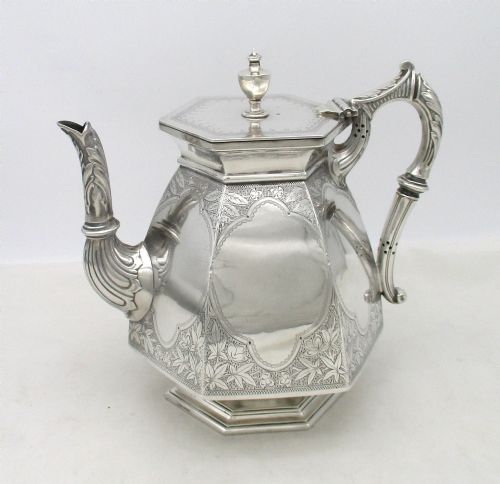
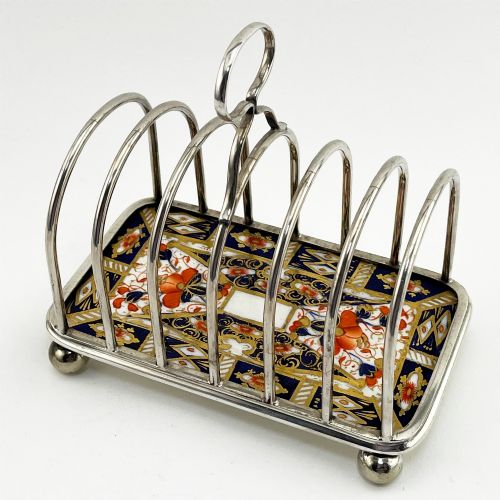
Metal and ceramic elements frequently accompanied these timber frames, seen in silver-plated mounts, brass hardware, and inset tile or stoneware components. Joinery techniques combined traditional dovetailed drawer construction with robust frame-and-panel assembly to support heavy dining plate and serving dishes.
Late Victorian Server Retail Price Guide 2026
Typical asking prices for late victorian server among the pieces listed under this phrase on Sellingantiques today, from the lower quarter to the upper quarter. They describe what is for sale here now, not the wider market.
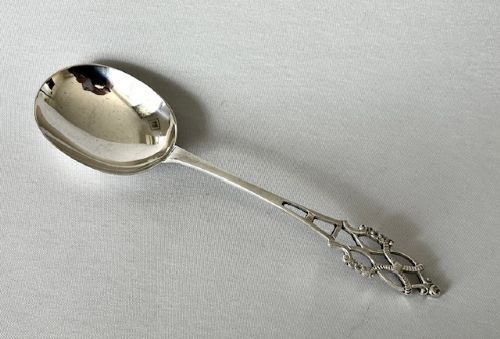
Several dining sets include specialised implements for serving fish, strawberries, and even sardines.
Distinctions in Standard
The calibre of a piece rests upon the selection of timber grain, the precision of carved ornamentation, and the originality of its hardware and mirror plates. Workshop attribution to known makers or documented firms elevates a piece above standard mass-produced domestic furniture.
Superior examples display balanced proportions, clean joinery without excessive repair, and harmonious integration of secondary materials such as marble tops or decorative ceramic inserts. Lower tiers often show simpler secondary timbers, plainer panel work, and replacement handles or fittings.
Liberty·Gillows·Walker and Hall·Doulton Burslem·Frank Butler·Horace Woodward And Co Ltd·Charles Boyton II·Thomas Forester And Sons·Alex Boyd And Son
The Late Victorian Server Glossary
- Sideboard
- A large dining room piece equipped with cupboards and drawers for storing tableware and serving food. These items form the core of dining room storage furniture.
- Buffer
- A heavy furnishing analogous to a sideboard, specifically utilised in larger Victorian households for plating meals before service. They frequently feature deep drawers and substantial timber shelving.
- Dresser base
- A lower kitchen or dining unit containing multiple drawers above open pot shelves or enclosed cupboards. This form derives from earlier vernacular domestic traditions.
- Mirror back
- An upright wooden frame fitted with a glass mirror attached to the rear surface of a sideboard or serving table. This addition reflected light and displayed decorative porcelain.
- Arts and Crafts
- A design movement prioritising honest construction, visible hand craftsmanship, and simple vernacular forms over excessive machine-made ornamentation. Pieces from this tradition avoid historicist revival motifs in favour of functional utility.
Late Victorian Server: Frequently Asked Questions
What is the difference between a sideboard and a server?
Sideboards generally incorporate extensive cupboard storage, central drawers, and sometimes upper mirror structures for general dining room organisation. Servers and serving tables lean towards open surfaces or lower profiles intended specifically for plating dishes during meals.
While both share domestic dining contexts, servers prioritise accessible top space over enclosed shelving capacity.
How do I identify Arts and Crafts pieces?
Arts and Crafts pieces exhibit unpretentious geometric lines, exposed pegged joints, and plain oak surfaces that highlight natural grain patterns. They reject heavy historical revival carving in favour of structural simplicity and functional utility.
Makers working in this idiom often left timber unpolished or waxed to preserve a matte texture.
Where were these pieces used in the home?
These items belonged almost exclusively in the Victorian dining room, serving as central stations for carving joints, holding silver plate, and storing linens. Smaller versions also appeared in halls or large kitchens for everyday food preparation.
In modern interiors, they function effectively as television stands, hallway consoles, or dining room storage units.
How do I care for antique timber furniture?
Maintain antique timber surfaces by applying natural beeswax periodically and avoiding placement near direct heat sources or strong sunlight. Excessive temperature fluctuations cause timber to split and veneers to lift from their pine or hardwood bases.
Dust regularly with a dry cloth and lift items rather than sliding them across polished wooden tops.