


Late Victorian Hall Chair
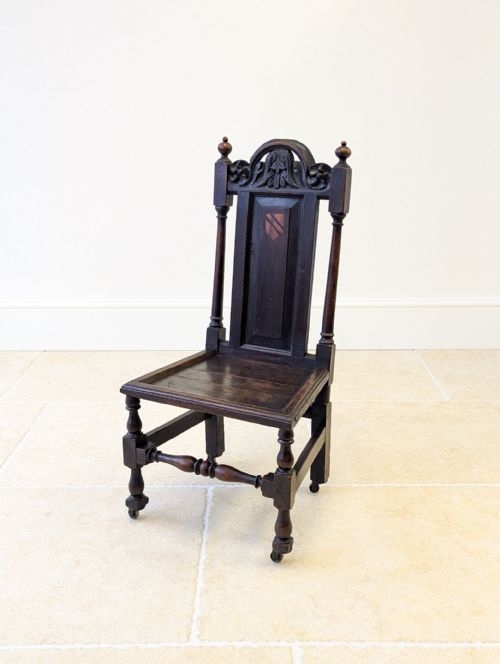
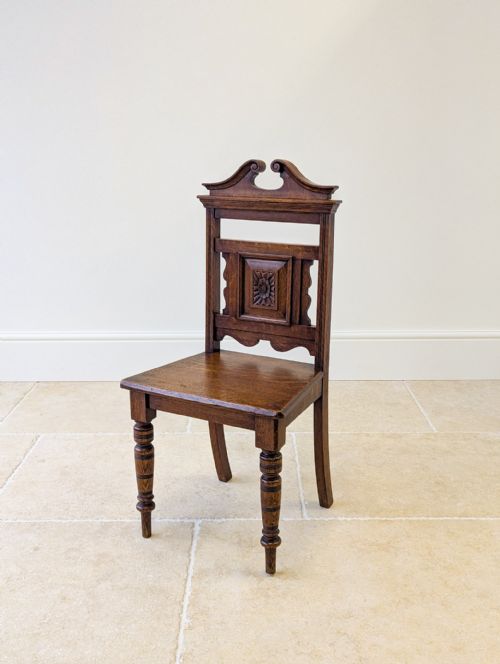
A late victorian hall chair is a striking timber seat built for an entranceway, prized for robust construction and bold historic revival carving.
Late Victorian Hall Chair
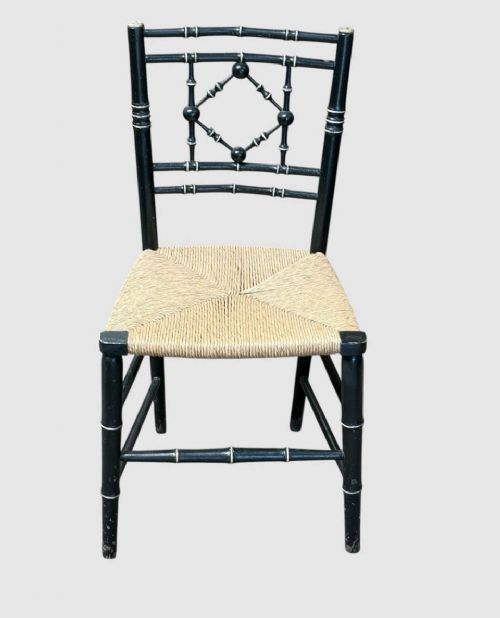
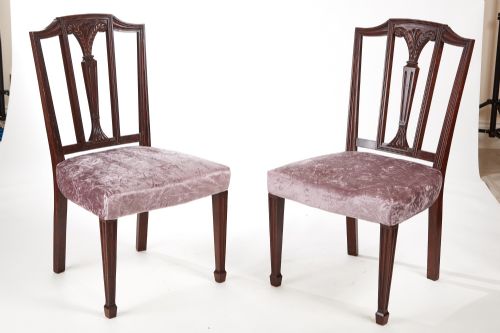
A late victorian hall chair is a rigid wooden seat designed for an entrance hallway, built primarily during the Victorian period and around eighteen ninety. These items appear in various iterations, ranging from straightforward oak examples to elaborate revival designs with pierced splat backs. Buyers encounter numerous forms, including side chairs, armchairs, and pairs featuring distinct stylistic influences.
The evidence shows a strong presence of revival styles intersecting with this phrase, notably Jacobean, Gothic, and Aesthetic movements. Many pieces utilise solid timbers such as oak, walnut, and mahogany, sometimes enhanced with cane, brass, or fabric upholstery. While many items function as traditional hall seating, related side chairs and bedroom chairs frequently share the same late nineteenth-century workshop origins.
How they were made
Cabinetmakers constructed these seats using dense hardwoods like oak, mahogany, walnut, and satinwood, often shaping the timber with solid panels or turned supports. Techniques included deep hand-carving for Gothic and Jacobean revival motifs, alongside decorative piercings on chair splats. Joinery relied on traditional pegged and tenoned joints to withstand heavy use in a hallway.
Surface ornamentation varied from plain polished wood to painted finishes and inset ceramic tiles, such as those from Minton. Some pieces incorporated supplementary materials like brass accents, cane seating inserts, velvet, and tapestry fabric for upholstery. Construction methods prioritized durability while displaying the diverse aesthetic tastes of the late nineteenth century.
Several chairs feature integrated ceramic tiles, offering a convenient surface for resting muddy boots.
What varies in quality
The distinction between ordinary and exceptional examples rests upon the depth and ambition of the carving and the choice of primary timber. Pieces utilising finely figured walnut, satinwood, or heavy oak with intricate relief work sit at a higher tier than plain utilitarian seating. The presence of specialised decorative elements, such as tile backs or distinct revival styling, elevates a piece further.
Proportion and structural integrity define the caliber of the carpentry, separating standard production from superior craftsmanship. Chairs exhibiting balanced proportions, crisp joints, and well-executed stylistic details like barley twist legs or pierced splats demonstrate superior execution. The integration of secondary materials, including cane work and quality upholstery fabrics, marks the difference in overall finish.
Liberty & Co·Minton
The Late Victorian Hall Chair Glossary
- Jacobean Revival
- A nineteenth-century design style mimicking seventeenth-century English furnishings. It utilises heavy oak, geometric mouldings, and deep panel carving.
- Gothic Revival
- An architectural and decorative movement drawing inspiration from medieval forms. Pieces in this style frequently display pointed arches, tracery, and ecclesiastical details.
- Aesthetic Movement
- A late nineteenth-century design current promoting art for art's sake. It emphasises refined craftsmanship and simpler, harmonious forms over heavy historicism.
- Barley twist
- A type of turning shaped like a spiral rope. This decorative woodworking technique appears frequently on chair legs and supports.
Late Victorian Hall Chair: Frequently Asked Questions
What is a late victorian hall chair?
A late victorian hall chair is a rigid wooden seat produced toward the end of the nineteenth century, intended for placement in an entrance hall.
These pieces typically feature upright backs, solid timber construction, and historic revival ornamentation rather than upholstered comfort.
How were hall chairs used?
Hall chairs served as brief seating for visitors waiting in an entranceway, rather than for lounging.
Their upright design and durable wooden construction reflected the formal nature of nineteenth-century domestic hospitality.
Which woods were used?
Maker workshops primarily utilised oak, mahogany, and walnut for these seats.
Occasional examples featured denser exotic timbers like satinwood, alongside secondary additions of brass, cane, and fabric.
How do revival styles differ?
Revival styles draw upon earlier historic periods, such as seventeenth-century Jacobean or medieval Gothic architecture.
Cabinetmakers applied these historical motifs through deep relief carving, turned elements, and structural silhouettes appropriate to the late nineteenth century.