




Faux Bamboo Side Chair
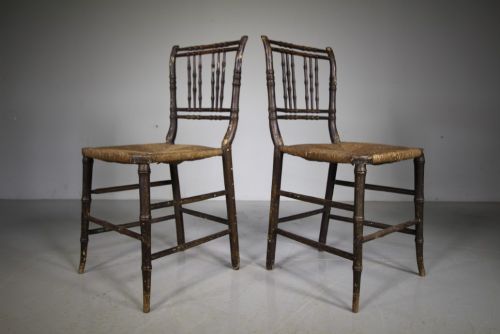
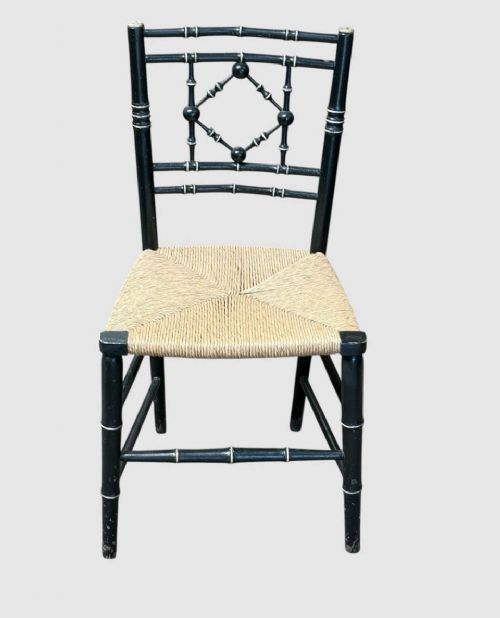
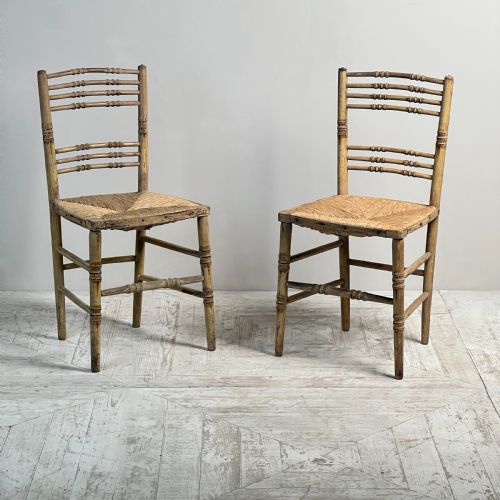
A faux bamboo side chair brings a clever touch of imitated nature and Regency or Victorian character into any room.
Faux Bamboo Side Chair
When you search for a faux bamboo side chair, you find seating designed to mimic natural cane through turned and carved wood. These pieces emerge from periods such as the Regency era, the nineteenth century, and the nineteen twenties.
The version you are most likely to meet on this page is a side chair or armchair featuring painted surfaces and rush or cane seats. Makers styled these seats with influences ranging from Chinoiserie to the Aesthetic Movement and French Napoleon III designs.
How they were made
Cabinetmakers shaped woods like beech, pine, and ebonised timber to replicate the characteristic jointed nodes of natural bamboo. Artisans then applied paint or simulated finishes to complete the illusion.
Seats commonly incorporated woven rush or cane materials, providing a sturdy yet lightweight platform for everyday use in halls, dining rooms, and parlours.
Listings feature items spanning the Regency period, the nineteenth century, and the nineteen twenties.
What varies in quality
The fineness of the wood turning dictates the realism of the bamboo effect, separating simple interpretations from deeply convincing ones. Crisp joint details and balanced proportions elevate certain chairs above standard workshop output.
Surface finish plays a major role in distinction, particularly where original paint or ebonised coatings survive with genuine age. Later repaint layers alter the historical character compared to surfaces preserved from the nineteenth or early nineteenth centuries.
The Faux Bamboo Side Chair Glossary
- Faux bamboo
- Wood turned and carved to resemble natural cane. This technique gained popularity during the Regency and Victorian periods.
- Rush seat
- Woven seating material made from marsh plants. It appears frequently on side chairs from the Regency era onwards.
- Ebonised wood
- Timber stained or painted black to imitate ebony. This finish is often seen on nineteenth century seating.
- Chinoiserie
- European decorative style reflecting Chinese artistic traditions. It frequently accompanies painted bamboo effect furniture.
Faux Bamboo Side Chair: Frequently Asked Questions
Are these chairs comfortable for daily use?
These chairs function well for occasional seating in halls, bedrooms, or around dining tables. Their lightweight construction makes them easy to move between rooms.
While firm and upright by design, adding a loose cushion can increase comfort for longer periods of sitting.
How do I identify a Regency period piece?
Regency pieces often display specific painted or ebonised finishes paired with rush or cane seats. The turning on the wood tends to be crisp and closely observed from nature.
Comparing the structural joinery and overall proportions with nineteenth century examples helps clarify the dating.
Where should I place a side chair at home?
A side chair works well tucked into a corner, positioned by a hallway console, or used as extra seating in a living room. Their decorative turned frames add visual interest without taking up much floor space.
They pair effectively with both antique and modern interiors.
What is the difference between side and armchairs here?
Side chairs are built without armrests, making them compact enough to fit neatly around dining tables or against walls. Armchairs provide enclosed arm supports for a more substantial presence.
Both types utilise the same bamboo effect turning and painted finishes.