



Aesthetic Movement Hall Seat
An aesthetic movement hall seat brings distinct late nineteenth-century design to an entryway, combining structural timber with deliberate artistic detail.
Aesthetic Movement Hall Seat
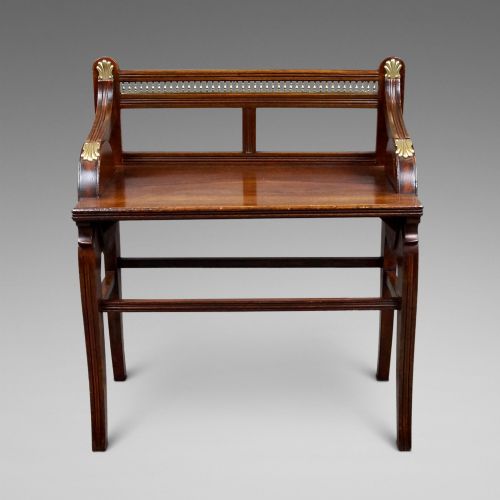
An aesthetic movement hall seat is a sturdy piece of furniture designed for an entrance hall, combining practical seating with the artistic ideals of the late nineteenth century. These items appear across several decades, spanning from the eighteen-seventies through the Victorian era and into the early twentieth century.
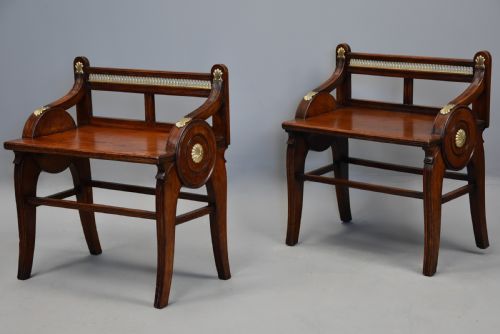
Makers and designers of the period drew inspiration from diverse traditions, creating pieces that range from simple oak benches to elaborately carved side chairs. Buyers encounter pairs as well as single items, each reflecting the characteristic lines of Victorian aesthetic design and the later arts and crafts movement.
Materials and construction
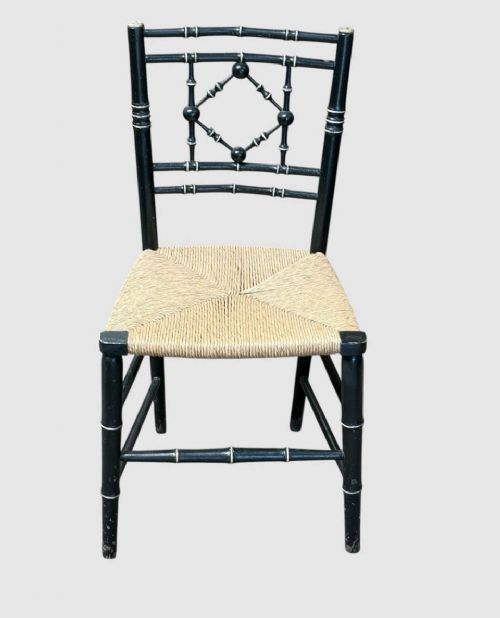
Cabinetmakers utilised dense hardwoods such as mahogany, oak, walnut, and ebonised wood to build the robust frames required for entrance furniture. Timber surfaces often featured carved wooden details or contrasting finishes to highlight the grain and structure.
Metal components played a practical and decorative role, with brass mountings secured to timber benches and structural joints. Seat construction frequently involved woven cane, rush, or padded upholstery covered in durable fabric.
Designers incorporated specific motifs, such as carved sunflowers on settle sofas, linking the woodwork directly to the broader visual vocabulary of the aesthetic movement.
Some settle sofas incorporate carved sunflowers, offering a cheerful botanical greeting to anyone entering the hallway.
Assessing quality and craftsmanship
The quality of a hall seat depends largely on the choice of timber and the precision of the joinery used in its construction. Dense hardwoods like mahogany and oak provide superior stability compared to lighter or composite materials.
Details such as crisp wood carving, secure brass mountings, and tight cane or rush weaving distinguish finer examples from standard production pieces. Attributed work or documented pieces associated with known makers demonstrate a higher level of workshop execution.
The integrity of the structural frame and the preservation of original surface finishes determine the overall condition and desirability of the item.
James Shoolbred and Co·Liberty of London·Bruce J Talbert
The Aesthetic Movement Hall Seat Glossary
- Ebonised wood
- Timber stained or painted to imitate ebony, a technique popular for creating dark, contrasting surfaces in Victorian furniture. This finish highlights gilt or carved details effectively.
- Settle
- A wooden bench with a high back and solid arms, designed to block draughts in a hallway. These pieces often feature integrated storage or decorative panelling.
- Rush
- A material woven from marsh plants to form durable, textured seat pads. It provides a natural, rustic contrast to polished hardwood frames.
- Brass mounting
- Metal hardware attached to furniture for reinforcement or decoration. These fittings add a metallic accent to the wooden structure.
- Window seat
- A long, narrow bench designed to fit within a window recess. These items share construction traits with hall benches but often feature lighter proportions.
Aesthetic Movement Hall Seat: Frequently Asked Questions
Where should I place a hall seat?
These pieces fit naturally in entrance halls, corridors, or landings where durable seating is required. Their narrow proportions allow them to sit against walls without obstructing pathways.
Placing one near an entryway provides a practical spot for putting on shoes while introducing period character to the space.
How do I care for ebonised wood?
Ebonised timber requires gentle dusting with a soft cloth to prevent the accumulation of abrasive particles. Avoid commercial polishes that contain heavy waxes or silicones, which can dull the dark finish over time.
Keep the wood away from direct sunlight and major temperature fluctuations to protect the stained surface from fading or cracking.
Are these seats comfortable for daily use?
Most historic hall benches and chairs were built primarily as sturdy, functional furniture rather than deep lounge seating. Models featuring upholstered pads, cane, or rush offer a slightly softer surface than solid timber.
Adding a loose cushion can increase comfort while preserving the original wooden structure beneath.
How can I identify aesthetic movement design?
Aesthetic movement furniture typically shuns heavy Victorian ornamentation in favour of cleaner lines, stylised natural motifs, and thoughtful material combinations. Look for carved sunflowers, ebonised finishes, and brass hardware.
Designers of this period drew on Japanese and gothic influences, resulting in forms that bridge traditional Victorian styles and the arts and crafts movement.