




Late Victorian Gilt Mirror
A late victorian gilt mirror brings warmth and reflective depth to a room through period craftsmanship.
Late Victorian Gilt Mirror
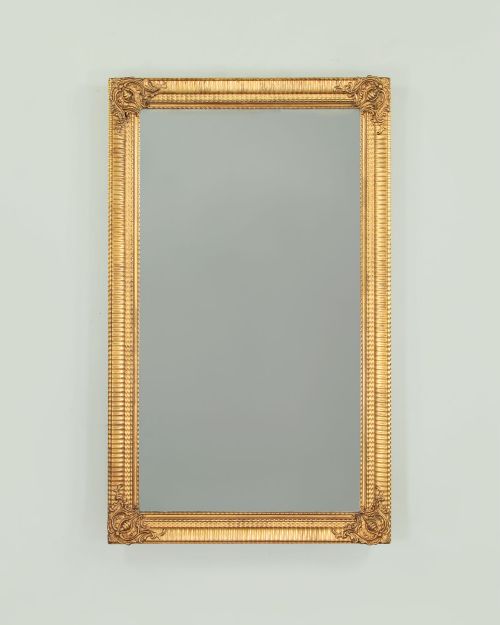
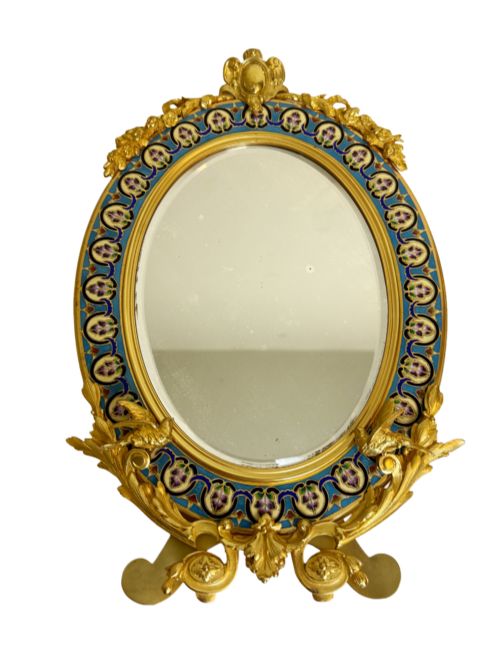
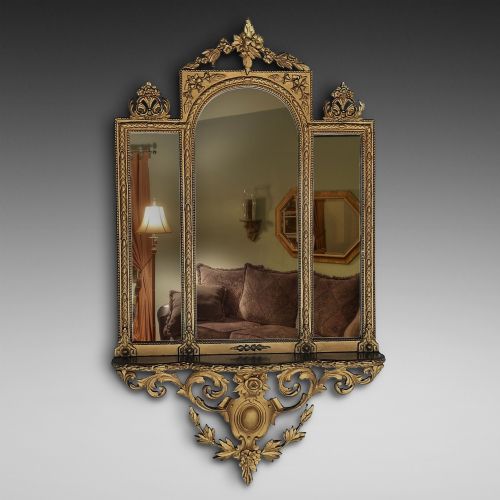
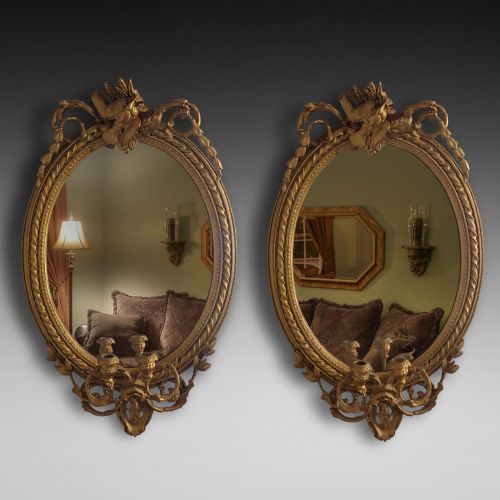
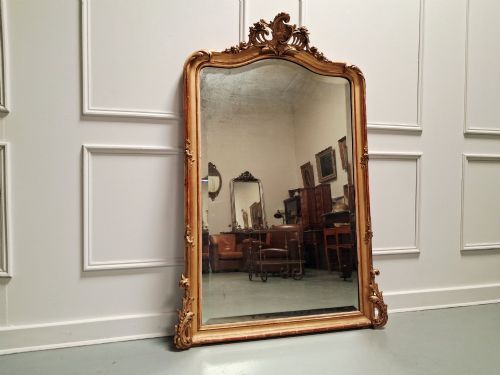
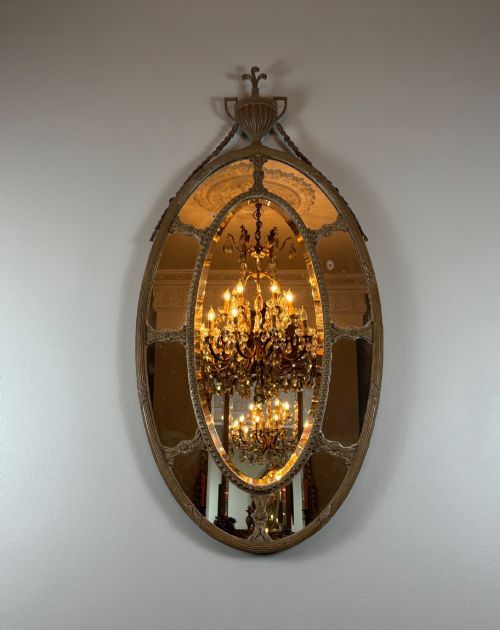
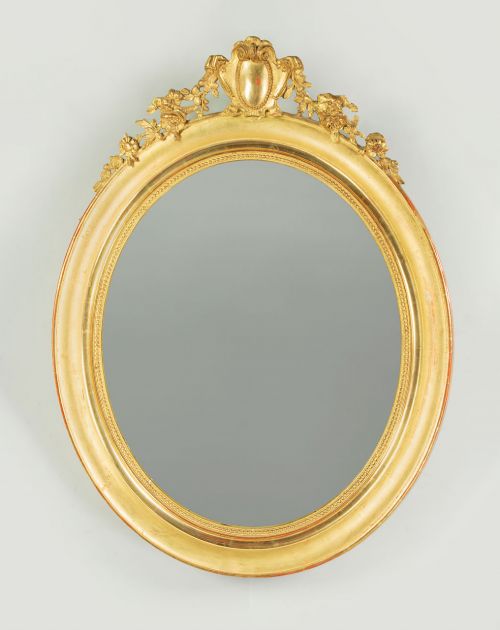
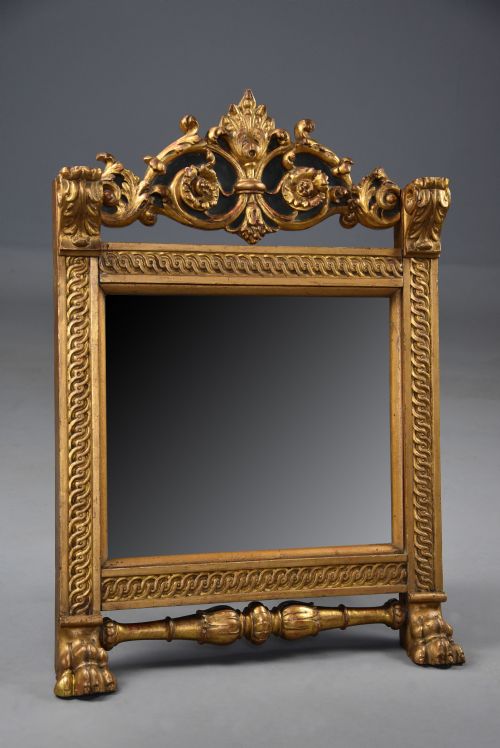
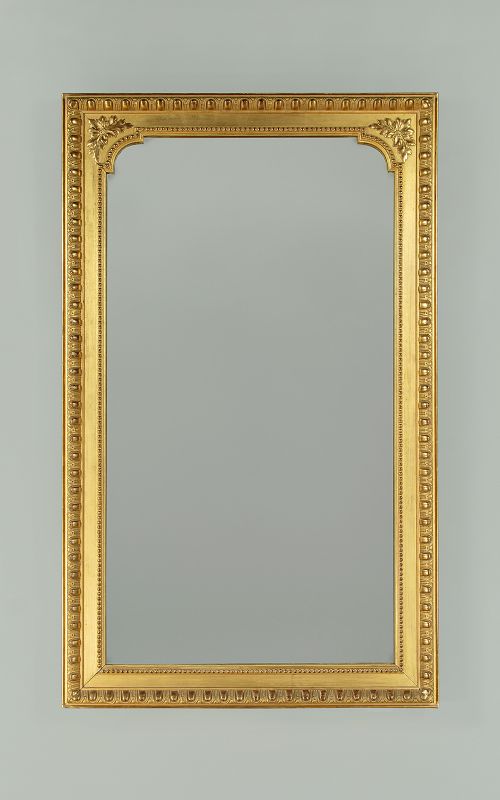
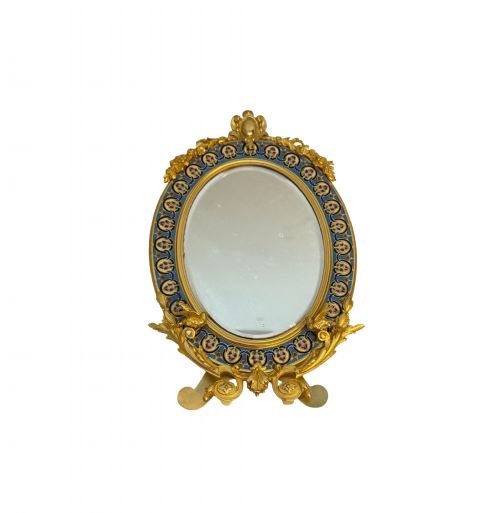
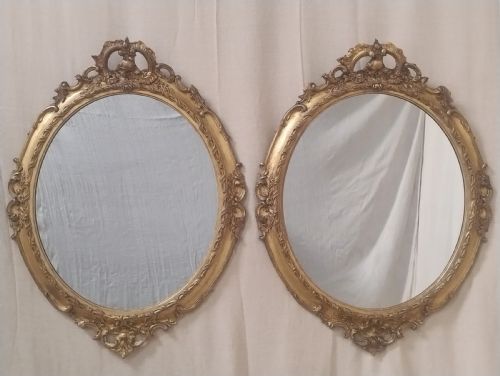
A late victorian gilt mirror is a decorative looking glass produced during the latter half of the nineteenth century, encompassing wall mirrors, grand overmantels, and smaller vanity pieces. Buyers searching for a late victorian gilt mirror frequently encounter rectangular wall formats, arched top designs, and ornate oval frames.
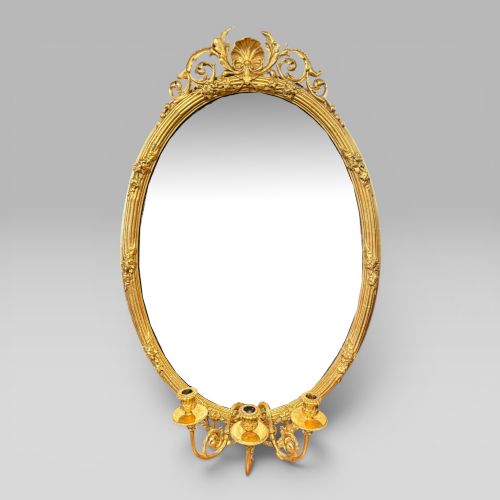
The selection ranges from large triple-plate overmantel mirrors designed to sit above a fireplace to compact girandoles and tabletop dressing mirrors. Many examples display distinct historic revival styles, including Rococo, Adam, and Renaissance motifs applied to domestic interiors.
Materials and construction
Frames rely on wood, gesso, and composition moulded ornament applied over a timber base to create elaborate relief decoration. Gilding is achieved through gold leaf or gilt paint finishes, often paired with ebonised details or parcel-gilt highlights.
Mirror plates consist of glass held within rebated frames, sometimes featuring bevelled edges or original silver mercury backing. Structural integrity is maintained through traditional joinery on the wooden carcase supporting the heavy reflective glass.
Listings feature nineteen-century periods spanning from the 1870s through to 1900, incorporating giltwood, gesso, and glass.
Assessing quality
Quality rests upon the crispness of the gesso moulding and the depth of the hand-carved or composition details. Superior examples exhibit finely rendered swags, urns, and patera flower rosettes without loss or heavy restoration to the underlying relief.
The preservation of the original gilt surface and the clarity of the mirror plate distinguish finer pieces from later re-gilt or heavily restored alternatives. Weight and solidity in the timber carcase further separate standard production items from workshop pieces.
The Late Victorian Gilt Mirror Glossary
- Gesso
- A plaster-based mixture applied to wood frames to create a smooth surface for relief moulding and gilding.
- Overmantel mirror
- A wide looking glass specifically proportioned to hang on the wall directly above a fireplace mantelpiece.
- Girandole
- A decorative wall mirror featuring attached candle sconces that reflect candlelight into the room.
- Composition
- A moulded mixture of whiting, resin, and oil pressed into ornament for picture and mirror frames.
- Water gilding
- A traditional technique applying gold leaf directly over wet bole for a brilliant, burnished metallic finish.
Late Victorian Gilt Mirror: Frequently Asked Questions
How do I hang a heavy overmantel mirror?
Heavy overmantel mirrors require secure wall fixing into masonry or substantial timber studs using heavy-duty brackets rated for the weight of the frame and glass.
Professional installation ensures the piece remains stable and safe against the wall surface.
Are the mirror plates original?
Many mirrors retain their original glass plates, which often display light foxing, silvering loss, or age spots characteristic of nineteenth-century manufacturing.
Replacement plates appear in pieces where the original glass suffered terminal damage over time.
What is the difference between gesso and carved wood?
Carved wood involves direct cutting into the timber substrate, whereas gesso and composition involve moulded plaster layers applied to a simpler wooden core.
Combination frames utilise a carved wooden foundation enriched with moulded gesso details for intricate relief work.
How should I clean a gilt frame?
Dust gilt frames gently with a soft, dry brush to avoid disturbing fragile gold leaf or composition mouldings.
Liquid cleaners and moisture damage historic water gilding, so preservation relies entirely on dry maintenance.