
Late Victorian Display Cabinet
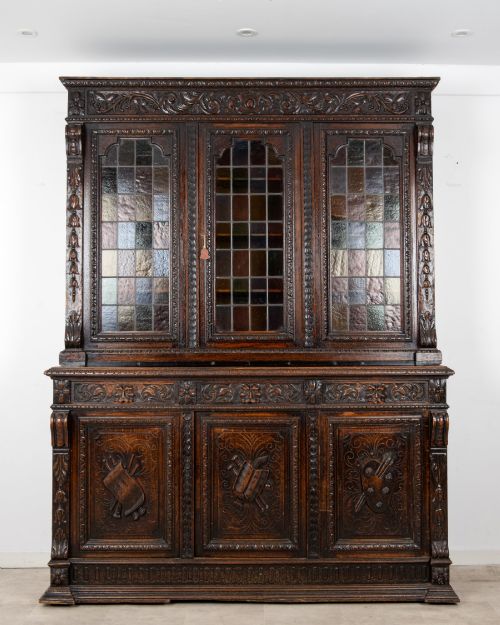
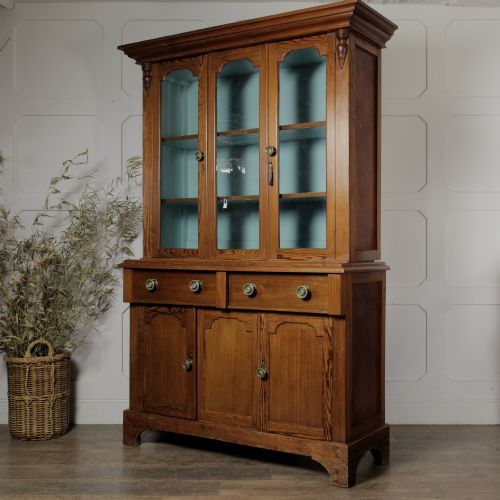
A late victorian display cabinet offers glazed protection and polite staging for ceramics, books, and small treasures within a timber frame.
Late Victorian Display Cabinet
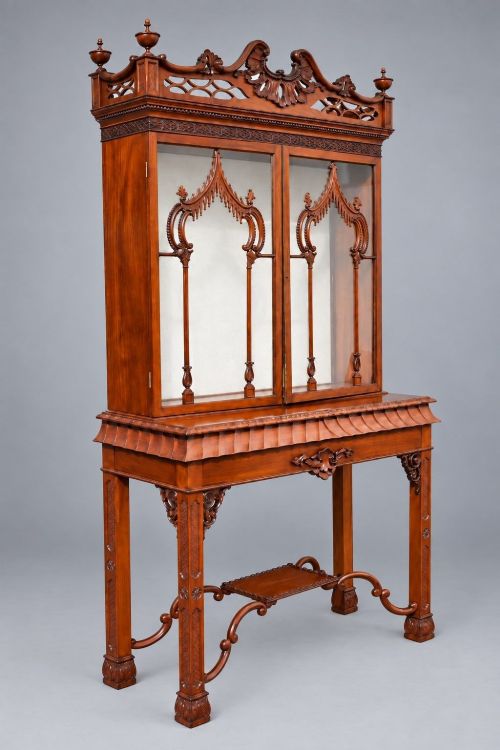
A late victorian display cabinet is a storage piece designed primarily to exhibit objects behind glass panels while keeping them dust-free and secure. Buyers searching this phrase encounter upright floor-standing furniture, corner units, and smaller table-top formats from the late nineteenth century.
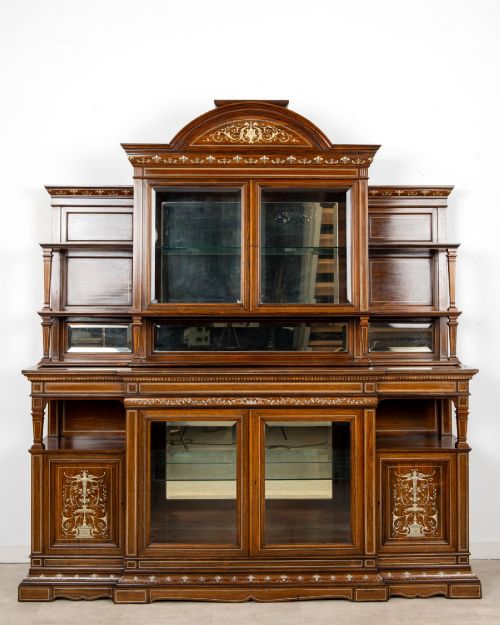
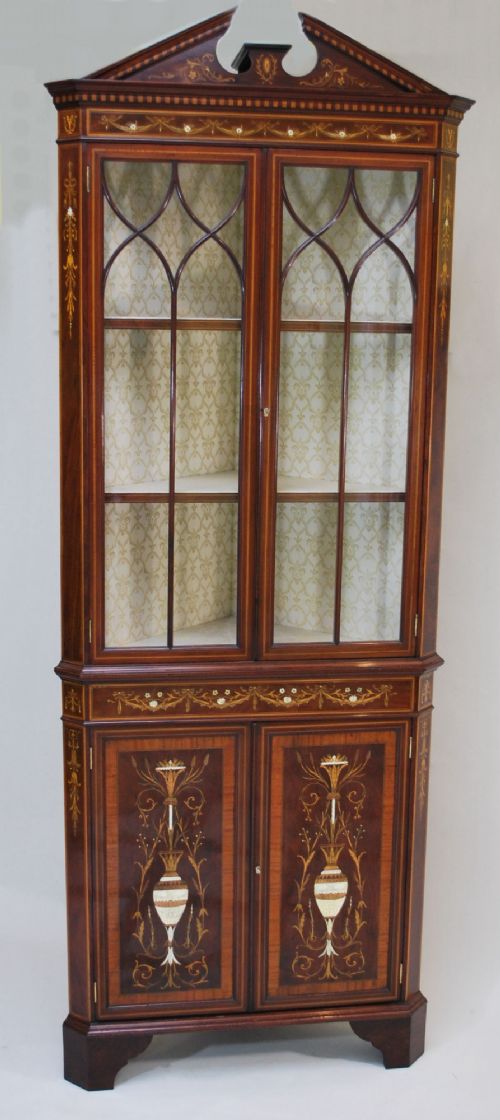
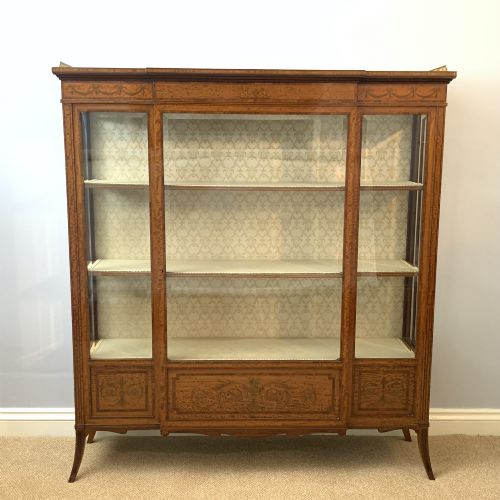
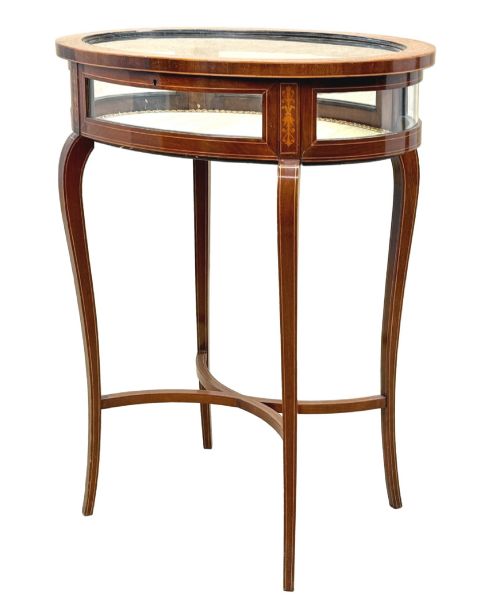
The versions most commonly met on this page are constructed from mahogany, walnut, or oak, often finished with delicate stringing or marquetry inlay. Many examples reflect revival styles, drawing upon Chinese Chippendale motifs, Sheraton proportions, or the lighter satinwood aesthetic of the period.
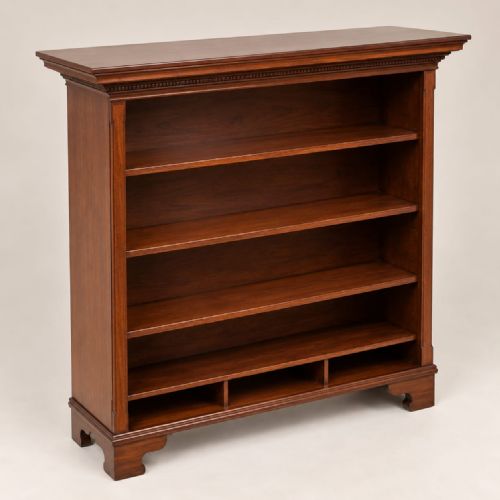
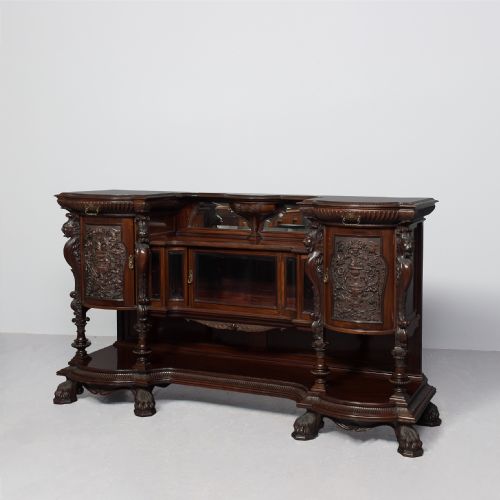
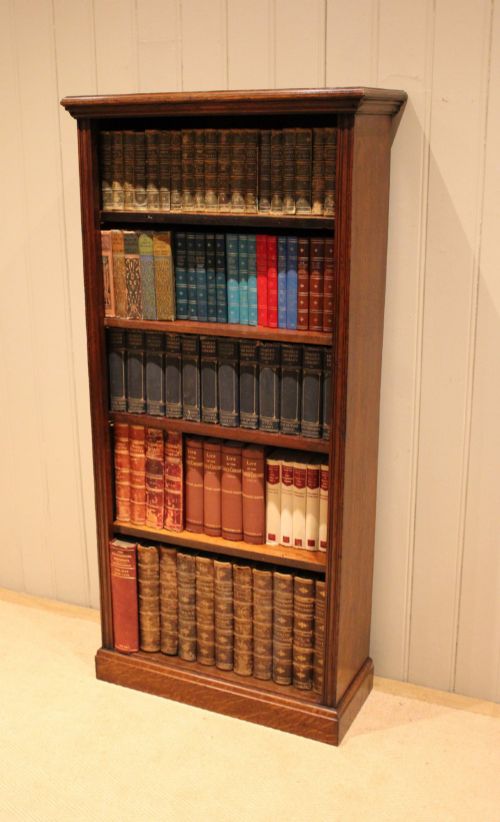
Beyond standard upright display furniture, the category encompasses related forms such as glazed bookcases, mirror-back cabinets, and specialised shop display pieces. These variants share a common purpose of visual presentation, differing mainly in whether their internal space holds shelves for books or open tiers for curated collections.
How They Were Made
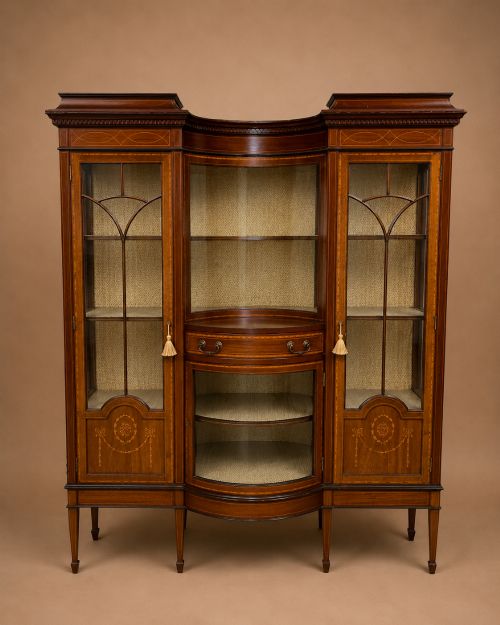
Cabinet makers of the era utilised solid timbers such as mahogany, oak, and walnut, frequently applying fine veneers over secondary woods to create decorative curved fronts and panels. Marquetry and contrasting satinwood inlays were hand-cut and set into the primary surfaces to produce botanical or geometric patterns.
Glazing techniques involved holding individual panes of glass within wooden bars, ranging from simple vertical lights to intricate astragal grids and bowed doors. Brass hardware, including hinges, locks, and occasional castors, provided functional and decorative accents to the heavy timber structures.
Late Victorian Display Cabinet Retail Price Guide 2026
Typical asking prices for late victorian display cabinet among the pieces listed under this phrase on Sellingantiques today, from the lower quarter to the upper quarter. They describe what is for sale here now, not the wider market.
Listings feature mahogany, oak, walnut, and satinwood timbers, frequently incorporating glass panels, mirrors, and brass castors across various nineteenth-century styles.
What Varies in Quality
The tier of a piece often depends on the selection of timber and the ambition of the decorative scheme, ranging from plain utilitarian pine and oak to highly figured mahogany, walnut, and satinwood. Fine workshop attribution, such as work by established makers, distinguishes standard commercial production from exhibition-grade execution.
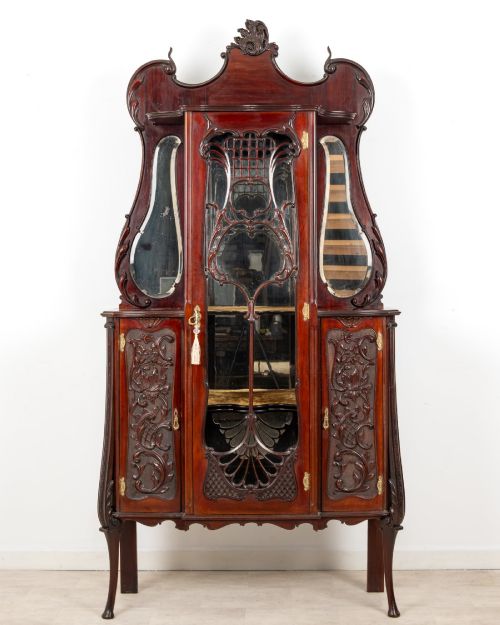
Attention to detail in construction separates simpler items from the best examples, visible in the precision of inlaid marquetry, the smoothness of curved serpentine or bow-front doors, and the integration of architectural cornices or carved mirror-backs.
Collinson and Lock·Edwards and Roberts·Liberty and Co·Maple and Co
The Late Victorian Display Cabinet Glossary
- Marquetry
- Decorative woodwork where thin veneers of different timbers are assembled to form pictorial or geometric patterns. This technique appeared frequently on late nineteenth-century cabinet doors and friezes.
- Astragal
- A small moulding used to hold glass panes within a frame, creating geometric divisions across a door. These wooden bars are often arranged in delicate Gothic or glazing-bar patterns.
- Serpentine
- A furniture front curved in a wave shape, convex in the centre and concave at the sides. This contour required skilled carpentry and marked higher-end cabinet work.
- Bijouterie table
- A glass-topped display table intended for holding small valuable items, jewellery, or collections. They stood on slender legs and utilised hinged glazed lids.
- Stringing
- Thin inlaid lines of contrasting wood used to outline panels and drawers. It provided a neat linear border on mahogany and satinwood surfaces.
Late Victorian Display Cabinet: Frequently Asked Questions
Where were these cabinets placed in a Victorian home?
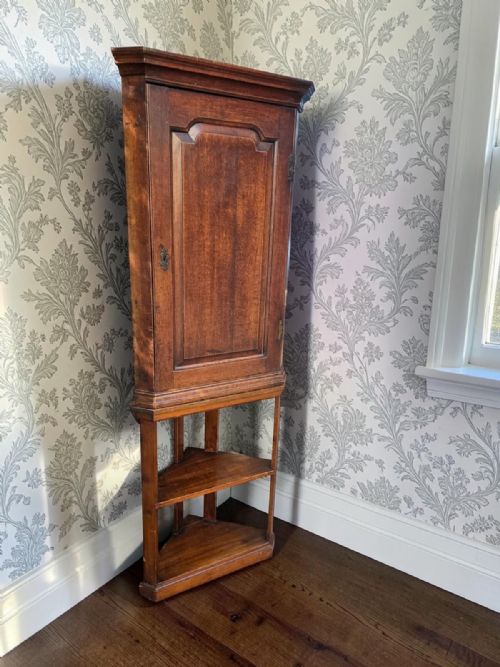
These cabinets typically stood in drawing rooms, parlours, or libraries where guests gathered and hosts displayed porcelain, silver, and decorative objects. Corner units utilised empty angles in smaller rooms, while larger breakfront models dominated the walls of formal reception spaces.
Shop display variants served a commercial function, housing chocolates and goods in retail settings before eventually finding their way into domestic interiors as collectible furniture.
How do I tell a bookcase from a display cabinet?
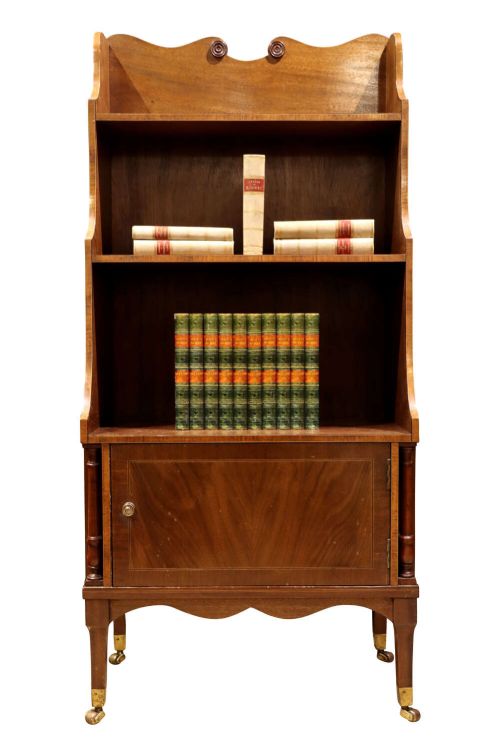
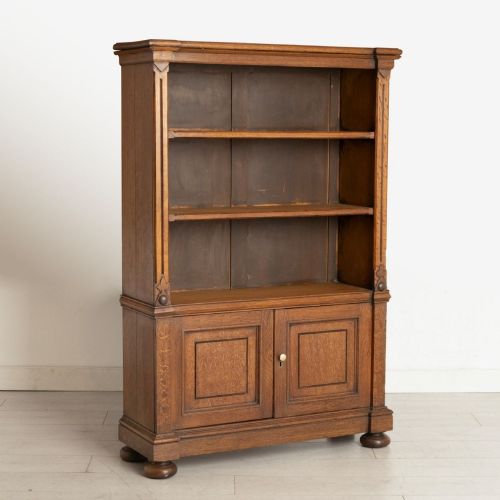
Display cabinets rely primarily on glass doors or open sides to maximise visibility for decorative collections stored inside. Bookcases generally feature adjustable wooden shelves designed to hold heavy volumes, though many Victorian hybrids combine glazed upper display sections with enclosed lower cupboards.
Internal depth and shelf construction often provide the clearest indication of intended use, with display interiors kept shallow to keep objects near the glass.
What is a mirror-back cabinet used for?
The mirrored panel set behind the upper shelves reflects light and illuminates the items on display from behind. This design amplified natural illumination in nineteenth-century rooms and created an illusion of greater depth within the cabinet.
Such pieces usually combined open shelves with enclosed lower cupboards, serving both decorative exhibition and practical storage needs.
How should I care for a polished wood cabinet?
Maintaining the finish involves keeping the timber away from direct sunlight and maintaining stable room humidity to prevent wood movement and veneer lifting. Gentle dusting with a dry cloth preserves the polish without introducing moisture or silicone build-up.
Brass hardware and glass panels benefit from occasional careful cleaning using appropriate non-abrasive methods that avoid contact with the surrounding wood.