




Late Victorian Corner Cabinet
A late victorian corner cabinet turns dead angles into display space, offering timber and glass built for compact rooms.
Late Victorian Corner Cabinet
A late victorian corner cabinet provides storage designed specifically for the angles of a room, saving floor space while displaying collections. These pieces emerge primarily from the nineteenth century, spanning the Victorian era and the eighteen nineties.
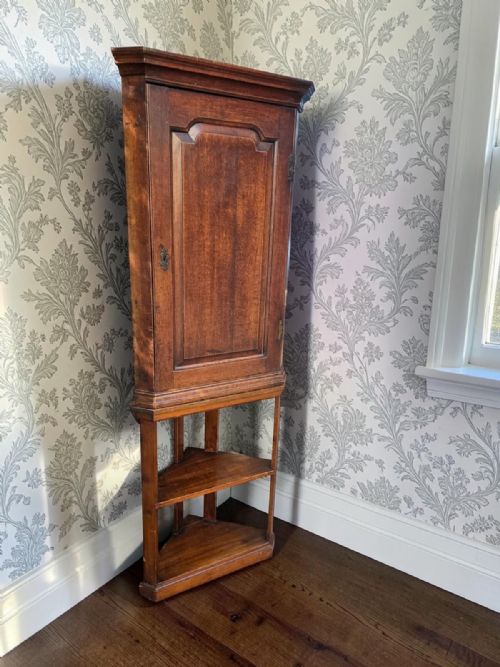
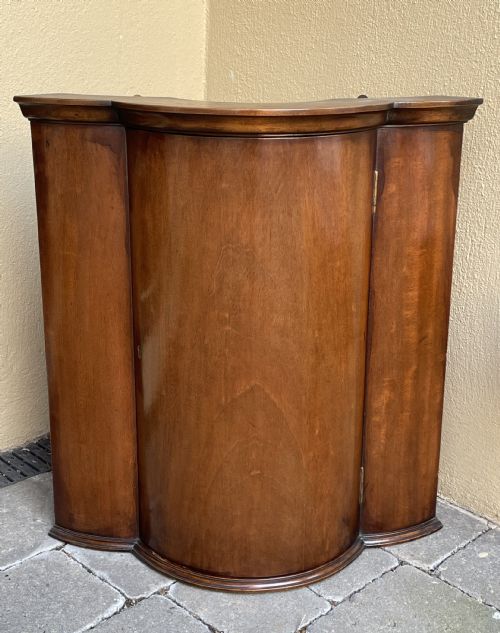
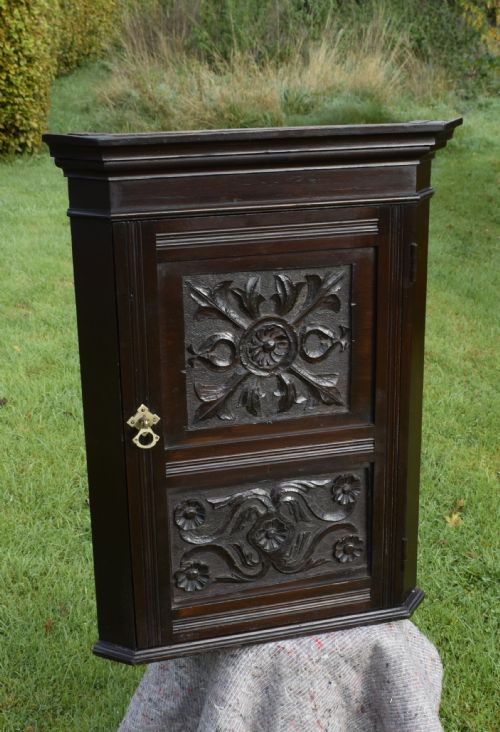
Buyers encounter formats ranging from wall-mounted cupboards to full height corner display cabinets and pieces raised on stands. Mahogany remains the dominant timber, accompanied by oak, pine, walnut, rosewood, and bamboo.
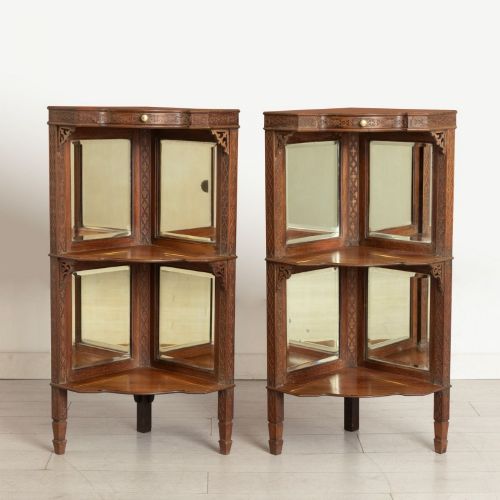
Styles lean toward traditional Victorian vernacular as well as the distinctive look of the Aesthetic Movement. Certain examples feature glazed doors, mirror glass panels, or astragal glazing bars framing the interior.
How they were made
Cabinet makers utilised solid and veneered timbers including mahogany, oak, walnut, and pine, frequently shaping them to fit precise ninety-degree wall angles. Ebonised wood and bamboo also appear, reflecting broader period tastes.
Decoration relied on satinwood inlay work and brass hardware such as hinges and escutcheons. Glazing techniques incorporated clear glass panels alongside mirror glass backs and delicate astragal wooden frames.
Listings feature nineteenth-century furniture utilising mahogany, rosewood, oak, pine, walnut, bamboo, and ebonised wood.
What varies in quality
The standard of timber selection and the precision of the satinwood inlay set finer examples apart from simpler utility cupboards. Cabinet construction involving dovetailed joints and robust internal shelving indicates higher workshop standards.
Glazing execution defines upper tier pieces, particularly where astragal bars are finely moulded or where larger display doors require specialist joinery. Maker attributions through stamped signatures or paper labels elevate historical interest.
Edwards & Roberts·Garnett & Sons
The Late Victorian Corner Cabinet Glossary
- Astragal glazing
- A network of slender wooden bars that divide a glass window into smaller panes. These delicate frames are typical on finer display cabinet doors.
- Aesthetic Movement
- A late nineteenth-century design style that emphasised visual beauty over narrative subject matter. Cabinets from this period often utilise ebonised wood or bamboo.
- Ebonised wood
- Timber treated with a dark stain or finish to imitate ebony. This technique gained popularity during the Victorian era for contrast and dramatic effect.
- Satinwood inlay
- Small pieces of pale, lustrous timber fitted flush into a contrasting darker wood surface. It creates geometric or floral decorative patterns.
Late Victorian Corner Cabinet: Frequently Asked Questions
Where should I place a corner cabinet?
These cabinets suit awkward junctions in dining rooms or hallways where standard furniture blocks passage. They draw the eye upward and utilise dead wall space efficiently.
Ensure the wall angle matches the ninety-degree right-angle construction of the specific cupboard before purchasing wall-hung variants.
How do I secure a wall-mounted model?
Wall-hung corner cupboards require sturdy fixings into structural masonry or timber studs to bear the weight of the timber and contents safely. Professional installation prevents tipping risks.
Heavier full-height and stand-mounted versions rest directly on the floor and utilise stability feet for levelling.
What items fit inside display cabinets?
Glass-fronted versions house porcelain, glassware, and small ornaments where light can pass through the shelves. Mirrored backs enhance interior brightness.
Solid timber doors suit enclosed storage for books or household items that benefit from dust protection.
How do I distinguish Aesthetic Movement pieces?
Aesthetic period examples often feature ebonised wood, bamboo structures, or stylized natural motifs. They depart from heavy Victorian conventions in favour of lighter, more artistic proportions.
These pieces align with the artistic reforms of the late nineteenth century.