


Late Victorian Copper
Late victorian copper brings utilitarian warmth to interiors through beaten vessels and hearth metalwork.
Late Victorian Copper
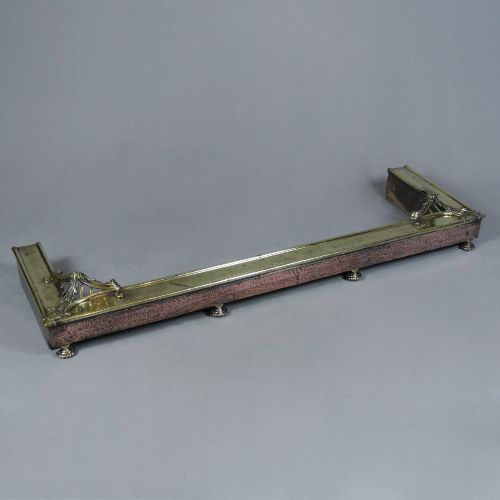
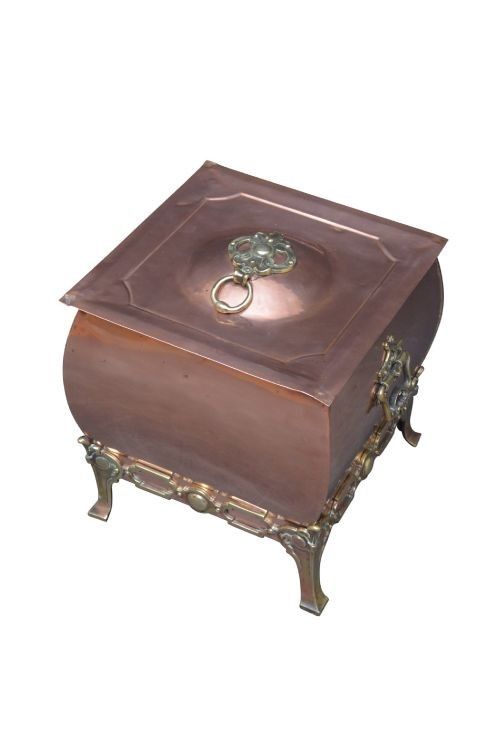
Late victorian copper encompasses domestic vessels, lighting fixtures and fireside metalwork produced during the nineteenth century. The selection ranges from coal scuttles and planters to wall lanterns and floor lamps.
Domestic vessels dominate the pieces encountered on this page. Coal buckets, kettles and jelly moulds reflect the period reliance on durable metal kitchenware and fireside accessories.
Regional and stylistic variations span english arts and crafts designs alongside french electro-form pieces and neo-classical wall lanterns. Wood, brass and iron frequently accompany the primary metal.
Craft and Proportion
Quality rests in the weight of the metal and the precision of the hand-beaten surface texture. Heavy gauge copper retains structural integrity better than thin alternatives.
Proportion and decorative restraint separate standard utility items from considered arts and crafts designs. Subtle hammered details and integrated brass fittings elevate the overall execution.
Listings combine copper with brass, iron, glass and mahogany across domestic and architectural forms.
Dr Christopher Dresser·William Soutter & Sons·Alex Boyd & Son
The Late Victorian Copper Glossary
- Verdigris
- A green patina formed naturally on copper through atmospheric oxidation. This surface alteration often develops on outdoor lanterns and garden vessels over decades.
- Electro-form
- A technique using electroplating to deposit copper onto a mould to create intricate decorative caskets. It allows for highly detailed sculptural relief work.
- Purdonium
- A specialised cabinet or box designed for storing household coal near the fireplace. These wooden pieces frequently feature a metal liner and drop-front lid.
- Club fender
- A low fireside seat with upholstered top rails supported by metal balustrades. Brass and copper components frame the hearth seating area.
- Repousse
- Metalworking technique where the artisan hammers the design from the reverse side to form raised patterns. Decorative chargers and wall plates utilise this method.
Late Victorian Copper: Frequently Asked Questions
How are coal scuttles cleaned?
Maintenance involves removing dust with a soft dry cloth while preserving the existing aged surface. Aggressive metal polishes strip historical patination from the copper.
Applying a microcrystalline wax protects the exterior from further oxidation without altering the visual character of the piece.
Where were wall lanterns placed?
Exterior lanterns illuminated coach-houses, entranceways and stable yards during the late nineteenth century. Their robust construction withstood outdoor exposure.
Bracket mountings secured the heavy iron and copper frames to exterior brickwork or timber beams.
What defines arts and crafts copper?
Arts and crafts pieces display visible hand-beaten hammer marks and honest structural joints. Makers emphasised craftsmanship over machine production.
Forms remain functional, drawing aesthetic appeal from material texture rather than applied ornamentation.
How do standard oil lamps operate?
Standard lamps combine weighted metal bases with adjustable brass and copper extending columns. Cranberry glass fonts held the fuel supply.
Burner mechanisms regulated the flame height beneath glass chimneys to illuminate large Victorian rooms.