

Antique Metal Log Basket
An antique metal log basket brings weight and warmth to a fireside, combining sturdy utility with character built over decades.
Antique Metal Log Basket
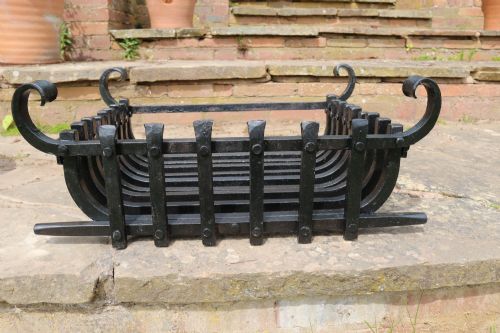
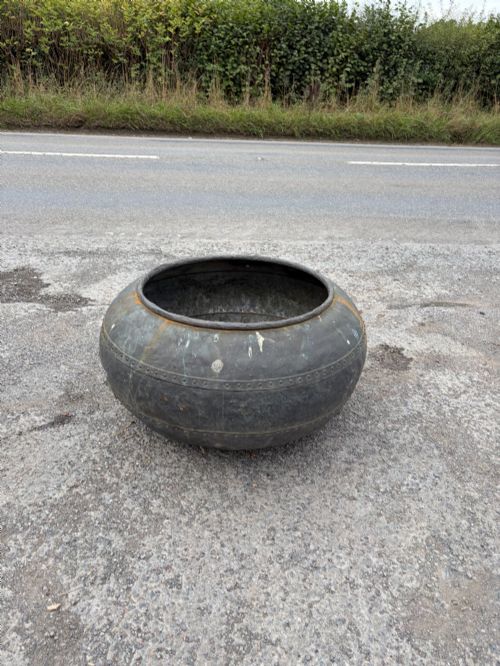
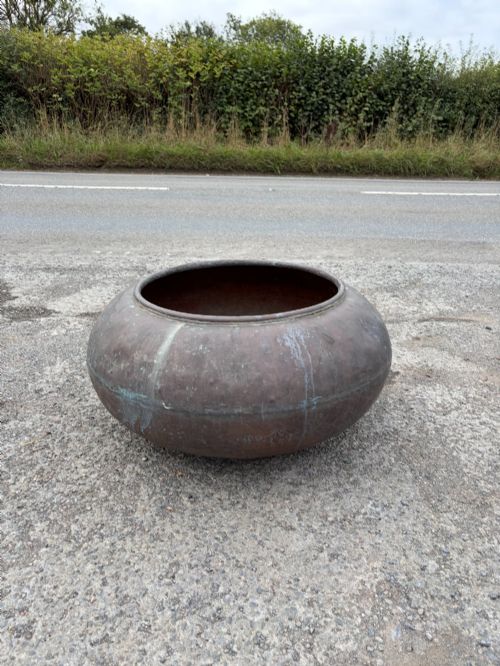
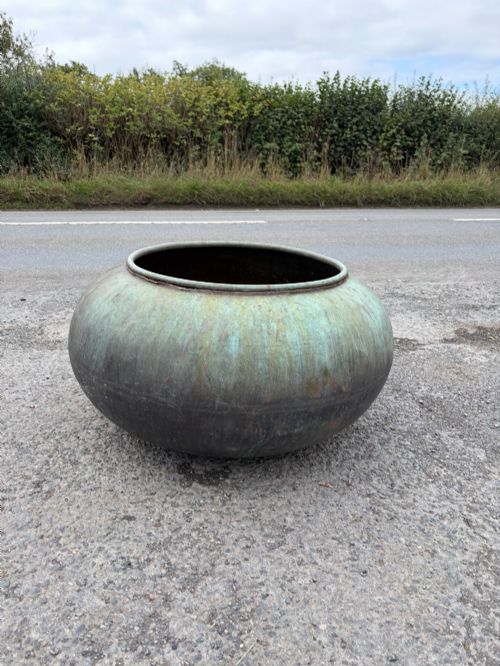
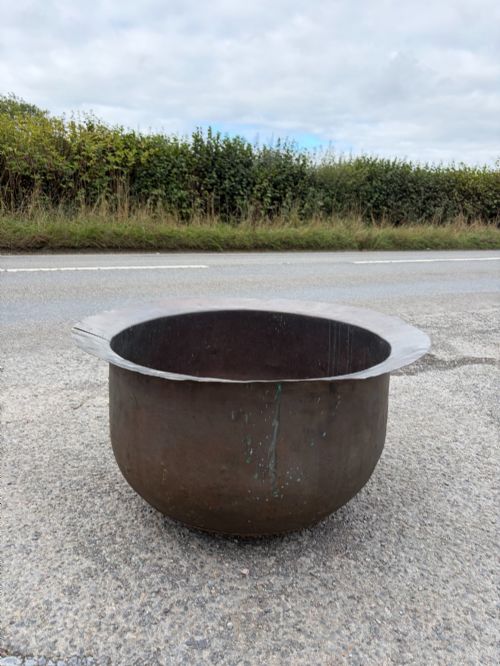
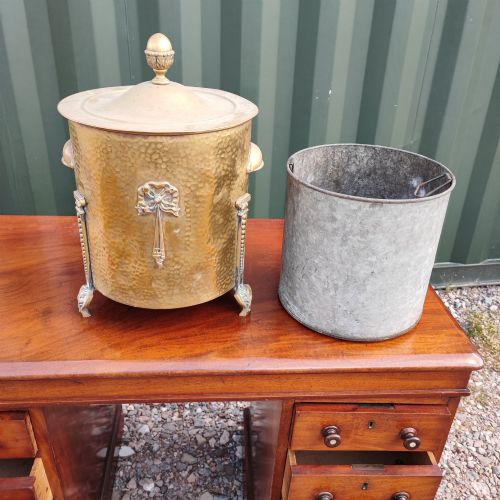
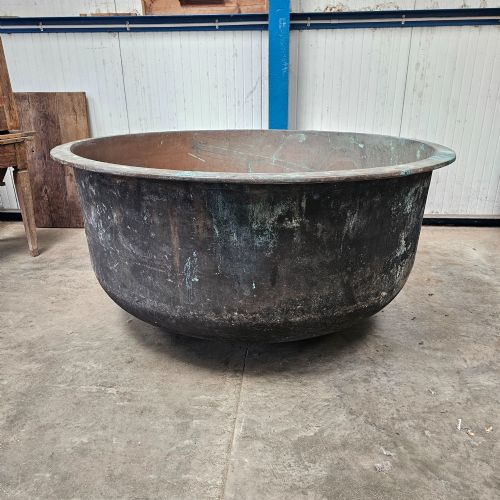
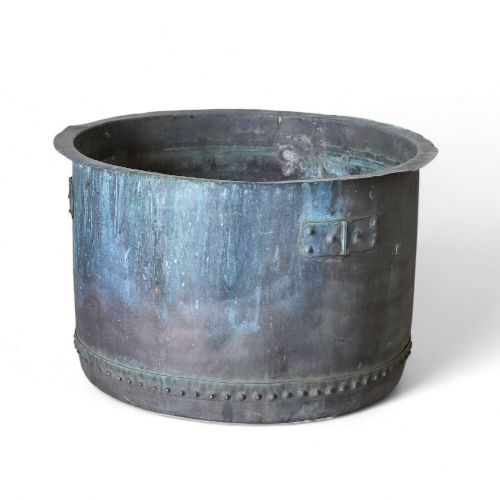
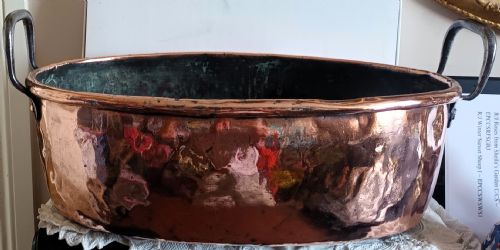
When you search for an antique metal log basket, you find heavy vessels originally fashioned for domestic chores, dairy work or garden use. These robust containers now serve primarily beside hearths to hold fuel. The selection on this page leans heavily toward 19th century copper pots and Victorian coal buckets, alongside wrought iron fire baskets and galvanised tubs.
Many examples began life as cheese vats, cream setting pans or grape hotte baskets before finding a second life as log bins. You will encounter pieces from Georgian times through the Arts and Crafts era and up to the nineteen-thirties. Forms range from deep cauldrons with swing handles to shallow scuttles and structured frames.
Materials and construction methods
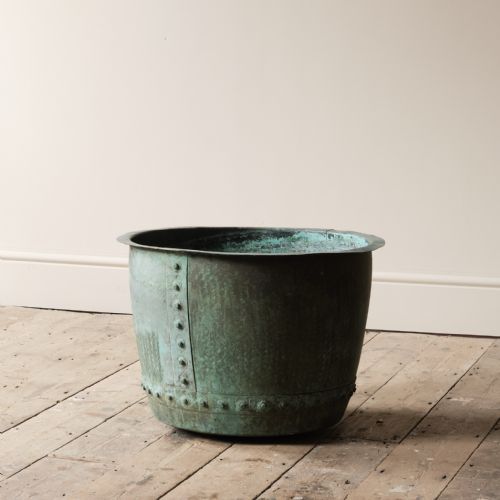
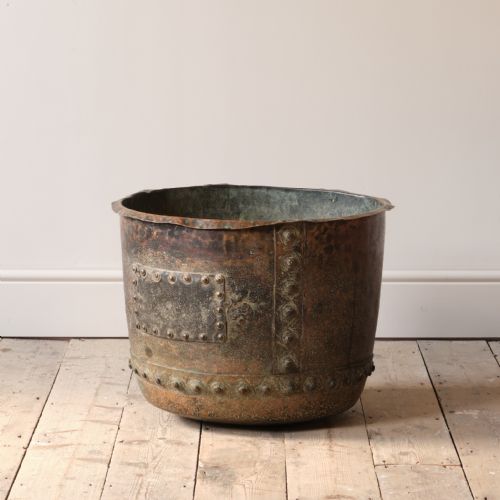
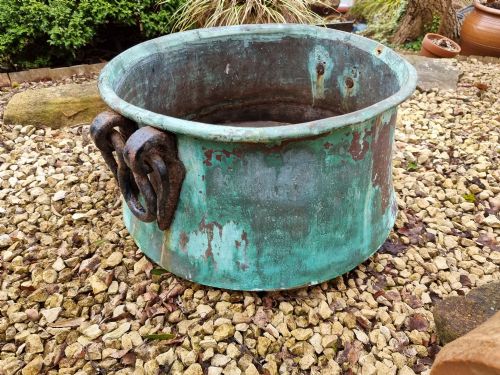
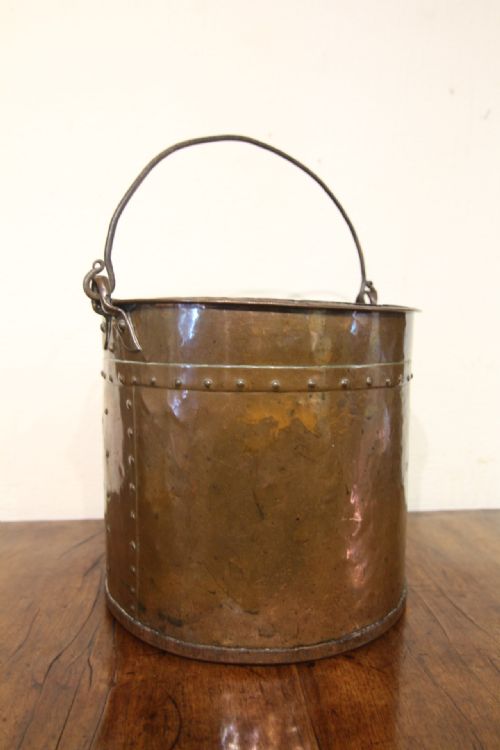
Makers fashioned these pieces primarily from hammered copper, sheet brass and sturdy wrought iron, occasionally incorporating zinc or galvanised metal. Heavy hand-riveting held overlapping metal seams together securely, creating vessels capable of enduring daily knocks from heavy fuel. Iron swing handles and frames provided the structural strength needed for lifting heavy loads.
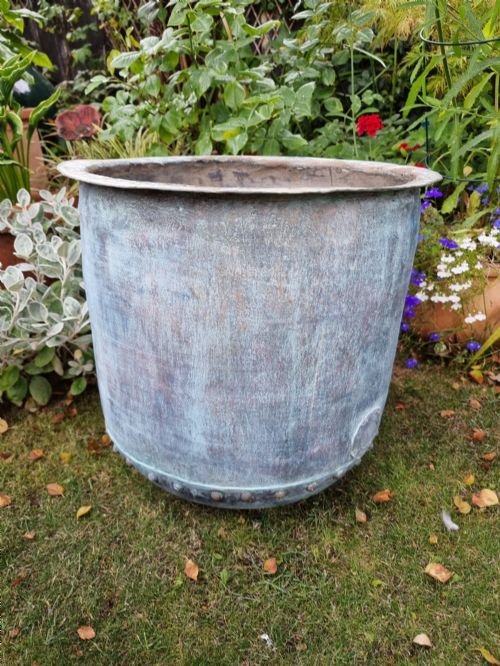
Surfaces developed distinctive patinas over generations of use, often showing verdigris and weathered tones on the metal. Artisans of the Arts and Crafts period favoured visible hand-beaten textures and honest construction, leaving the marks of the hammer directly on the surface.
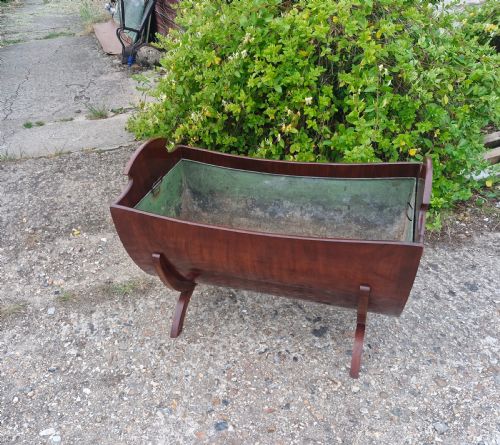
Materials span copper, brass, wrought iron, galvanised metal and mahogany, reflecting diverse utilitarian origins.
Assessing build quality and character
Quality rests in the weight of the metal and the integrity of the original construction rather than decorative flourishes. Superior pieces display substantial wall thickness, tight hand-riveting and original iron handles that remain firmly anchored without modern repairs.
The natural ageing of the surface distinguishes better examples, where a rich, undisturbed patina tells a genuine story of use. Pieces that retain their original frames, swings or stands offer greater authenticity and balance compared to altered items.
Petrus Ramus
The Antique Metal Log Basket Glossary
- Patina
- The surface sheen and colour acquired by metal through age, handling and exposure to the elements. A genuine aged surface develops deep tonal variations that cannot be replicated artificially.
- Verdigris
- The green crust or patina formed on copper, brass or bronze through atmospheric oxidation over many years. This natural chemical change protects the underlying metal and adds visual depth.
- Cauldron
- A large round metal pot, typically featuring a curved base and a strong swing handle for hanging or carrying. These deep vessels provide generous capacity for storing large quantities of logs.
- Scuttle
- A metal bucket or coal hod designed specifically for carrying fuel to a fireplace, often featuring a tipped opening or hinged handle. They combine practical pouring shapes with decorative metalwork.
Antique Metal Log Basket: Frequently Asked Questions
What were antique metal log baskets originally used for?
Many items sold today as log bins actually served utilitarian purposes in dairies, vineyards and industrial kitchens. Vats, cream pans and garden cauldrons were repurposed for fireside fuel storage.
Over generations, households adopted these durable metal containers to hold logs and kindling beside the hearth due to their robust construction and generous capacity.
How do I clean an antique copper log bin?
Most collectors prefer to leave the accumulated patina and verdigris intact, as these weathered surfaces provide historical character and depth. Aggressive polishing removes this evidence of age.
Gentle dusting with a dry cloth is usually sufficient for everyday maintenance. Avoid harsh chemical cleaners that strip the natural tones from the metal.
Are wrought iron fire baskets safe to use?
Wrought iron fire baskets built in the Arts and Crafts style were designed to withstand intense heat from open fires. Their sturdy bar construction allows proper airflow for burning fuel.
Inspect the structure for stability and secure joints before lighting any fire. Ensure the basket sits level upon the hearth surface.
How can I tell a Victorian coal bucket apart from a Georgian one?
Georgian pieces often display simpler, heavier hand-hammered copper construction with plain riveted seams used in domestic and agricultural settings. They prioritize raw utility over ornamentation.
Victorian and Edwardian examples frequently incorporate more decorative brass elements, swing handles and stamped detailing influenced by Art Nouveau or Arts and Crafts movements.