
Victorian Fireside Bucket
A victorian fireside bucket keeps hearth fuel close to hand while bringing substance and rich metal tones to a room.
Victorian Fireside Bucket
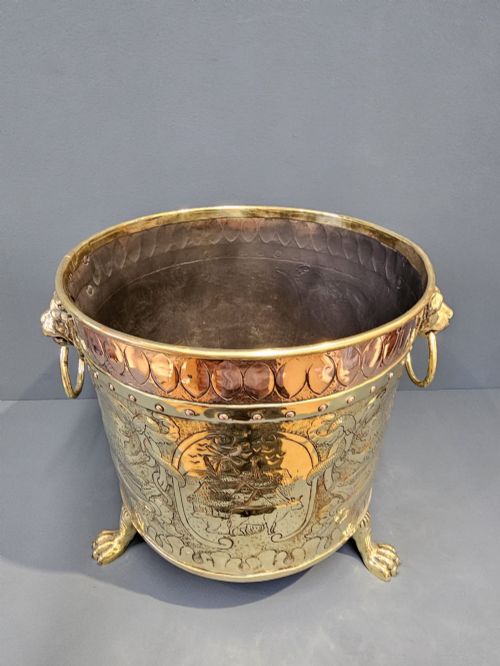
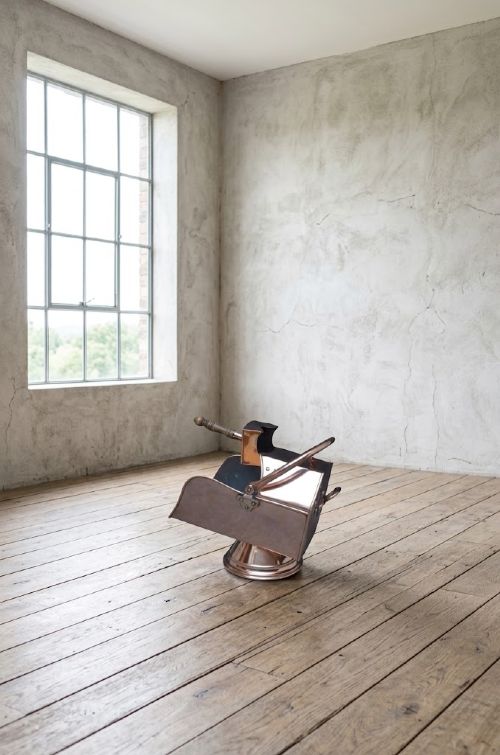
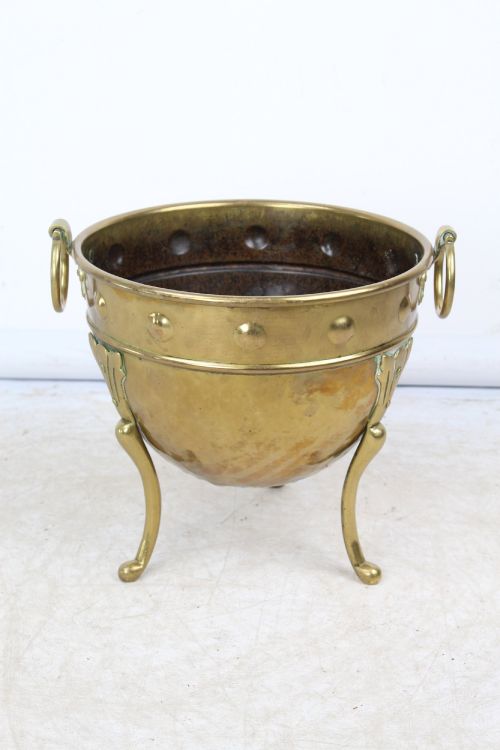
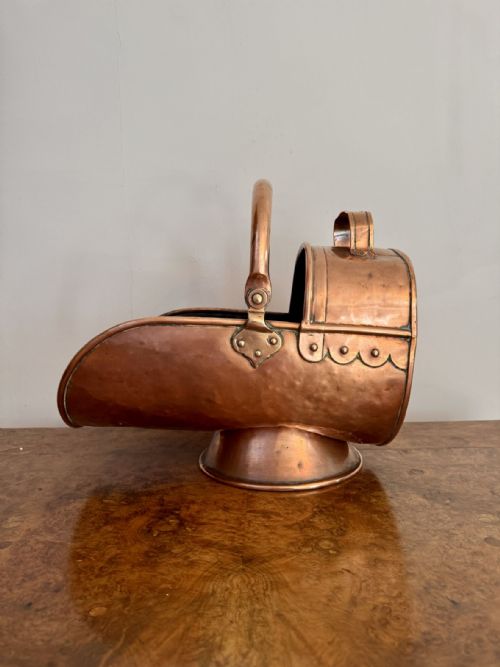
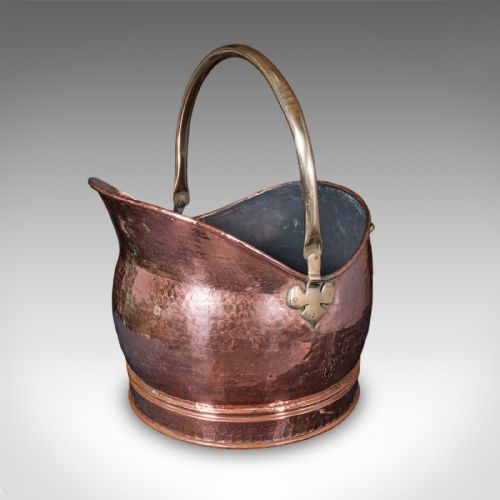
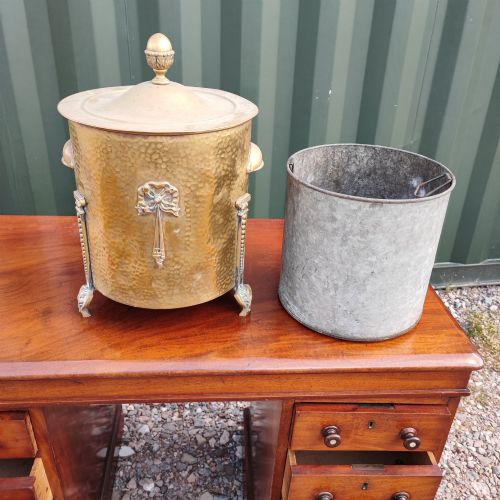
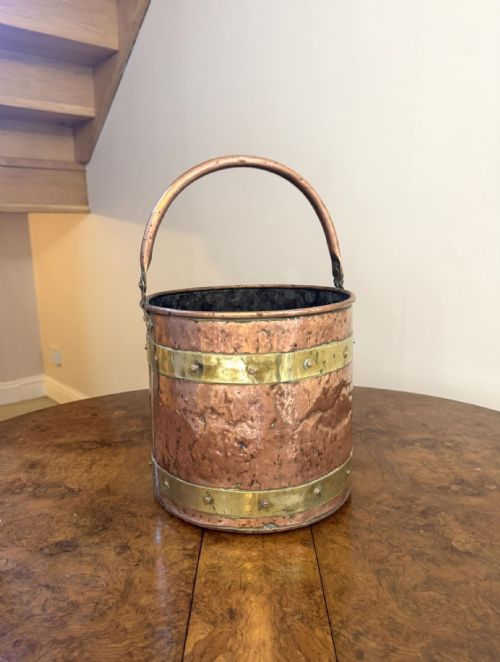
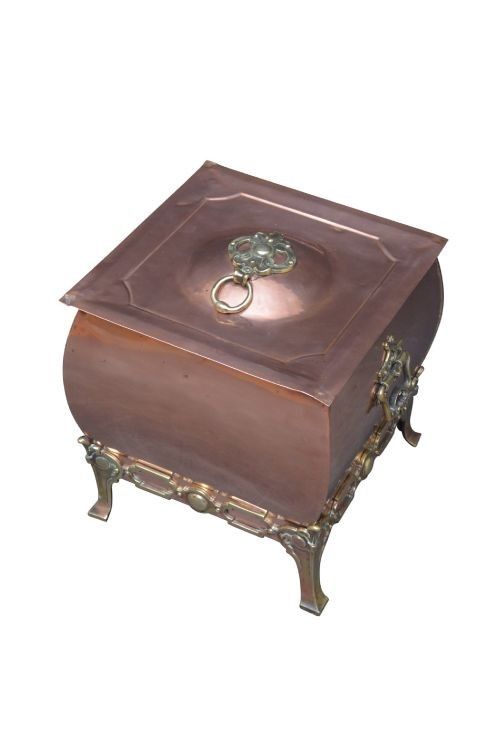
When you examine a victorian fireside bucket, you look at functional hearth vessels designed to hold coal, logs or peat for open fires. The selection centres heavily on copper and brass containers, often shaped as helmets or cylindrical bins.
These items frequently double as log baskets or planters when their working days carrying fuel conclude. They sit beside the hearth as both practical storage and focal points of Victorian metalwork.
How they were made
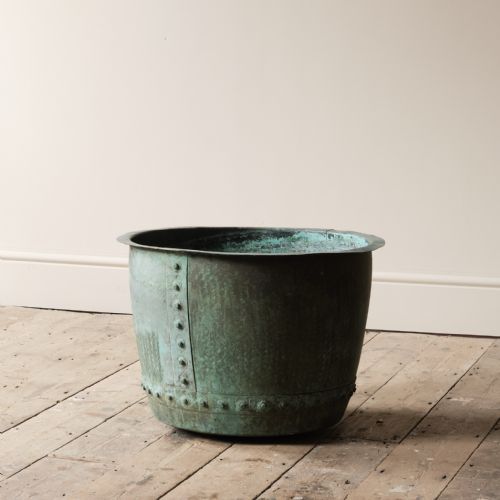
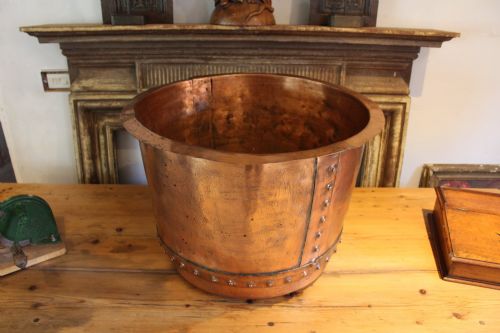
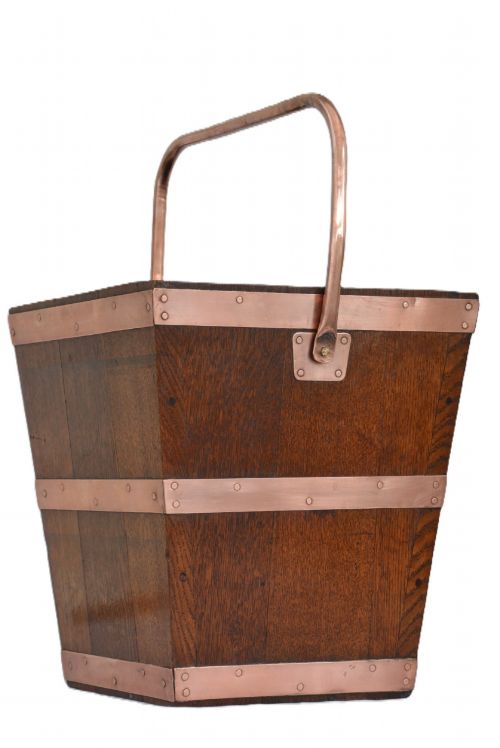
Makers utilised sheet copper and brass, often joining the bodies with visible rivets to ensure durable construction for heavy daily use. Wrought iron and metal handles provide sturdy grips for carrying fuel.
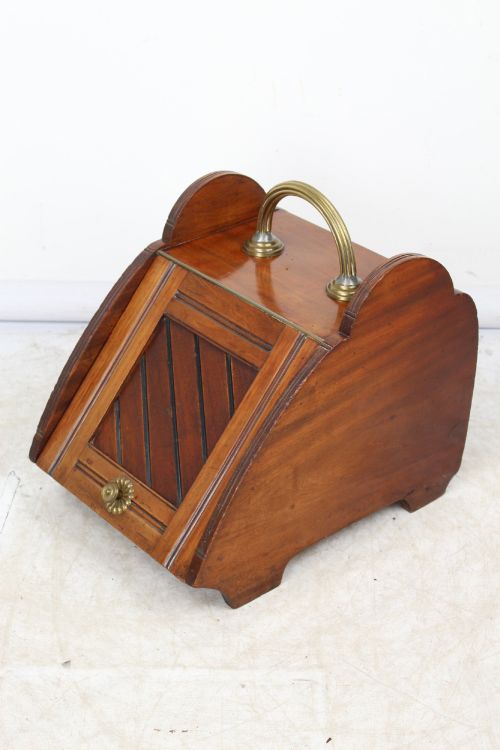
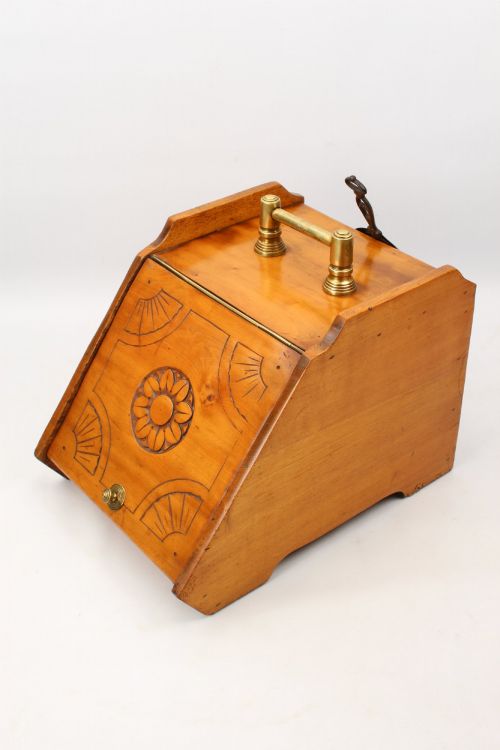
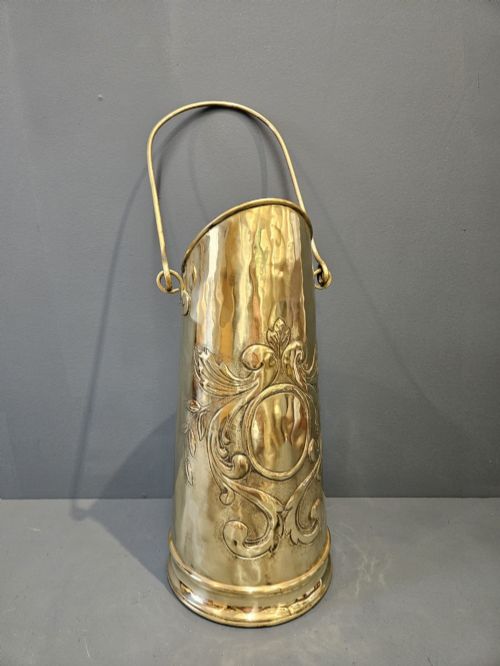
Wood versions feature carved oak and mahogany panels, sometimes paired with metal inliners to contain soot and moisture. Surface finishes include hand-finished embossing, hammered textures and applied brass banding.
Some copper buckets bear the marks of fierce hearthside service, carrying the literal dents of a clumsy coal shovel.
What varies in quality
The distinction between ordinary utility items and finer pieces lies in the weight of the metal and the crispness of the hand-finishing. Heavy-gauge copper and substantial brass castings hold their structural integrity better over generations.
Decorative ambition also separates pieces, with simple riveted bins at one end and elaborate embossed tavern scenes, Art Nouveau motifs or matched pairs at the other.
Henry Loveridge·Benham and Froud·Petrus Ramus
The Victorian Fireside Bucket Glossary
- Helmet scuttle
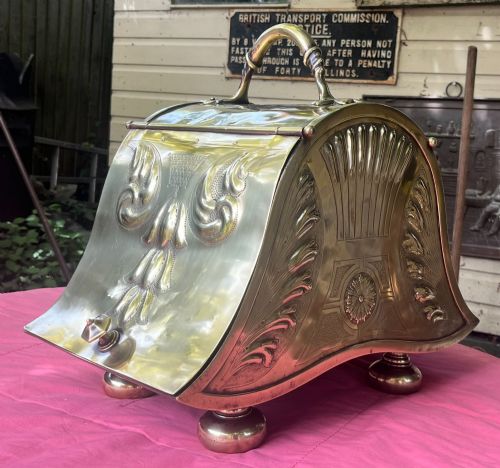
- A coal container featuring a flaring rim and a footed base, designed for easy pouring into the grate. This shape is one of the most common configurations in nineteenth-century hearth accessories.
- Purdonium
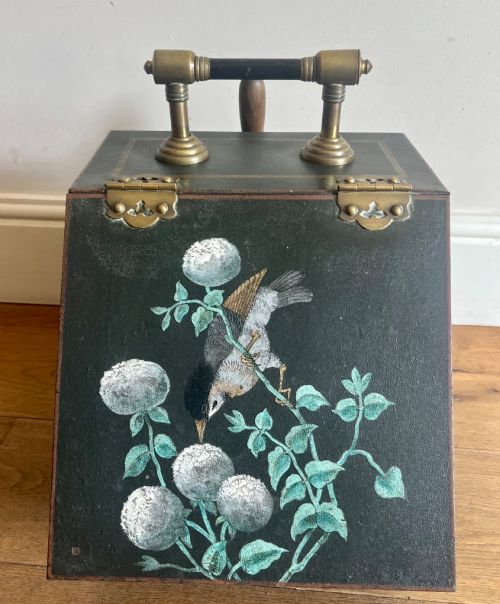
- A box-style coal container, usually featuring a drop front or a sloping lid designed to conceal a metal liner. These wooden or metal cabinets kept coal tidy within formal Victorian drawing rooms.
- Tole ware
- Lacquered or enamelled metalware used for decorative domestic objects. It offers colourful painted surfaces distinct from plain polished brass or copper.
- Log bin
- A wide cylindrical bucket meant for larger firewood rather than loose coal. They often feature sturdy drop handles and protective metal bands.
- Riveted
- Joined with metal pins that are hammered flat to secure overlapping sheets. This method provides both industrial strength and a distinct visual texture.
Victorian Fireside Bucket: Frequently Asked Questions
What is a coal purdonium?
A purdonium is a specialised box or cabinet designed to hold coal near the fireplace while hiding the fuel behind a door or drop front. They often include an internal metal liner for cleanliness.
These pieces brought tidy containment to Victorian parlours where open coal fires demanded constant attention.
How were fireside buckets used?
They stood beside the fireplace to store fuel such as coal, logs or peat ready for burning. Shovels were often hung alongside or stored directly with the bucket.
Servants filled them from larger cellar stocks so fires could be replenished without leaving the room.
Can I use an antique bucket for plants?
Many copper and brass bins now serve as planters or log baskets in modern interiors. Their waterproof metal construction makes them suitable for holding potted plants.
When using them this way, ensure any delicate historic liners are protected from standing water.
How do I date a copper bucket?
Dating relies on construction methods, handle attachments, and stylistic markers such as Arts and Crafts hand-hammering or Art Nouveau curves. Riveting patterns and the presence of maker marks also help narrow the decade.
Most surviving examples date from the mid-nineteenth century through to the Edwardian period.