
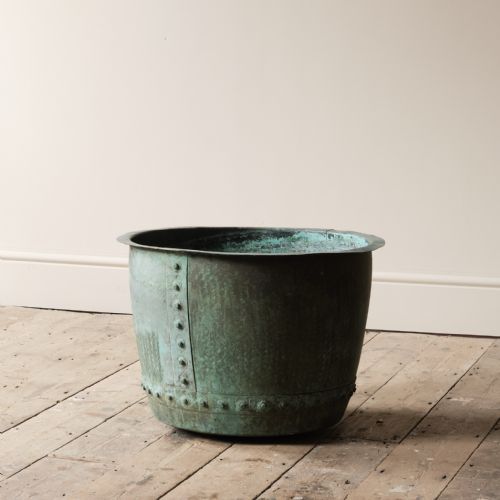
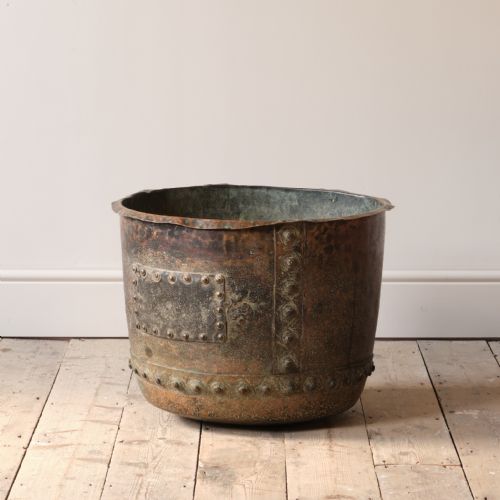
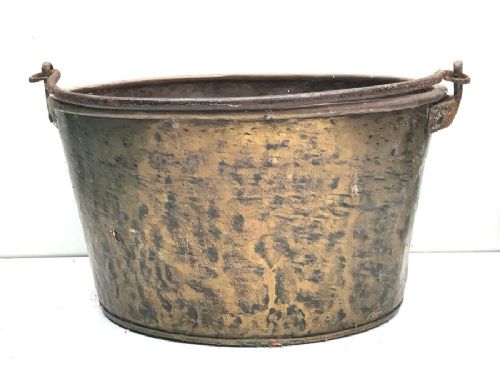
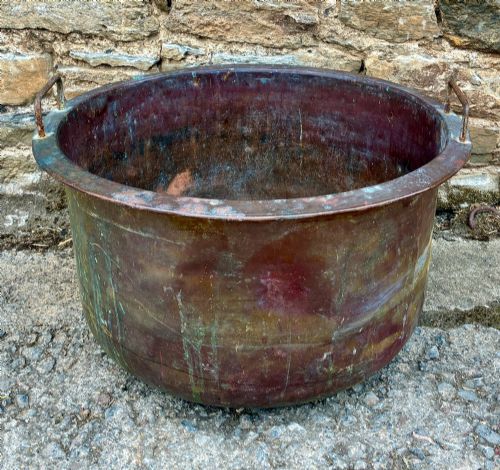


Rustic Copper Bucket
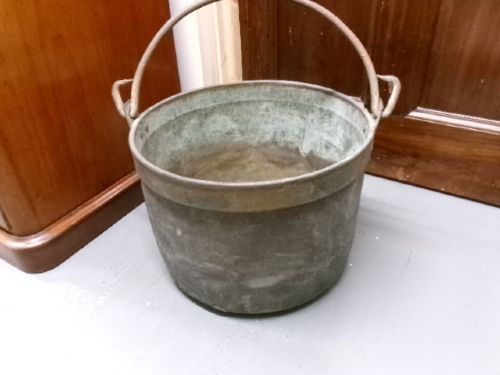
A rustic copper bucket is a utilitarian vessel built from heavy metal, designed to hold logs, water, or coal by the hearth.
Rustic Copper Bucket
When you search for a rustic copper bucket, you encounter heavy metal containers designed for domestic labour and fireside use. These vessels appear in forms such as log bins, wash tubs, cauldrons, and garden planters.
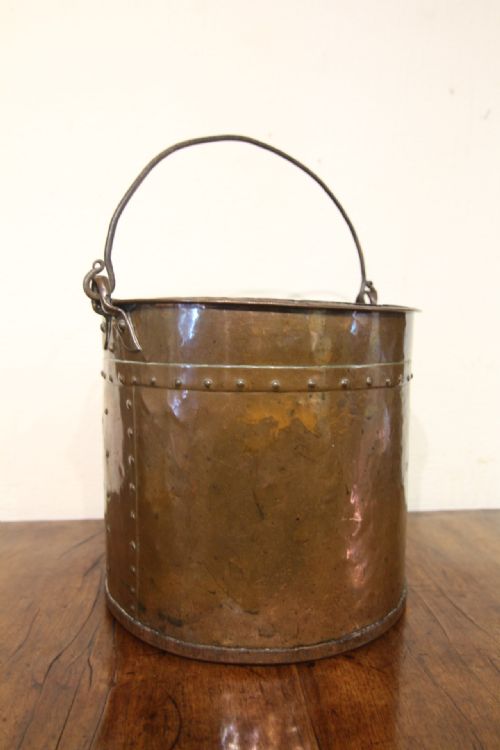
The pieces on this page originate predominantly from the nineteenth century, alongside examples from the eighteenth century and the nineteen-twenties. You will regularly find riveted bodies paired with iron or brass handles intended for heavy lifting.
Makers shaped these items for practical service in kitchens, sculleries, and beside fireplaces. Today, buyers utilise them to display greenery or store firewood in country and industrial interiors.
Materials and construction methods
Craftsmen built these vessels primarily from sheet copper joined with visible rivets, attaching swing handles forged from wrought iron or brass. Many examples incorporate wooden components like oak bases or include zinc linings for structural support.
The fabrication relies on traditional metalworking techniques suited for utilitarian objects, leaving hand-beaten textures and rich patinas across the surface. Artisans often reinforced the rims and bases with iron bands to withstand daily use.
The listings span the eighteenth, nineteenth, and early twentieth centuries, incorporating materials like oak, zinc, brass, and wrought iron.
Distinctions in quality
Quality rests in the weight of the metal and the integrity of the original joints and rivets. Thicker copper walls and heavy wrought iron handles indicate a higher standard of original manufacture.
The preservation of surface patination and the survival of original components without modern repairs distinguish superior examples. Pieces retaining their original form and intended function command greater interest.
The Rustic Copper Bucket Glossary
- Riveted
- Joined with metal pins hammered flat to secure overlapping sheets. This technique provides structural strength to heavy vessels.
- Cauldron
- A large round pot with a swing handle, traditionally used over an open fire for boiling or heating. These deep vessels often feature iron bails.
- Patina
- The surface sheen and colour developed through age, handling, and oxidation. It reveals the history of use on the metal.
- Jardiniere
- An ornamental pot or stand designed to hold growing plants or flowers. They appear in copper and brass across various decorative styles.
- Ferrat
- A traditional French term for a metal bucket or vessel used in agricultural or domestic work. These pieces demonstrate utilitarian French country craftsmanship.
Rustic Copper Bucket: Frequently Asked Questions
What were these buckets originally used for?
These vessels served heavy domestic duties around the home and hearth, carrying water, coal, or logs for fuel. Their robust construction handled daily labour in sculleries and kitchens.
Over time, many transitioned from utilitarian service to decorative roles inside the home. Today they function practically as storage bins for firewood or as planters for indoor greenery.
How do I care for antique copper?
Maintain the metal by dusting it gently with a dry cloth to preserve the existing surface layer. Avoid harsh chemical cleaners that strip away historical patination.
Keep the vessels dry when using them indoors as planters to prevent moisture damage to the base. Liners help protect the interior metal from prolonged dampness.
How can I tell an older piece apart?
Examine the construction methods, noting hand-beaten surfaces and individually hammered rivets rather than modern machine welds. Eighteenth and nineteenth-century examples display distinct tool marks and heavy ironwork.
Styles evolve from Georgian utilitarian pots to ornate Arts and Crafts or Victorian industrial designs. Comparing the handle attachments and the thickness of the sheet metal clarifies the period.
Can I use these outdoors in the garden?
Many of these vessels serve effectively as garden planters or log baskets in sheltered outdoor spaces. The durable metal withstands outdoor placement while developing further verdigris.
Ensure proper drainage if planting directly inside, or place a smaller pot within the main container. Extreme weather exposure may alter the historic surface over time.