


Late Victorian Clothes Press
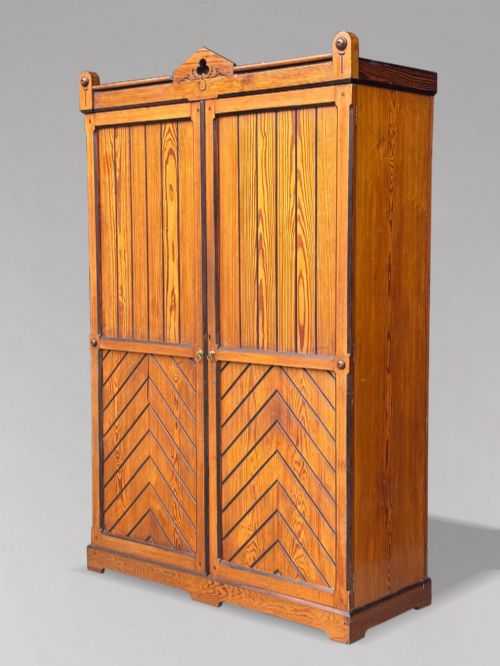
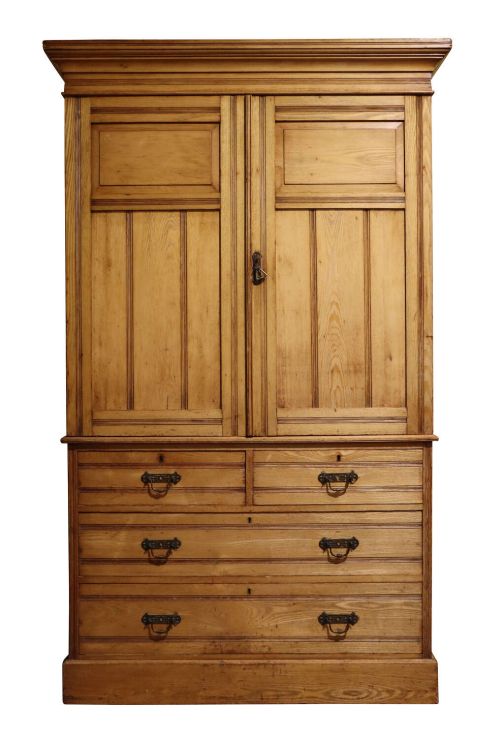
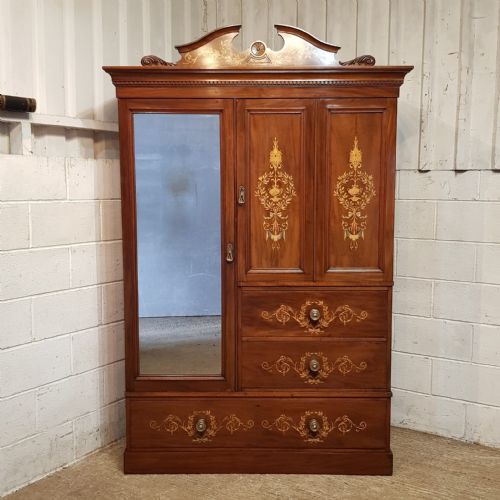
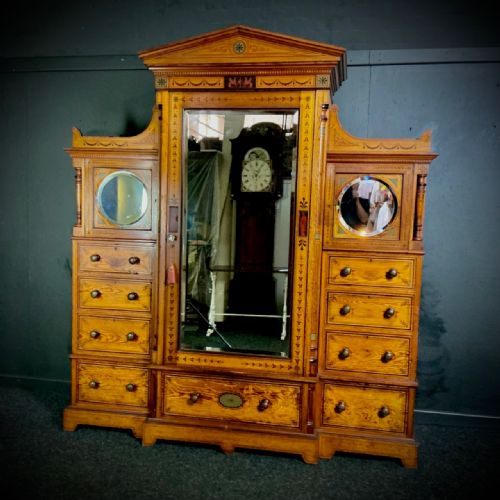
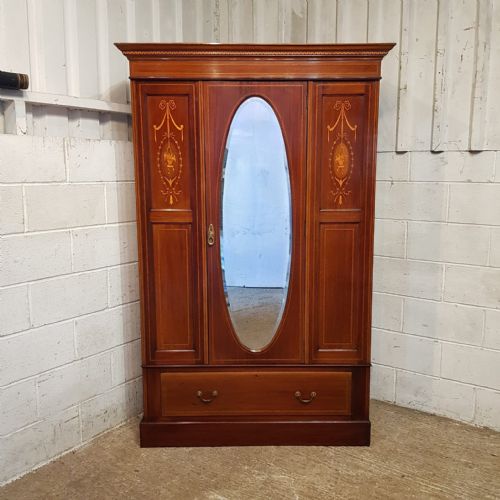
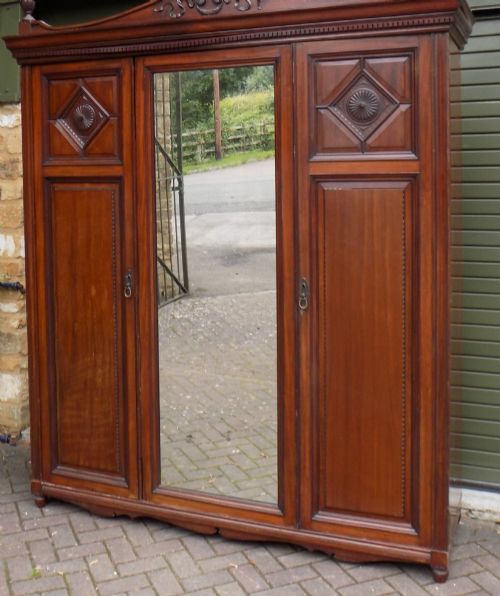
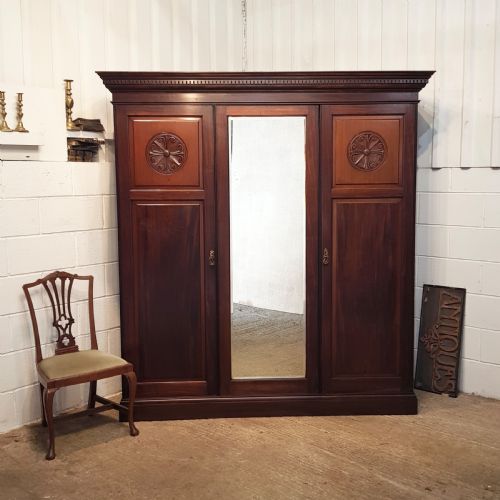
These late victorian clothes press examples combine generous storage with period craftsmanship in mahogany, ash, and walnut.

Late Victorian Clothes Press
A late victorian clothes press provides substantial storage through fitted internal hanging space, sliding trays, and drawers, appearing in single, double, and triple configurations. Buyers examining a late victorian clothes press will commonly find mahogany and walnut woods utilised across these architectural storage items.
The pieces originating from this late nineteenth century period display distinct stylistic influences including Gothic Revival, Aesthetic Movement, and Arts & Crafts designs. Single door formats and large compactum wardrobes dominate the available examples, often incorporating brass hardware and mirrored glass doors.
What varies in quality
The refinement of timber selection dictates the visual standing of a piece, with figured burr walnut and carefully matched mahogany veneers marking out superior examples. Plain secondary woods and simpler construction denote more utilitarian pieces produced for everyday household utility.
The complexity of the stylistic detailing, from Aesthetic Movement ornamentation to Gothic Revival carvings, separates standard utility cupboards from ambitious cabinet work. Intricate brass hardware and well-executed internal linen slides further distinguish the finer outputs.
Listings feature mahogany, walnut, burr walnut, ash, pitch pine, and satinwood across Victorian, Arts & Crafts, and Gothic Revival styles.
Maple & Co.
The Late Victorian Clothes Press Glossary
- Compactum
- A multi-section wardrobe combining hanging space, drawers, and linen shelves within one unified structure. This form maximises domestic storage efficiency.
- Linen press
- A tall cabinet traditionally utilised for storing folded garments and household linens upon internal sliding trays. Upper cupboard doors typically conceal these internal sliding shelves.
- Burr walnut
- A highly figured wood veneer taken from the growth excrescences of walnut trees. Cabinet makers prized this material for its complex, swirling grain patterns.
- Aesthetic Movement
- A late nineteenth century design style emphasising visual beauty over narrative meaning. Pieces from this movement often utilise light satin birch or ebonised woods.
Late Victorian Clothes Press: Frequently Asked Questions
What is a clothes press?
A clothes press is a traditional tall cabinet designed for storing garments and textiles, featuring internal sliding trays or hanging space.
These pieces served as primary bedroom storage before fitted wardrobes became standard in modern domestic architecture.
How do I spot a late victorian piece?
Late victorian pieces typically date from the final decades of the nineteenth century, showing stylistic influences from the Aesthetic Movement or Arts & Crafts.
Construction often employs dense hardwoods like mahogany and walnut alongside machine-assisted traditional joinery.
Where were clothes presses used?
These large storage items were placed primarily in the bedrooms of substantial Victorian homes to house folded linens and hanging garments.
Their substantial proportions require generous wall space and ceiling height in modern domestic settings.
What woods were used?
Cabinet makers utilised a range of timbers including mahogany, walnut, burr walnut, ash, pitch pine, and satinwood.
Secondary woods like pine were frequently employed for internal carcase construction and unseen drawer linings.