


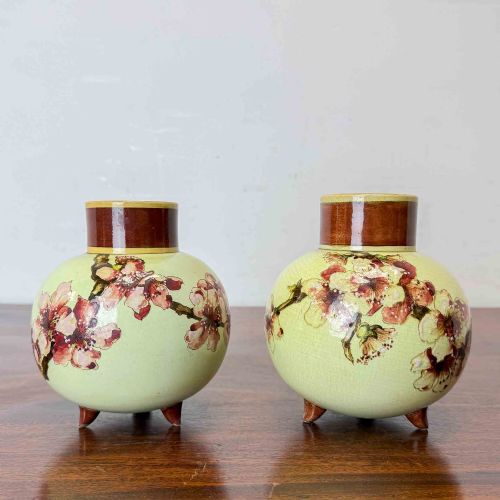


Late Victorian Ceramic Urns
Late victorian ceramic urns bring the ornate domestic display of the nineteenth century into focus with painted porcelain, glazed earthenware, and gilded detail.
Late Victorian Ceramic Urns
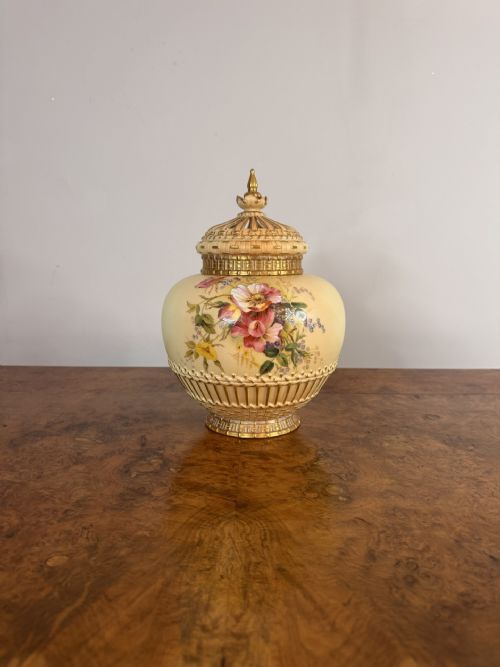
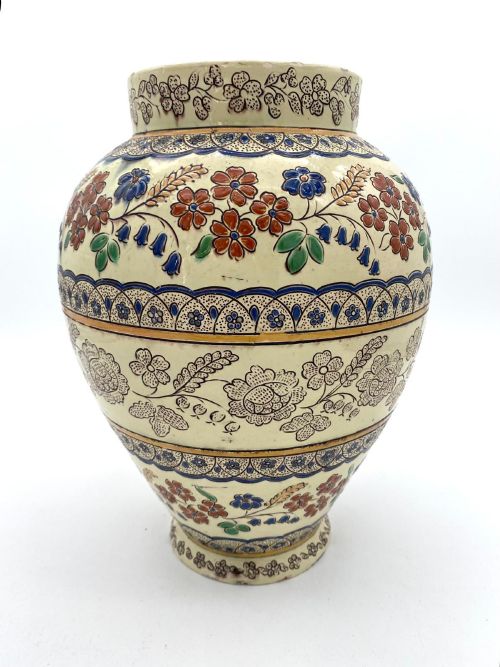
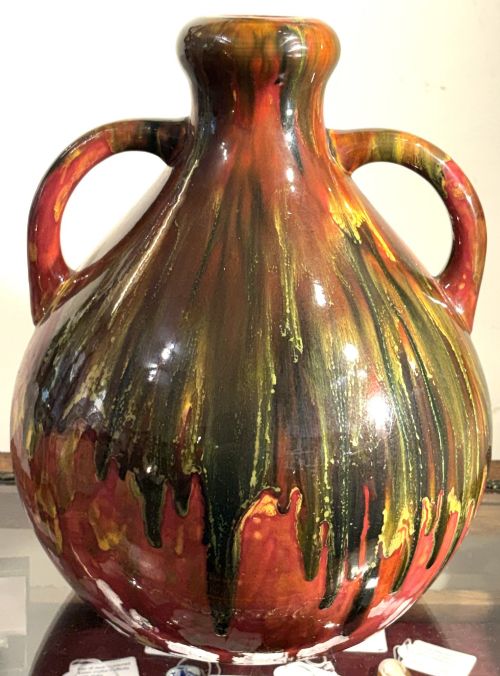
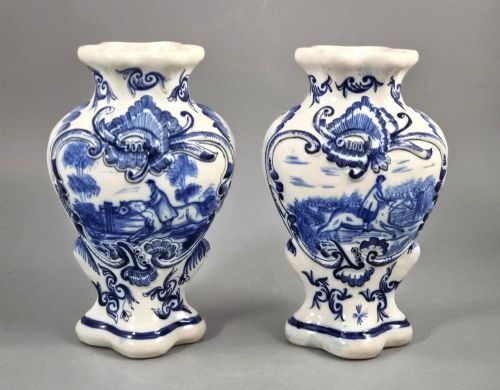
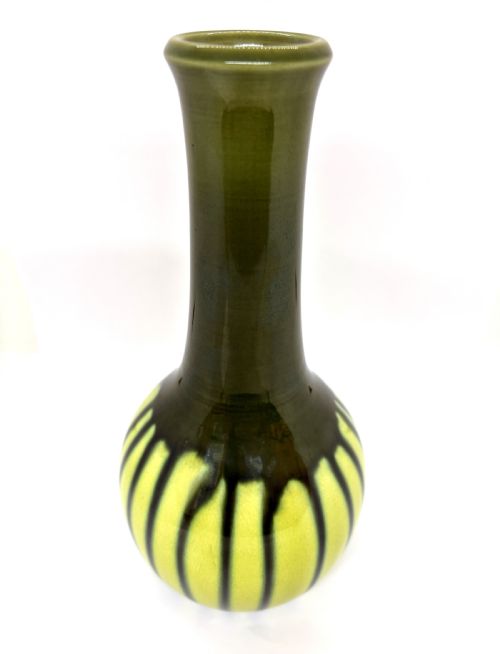
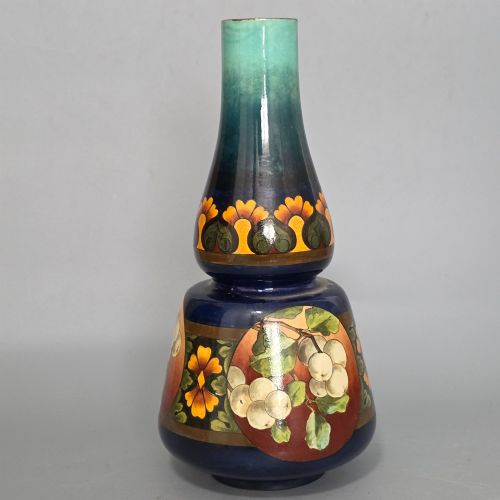
Late victorian ceramic urns encompass decorative vessels produced across the nineteenth century and into the early twentieth century, drawing on Victorian, Art Nouveau, and Arts and Crafts styles. Buyers seek these pieces for their formal presence and intricate surface decoration, which ranges from classical revival motifs to floral hand-painted designs.
The objects meeting this description on this page appear primarily as vases, lidded vases, ewers, and jardiniere sets in porcelain and earthenware. British potteries such as Royal Worcester, Doulton Lambeth, and Burmantofts sit alongside continental makers to form the core of the available selection.
Forms vary from large twin-handled pedestal urns to smaller beaker-form and baluster shapes. Many pieces utilise traditional shapes given new expression through contemporary glazes, lustre finishes, and metallic gilding.
How They Were Made
Makers utilised fine porcelain and earthenware as the primary base materials, shaping pieces by hand or using moulds for complex baluster and ewer forms. Ceramic bodies underwent initial firing before receiving detailed hand-painting or transfer printing.
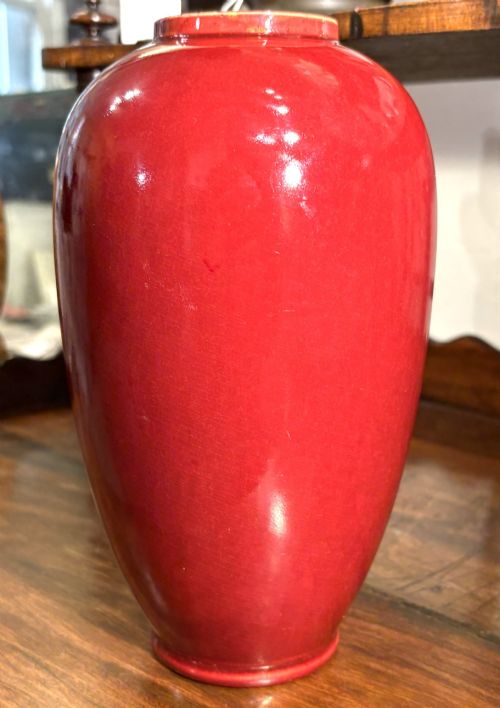
Glazing techniques defined the surface character, employing glossy enamels, matte finishes, and iridescent lustre glazes such as those developed by Clement Massier. Gold leaf and heavy gilding were applied to handles, rims, and pierced decorative elements to heighten the visual contrast.
Specialised decorative methods included pate-sur-pâte, where layers of slip built up low-relief designs against a contrasting ground, and intricate hand-painted floral motifs executed by named studio artists.
Late Victorian Ceramic Urns Retail Price Guide 2026
Typical asking prices for late victorian ceramic urns among the pieces listed under this phrase on Sellingantiques today, from the lower quarter to the upper quarter. They describe what is for sale here now, not the wider market.
The selection includes registered designs bearing diamond-shaped British registry marks alongside studio pieces from the eighteen-seventies to nineteen-twenties.
What Varies in Quality
Quality rests upon the precision of the hand-painting and the complexity of the ceramic body's form. Pieces featuring freehand botanical or figural work by recognised artists demonstrate a higher tier of craftsmanship than standard transfer-printed examples.
The application of surface finishes, including the depth of lustre glazes, the purity of enamel colours, and the crispness of gilded highlights, distinguishes finer studio output from commercial production. Relief modelling, such as dolphin bases or pierced handles, requires careful execution during the forming stage.
The standing of the pottery and the specific decorator involved shape the overall distinction of a piece. Signed works and items carrying registry marks point to greater accountability and skill in the manufacturing process.
Burmantofts·Fourmaintraux Courquin Desvres·Doulton Lambeth·Christopher Dresser·Alice Euphemia Thatcher·Tunnicliffe·Clement Massier·Ernst Wahliss·Royal Doulton·Royal Worcester·Royal Crown Derby·Brannam Art Pottery·Dresden·Sitzendorf·Sevres·Moorcroft Macintyre·Grainger s Worcester·Kate Locke·Hadley s and Sons·Royal Bonn·KPM·Doulton Burslem
The Late Victorian Ceramic Urns Glossary
- Earthenware
- Porous pottery fired at lower temperatures than porcelain and typically covered with an opaque glaze. It allowed regional potteries to produce robust domestic vessels with rich surface decoration.
- Pâte-sur-pâte
- A method of ceramic decoration where successive layers of liquid clay slip are built up on a dark body to create a low-relief cameo effect. This technique required immense patience and steady brushwork from the artisan.
- Lustre glaze
- A metallic film applied to pottery and fired in a reducing atmosphere to produce an iridescent sheen. It creates shifting colour effects across the ceramic surface.
- Ewer
- A large jug with a wide spout and elaborate handle, traditionally used for holding water but rendered here as a purely decorative object. These forms often feature neoclassical or rococo revival styling.
- Jardiniere
- An ornamental pot or stand designed to hold growing plants indoors. They frequently incorporate matching pedestals and heavy relief moulding.
Late Victorian Ceramic Urns: Frequently Asked Questions
How were late victorian ceramic urns used in homes?
These vessels served primarily as decorative garnitures on mantelpieces, sideboards, and pedestals within formal Victorian drawing rooms. They were designed for visual display rather than functional utility.
Larger lidded urns and ewers often stood as central focal points in a room scheme, whilst smaller pairs framed mirrors or clocks on display furniture.
What distinguishes late victorian ceramic urns from earlier periods?
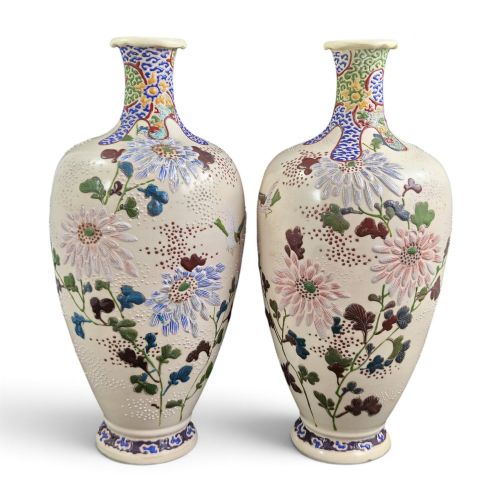
Late nineteenth-century pieces embrace a wider variety of stylistic revivals, incorporating Japanese influences, Aesthetic Movement asymmetry, and early Art Nouveau curves alongside traditional neoclassical forms.
The adoption of new glaze chemistry, notably iridescent lustre and intricate faience work, sets this period apart from the simpler painted earthenwares of earlier decades.
How do I identify the maker of a ceramic urn?
Makers marked their pieces using impressed stamps, painted monograms, and registry numbers on the unglazed base. These marks often include specific pottery ciphers or artist initials.
Consulting reference guides for British and continental factory marks helps match these symbols to specific production years and workshops.
Can these decorative urns be used for holding water?
Many of these vessels are porous earthenware or delicate porcelain primarily intended for ornament. Using them with water can damage the internal ceramic body or stain the historic glaze.
If utilised for fresh flowers, a hidden internal glass liner protects the historic interior from moisture and mineral deposits.