



Gilded Ceramic Small Vases
Gilded ceramic small vases bring rich metallic highlights and fine painted detail to side tables, drawing rooms and cabinets.
Gilded Ceramic Small Vases
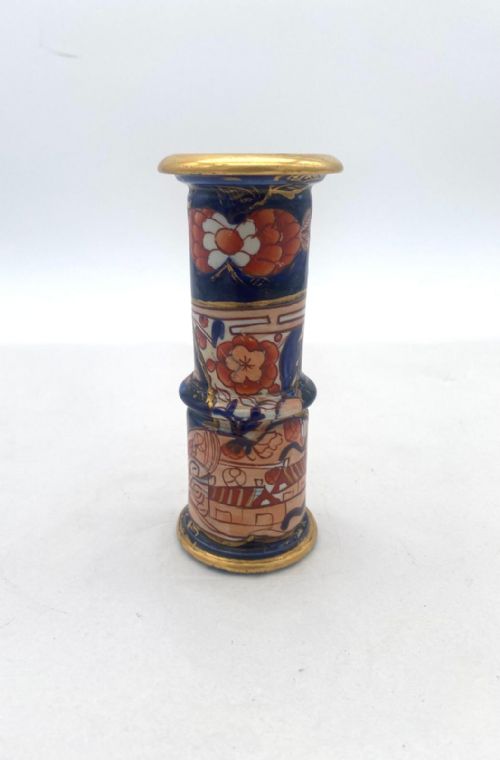
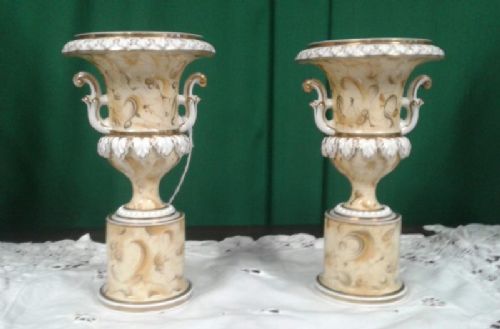
When you search for gilded ceramic small vases, you encounter miniature vessels created across the nineteenth and twentieth centuries in various styles. These decorative items range from nineteenth-century spill vases and campana shapes to Edwardian bud vases and Japanese imports.
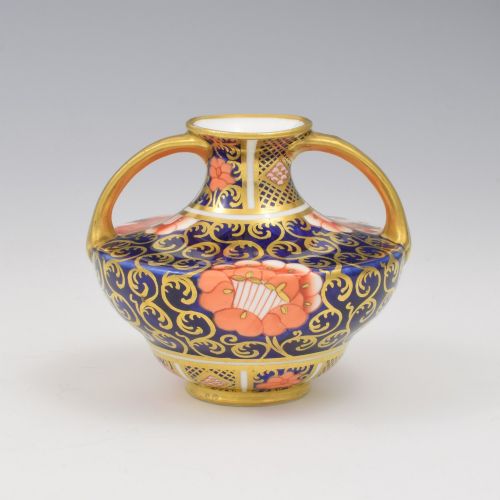
The pieces on this page span the Victorian, Edwardian and later periods, featuring works by factories such as Royal Crown Derby, Wedgwood and Royal Worcester. Buyers often find miniature porcelain twin-handled vessels, Satsuma earthenware and Imari patterned pieces designed for display.
Makers utilised earthenware, bone china and porcelain, applying gold leaf, enamel and glaze to achieve distinct finishes. Whether looking at a Doulton Lambeth miniature garland or a Moorcroft Macintyre pair, these items represent diverse ceramic traditions.
How they were made
Potters shaped porcelain, bone china and earthenware bodies before applying glazes and hand-painted decoration. Artisans then added gilding, gold leaf or gilt highlights to enhance the ceramic surfaces.
Specialised techniques included transfer printing and delicate hand painting by artists such as James Stinton and Ricketts. Firing processes set the enamel colours and fixed the metallic leaf to the ceramic body.
Gilded Ceramic Small Vases Retail Price Guide 2026
Typical asking prices for gilded ceramic small vases among the pieces listed under this phrase on Sellingantiques today, from the lower quarter to the upper quarter. They describe what is for sale here now, not the wider market.
Listings feature items from the Victorian, Edwardian, and early twentieth-century periods, utilising porcelain, earthenware, and bone china.
What varies in quality
The standard of painting distinguishes finer examples, particularly where artists painted birds, landscapes or intricate motifs by hand. Crisp detail in the gilding and well-preserved enamel colours elevate certain pieces above standard production.
The renown of the pottery and the complexity of the pattern shape desirability among collectors. Pairs and matched trios also command greater interest than isolated vessels.
Royal Crown Derby·Royal Worcester·Doulton Lambeth·Wedgwood·Moorcroft Macintyre
The Gilded Ceramic Small Vases Glossary
- Spill vase
- A tall, narrow vessel designed to hold taper candles used for lighting fires or pipes. These early items often featured simple cylindrical or campana forms.
- Campana vase
- A vessel shaped like an inverted bell with an everted rim and a pedestal foot. This classical silhouette appeared frequently in nineteenth-century ceramic production.
- Imari
- A Japanese decorative style featuring rich underglaze blue and iron red, heavily accented with gold. British factories adopted these distinctive colour palettes during the Edwardian era.
- Satsuma
- An earthenware ceramic type originating in Japan, characterised by an ivory crackle glaze and elaborate polychrome and gilt enamel decoration. These wares gained immense popularity in the West around nineteen hundred.
- Lustre
- A ceramic finish incorporating metallic oxides that produce an iridescent sheen when fired. Wedgwood applied this technique to create decorative effects on small vessels.
Gilded Ceramic Small Vases: Frequently Asked Questions
What were small gilded vases used for?
These miniature vessels served primarily as decorative ornaments on mantelpieces, tables and cabinets in period homes. Some specific forms, such as spill vases, held tapers for lighting lamps or fires.
Their compact size allowed them to accent smaller spaces where full-sized vessels would prove impractical.
How do I identify an Edwardian piece?
Edwardian ceramics often display refined Imari patterns or delicate floral motifs influenced by earlier Japanese and European designs. Factories active during this reign frequently marked their bases with specific date ciphers or pattern numbers.
Examining the style of the gilding and the registration marks helps confirm the period of manufacture.
What is Satsuma ware?
Satsuma ware is a type of Japanese earthenware distinguished by a distinctive cream-coloured crackle glaze. Artisans decorated these surfaces with dense enamel paintings and heavy gold leaf.
These pieces arrived in significant quantities during the late nineteenth and early twentieth centuries.
How should I clean gilded ceramics?
Gilded ceramic small vases require gentle dusting with a soft, dry brush to preserve the delicate gold leaf and enamel surfaces. Avoid using commercial cleaning liquids, water or abrasive cloths, as moisture can damage fragile gilt.
Keep these items out of direct sunlight to prevent fading of the hand-painted colours.