





Late Victorian Armoire
A late victorian armoire is a substantial bedroom storage piece offering generous hanging space and architectural presence for traditional interiors.
Late Victorian Armoire
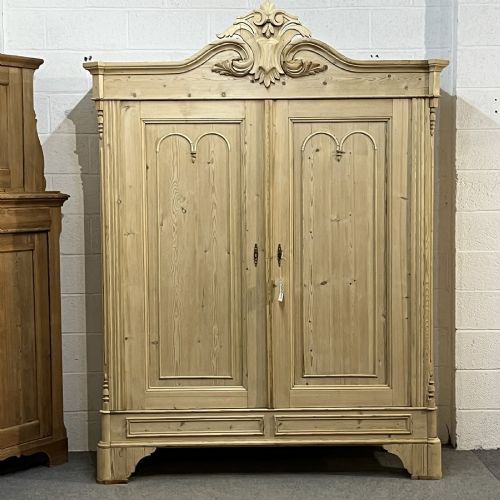
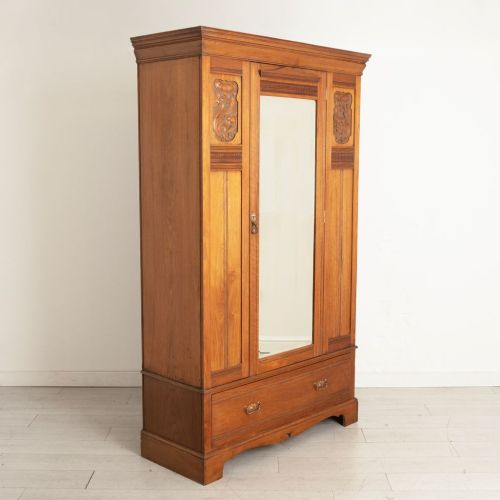
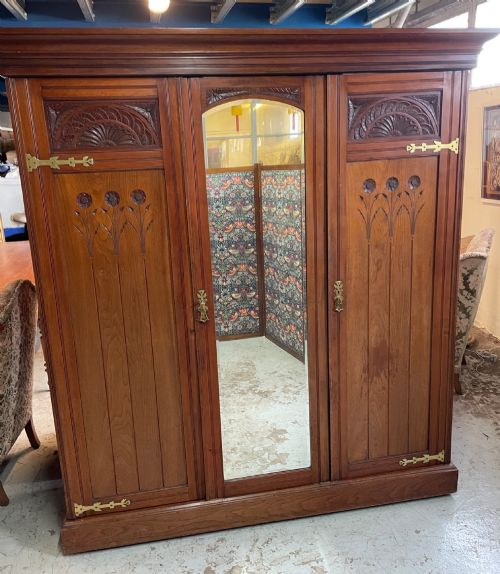
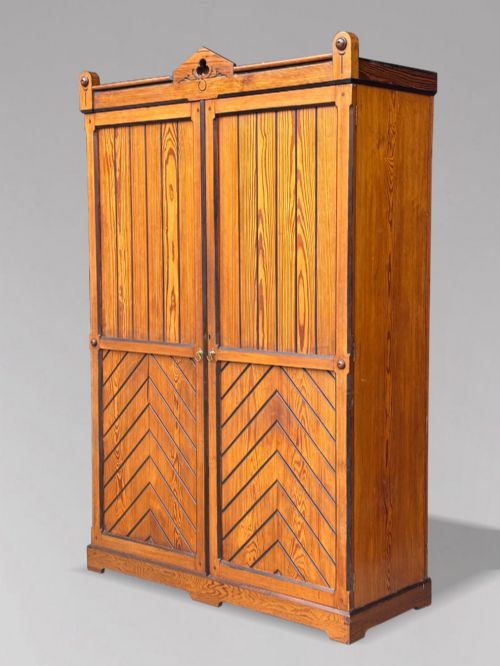
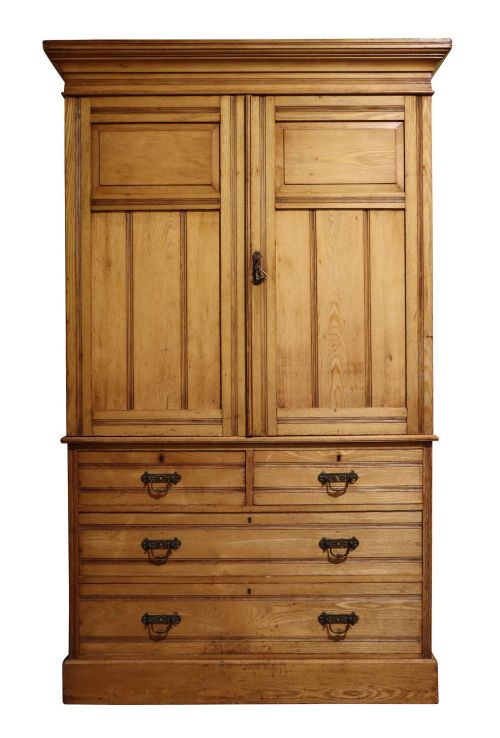
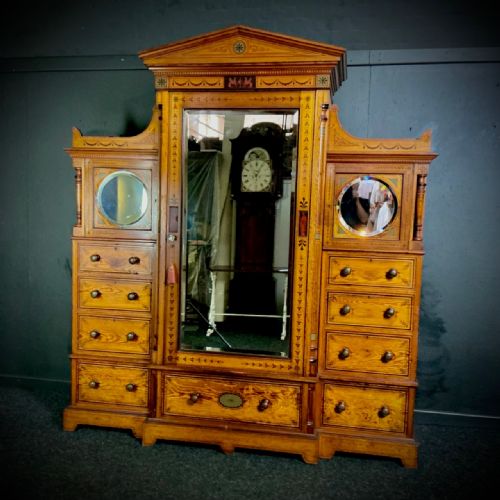
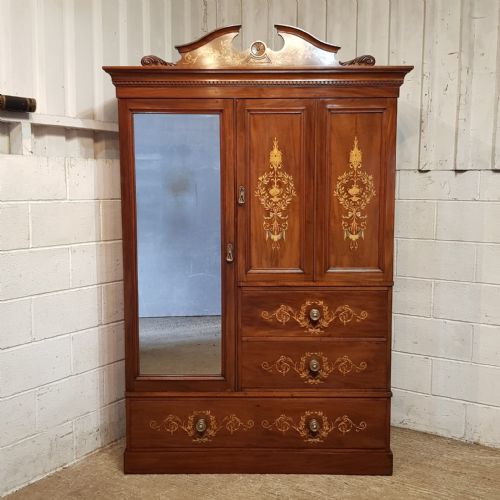
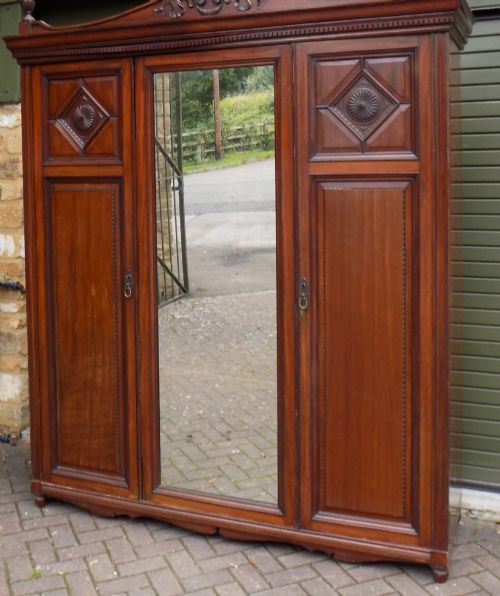
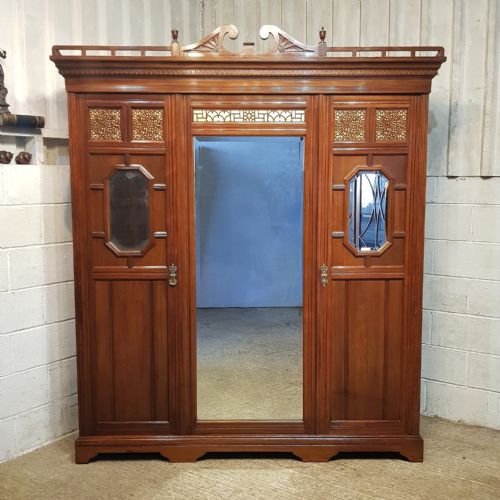
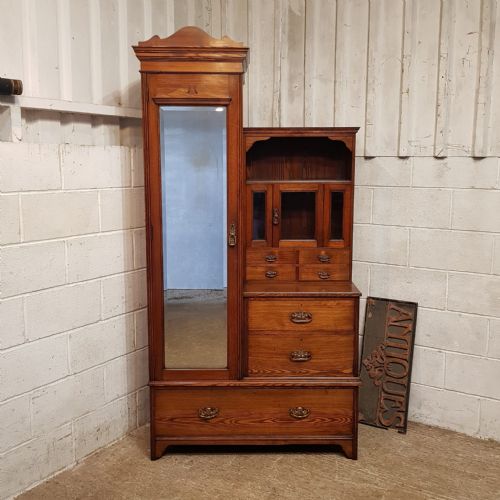
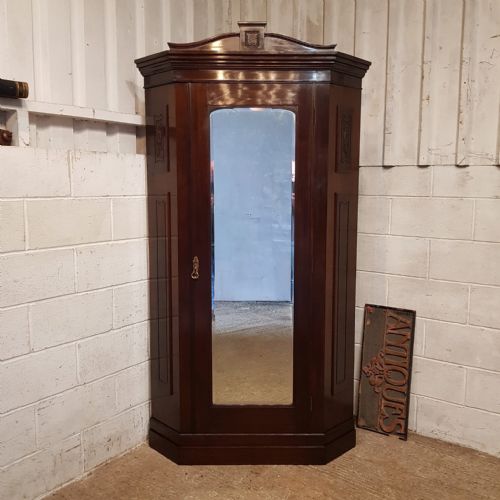
A late victorian armoire typically manifests as a wardrobe, combination wardrobe, press cupboard, or compactum originating from the nineteenth century around eighteen eighty to eighteen ninety. These items serve as large bedroom storage solutions, frequently incorporating hanging compartments alongside drawers and mirrored doors.
The prevailing form on this page is the mahogany or walnut triple and single wardrobe, though pieces also appear in ash, pine, and satin birch. Stylistic variations encompass Gothic Revival, Arts and Crafts, and Aesthetic Movement designs alongside standard Victorian styling.
Buyers encounter regional examples such as Scottish pine pieces alongside English furniture from workshops influenced by makers like Maple and Co. or Shapland and Petter. These variations provide distinct regional character and timber selections suitable for period homes.
How they were made
Cabinet makers utilised solid timbers and veneers such as mahogany, burr walnut, ash, and pine, constructing carcases designed to withstand heavy domestic use. Brass hardware, mirror glass, and glass panels are integrated into doors and internal fittings.
Construction techniques include framing with fielded panels, decorative inlay, and carving reflecting Gothic Revival or Aesthetic Movement preferences. Interiors frequently feature timber shelving, sliding linen trays, and brass hanging rails.
Late Victorian Armoire Retail Price Guide 2026
Typical asking prices for late victorian armoire among the pieces listed under this phrase on Sellingantiques today, from the lower quarter to the upper quarter. They describe what is for sale here now, not the wider market.
Listings feature mahogany, burr walnut, ash, pine, and satin birch timber across Victorian, Arts and Crafts, Gothic Revival, and Aesthetic Movement styles.
What varies in quality
Quality rests upon the selection of timber figures, such as burr walnut or figured mahogany, and the precision of the joinery in cornices, plinths, and door frames. Combination wardrobes with fitted internal drawers and original mirrored glass demonstrate higher manufacturing ambition.
Stylistic detail distinguishes standard production from notable workshop pieces, particularly where carving, brass mounts, and Aesthetic Movement or Arts and Crafts design elements are executed with refinement.
Maple and Co.·Shapland and Petter
The Late Victorian Armoire Glossary
- Armoire
- A tall cupboard or wardrobe used for hanging clothes and storing linens. This term often describes large nineteenth-century European and British wardrobe pieces.
- Compactum
- A fitted wardrobe containing a combination of hanging space, drawers, and linen shelves within a single footprint. These multi-purpose units maximise bedroom storage efficiency.
- Press cupboard
- A tall piece of furniture featuring upper cupboard doors enclosing shelves and lower drawers. They evolved from earlier linen presses to modern wardrobe storage.
- Burr walnut
- A highly decorative wood veneer showing twisted growth patterns and knots. Cabinet makers applied it to door panels to create rich visual textures.
Late Victorian Armoire: Frequently Asked Questions
How do I fit a modern clothes hanger inside?
Many late nineteenth-century wardrobes were built before standard clothes hangers existed, meaning internal depths can be shallower than modern standards. Some pieces feature front-to-back sliding rails or shorter hanging widths to accommodate contemporary garments.
Buyers should check internal depth measurements before purchase to ensure standard coat hangers fit comfortably without pressing against mirrored or solid timber doors.
Can these large wardrobes be dismantled for moving?
Most triple and combination wardrobes from this era were constructed as modular units comprising a central section, flanking wings, a heavy cornice, and a plinth. They bolt together internally so they can be disassembled for transport and reassembled in rooms with difficult access.
Single wardrobes and smaller compactums often remain as one solid piece, requiring careful measurement of stairwells and doorways prior to delivery.
What is the difference between an armoire and a compactum?
An armoire generally provides full-height hanging space behind large doors, whilst a compactum divides the interior space to incorporate drawers, sliding linen trays, and smaller hanging sections alongside the main wardrobe compartments.
Compactums offer versatile storage for folded clothing and accessories in addition to garments requiring hangers, making them highly functional bedroom furniture.
How do I identify Arts and Crafts influence?
Arts and Crafts pieces on this page typically feature plainer timber surfaces, visible construction methods, and hammered brass hardware rather than heavy Victorian ornamentation. They emphasise natural wood grains like ash or pine with minimal applied decoration.
Such pieces reflect the late nineteenth-century movement towards honest craftsmanship and simpler domestic forms.