




Late Qing Porcelain
Late qing porcelain brings together the vibrant enamel palettes and crisp cobalt underglazes made during the final decades of imperial China.
Late Qing Porcelain
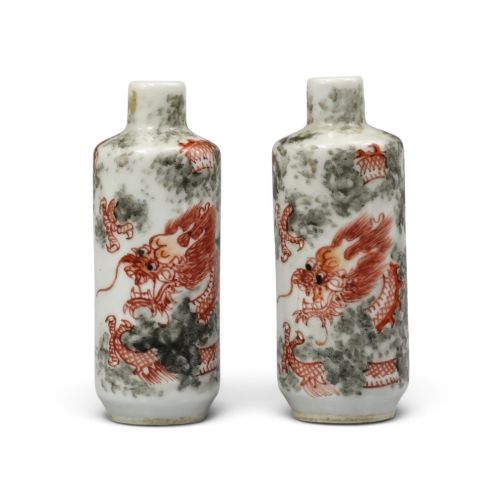
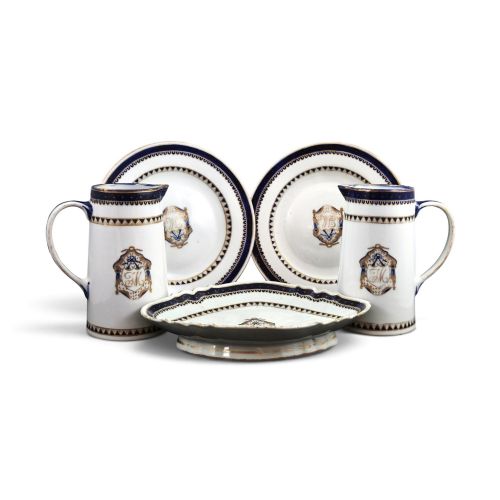
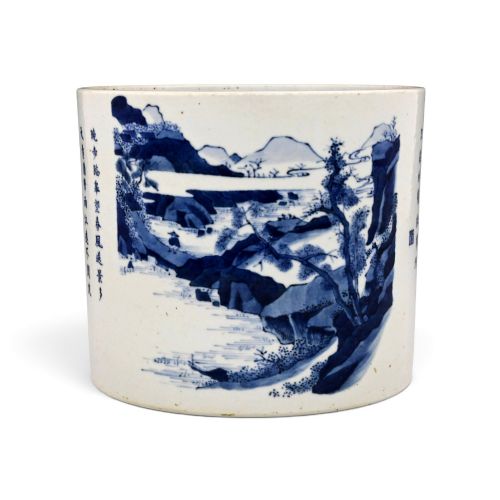
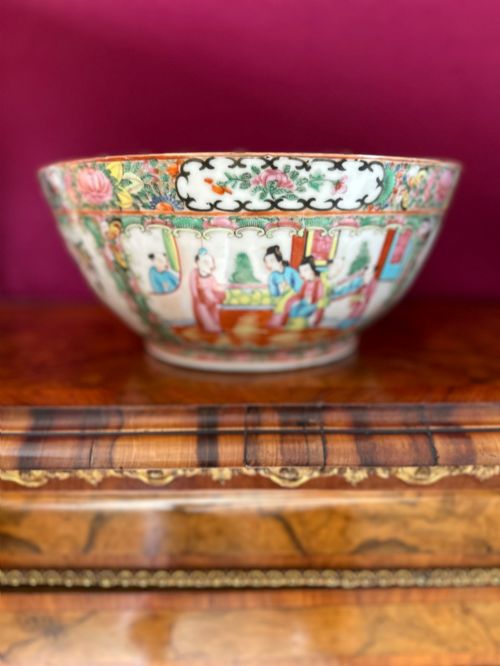
When browsing late qing porcelain, collectors encounter pieces created primarily during the nineteenth century and the transition into the twentieth century, particularly the Guangxu period. The selection encompasses functional vessels and ornamental items such as vases, large punch bowls, brush pots, and matched pairs of snuff bottles. Many examples reflect the styles of earlier imperial reigns while maintaining the characteristic production methods of the late nineteenth century.
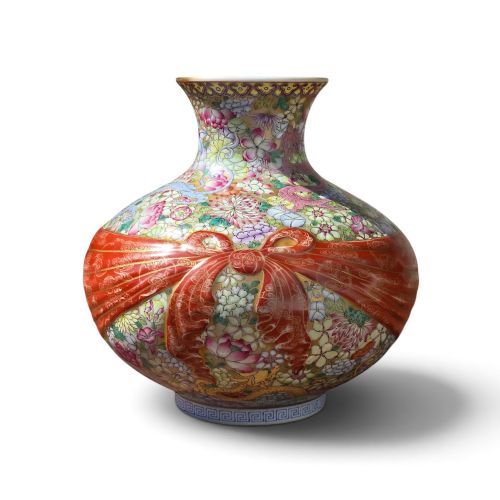
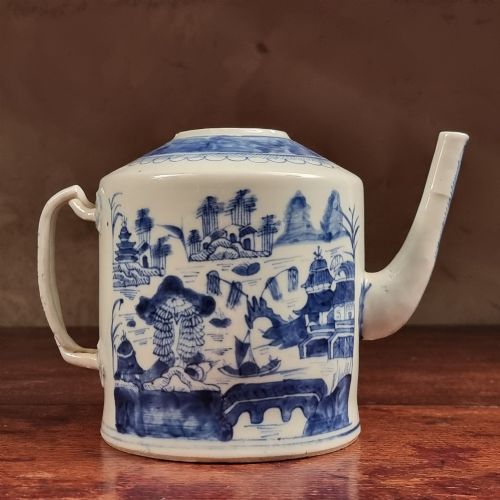
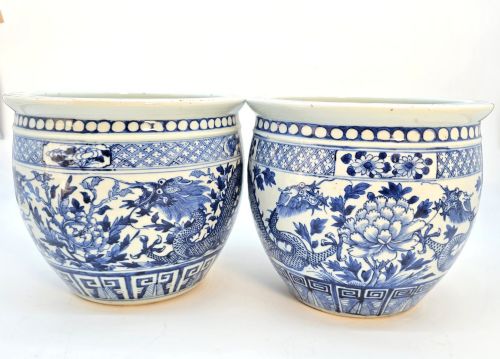
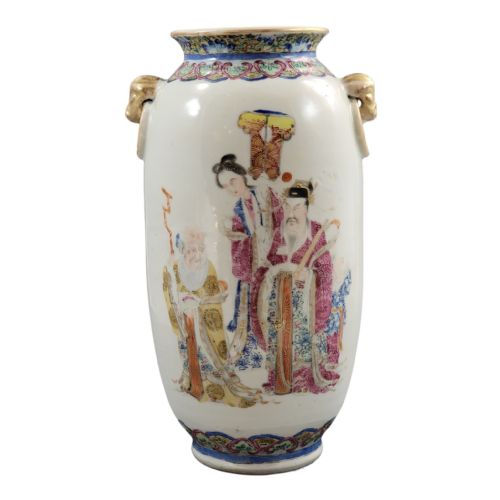
Vessels decorated with famille rose enamels, canton designs, and cobalt blue underglazes dominate the available forms. Buyers also find utilitarian items like garden seats and table lamps adapted from earlier vases alongside figural works depicting traditional subjects. These objects demonstrate the enduring output of kilns in Jingdezhen and surrounding production centres during a period of significant cultural transition.
Materials and production techniques
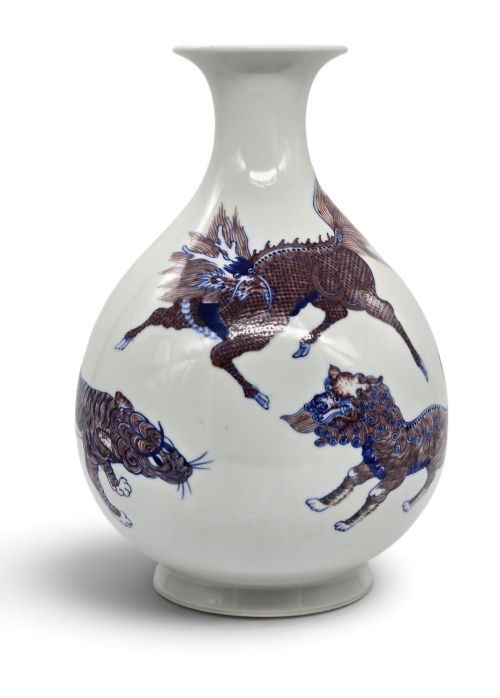
Potters shaped fine clay bodies into vessels that were then painted using cobalt underglaze pigments before receiving a transparent glaze and kiln firing. Many items received secondary decoration over the glaze utilising coloured enamels, iron-red pigments, and occasional applications of gold leaf. This combination required multiple firings to bond the delicate surface colours to the porcelain body.
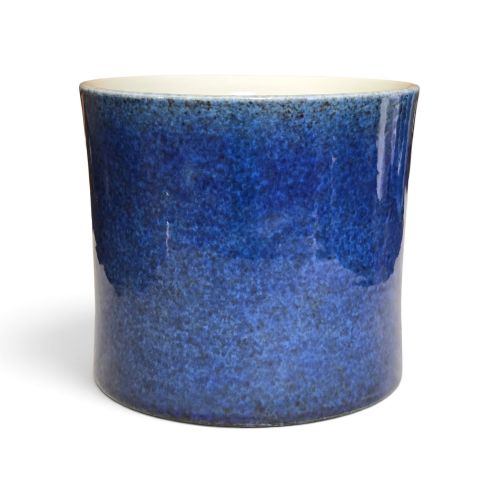
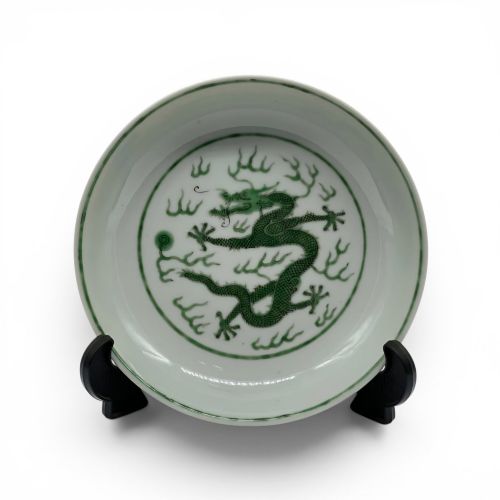
Kiln workers achieved specific surface textures through specialised treatments, producing powder-blue glazes, celadon finishes, and eggshell-thin porcelain walls. Artisans at Jingdezhen maintained rigorous hand-painting traditions, executing detailed motifs of dragons, birds, and scholarly figures with fine brushwork.
Listings feature numerous nineteenth-century forms including garden seats, punch bowls, and brush pots decorated with cobalt underglaze and famille rose enamels.
Factors that separate examples
The precision and density of the hand-painted decoration distinguish superior works from standard commercial output. Pieces featuring crisp outlines, controlled enamel layers, and well-rendered subjects reflect a higher grade of artisan skill within the kilns.
Condition and completeness heavily influence the standing of a piece, particularly for matched pairs, service sets, and delicate eggshell bowls. Vases retaining original covers or items bearing authentic reign marks demonstrate greater integrity than heavily altered or later adapted pieces.
The Late Qing Porcelain Glossary
- Famille rose
- A palette of opaque rose-pink and other soft enamel colours introduced during the Qing dynasty. This polychrome style allowed artists to render subtle tonal gradations on porcelain surfaces.
- Cobalt underglaze
- A blue pigment applied directly to the raw clay body before glazing and firing at high temperatures. The resulting design sits beneath the glossy surface layer.
- Bitong
- A cylindrical brush pot used by scholars to hold writing implements on a desk. These ceramic vessels frequently feature carved or painted figural scenes.
- Meiping
- A high-shouldered vase with a narrow neck traditionally used for plum branches. The form balances a wide upper body with a tapered base.
- Canton porcelain
- Decorated wares produced in Guangdong province for export markets during the nineteenth century. These items typically feature dense panels of figures, birds, and floral motifs.
Late Qing Porcelain: Frequently Asked Questions
How do I identify a Guangxu period piece?
Look for specific imperial marks on the base alongside the distinct famille rose or iron-red enamel styles associated with the late nineteenth century.
Comparison with documented examples from the same era helps confirm the specific production period and kiln origin.
Were these items made for export?
Many objects from this era were produced specifically for Western markets through trade ports like Canton. Other pieces served domestic imperial and scholarly functions within China.
Export items often adapt traditional motifs to suit European room settings and decorative preferences.
How should I clean porcelain vessels?
Dust surfaces gently with a soft dry brush and avoid harsh chemical cleaners that can damage delicate overglaze enamels and gold leaf.
Hand wash unmounted ceramic items in lukewarm water with mild soap only when necessary.