




Late Qing Dynasty Carvings
Late qing dynasty carvings bring tactile craft into a room, offering jade, soapstone, wood and bone shaped by decades of artisan tradition.
Late Qing Dynasty Carvings
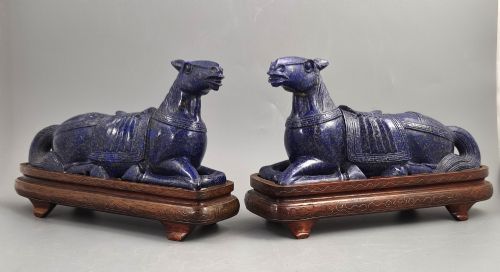
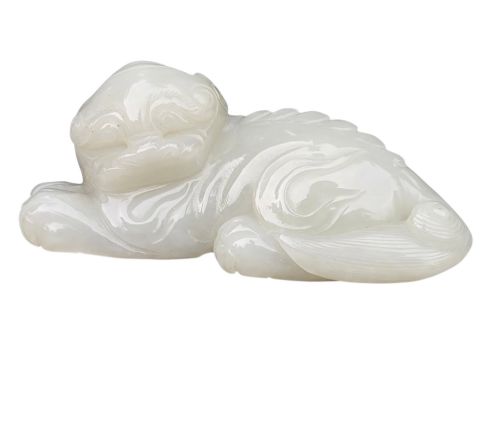
When you search for late qing dynasty carvings, you encounter a diverse array of decorative and ritual objects spanning figurative sculptures, scholar’s desk items and furnishings. The selections on this page range from small jade vessels and soapstone figures to bamboo brush pots and hardwood animal sculptures.
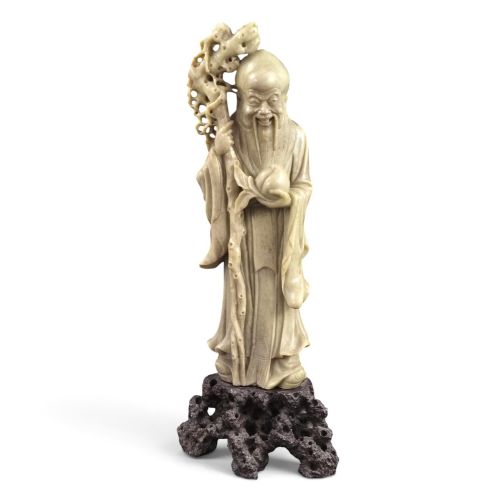
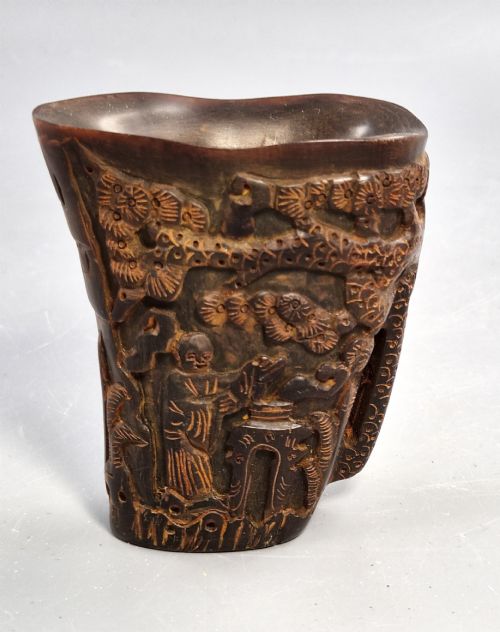
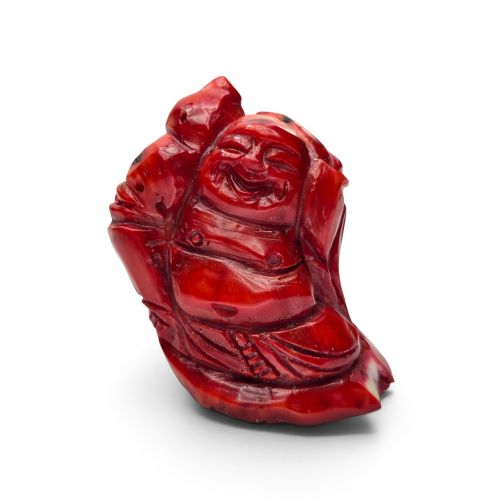
Most examples date to the nineteenth century, though earlier transitional pieces from the seventeenth and eighteenth centuries also appear. Forms include mythical beasts, deities such as Shoulao and Budai, auspicious Mandarin ducks, and functional items like libation cups and sceptres.
The materials used reflect both organic and mineral substances, creating varied textures from smooth nephrite to gnarled rootwood. Buyers typically find items that served scholar, temple or domestic settings during a period of skilled hand production.
How they were made
Makers shaped hardstones like nephrite, jadeite and soapstone using abrasive grinding compounds and hand tools to achieve smooth contours and fine detail. Woodworkers utilised indigenous timbers, rootwood and bamboo, carving directly into the grain to define figures, vessels and table lamps.
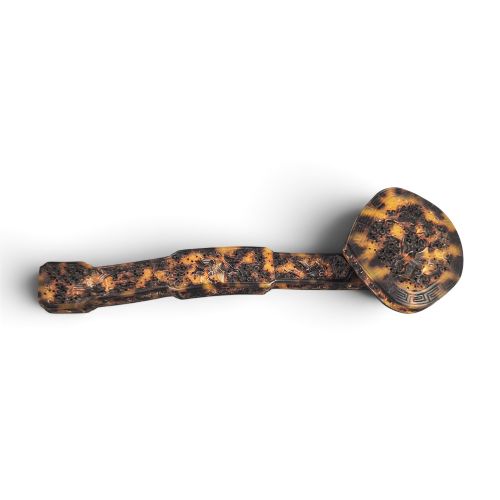
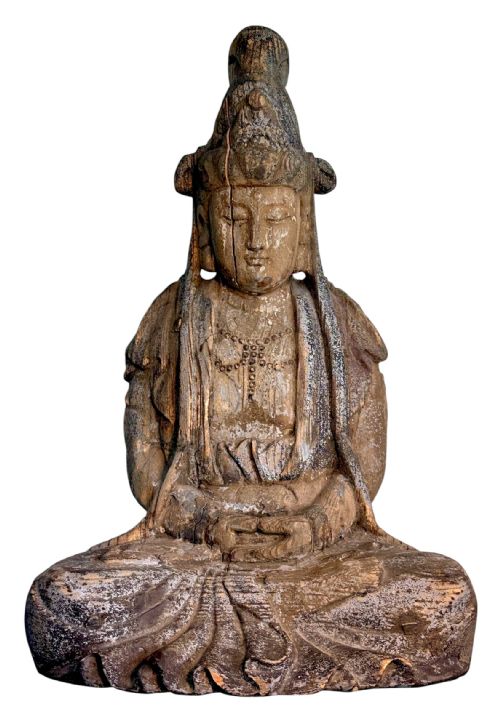
Organic materials such as water buffalo horn and tortoiseshell required softening and careful incision to create intricate scholar’s tools and ruyi sceptres. Gilt and polychrome pigments were occasionally applied to wooden temple figures to enhance their ceremonial presence.
Materials documented in current inventory range from minerals like jadeite and quartz to organic substances including tortoiseshell, rootwood and coral.
What varies in quality
The success of a piece depends on the carver's mastery over the specific medium, whether managing the fibrous resistance of bamboo or the extreme density of jade. Superior examples display confident, deep relief carving that respects the natural limitations and inclusions of the raw material.
The Late Qing Dynasty Carvings Glossary
- Ruyi sceptre
- A curved decorative object shaped like a lotus blossom or lingzhi mushroom at the head, traditionally symbolising power and good fortune. These ceremonial items were often carved from jade, tortoiseshell or hardwood.
- Libation cup
- A ceremonial vessel historically used for pouring wine offerings, rendered in materials like rhinoceros horn, jade or buffalo horn. Collectors prize them for their dense relief carving depicting scholars and immortals.
- Shoulao
- The Chinese Taoist god of longevity, typically depicted with a high forehead and a staff. Sculptures of this figure appear frequently in soapstone and wood.
- Brush pot
- A cylindrical vessel used by scholars to hold writing brushes, frequently carved from bamboo or hardwood with outdoor landscape scenes. They represent the literati aesthetic of the period.
- Nephrite jade
- A tough, compact amphibole mineral valued for its smooth lustre and varied green or white tones. It forms the medium for many finely polished imperial and scholar carvings.
Late Qing Dynasty Carvings: Frequently Asked Questions
What materials were used for late qing dynasty carvings?
Carvings from this era utilise a wide spectrum of hard and soft materials, including nephrite jade, soapstone, bamboo, rootwood, hardwood, tortoiseshell and water buffalo horn.
Different workshops specialised in specific mediums, meaning mineral carvings and organic horn or wood pieces each display distinct surface textures and tool marks.
Are these carvings made by hand?
The pieces recorded here reflect traditional hand-carving techniques utilising abrasive minerals, saws and small chisels. Artisans worked directly with the natural contours of the material.
Tool marks and minor asymmetries often remain visible on close inspection, confirming individual manual execution rather than modern industrial production.
How should I care for organic carvings?
Organic materials such as bamboo, horn and wood respond to changes in humidity and temperature. Keep them away from direct sunlight and artificial heat sources to prevent cracking.
Dusting gently with a dry, soft cloth is generally sufficient for routine maintenance without applying chemical polishes.
What is a rootwood stand?
Rootwood stands utilise the gnarled, twisting growth patterns of tree roots to create rustic bases for lamps, vases or tabletops. They showcase the natural sculptural quality of the wood.
Carpenters shaped and polished these sections while retaining the eccentric contours dictated by the living tree.