


Antique Wooden Bird Figures
Antique wooden bird figures bring character to a room, ranging from carved decoys to Black Forest inkwells shaped by Victorian hands.
Antique Wooden Bird Figures
When you search for antique wooden bird figures, you encounter carved avian representations spanning several centuries and distinct regional traditions. These objects range from utilitarian working decoys to decorative sculptures and functional items like inkwells.
The selection on this page relies heavily on nineteenth-century pieces, including Black Forest carvings and folk art ducks. You will also find items originating from Japanese, Chinese, and European workshops employing traditional carving methods.
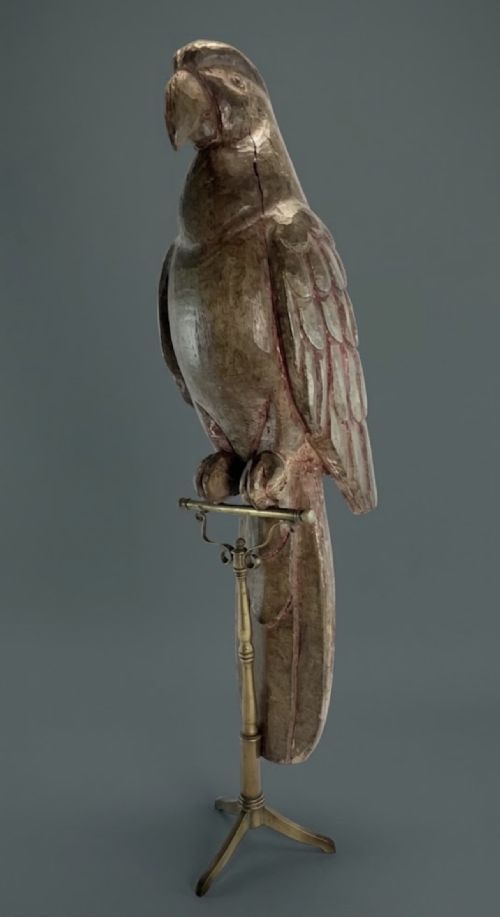
Form and function intertwine in this category, encompassing single figures of parrots, eagles, and herons alongside pairs of mandarin ducks. Each piece reflects the specific purpose and aesthetic of its maker, whether for domestic display or field use.
How they were made
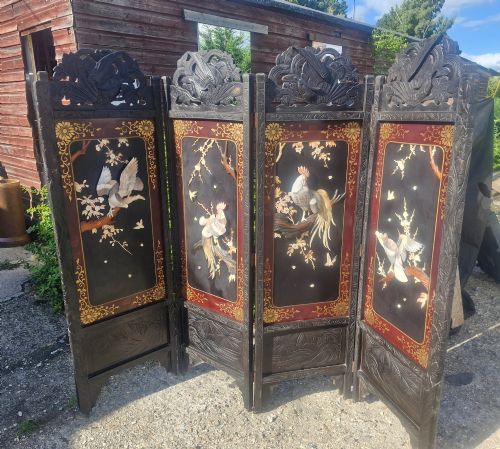
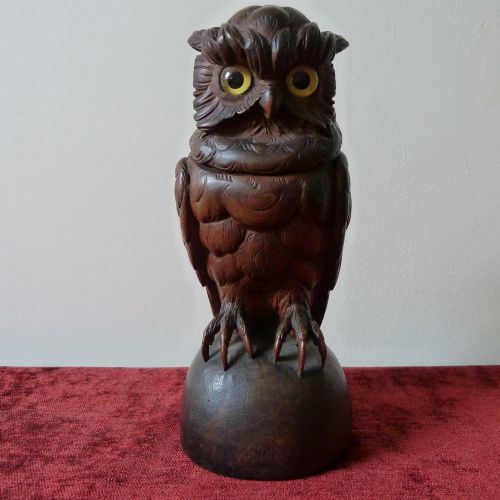
Some examples incorporate mixed media elements, pairing carved wooden bodies with glass eyes, brass stands, or inset bone details. These varied construction techniques reflect the specific craftsmanship of makers across Europe and Asia.
An eighteenth-century swan wears a coat of gilt-wood, proving that even waterfowl occasionally fancied a touch of gold.
What varies in quality
Quality in these carvings rests on the precision of the form and the vitality of the posture. A well-executed piece captures the natural anatomy and attentive posture of the bird without stiffness.
The finesse of the surface finish distinguishes finer works, whether through delicate hand painting, crisp feather penwork, or deep relief carving in Black Forest styles. Wear and patination should appear natural to the age of the wood rather than obscuring the maker's hand.
The Antique Wooden Bird Figures Glossary
- Black Forest
- A style of wood carving originating from the Brienz region of Switzerland, known for realistic animals and detailed foliage. These pieces often feature bears, birds, and forest motifs.
- Decoy
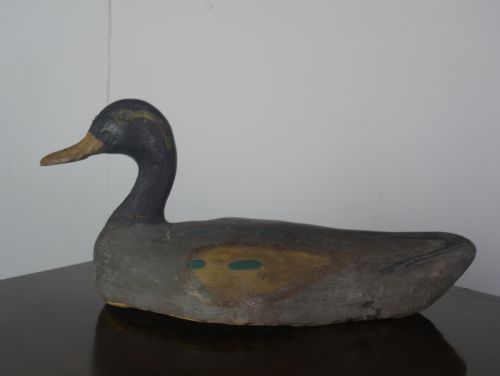
- A carved wooden bird used by hunters to attract waterfowl or pigeons. Many examples show working use and original painted surfaces.
- Gesso
- A plaster-like mixture applied to wood as a base for paint or gilding. It provides a smooth surface for fine decorative details.
- Penwork
- A technique of drawing fine lines with ink onto a prepared surface to simulate feather patterns. This decoration appears on several nineteenth-century wooden figures.
- Chinoiserie
- European artistic style reflecting Chinese motifs and decorative techniques. It frequently appears in eighteenth and nineteenth-century furniture and decorative objects.
Antique Wooden Bird Figures: Frequently Asked Questions
How are wooden bird figures dated?
Dating relies on examining tool marks, timber types, and the composition of surface finishes like paint or gesso. Stylistic markers from periods such as the Victorian era or Qing Dynasty also help establish chronology.
Comparison with documented examples from similar workshops provides further context for the age of a carving.
Were decoys used outdoors?
Working decoys were placed in water or fields to lure live birds within shooting range. This practical use often resulted in weathering and multiple layers of working paint.
Decorative decoys, by contrast, remained indoors and retained their original delicate finishes.
How do I care for antique wood?
Keep wooden figures away from direct sunlight and sudden changes in temperature to prevent the timber from splitting. Dust them gently with a dry, soft cloth rather than using liquid polishes.
Maintaining stable room humidity preserves both the wood and any fragile painted or gessoed surfaces.
What is a Black Forest inkwell?
A desk accessory featuring a carved wooden animal, such as an owl or eagle, with a concealed ink glass insert. These items combined decorative sculpture with practical Victorian office use.
They were popular souvenirs for nineteenth-century travellers visiting the Swiss Alps.