


Vintage Timber Duck Carvings
Vintage timber duck carvings bring vernacular character and rustic charm to a room, ranging from English country work to carved Chinese hardwood.
Vintage Timber Duck Carvings
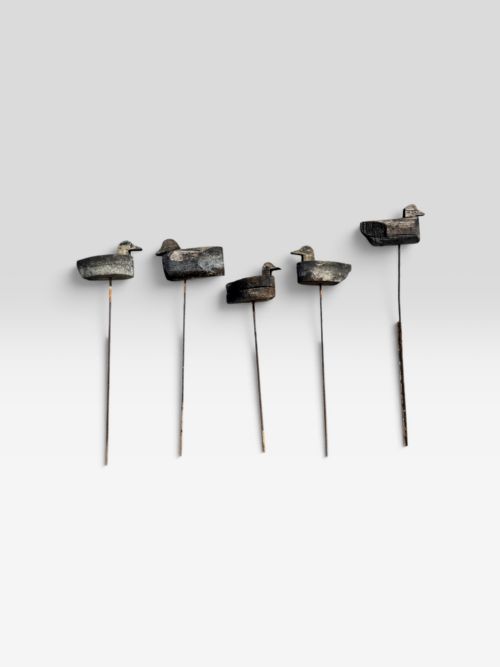
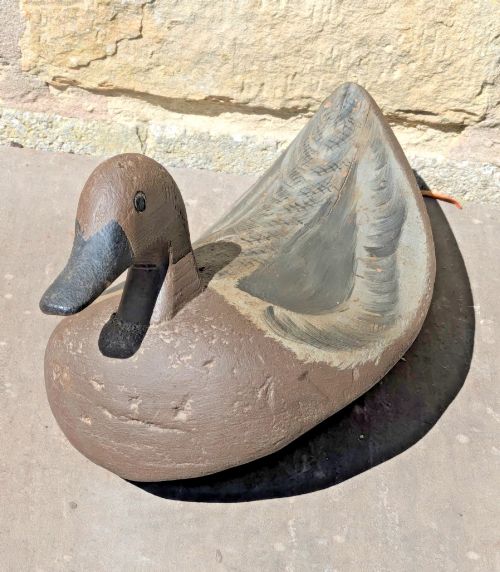
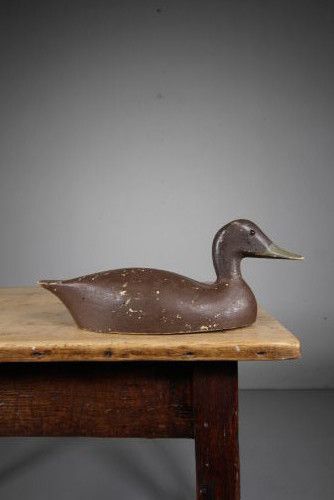
Vintage timber duck carvings encompass decoy ducks and decorative sculptures shaped from wood and hand-painted by makers across different periods. When searching for vintage timber duck carvings, buyers encounter traditional working decoys alongside decorative sculptures and figures.
The selections span the nineteenth century, the Edwardian era, and the nineteen-twenties and nineteen-thirties. Pieces range from English and French folk art pieces to Chinese Qing Dynasty hardwood carvings of Mandarin ducks.
How they were made
Carvers shaped blocks of pine, hardwood, and general timber using hand tools to create the characteristic profiles of waterfowl. Many examples incorporate painted surfaces that have weathered through decades of use.
Detailing often includes inset glass eyes and iron fittings, whilst certain sculptural pairs utilise dense hardwood carved in distinct regional traditions.
One exceptional listing includes an American loon accompanied by its tiny wooden chick.
What varies in quality
Quality rests upon the vigour of the carving and the character of the remaining paint. Strong, confident handling of the timber separates a piece with true sculptural presence from a stiff, mechanical reproduction.
The integrity of the original surface finish dictates desirability. Worn, honest patination on wood and pigment holds greater appeal than heavy modern restoration.
The Vintage Timber Duck Carvings Glossary
- Decoy duck
- A carved and painted floating bird used by hunters to lure wildfowl within range. These working objects form the foundation of most collections.
- Folk art
- Utilitarian or decorative items created by self-taught or provincial makers working outside formal academic traditions. This style defines many rustic wooden carvings.
- Mandarin duck
- A distinct Asian waterfowl species symbolic of fidelity in Chinese art, frequently rendered in pairs. Qing Dynasty examples utilise carved hardwood.
- Patina
- The surface sheen and colour acquired by timber and paint through age and handling. This visual evidence of history distinguishes older pieces.
Vintage Timber Duck Carvings: Frequently Asked Questions
How were decoy ducks used?
Hunters floated these carved wooden birds on water or placed them on shores to draw real ducks close. Their form and painted plumage mimicked live flocks.
Over time, many working decoys transitioned from marshland tools to interior display pieces as folk art appreciation grew.
How do I date a wooden duck carving?
Dating relies on examining the tool marks left on the timber, the type of wood utilised, and the composition of the paint layers. Wear patterns also offer clues.
Earlier pieces from the nineteenth century display hand-carved asymmetry, whilst Edwardian and later twentieth-century examples often show distinct regional finishing techniques.
Where should I display decoy ducks?
These carvings suit bookshelf displays, mantelpieces, or focal points within rustic and traditional interior schemes. Their sculptural silhouettes pair well with natural materials.
Keep them away from direct heat sources and strong sunlight to protect the historic wood and painted surfaces from drying or fading.