





Late Nineteenth Century Stand
A late nineteenth century stand offers a practical surface or elevated support, shaped by the distinct tastes of the Victorian and late nineteenth century periods.
Late Nineteenth Century Stand
When you search for a late nineteenth century stand, you encounter a wide variety of furniture forms designed for specific domestic duties. Side tables, plant stands, occasional tables, and pedestals populate this category, reflecting the varied needs of Victorian households.
You are most likely to meet occasional tables, plant stands, and torchères on this page, as these forms recur frequently among the listings. These pieces range from simple bamboo occasional tables to ornate French and Chinese hardwood examples.
The origins span Victorian Britain, France, and Qing Dynasty China, bringing together diverse aesthetic movements. Whether you need a small table for a lamp or a tall pedestal for display, the selection provides functional utility rooted in nineteenth century craftsmanship.
How they were made
Makers utilised a rich selection of timbers, including mahogany, walnut, rosewood, oak, and exotic hardwoods. These woods were frequently turned, carved, or ebonised to achieve the desired silhouette.
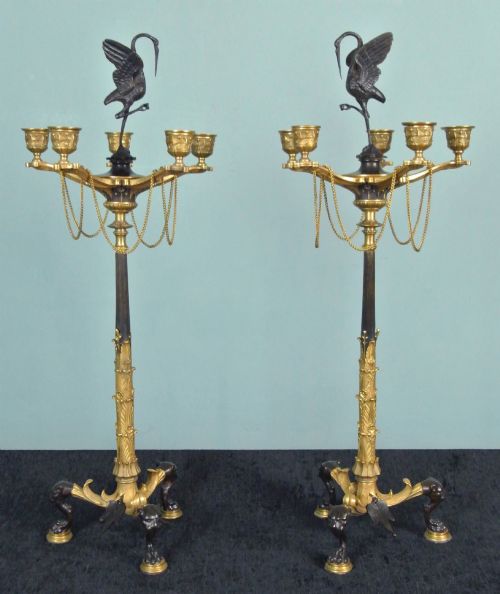
Metalwork played a significant role, with bronze, ormolu, and cast iron appearing across candelabra, torcheres, and hall stands. Artisans also incorporated marble inserts, glass, and mirror panels to add texture and reflect light.
Late Nineteenth Century Stand Retail Price Guide 2026
Typical asking prices for late nineteenth century stand among the pieces listed under this phrase on Sellingantiques today, from the lower quarter to the upper quarter. They describe what is for sale here now, not the wider market.
Object forms span side tables, plant stands, occasional tables, pedestals, display cabinets, candelabra, hall stands, and torcheres.
What varies in quality
The refinement of the carving and the choice of materials dictate the standing of each piece. Finely figured mahogany, dense hardwoods, and crisp bronze castings signal superior workmanship.
Construction methods and decorative details further distinguish the range. The presence of carved motifs, specialised veneers, or stamped maker signatures elevates an ordinary stand into a notable example of its period.
Collinson & Lock·Barbedienne
The Late Nineteenth Century Stand Glossary
- Torchère
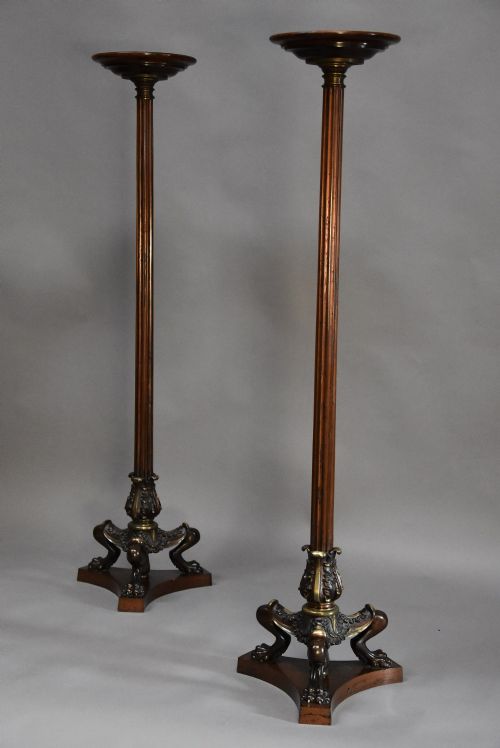
- A tall ornamental stand designed to support a lamp or candleholder. These slender pieces often feature fluted columns or carved wooden shafts.
- Ormolu
- Gilded bronze used for decorative mounts and fittings. This technique gives metal a rich, golden appearance common in French pieces.
- Ebonised
- Wood treated to resemble ebony, usually through staining or painting. This finish creates a dark, dramatic surface popular in nineteenth century design.
- Jardiniere
- A decorative pot or stand intended for holding plants or flowers. They appear frequently in ceramic, cast iron, and carved wood.
Late Nineteenth Century Stand: Frequently Asked Questions
What is a late nineteenth century stand used for?
These stands served diverse domestic purposes, from holding lamps and plants to displaying ornaments and supporting hats and coats in a hallway. Their varied forms reflect the specific functional requirements of period homes.
Today, they adapt easily to modern interiors as side tables, display plinths, or plant holders. Their compact footprints make them practical for adding surface area to smaller rooms.
How do I identify a French stand from this period?
French pieces often display distinct design influences such as Louis XV styling, ebonised finishes, or decorative bronze and ormolu mounts. Makers like Barbedienne contributed to this distinct aesthetic through quality metalwork.
Look for refined casting, decorative hardware, and specific stylistic cues like faux bamboo or cast iron forms. These characteristics separate continental workshop output from British domestic furniture.
Where were Chinese stands made?
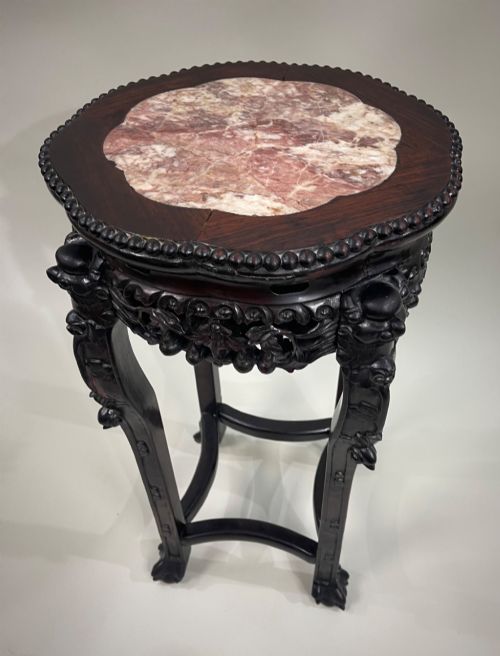
Chinese stands from this era typically originate from the Qing Dynasty and are constructed from heavy, carved hardwoods. They frequently incorporate inset marble tops and intricate pierced aprons.
These pieces bring a distinct material palette to the category, relying on dense timber and traditional joinery rather than European veneers or applied metal mounts.
Are bamboo stands sturdy?
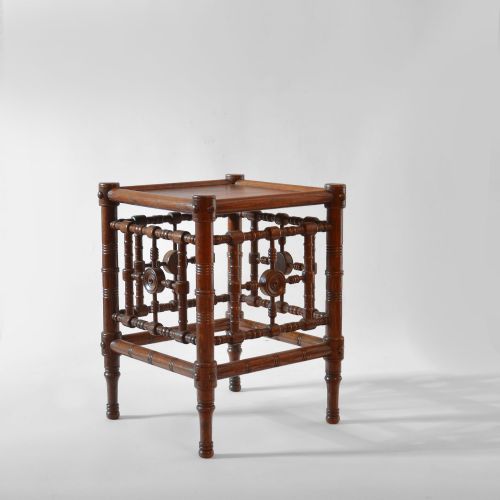
Victorian bamboo stands were popular during the Aesthetic Movement and combined natural bamboo stalks with lacquered panels or tiled tops. They are surprisingly resilient despite their lightweight appearance.
When living with these pieces, place them away from excessive moisture to preserve the natural material and any delicate surface decorations.