
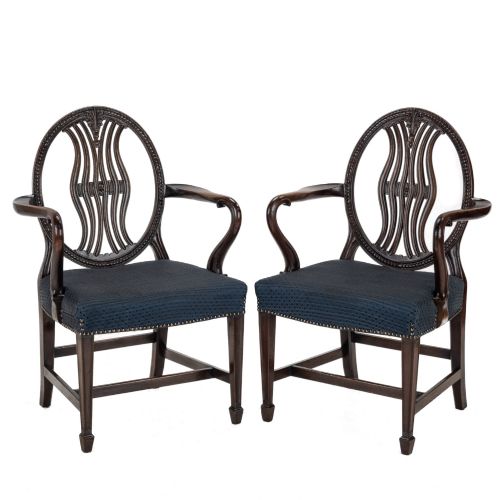


Late Georgian Desk
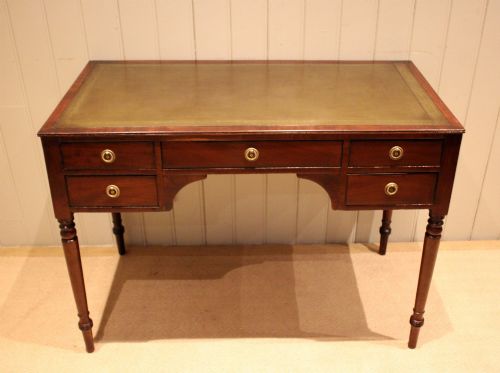
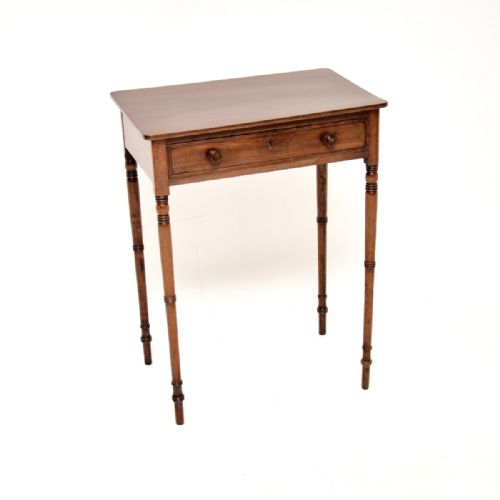
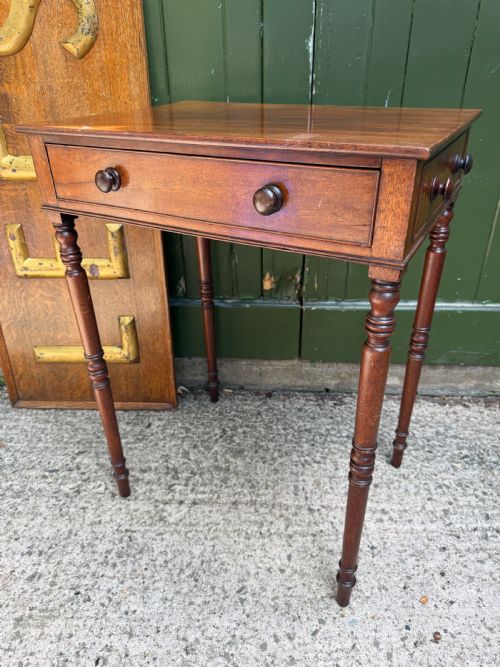
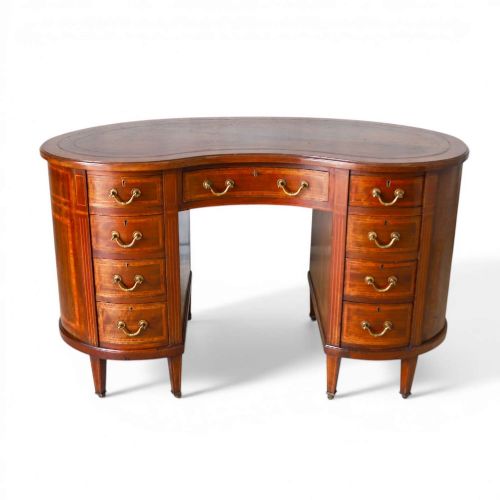
A late georgian desk provides a sturdy workspace for correspondence, bringing tactile walnut, mahogany, and rosewood surfaces into a study.
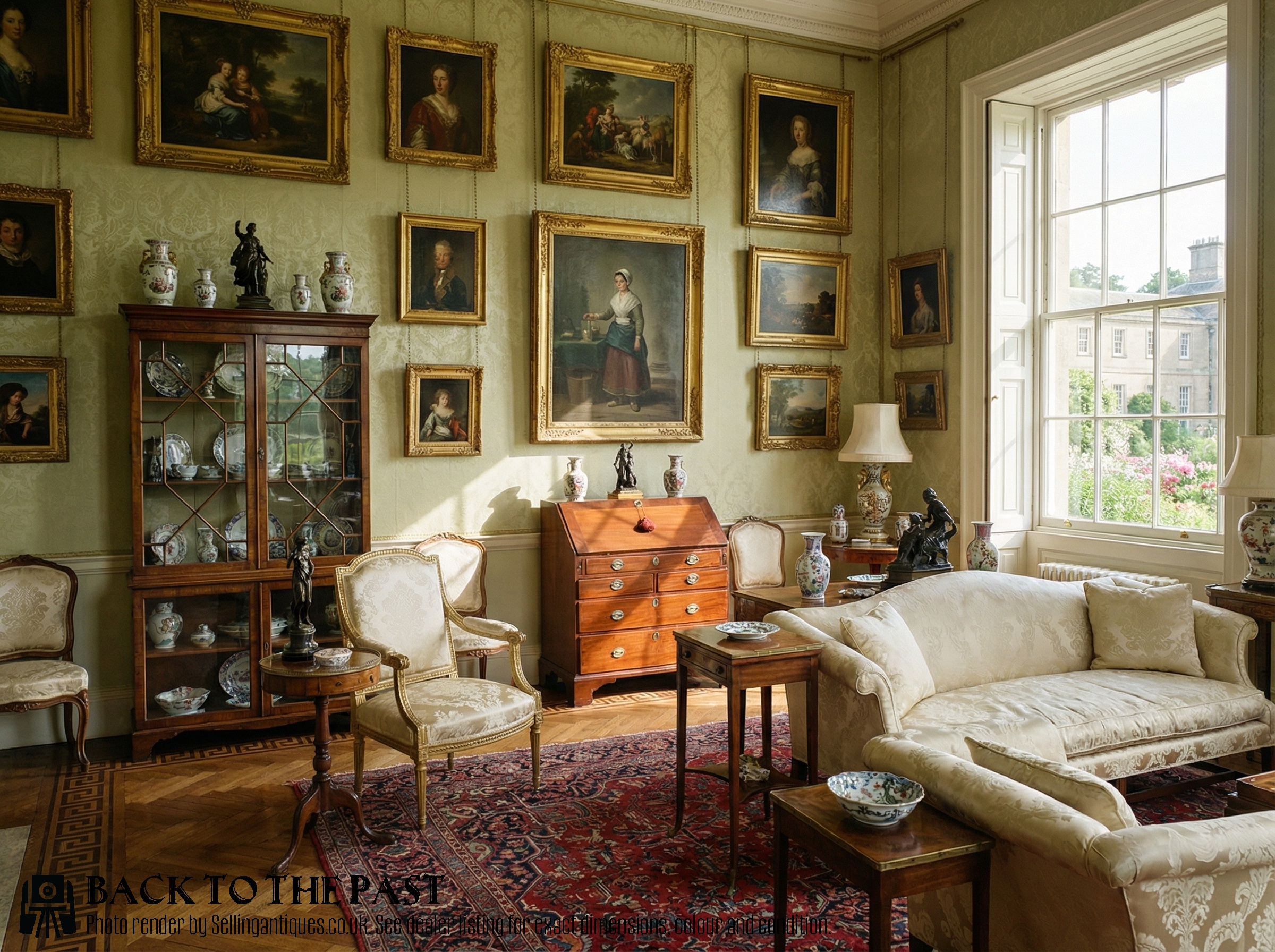
Late Georgian Desk
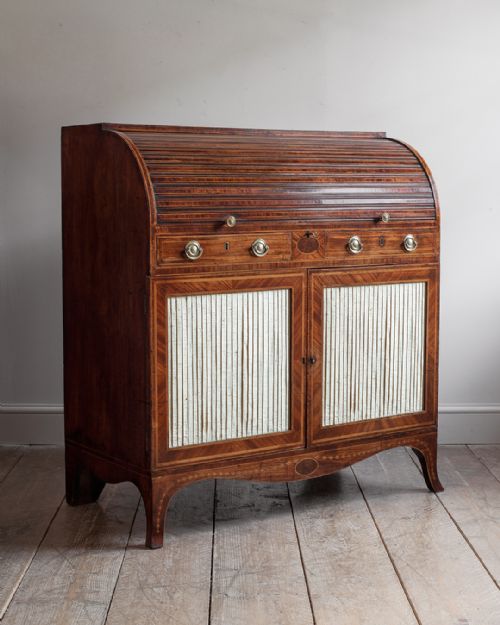
When searching for a late georgian desk, buyers encounter forms spanning pedestal desks, kneehole desks, sliding top davenports, and compact writing slopes.
The selections on this page bridge the late eighteenth century and the early nineteenth century, drawing on Georgian, Regency, and Sheraton styles.
Makers of the period constructed these writing places for libraries, studies, and private chambers, combining cabinet-making skill with practical drawers and compartments.
How they were made
Cabinet-makers relied principally on mahogany, walnut, rosewood, and satinwood, often applying veneers over secondary timbers like pine or oak.
Worksurfaces frequently incorporated inset leather panels, while interiors concealed secret drawers, pigeonholes, and compartments operated by clever mechanical catches.
Listings feature mahogany, rosewood, satinwood, and oak alongside brass hardware and leather inserts.
What varies in quality
The standard of a late georgian desk depends on the selection of figured timbers and the precision of the dovetail joinery in the drawer construction.
Higher quality examples display refined brass inlay, balanced proportions, and original leather writing surfaces rather than later replacements.
Gillows
The Late Georgian Desk Glossary
- Writing slope
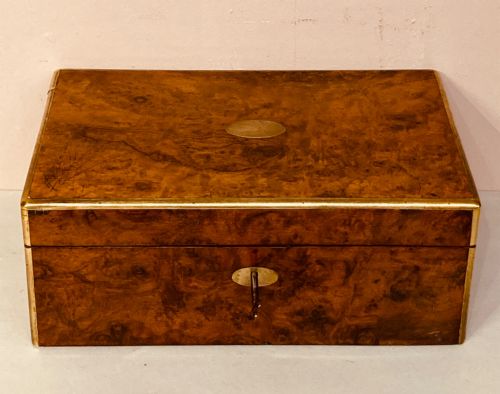
- A portable box with a hinged sloping lid that opens to reveal a velvet or leather writing surface and small inkwell compartments.
- Davenport desk
- A compact pedestal desk featuring a sloped, hinged writing surface and drawers opening to one side.
- Kneehole desk
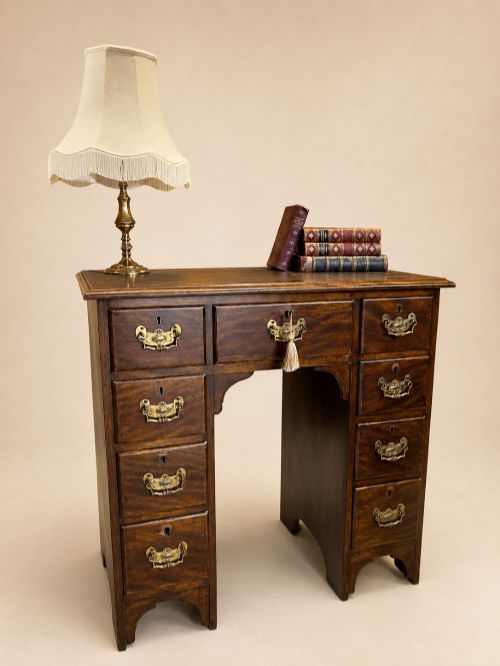
- A flat-topped writing table with a central recessed space flanked by pedestals containing banks of small drawers.
- Tambour
- A sliding door or shutter constructed from vertical narrow strips of wood glued to a fabric backing, often seen on cylinder desks.
- Bureaux
- A writing cabinet featuring a sloping fall-front flap that drops down to provide a writing desk above a set of drawers.
Late Georgian Desk: Frequently Asked Questions
What is a late georgian desk?
A late georgian desk is a wooden writing table or cabinet produced during the transition from the eighteenth to the nineteenth century. These pieces were built for home administration, correspondence, and estate management.
Craftsmen utilised dense hardwoods such as mahogany and rosewood, incorporating drawers and pigeonholes for document storage. Their forms range from small portable slopes to large pedestal and kneehole desks.
How were writing slopes used?
Writing slopes served as portable desks for letter writing and document storage during travel or home use. The hinged lid folded down to create a firm writing angle.
Inside, users found small compartments for inkwells, sealing wax, and pens, alongside secret drawers secured by hidden catches for private papers.
How do I care for the leather top?
Leather writing surfaces require gentle cleaning with a slightly damp cloth to remove dust and debris. Avoid using harsh chemical cleaners or excess water.
Applying a specialist leather balsam periodically helps maintain suppleness and prevents the material from drying out or cracking over time.
How do I distinguish styles?
Sheraton and late georgian styles often feature satinwood veneers, symmetrical stringing, and tapered legs. Regency pieces introduce rosewood, brass inlay, and bolder architectural forms.
Examining the secondary timbers, hardware, and construction methods helps determine the correct period and stylistic influence.