


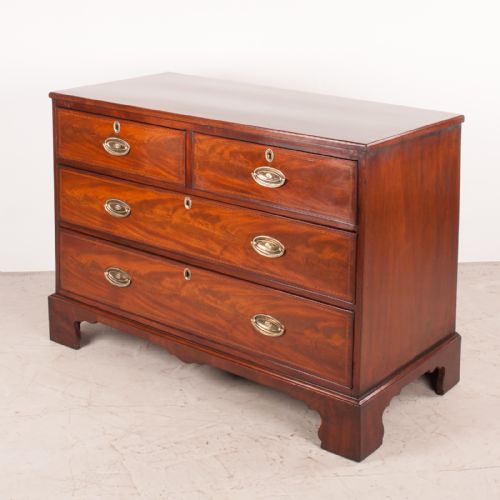
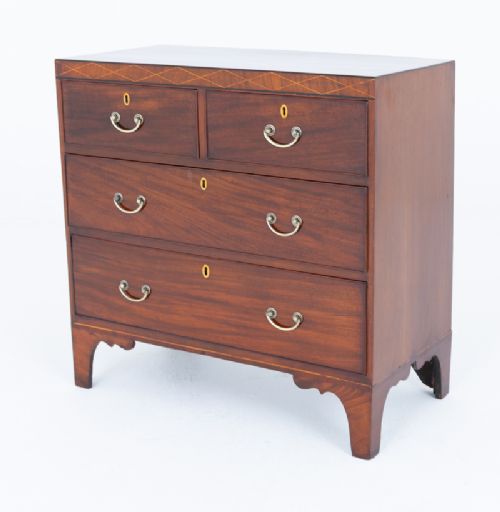
Georgian Bracket Foot Bureau
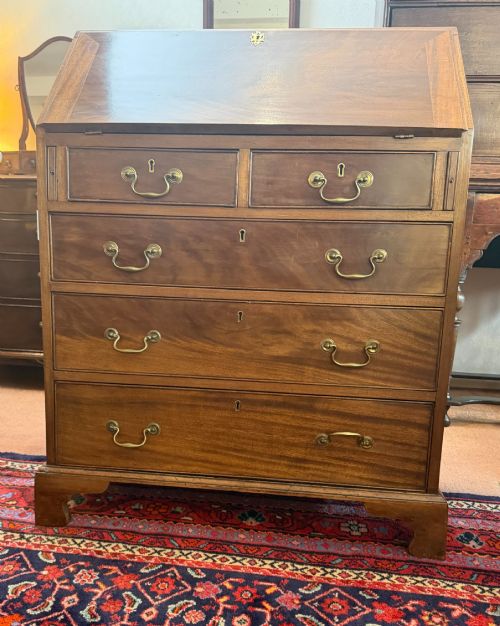
A georgian bracket foot bureau offers fitted writing compartments and concealed drawers raised upon classic bracket supports, built to last centuries.
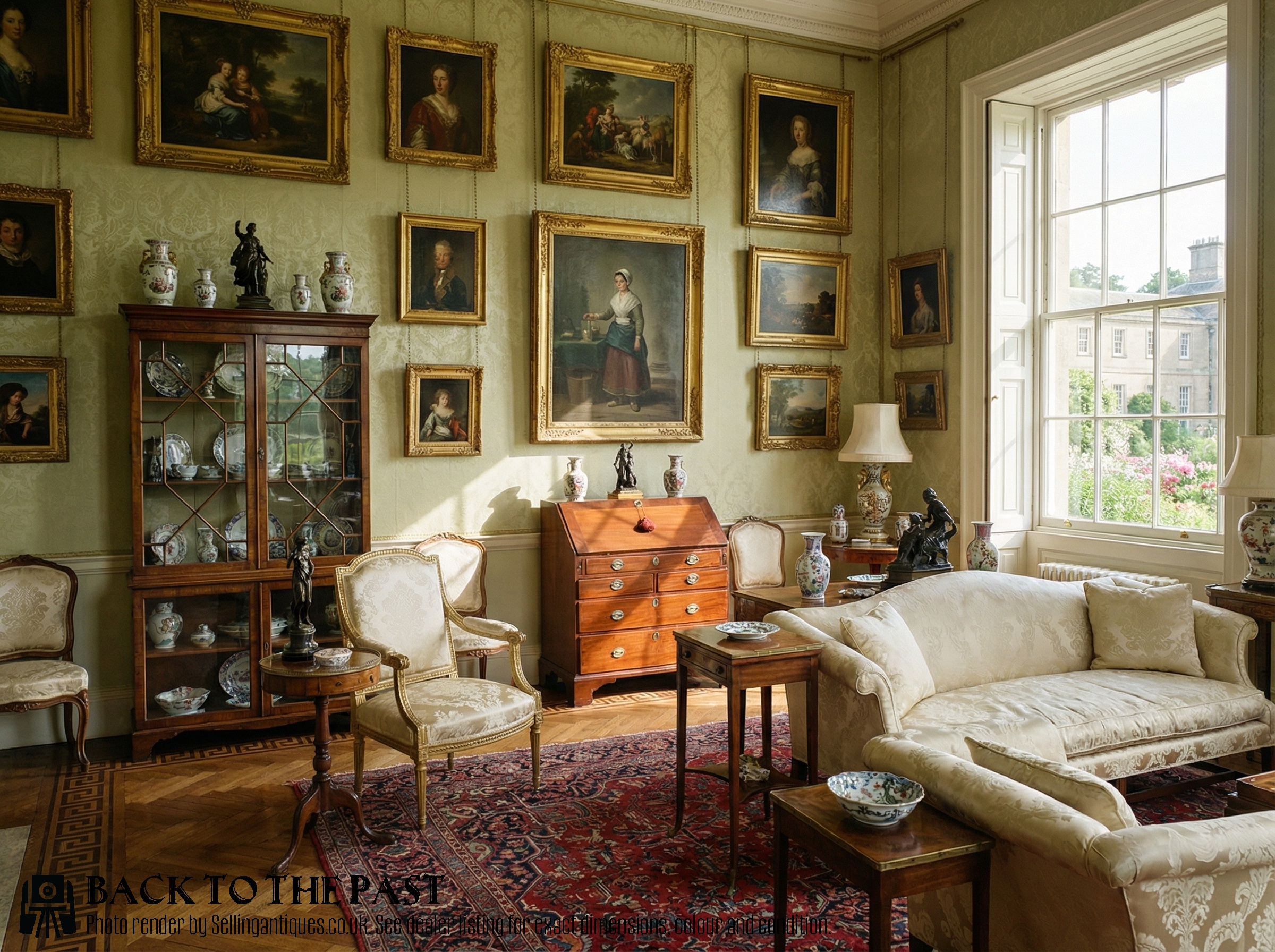
Georgian Bracket Foot Bureau
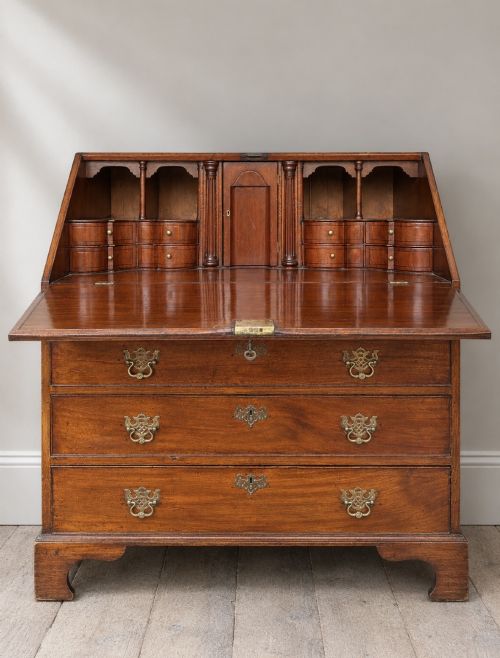
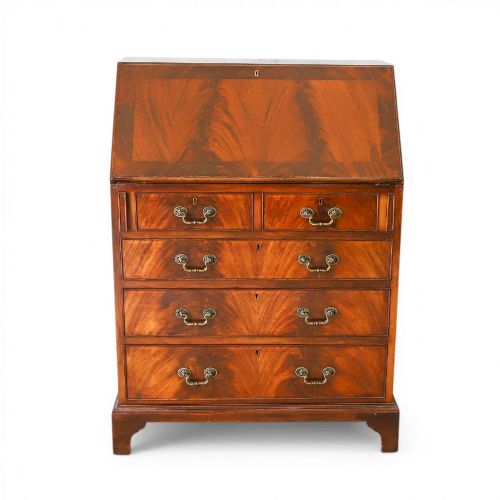
When you search for a georgian bracket foot bureau, you encounter writing furniture and desks designed for domestic correspondence and estate management. These pieces combine a sloping fall-front writing flap with internal pigeonholes and small drawers.
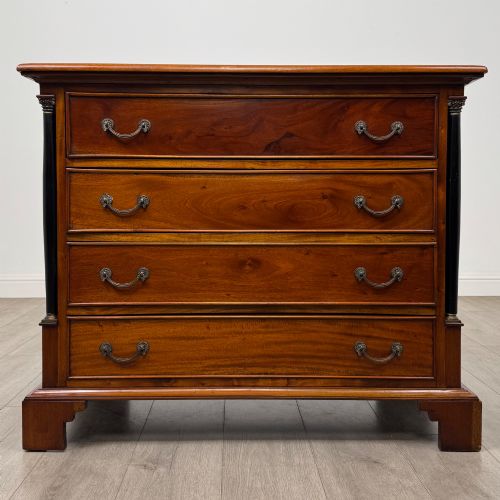
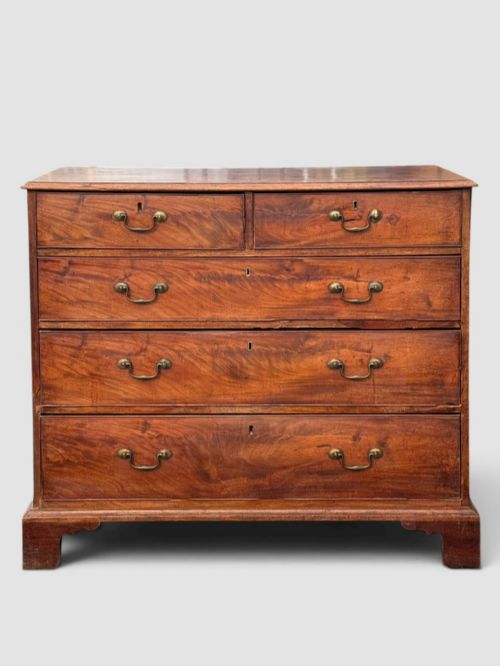
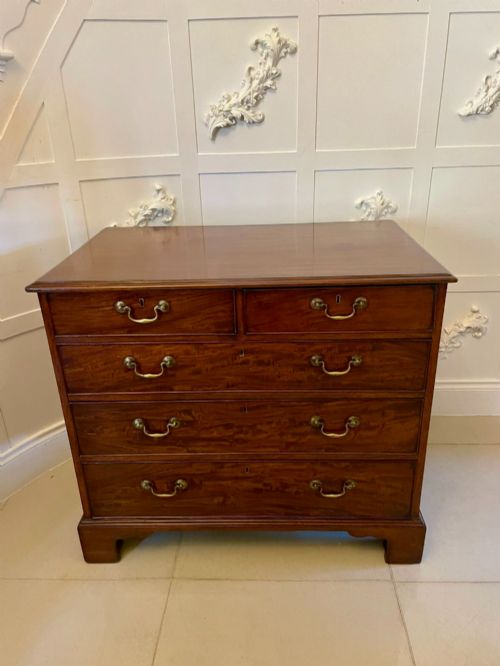
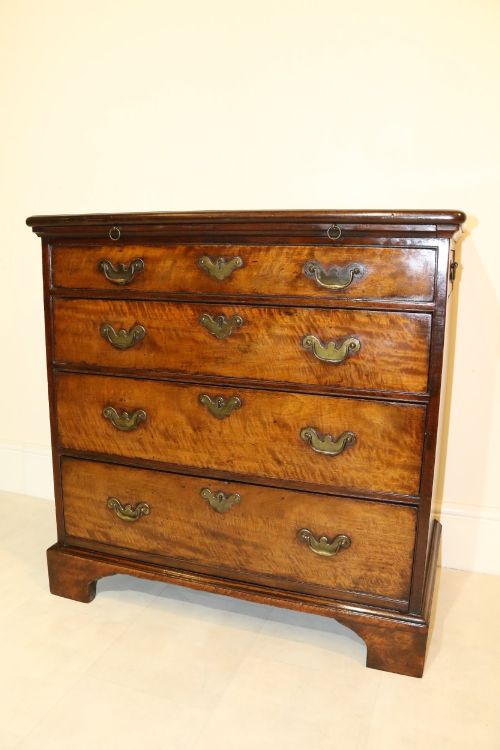
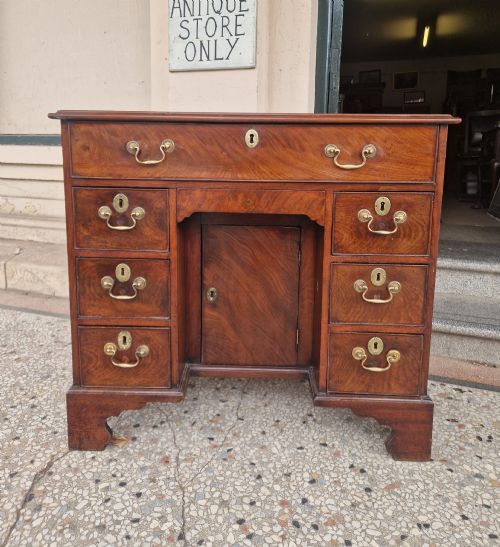
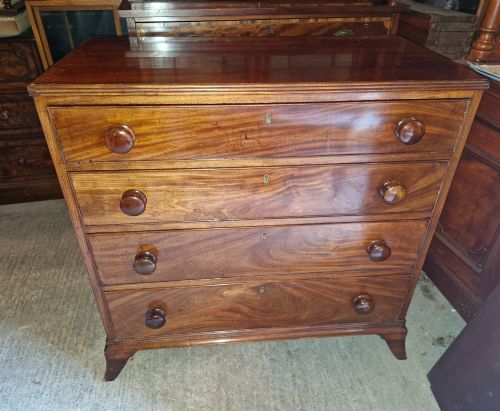
The versions most commonly met on this page date from the eighteenth and nineteenth centuries, spanning Georgian and Regency periods. Alongside proper sloping bureaux, you will regularly discover related writing forms like kneehole desks and bachelor chests.
Wood selection defines the outer appearance, with mahogany, walnut, and oak dominating the selection. Secondary details such as brass handles and boxwood stringing complete the construction of these writing pieces.
Distinctions in quality
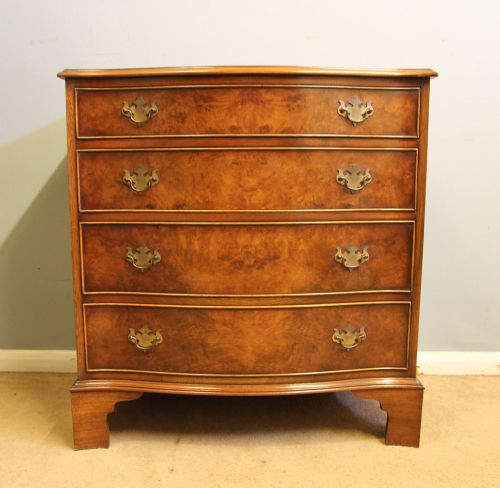
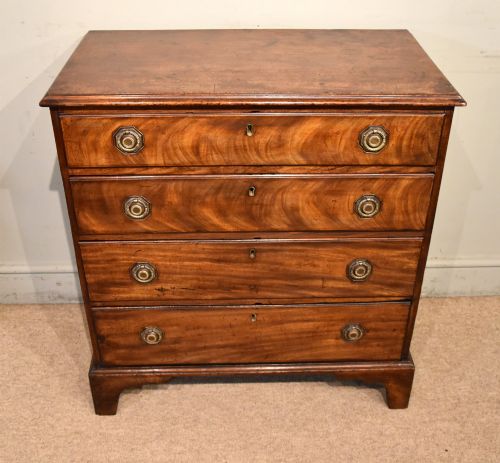
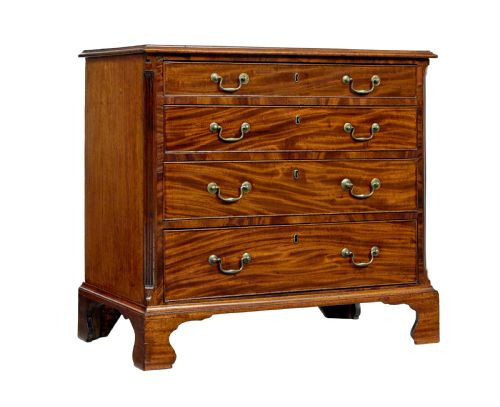
Quality varies significantly in the selection and application of timber veneers, ranging from plain boards to highly figured burr walnut and curl mahogany. Superior examples display carefully matched grain patterns across the fall-front and drawer fascias.
The sophistication of the internal fitments separates standard writing desks from exceptional pieces. Better bureaux feature intricate secret compartments, pigeonholes with shaped partitions, and finely proportioned bracket feet that elevate the entire carcass.
Many a Georgian bureau hides tiny secret drawers behind pigeonholes, designed for stashing love letters or spare guineas.
The Georgian Bracket Foot Bureau Glossary
- Bracket foot
- A furniture foot formed by two pieces of wood mitred at the corner, shaped in an arch or ogee profile. This support style grounds eighteenth-century case furniture.
- Bureau
- A desk featuring a sloping lid that opens to form a writing surface above a series of drawers. These pieces provide concealed storage compartments for stationery and documents.
- Kneehole desk
- A compact writing table with a central recessed space for the legs, flanked by pedestals of small drawers. They offer dedicated writing surfaces with a smaller footprint than large library desks.
- Brushing slide
- A pull-out wooden shelf positioned above the top drawers of a chest or desk, historically used for dusting garments or setting down items. It slides flush into the cabinet frame when not in use.
Georgian Bracket Foot Bureau: Frequently Asked Questions
What is a bracket foot?
A bracket foot is a corner support shaped like a bracket, commonly found on eighteenth-century case furniture like chests and desks. It provides stable elevation while maintaining clean architectural lines.
These feet are mitred at the corner and often feature scrolled or ogee profiles. They lift the heavy timber carcass gracefully off the floor.
How do I use a bureau daily?
A bureau serves as a practical writing desk when the fall-front flap is lowered down onto its support arms. It provides a stable writing surface with immediate access to stationery compartments.
When closed, the sloped lid conceals papers and writing tools from view. This keeps your workspace tidy while retaining traditional furniture in a modern room.
Where were bureaux placed?
These writing desks were traditionally positioned in parlours, studies, or bedrooms for private correspondence and household accounts. Their compact vertical form allowed them to fit neatly against drawing-room walls.
In modern interiors, they function well in home offices or living spaces. They offer enclosed desk space alongside traditional timber character.
How do I spot a Georgian piece?
Georgian pieces are identified by their proportion, timber choice, and traditional construction methods such as hand-cut dovetails. Eighteenth-century examples often utilise solid mahogany or walnut with period brass hardware.
Stylistic markers include bracket feet, cockbeaded drawer edges, and fitted internal pigeonholes. These details reflect the craftsmanship of the period.