
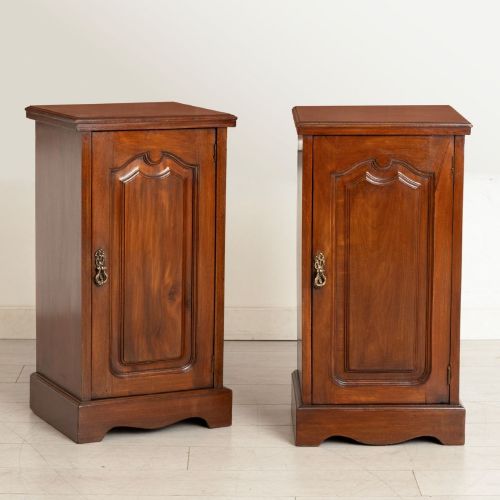
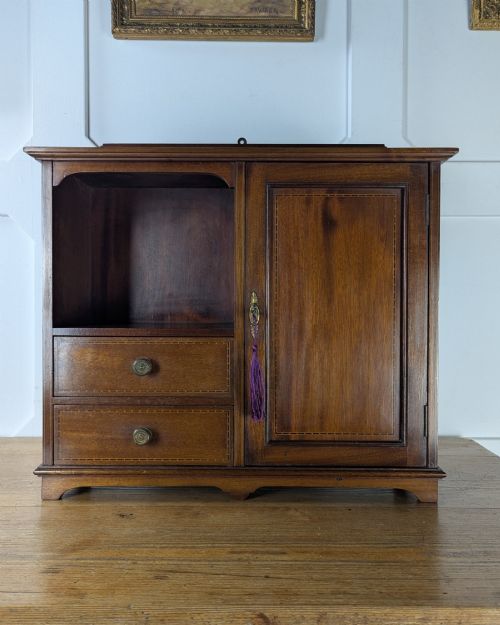
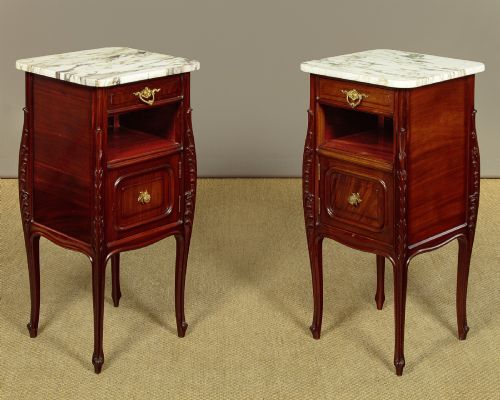
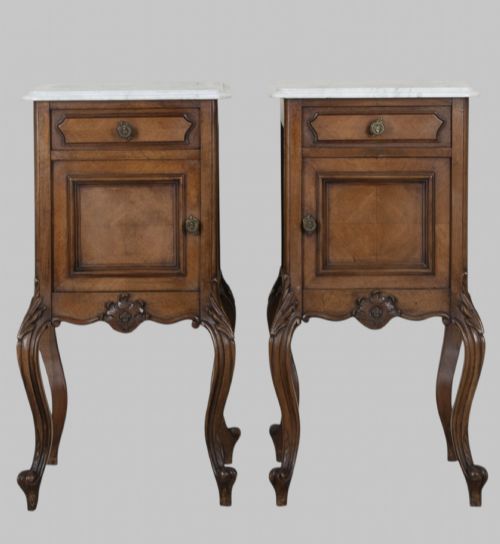
Late 19th Century Cabinet
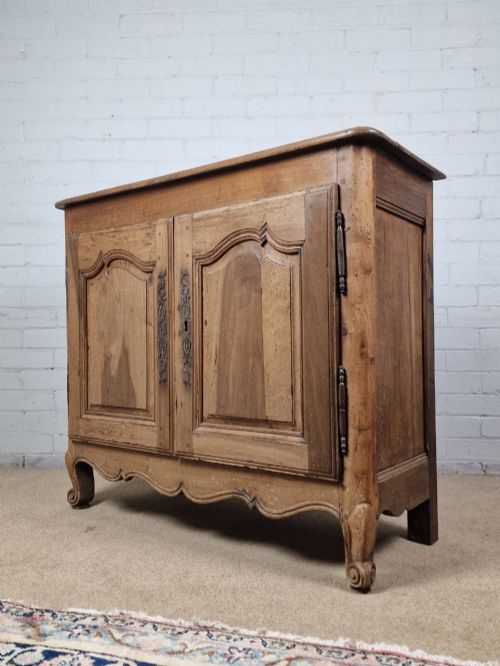
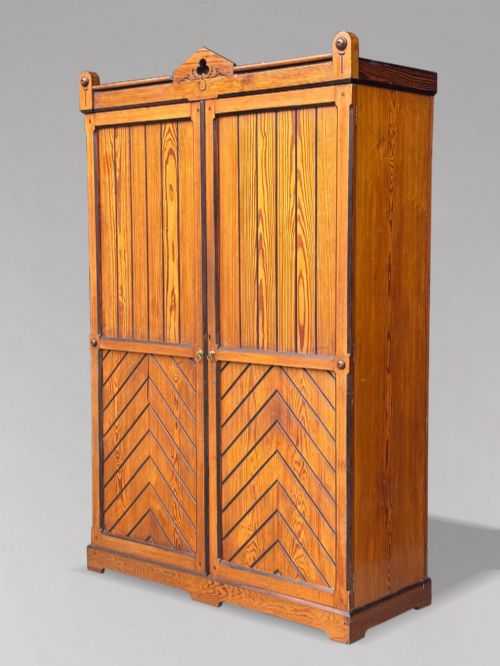
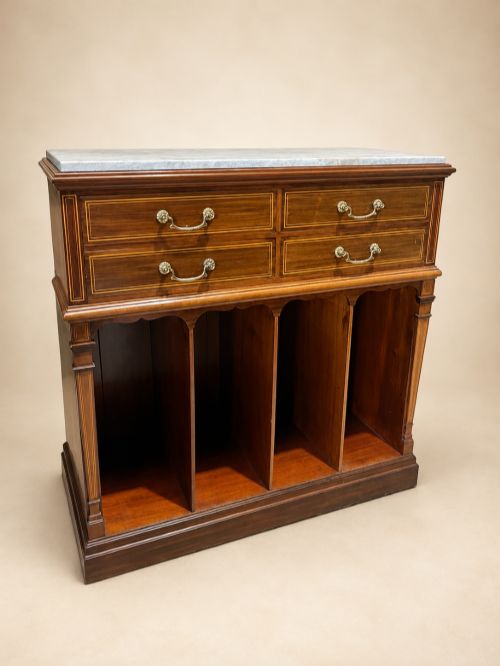
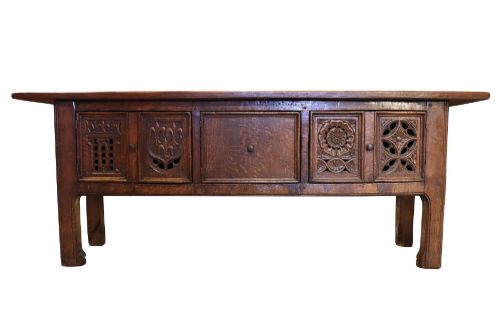
A late 19th century cabinet brings period craftsmanship and distinctive storage into a room.
What they are
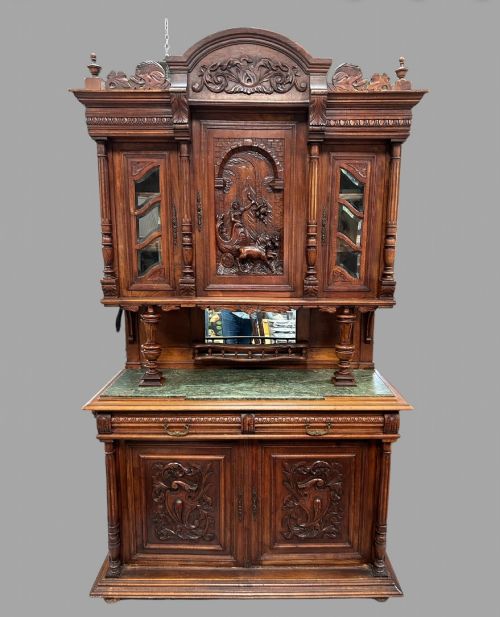
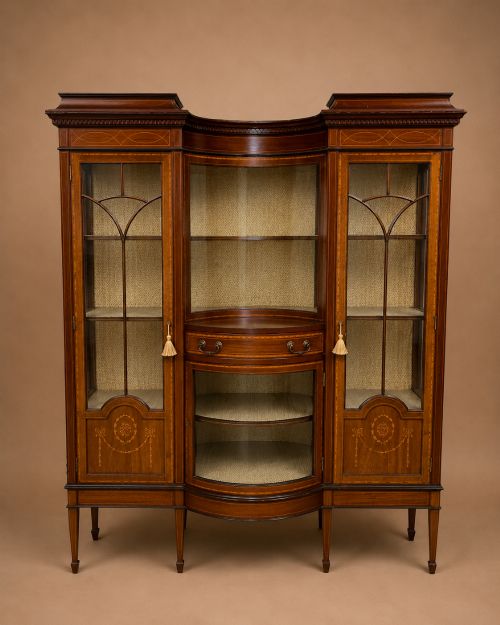
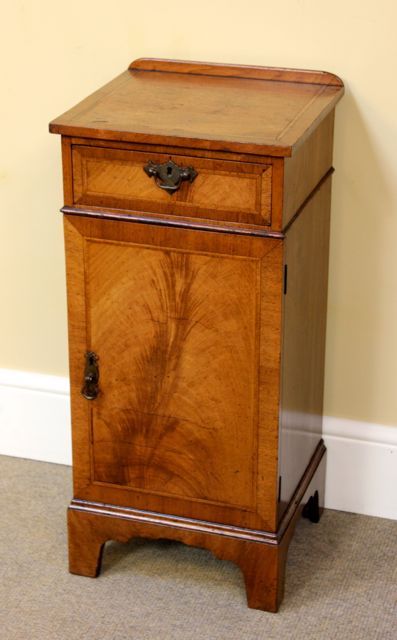
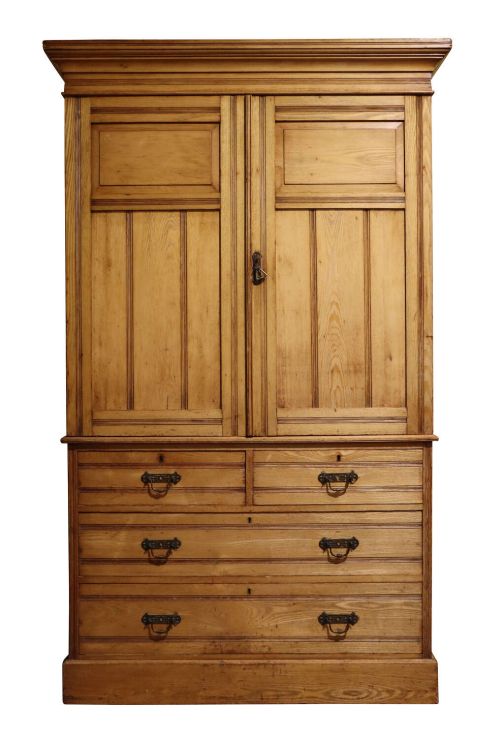
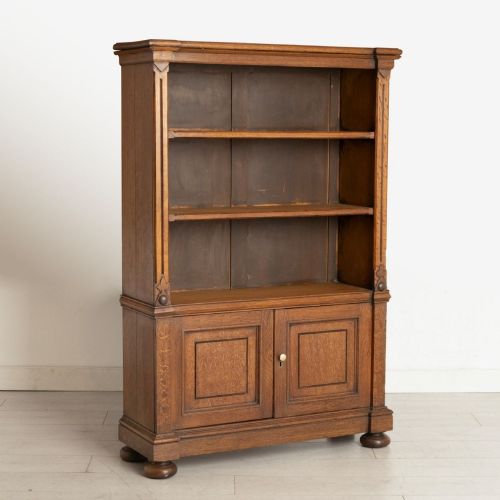
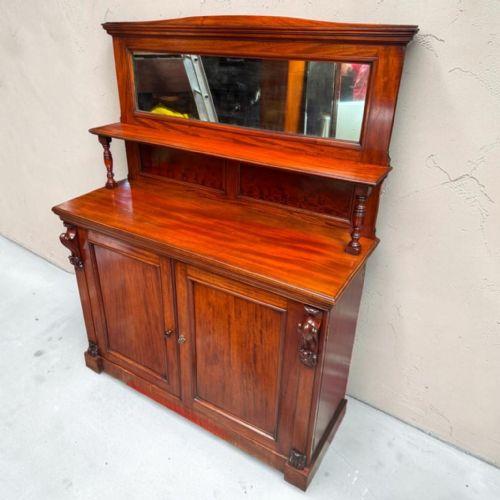
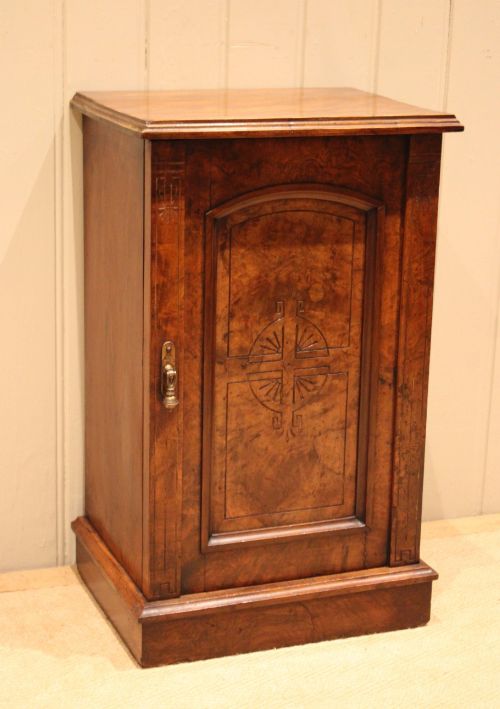
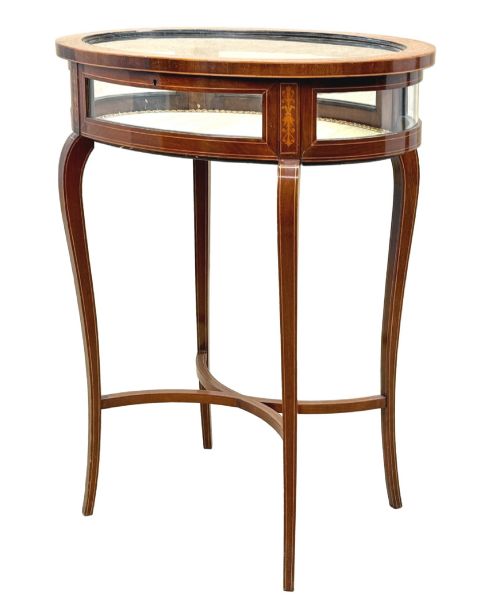
A late 19th century cabinet encompasses a broad spectrum of utility and display forms originating from the closing decades of the eighteen-hundreds. Buyers encounter diverse domestic furniture ranging from tall display cases and bookcases to specialised filing systems, wall-mounted cupboards, and low side pieces.
The selections recorded here reflect multiple global traditions, including British Victorian workshop pieces, French Empire and Directoire revival designs, and imported Asian decorative works. Common domestic formats involve mahogany display furniture, walnut bookcases, and rosewood or satinwood salon items intended for refined interiors.
Specialist iterations within the selection span campaign filing units designed for travel, medical storage chests, and intricate Japanese Meiji period lacquer shodana cabinets. Each form serves a distinct domestic or functional requirement established during the late nineteenth century.
How they were made
Joiners and cabinetmakers utilised dense timber foundations of mahogany, walnut, rosewood, satinwood, oak, and pine, frequently applying intricate wood veneers and decorative marquetry. Structural integrity relied on traditional mortise and tenon joinery combined with hand-cut dovetails for drawer construction.
Surface ornamentation incorporated varied techniques such as hand-carved lacquer, floral marquetry, brass and ormolu mounts, glazed door panels, and hand-painted Vernis Martin panels. Interior fittings frequently included velvet linings, adjustable wooden shelving, and brass campaign hardware.
Retail Price Guide 2026
Typical UK retail prices for late 19th century cabinet, calculated from the Sellingantiques database of over a million retail prices indexed since 2003. This retail price guide relies exclusively on Sellingantiques data; no external sources or auction records are used, so the figures do not describe the wider market.
Listings feature numerous display cabinets alongside specialised filing units and wall cupboards fashioned from mahogany, walnut, and satinwood.
What varies in quality
The standard of execution rests upon the depth of hand-carving, the precision of wood inlay, and the quality of applied ormolu or brass mounts. Pieces demonstrating superior workshop execution display seamless veneer matching and finely detailed decorative programs.
Material selection dictates the upper tier of the range, where dense hardwoods such as rosewood and satinwood support intricate marquetry or specialised lacquer work. The integrity of original glass panels, functional locks, and internal shelving further distinguishes higher grade examples.
Edwards and Roberts·Gillows
The Late 19th Century Cabinet Glossary
- Ormolu
- Gilt-bronze mounts applied to furniture for decorative effect. This technique was popular in French Empire and revivalist pieces.
- Shodana
- A Japanese tiered display cabinet featuring asymmetrical shelving and compartments. These pieces often exhibit detailed lacquer work.
- Marquetry
- The art of applying decorative pieces of veneer to a structure to form intricate patterns. Craftsmen utilised various coloured woods to build pictorial scenes.
- Vernis Martin
- A type of simulated Japanese lacquer developed in France. Artisans applied successive layers of translucent varnish over painted panels.
- Campaign
- Portable furniture built in sections with recessed brass handles. These units were constructed for military officers on the move.
Frequently Asked Questions
How do I identify a Victorian display cabinet?
Look for characteristic timber choices such as mahogany or walnut, combined with glazed doors and traditional hand-cut joinery. Many examples incorporate decorative inlay or carved mouldings typical of late nineteenth-century workshop production.
Examine the interior shelves, backboards, and hardware to confirm period construction methods. Labels or stamps from prominent makers can occasionally verify the origin.
Where were wall cabinets placed in period homes?
Wall cabinets typically hung in reception rooms, libraries, or private chambers to display porcelain, small books, or curiosities. Their compact dimensions preserved floor space while adding decorative storage.
Corner units also made use of architectural dead space in smaller Victorian parlours and studies.
How do I care for antique lacquer cabinets?
Protect lacquered surfaces from direct sunlight and maintain stable room humidity to prevent timber movement. Dust gently with a dry, soft cloth without applying modern chemical polishes.
Handle brass hardware and delicate doors with care to preserve original finishes and operational alignment.