



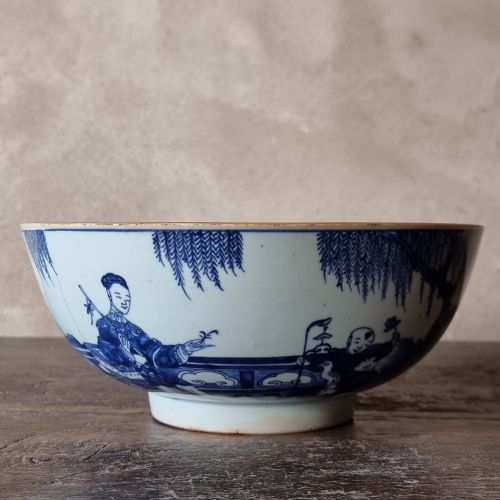
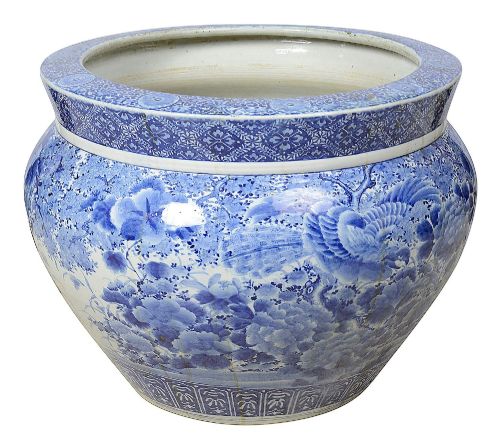
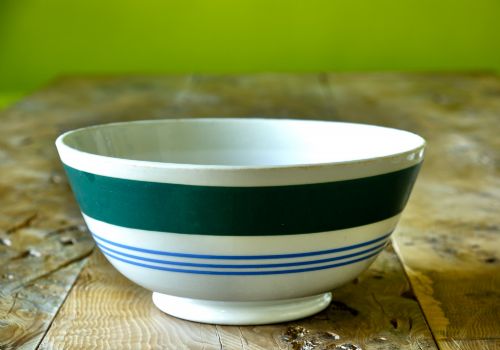


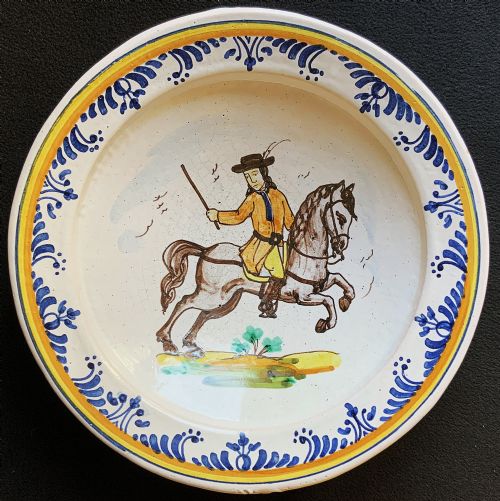
Large White Bowls
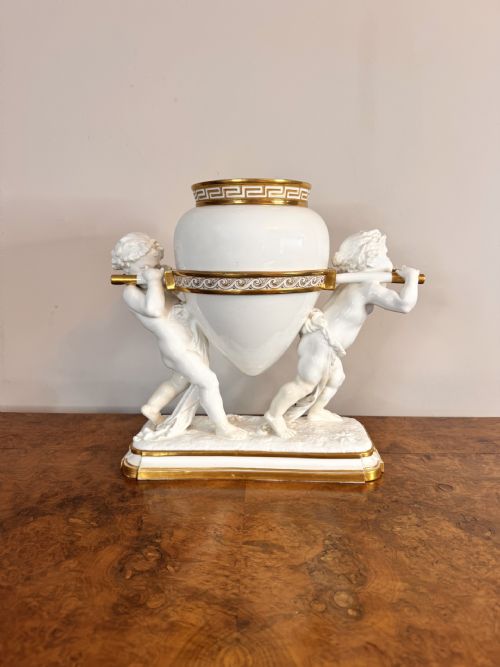
Large white bowls bring presence to a room, shifting from utilitarian vessels in porcelain, ironstone, and marble to grand centrepieces.
Large White Bowls
Large white bowls encompass domestic utility, decorative service, and architectural presence across centuries of craftsmanship.
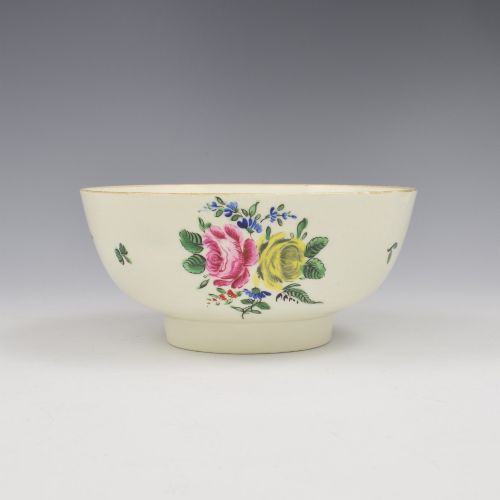
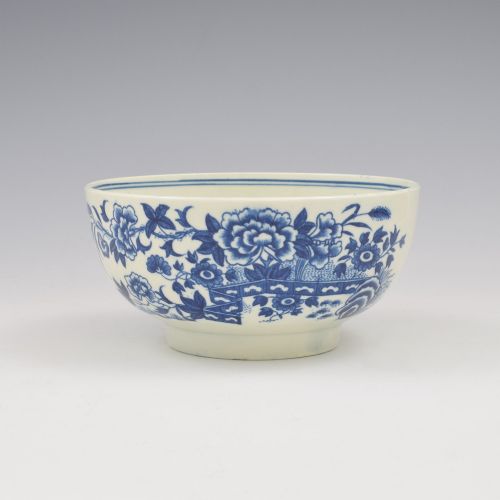
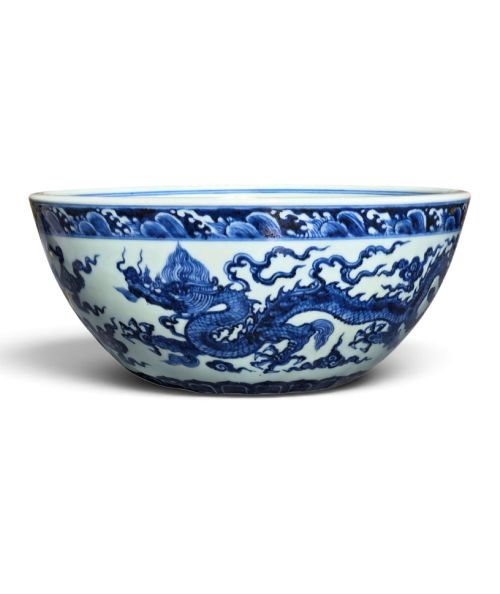
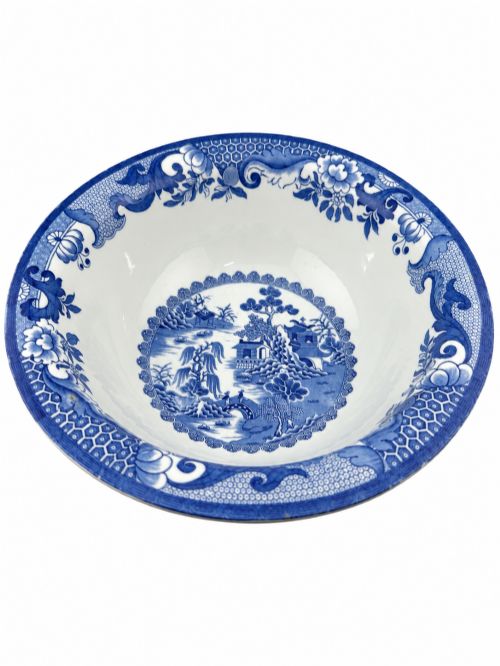
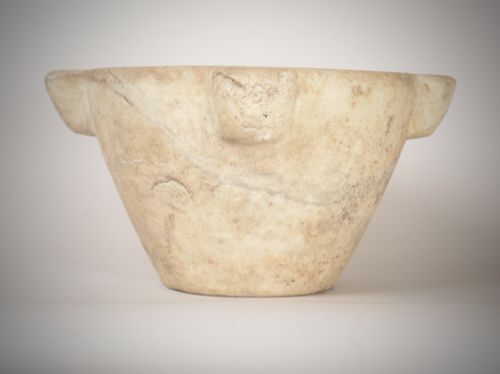
The versions met most often on this page range from porcelain punch bowls and ironstone wash basins to marble mortars and ceramic centrepieces.
Origins span English earthenware potteries, European factories, and East Asian kilns from the seventeenth century onward.
How they were made
Ceramic pieces rely on thrown or moulded clay bodies finished with white glazes, tin enamel, or cobalt decoration before kiln firing.
Ironstone and porcelain utilise dense vitrified pastes designed for durability, while marble vessels are hand-carved from solid stone blocks.
Large White Bowls Retail Price Guide 2026
Typical asking prices for large white bowls among the pieces listed under this phrase on Sellingantiques today, from the lower quarter to the upper quarter. They describe what is for sale here now, not the wider market.
Listings span materials from porcelain and ironstone to carved marble, encompassing centuries of domestic and decorative production.
What varies in quality
Quality rests in the crispness of moulded detail, the purity of the white ground, and the control shown in hand-painted or incised motifs.
Subtlety of glaze application and structural balance separate standard utilitarian vessels from ambitious exhibition pieces.
Dr Wall Worcester·Mason’s Ironstone·T G Green Pottery·Rene Lalique·Graystan·Schierholz Plaue
The Large White Bowls Glossary
- Ironstone
- A heavy, durable earthenware patented in the nineteenth century to imitate Chinese porcelain.
- Faience
- Tin-glazed earthenware produced in continental Europe, often featuring polychrome painting over a white ground.
- Jardiniere
- A large ornamental pot designed to hold a live plant or floral arrangement.
- Mortar
- A heavy bowl used with a pestle for grinding substances, frequently carved from solid marble or ceramic.
- Slop bowl
- A domestic bowl used during tea service to discard unwanted dregs.
Large White Bowls: Frequently Asked Questions
How were large white bowls used originally?
These vessels served diverse practical and social functions, ranging from communal punch service to personal hygiene in wash basins and food preparation in apothecary mortars.
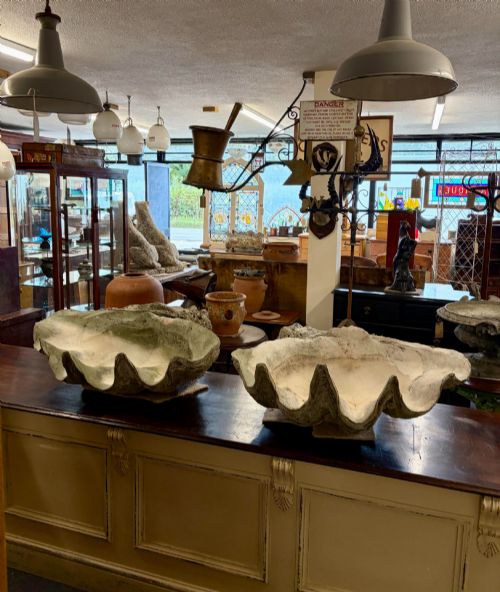
Many functioned as grand centrepieces or jardinieres, designed to display floral arrangements and ornament large dining tables or entrance halls.
How do I care for a ceramic bowl?
Wash ceramic and porcelain vessels by hand using mild soap and warm water, avoiding abrasive sponges that might scratch fragile antique glazes.
Keep marble and earthenware pieces away from rapid temperature changes and moisture extremes to protect the porous material and surface finish.
How can I tell the period?
Dating relies on examining the clay body, glaze characteristics, and potting techniques specific to regional kilns and documented manufacturing eras.
Maker marks, painted patterns, and stylistic cues such as Rococo curves or Chinoiserie motifs provide further chronological markers.
Can I use an antique mortar for cooking?
Historic stone and ceramic mortars are generally reserved for display or gentle dry use due to potential hairline fractures and porous interior surfaces.
Harsh culinary use or heavy grinding risks damaging centuries-old material that no longer withstands modern kitchen demands.