
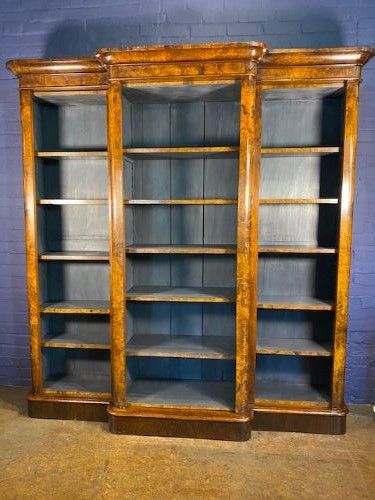
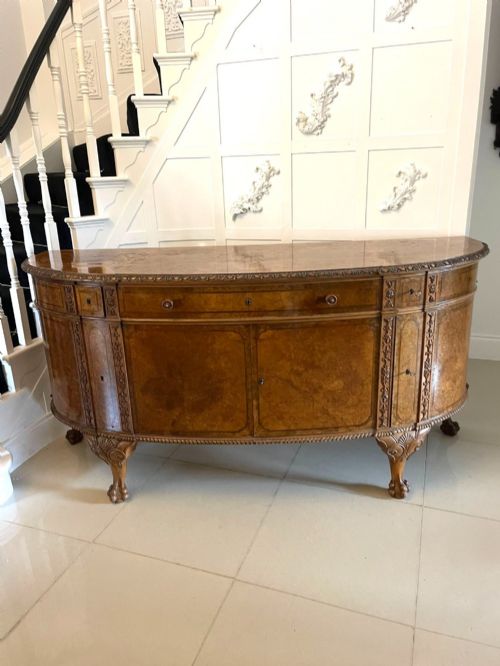
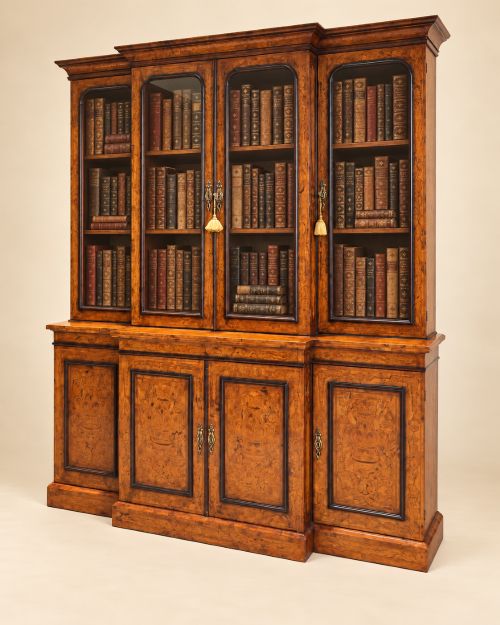
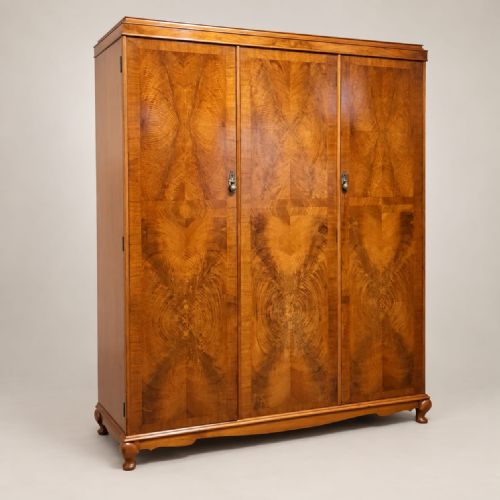
Large Walnut Cabinet
When you search for a large walnut cabinet, you encounter heavy timber storage pieces intended to anchor a room.
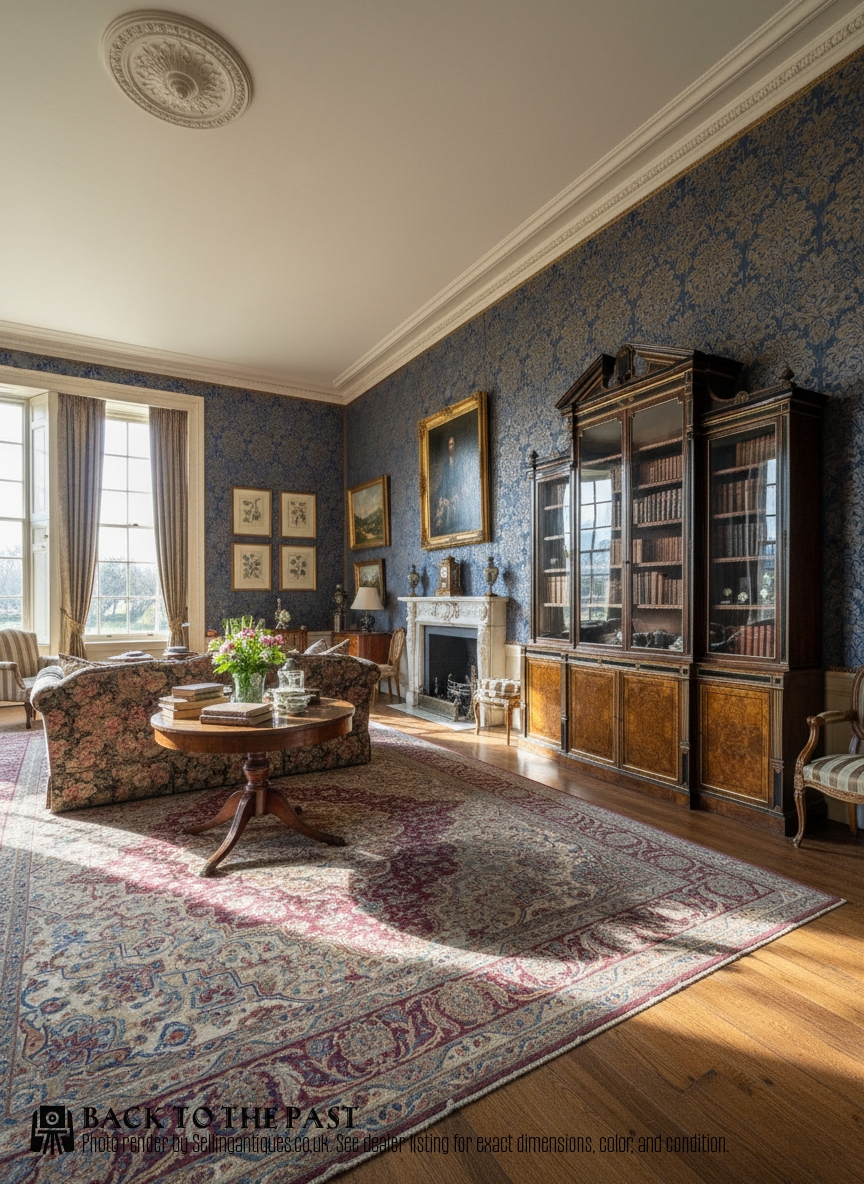
Large Walnut Cabinet
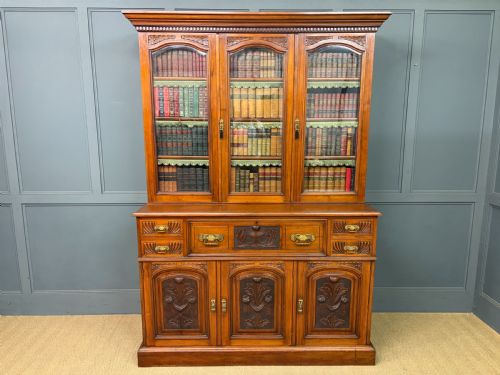
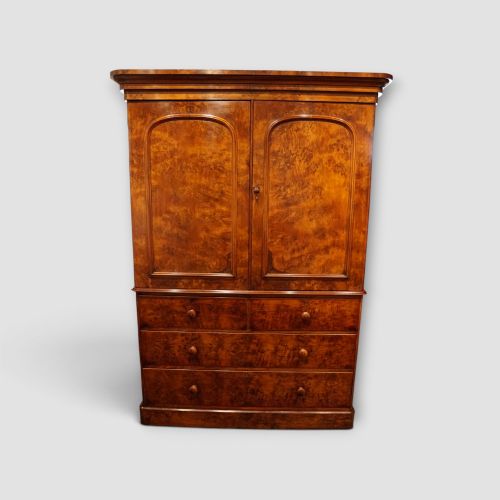
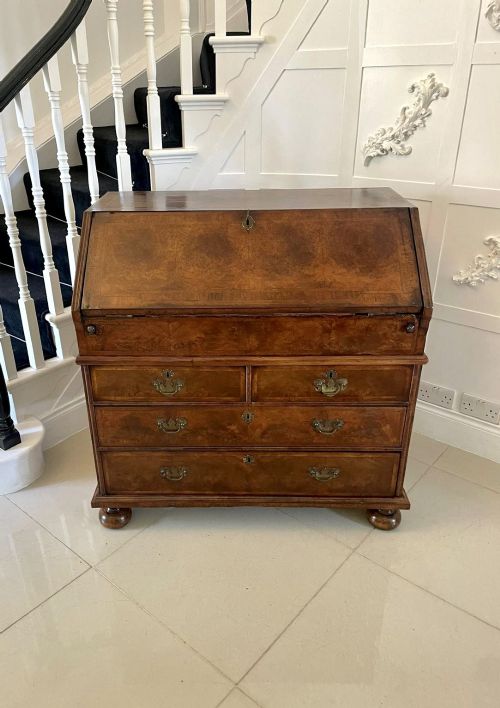
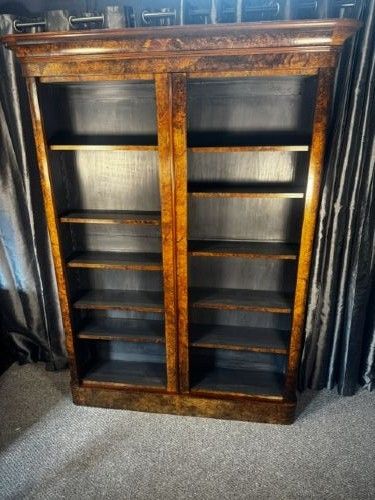
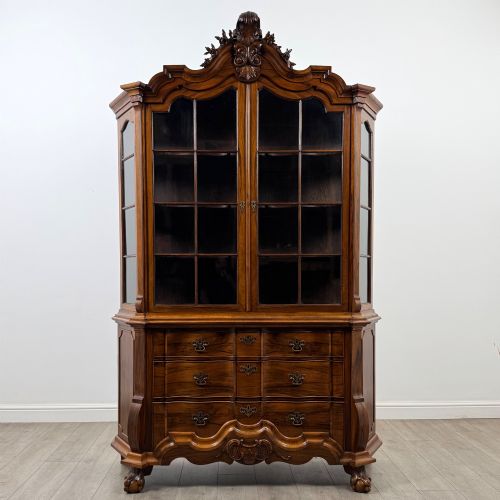
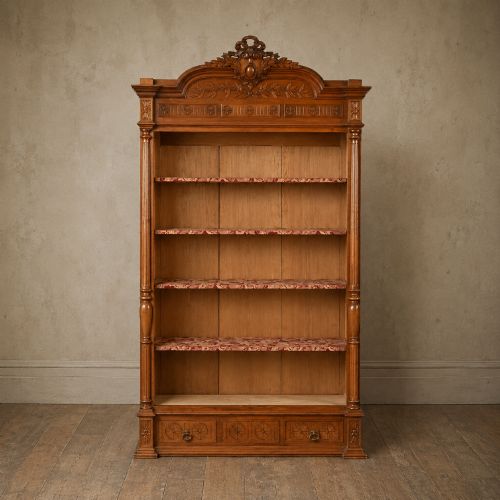
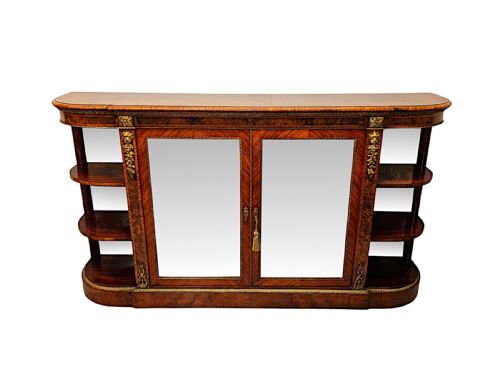
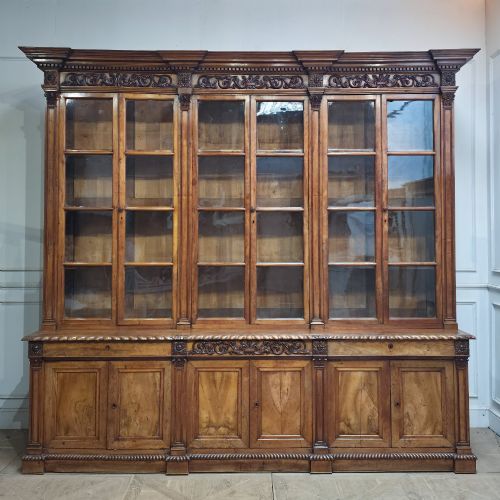
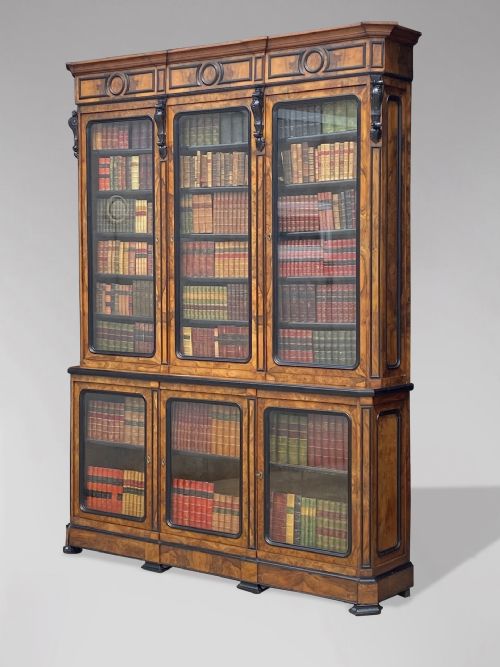
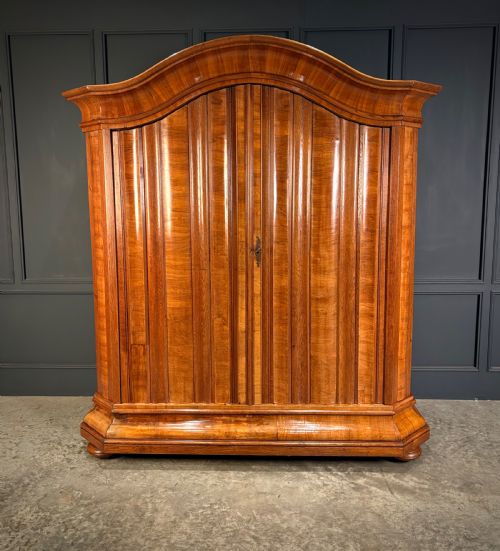
A large walnut cabinet serves as a grand storage piece or display unit, often taking the form of a bookcase, credenza, or wardrobe. These items appear across the nineteenth and early twentieth centuries, spanning Victorian, Edwardian, and revival eras.
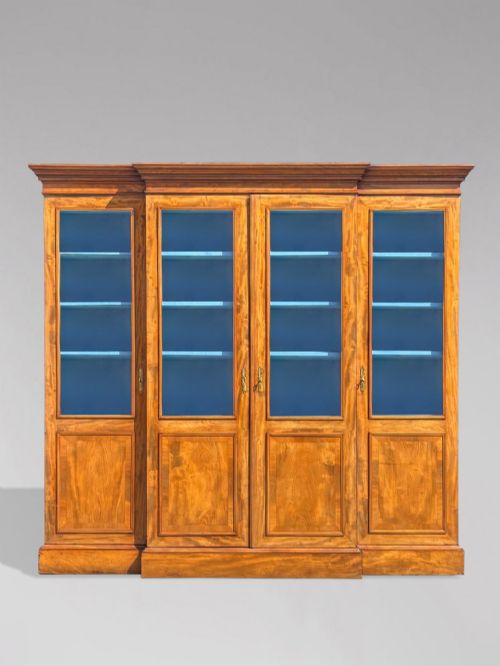
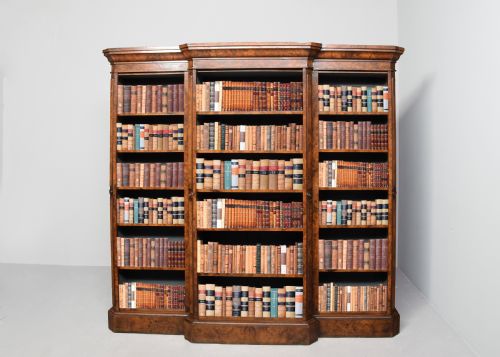
The versions most commonly met on this page are nineteenth-century Victorian breakfront bookcases and credenzas, alongside continental display pieces and wardrobes. Many examples utilise burr walnut veneer or marquetry inlay to create patterned surfaces on substantial timber carcases.
Materials and construction
Makers built these pieces using solid timber frames faced with walnut or burr walnut veneer, often incorporating secondary woods such as oak. Decorative emphasis relied on figuring in the grain, enhanced through book-matching and symmetrical veneer placement.
Metal mounts in brass or ormolu, glass panes in glazed doors, and mother-of-pearl or ebony stringing provide detail. Carved ornamentation appears on Victorian and continental items, while marquetry introduces floral and pictorial designs.
Among the heavy timber storage, you might stumble upon a mechanical music box playing tunes inside a walnut case.
What separates the best from the rest
The quality of a large walnut cabinet rests upon the selection of the timber and the precision of the joinery. Superior pieces display carefully matched burr walnut veneers that flow seamlessly across doors and drawers, rather than random grain arrangements.
Finer examples incorporate heavy cast brass or ormolu mounts, crisp carving, and original glazing. The interior construction, from adjustable shelving systems to well-fitted drawer linings, separates standard utility items from workshop productions.
Gillows·Waring and Gillow·Maple and Co·Holland and Sons·Whytock and Reid
The Large Walnut Cabinet Glossary
- Burr walnut
- A figured wood obtained from growths on the walnut tree, showing swirling patterns used for decorative veneer.
- Breakfront
- A cabinet facade where the central section projects forward from the flanking wings.
- Credenza
- A low sideboard or display cabinet, often featuring glazed side doors and central cupboards, popular in Victorian interiors.
- Marquetry
- The art of applying pieces of veneer to a structure to form decorative patterns and pictures.
- Ormolu
- Gilt bronze mounts applied as decorative ornaments to furniture during the nineteenth century.
Large Walnut Cabinet: Frequently Asked Questions
How do I place a large walnut cabinet?
These substantial pieces require a solid wall and adequate floor space to command the room properly without blocking pathways. Keep them away from direct sunlight and heating vents to protect the walnut veneer from drying out.
Allow enough clearance for doors to swing fully open, particularly on breakfront bookcases or wide wardrobes. Positioning them against a neutral background lets the figured grain and inlay work remain the focal point.
What rooms suit a large walnut cabinet?
Libraries and living rooms take bookcases and credenzas well, offering visible storage for books and display objects. Dining rooms accommodate sideboards and cabinets designed for tableware and serving storage.
Wardrobes and armoires function effectively in larger bedrooms where their height and enclosed hanging space provide practical utility. Tall display pieces also suit wide hallways or reception rooms.
How do I care for walnut veneer?
Dust the surfaces regularly with a soft, dry cloth to prevent grit from scratching the polished finish. Avoid silicone-based sprays or harsh chemical cleaners that can damage historical polishes.
Maintain a stable room humidity level to prevent the wood from expanding or contracting, which causes veneer to lift. Apply a quality beeswax occasionally to nourish the timber and preserve the sheen.
How do I distinguish Victorian from Edwardian pieces?
Victorian cabinets generally feature heavier proportions, deeper wood tones, and elaborate carvings or extensive marquetry. They often incorporate ormolu mounts and architectural cornices reflecting revival styles.
Edwardian pieces tend to show lighter construction, simpler lines, and restrained inlay patterns. The wood tones in Edwardian items can appear slightly brighter, reflecting changing interior tastes at the turn of the century.