
Victorian Display Bookcase
When you set out to find a victorian display bookcase, you are looking for a practical home library piece that doubles as a cabinet for treasured objects.
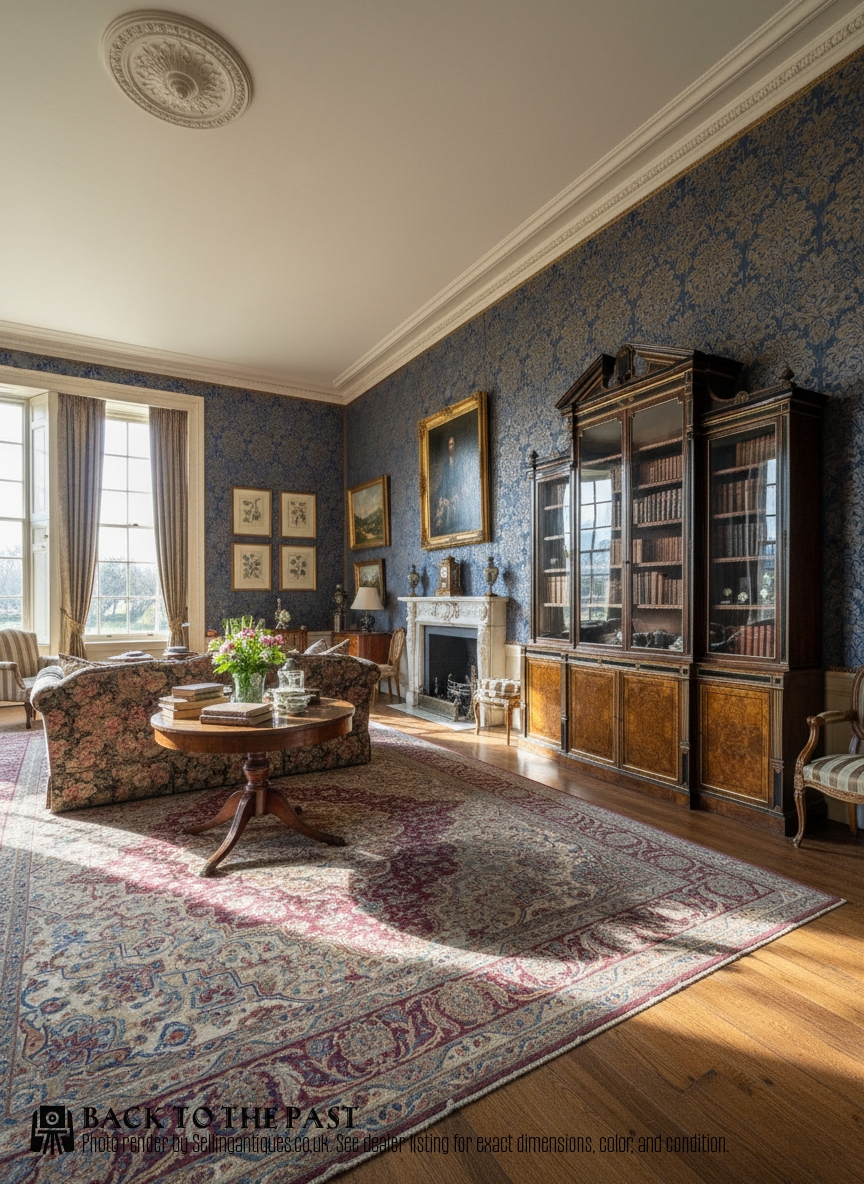
Victorian Display Bookcase
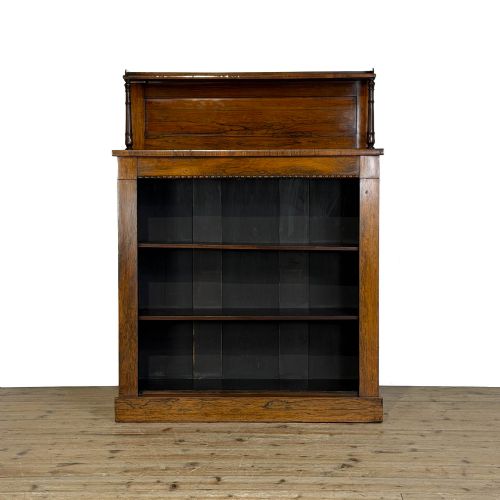
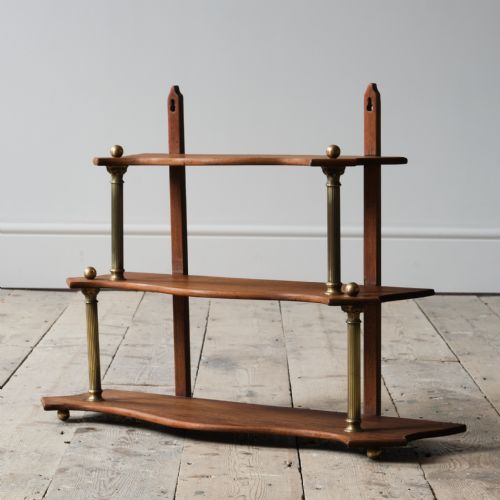
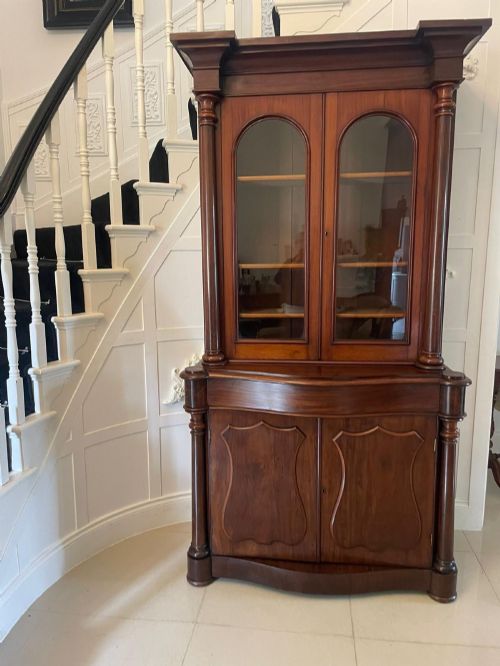
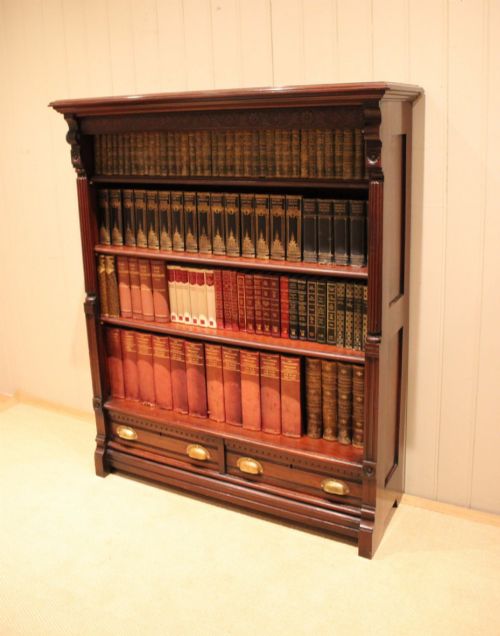
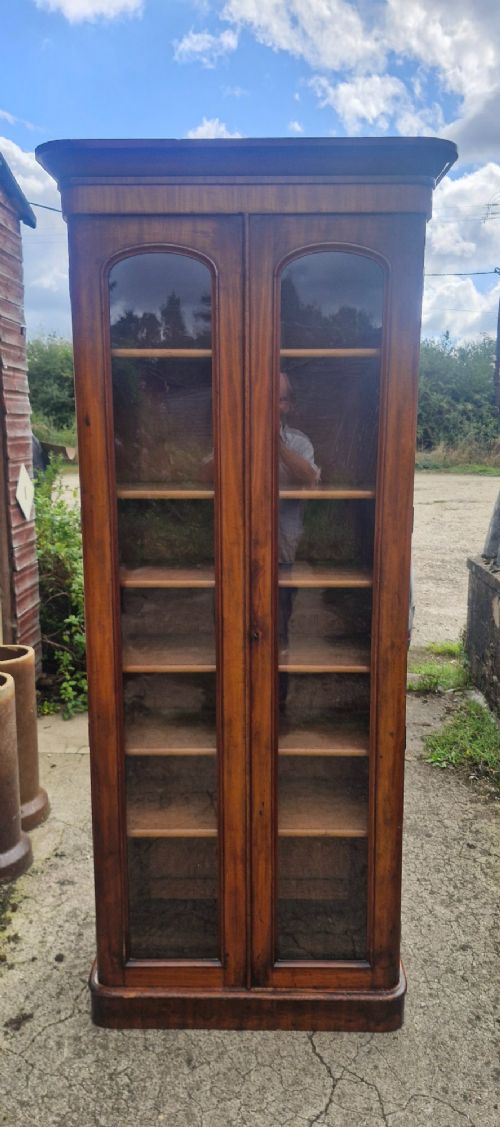
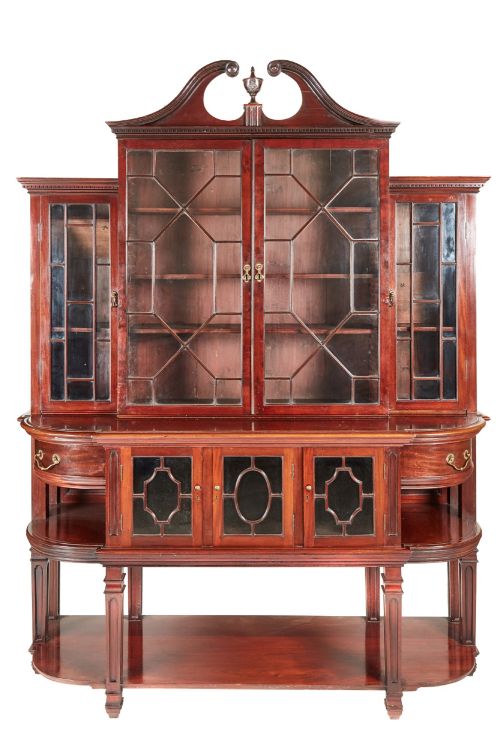
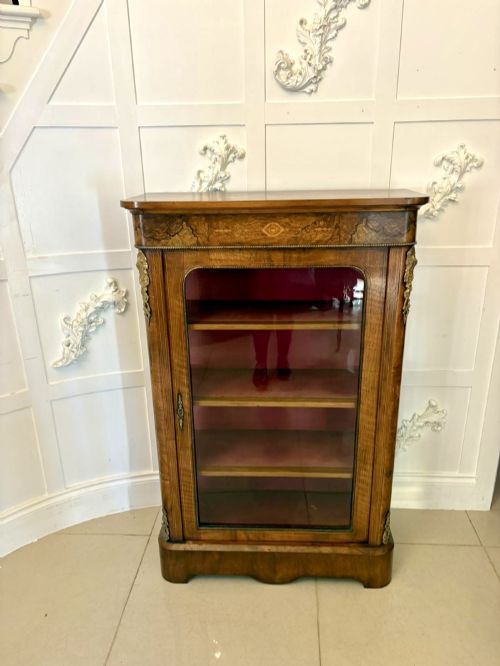
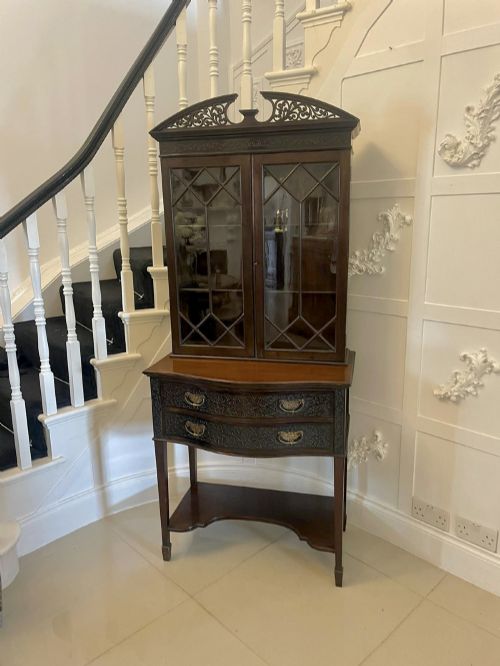
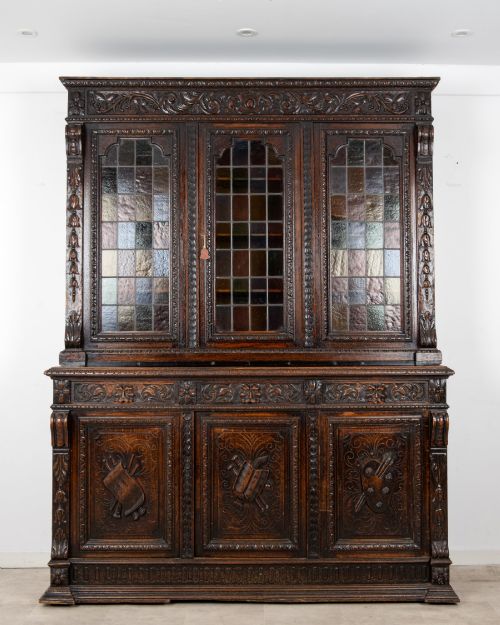
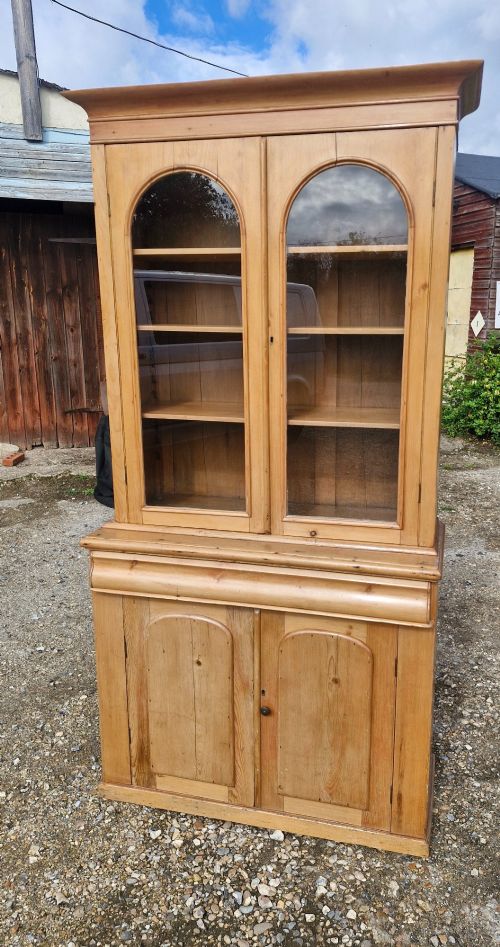
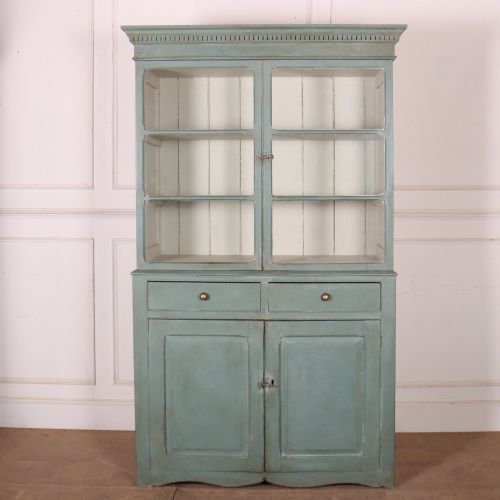
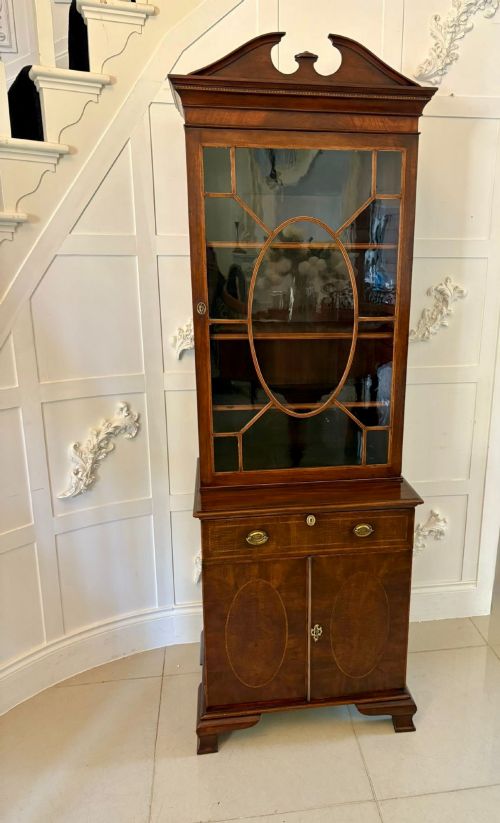
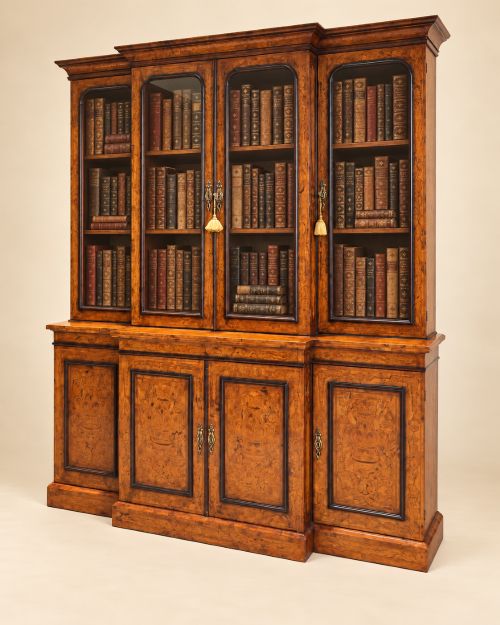
A victorian display bookcase combines open or glazed shelving for books with enclosed cabinet storage, serving both library and display functions in a single piece of furniture. These items range from compact wall-hanging shelves and single-door pier cabinets to substantial breakfront library units and multi-door credenzas.
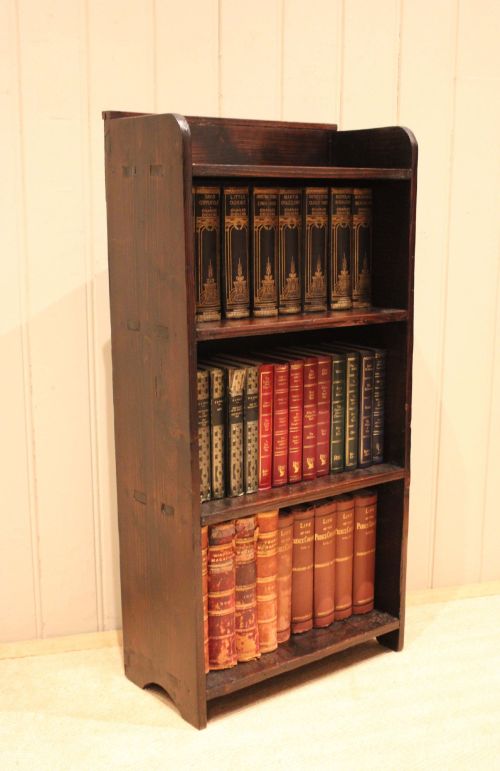
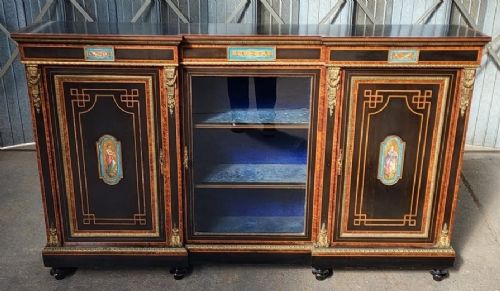
Mahogany and walnut predominate in this selection, often detailed with burr veneers, marquetry inlay, or ormolu mounts for formal rooms. Oak and pine examples also appear frequently, spanning rustic country styles, kitchen dressers, and aesthetic movement designs from the nineteenth century.
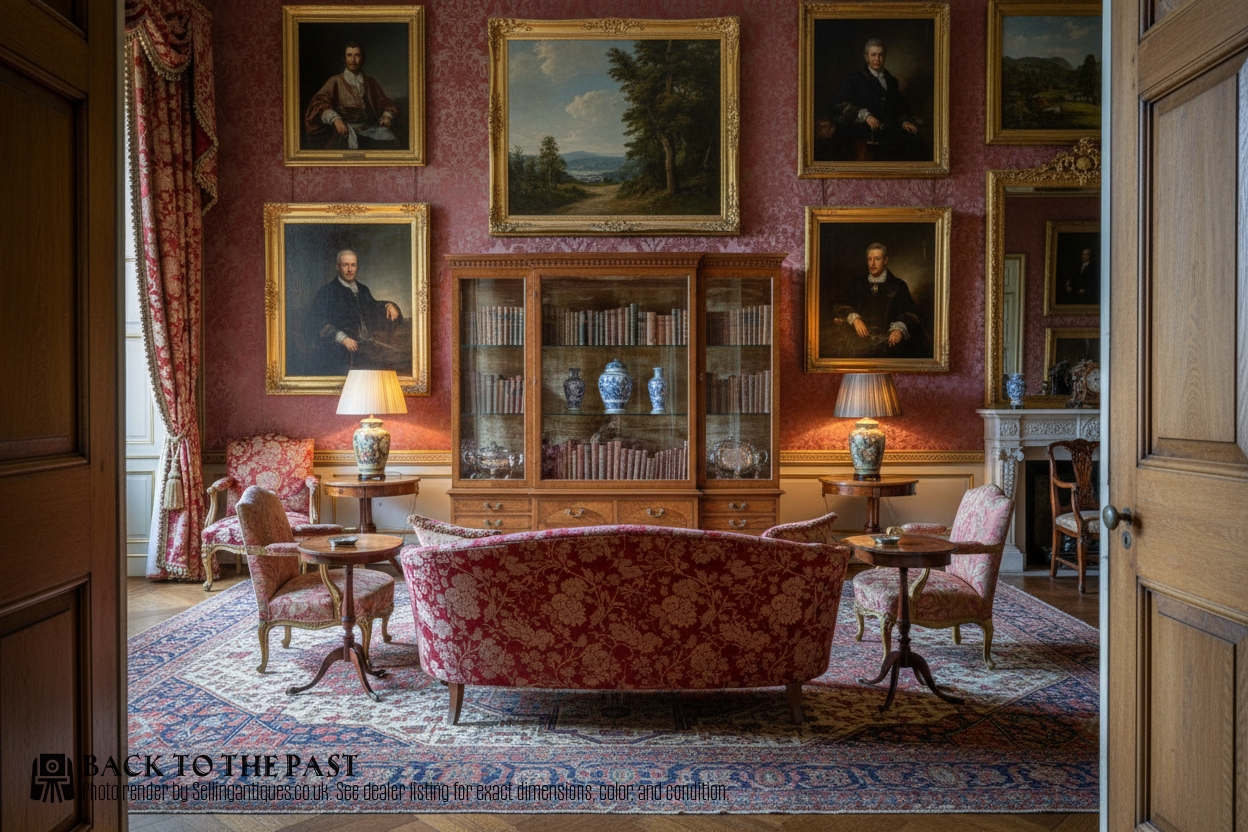
Materials and Construction
Cabinet makers utilised solid and veneered timbers including mahogany, walnut, oak, and pine, frequently pairing flamed or burr grains on prominent display surfaces. Glass doors often feature astragal bars or leaded designs, while brass hardware and decorative glazed panels complete the assembly.
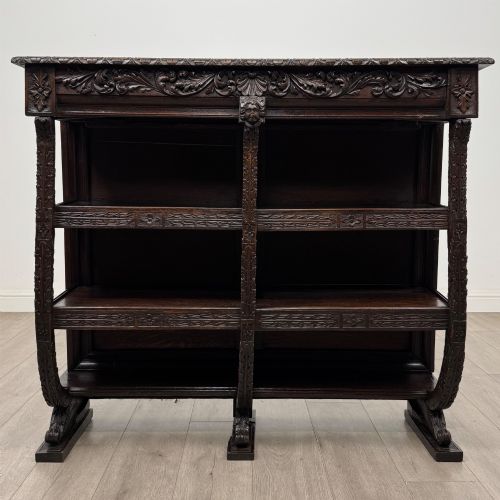
Interior architecture incorporated adjustable wooden shelving supported by peg systems, allowing the storage of varying book heights. Carved wooden details, applied mouldings, and hand-painted decorations mark the finishing techniques applied to these nineteenth-century cabinets.
One late Victorian mahogany bookcase carries a later hand-painted sign advertising Fry's cocoa and chocolate.
The Spectrum of Quality
Superior examples display careful timber selection, such as matched burr walnut or figured mahogany veneers that wrap evenly across the breakfront carcass. Finer pieces incorporate refined hand-carving, ormolu mounts, and complex marquetry rather than relying solely on simple machine mouldings.
Construction methods distinguish everyday utility pieces from exhibition grade work through tight joinery, original glazed panels, and carefully fitted doors that hang true. The presence of maker signatures or specialised workshop design adds further distinction to the upper tier of surviving cabinets.
Gabriel Viardot·Jas Shoolbred
The Victorian Display Bookcase Glossary
- Breakfront
- A piece of furniture where the central section projects forward from the flanking outer sections. This architectural arrangement creates depth and visual interest in larger library bookcases.
- Astragal
- A small moulded bar that divides panes of glass within a door or window frame. These wooden or brass strips form geometric patterns across the glazed fronts of display cabinets.
- Ormolu
- Gilded bronze mounts applied as decorative ornaments to furniture surfaces. Makers used these metal details to accent the corners and friezes of high-status walnut and ebonised cabinets.
- Marquetry
- Decorative patterns formed by fitting together small pieces of wood veneer and other materials onto a structural surface. Craftspeople arranged contrasting grains to depict floral or geometric motifs.
- Pier Cabinet
- A low, narrow cabinet designed specifically to fit against the wall space between windows. These slim display pieces often feature glazed doors for housing small collections.
Victorian Display Bookcase: Frequently Asked Questions
How do adjustable shelves work?
Adjustable shelves rest on movable wooden supports or brass pins set into vertical tracks inside the bookcase carcass. This system allowed nineteenth-century owners to alter shelf heights for different volumes.
Original adjustable shelving remains a key feature to check when examining nineteenth-century library furniture.
Where were pier cabinets placed?
Pier cabinets were manufactured to stand against the narrow section of wall situated directly between two windows. These architectural spaces received plenty of daylight for viewing displayed objects.
Victorian homes utilised these slim display pieces to make use of awkward wall sections without blocking walkways.
What is astragal glazing?
Astragal glazing refers to glass doors divided into smaller panes by thin wooden or brass strips known as astragals. These bars form neat rectangular or Gothic arched patterns.
This technique secured smaller pieces of glass before large plate glass sheets became common or affordable for standard cabinet production.