
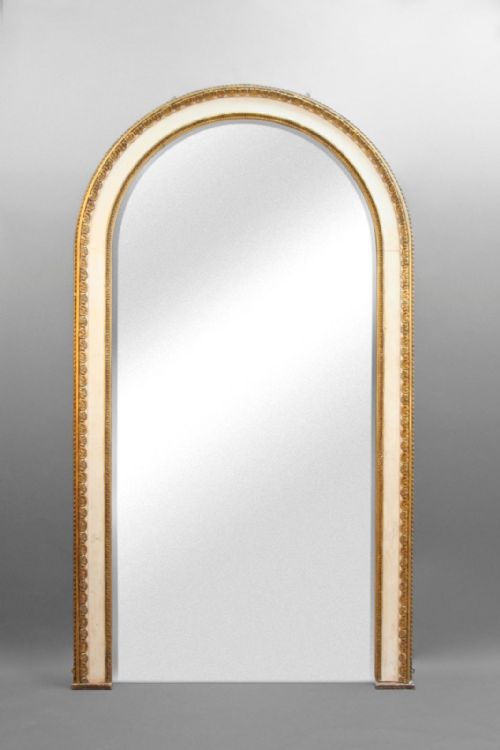


Large Victorian Hall Mirror
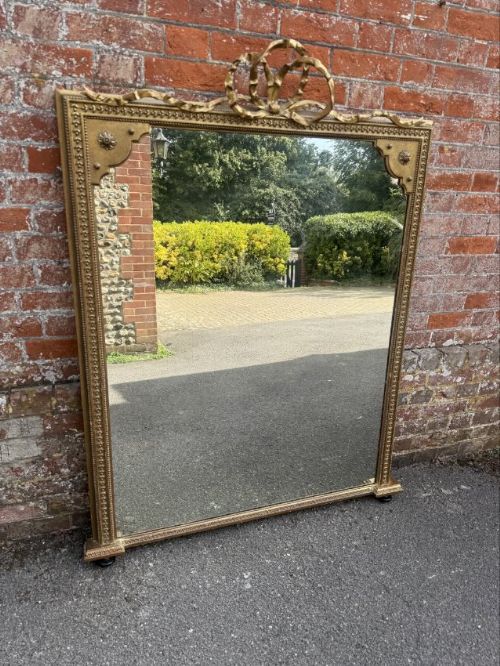
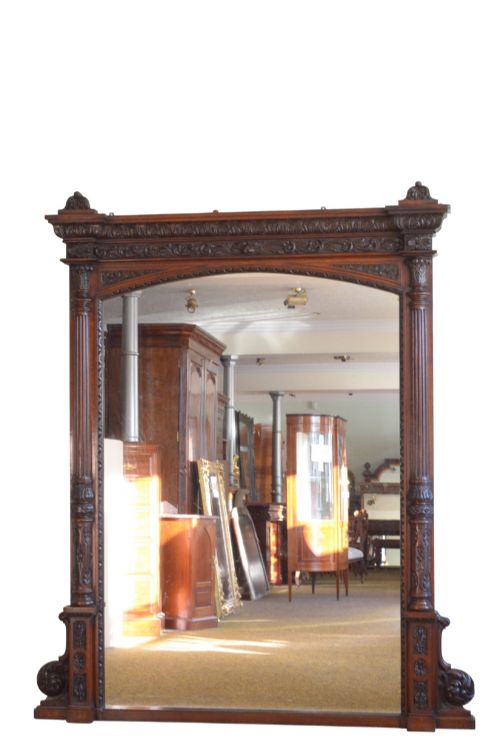
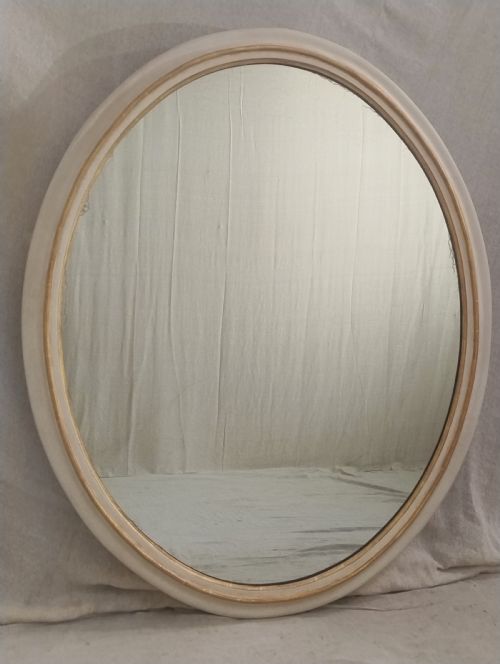
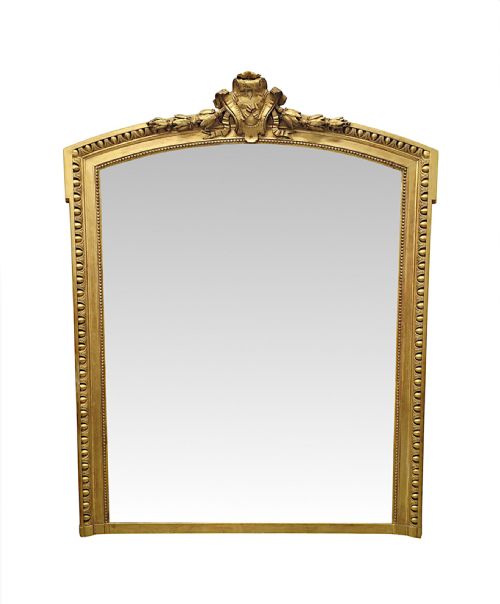
A large victorian hall mirror sets the scale for an entranceway, combining heavy timber frames or gilt decoration with practical reflective glass.
Large Victorian Hall Mirror
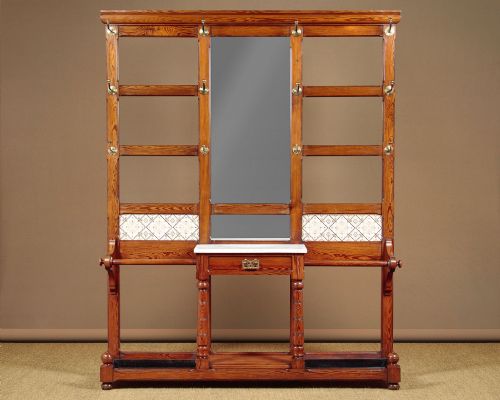
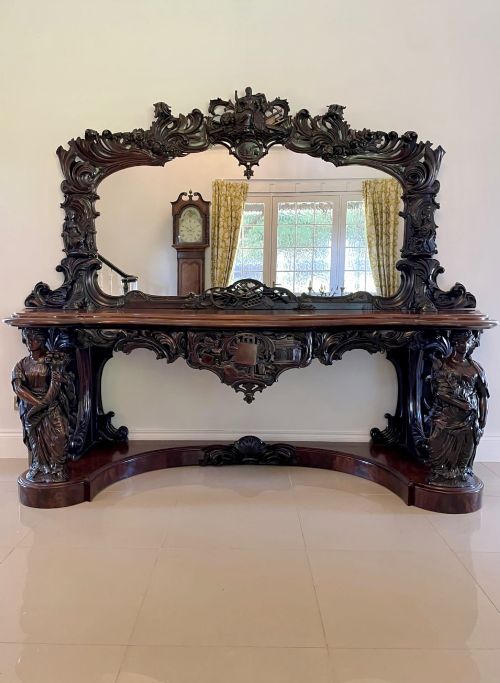
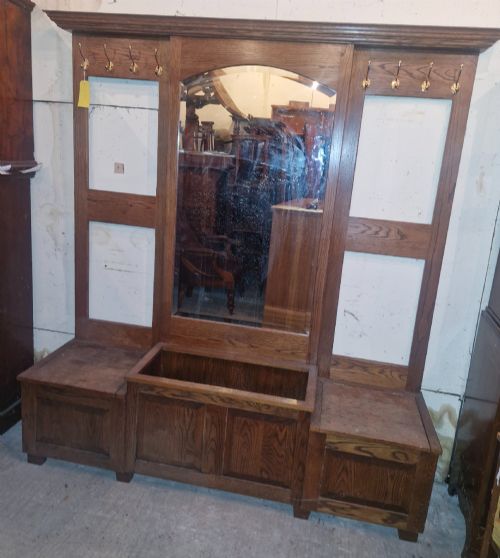
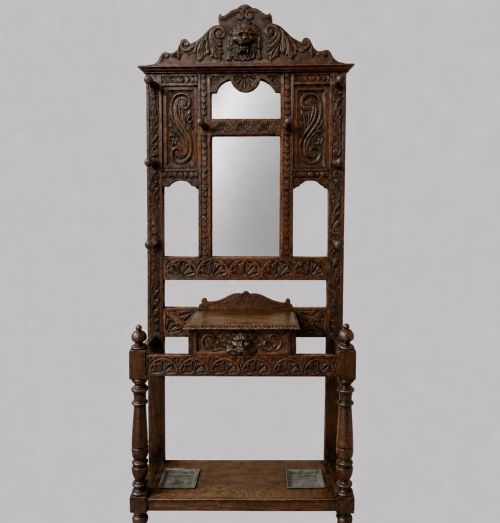
A large victorian hall mirror serves as a dominant architectural feature in a grand entranceway, often combining functional glass with heavy timber or ornate framing. When searching for a large victorian hall mirror, buyers encounter standalone wall-hung plates alongside multi-functional hall stands and console tables incorporating mirror glass.
The evidence shows these pieces span the nineteenth century, with specific examples appearing from decades such as the eighteen-fifties, sixties, seventies, eighties, and nineties, stretching into nineteen hundred. Styles range from straightforward English and French designs to elaborate gothic revival, rococo revival, and neoclassical interpretations.
Many of these objects serve practical purposes beyond simple reflection, functioning as hat and coat stands, umbrella holders, or console supports. Walnut, oak, mahogany, and pine provide the structural timber, while giltwood, gesso, and gold leaf deliver decorative surface brilliance.
Materials and Construction Methods
Carpenters and joiners built the structural elements of a large victorian hall mirror using solid timbers like oak, mahogany, walnut, and pine, frequently shaping them into heavy wall frames or complex hall stands. Carved details, rope twists, and green man motifs demonstrate traditional hand-working techniques applied directly to the wood.
Giltwood and gesso frames required skilled application of gold leaf over prepared plaster layers upon a carved wood base. Mirror glass was set securely into these robust surrounds, occasionally accompanied by original plates showing age appropriate for the nineteenth century.
Distinctions in Quality
The refinement of the carved wood and gesso ornamentation separates standard production from exhibition pieces. Crisp, deep relief work on oak or mahogany demonstrates superior artisan skill compared to softer, shallower moulding.
The integrity of the original mirror plate and the weight of the supporting frame dictate the overall substance of the object. Heavier giltwood constructions and substantial solid oak or walnut stands represent the higher tier of surviving examples.
Nosotti·Gillows
The Large Victorian Hall Mirror Glossary
- Giltwood
- Wood that has been coated with gold leaf or gold paint. This finish creates a bright, reflective surface popular in formal nineteenth-century interior decoration.
- Gesso
- A plaster mixture applied to wood frames to create a smooth surface for gilding or deep carving. It allows for intricate moulded details and ornamentation.
- Overmantel
- A large mirror designed to hang specifically above a fireplace mantelpiece. These pieces frequently share dimensions and decorative styles with large hall mirrors.
- Pier Mirror
- A tall mirror designed to hang on the wall space between two windows. They often match the height and grandeur of large entranceway furniture.
- Hall Stand
- A multi-functional piece of furniture incorporating a mirror alongside hooks for hats and coats and sometimes a compartment for umbrellas.
Large Victorian Hall Mirror: Frequently Asked Questions
Where should I hang a large victorian hall mirror?
These mirrors suit spacious entrance halls, landings, or dining rooms where their substantial dimensions can command the wall space. Placing them opposite a light source maximises the illumination they bring to darker corridors.
Ensure the wall construction can support the considerable weight of solid timber and glass frames by anchoring directly into structural studs or masonry.
Are these mirrors heavy?
Solid oak, mahogany, and walnut frames combined with thick mirror glass create exceptional weight. Professional installation using heavy-duty fixings is essential for safe wall mounting.
Floor-standing hall stands distribute this weight across the base, though tall mirror attachments still benefit from wall tethering for stability.
How do I identify a nineteenth-century mirror?
Examine the timber construction, backboards, and fixings for signs of period hand-working methods and appropriate ageing. Original mirror glass often exhibits subtle imperfections, foxing, or slight distortion characteristic of historic manufacturing processes.
Stylistic markers such as gesso rope twists, neoclassical motifs, and gothic revival carving point directly to Victorian production periods.