


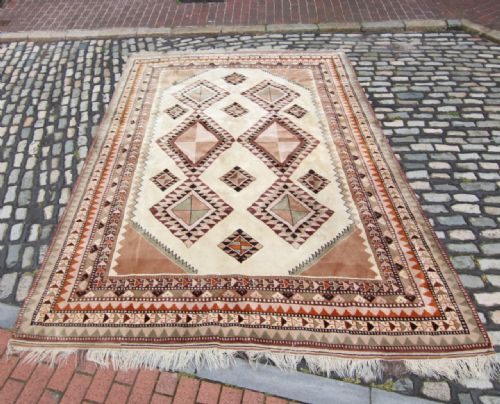
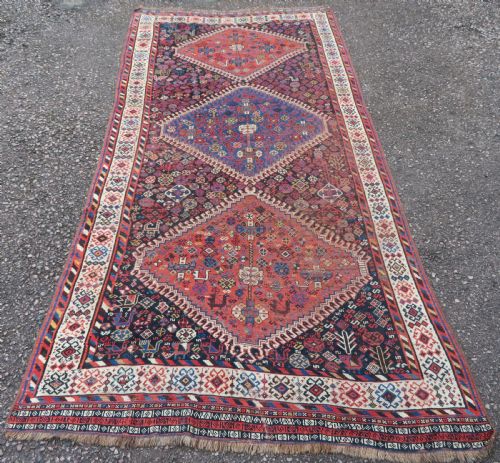
Large Tribal Wool Carpet
A large tribal wool carpet brings heavy village texture, geometric motifs and rich natural dyes directly onto the floor of any substantial room.
Large Tribal Wool Carpet
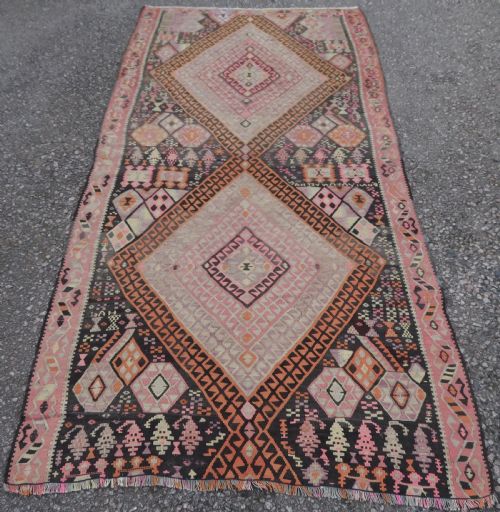
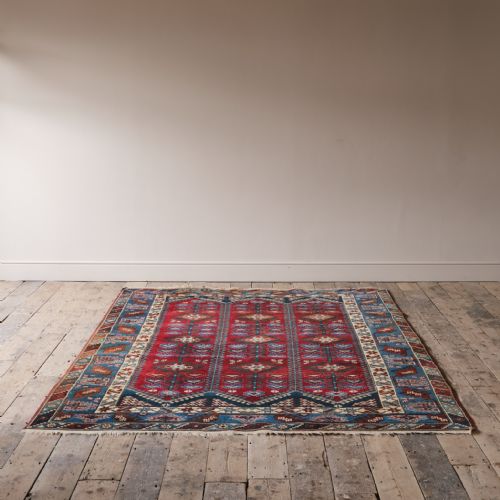
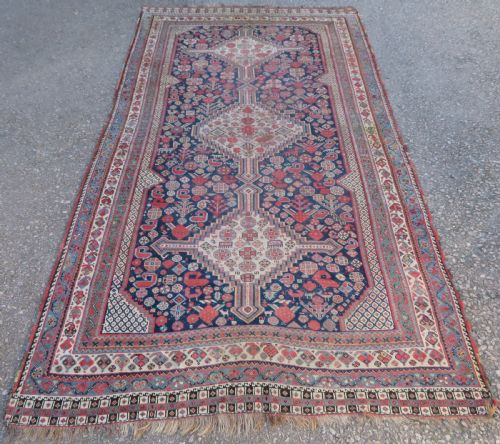
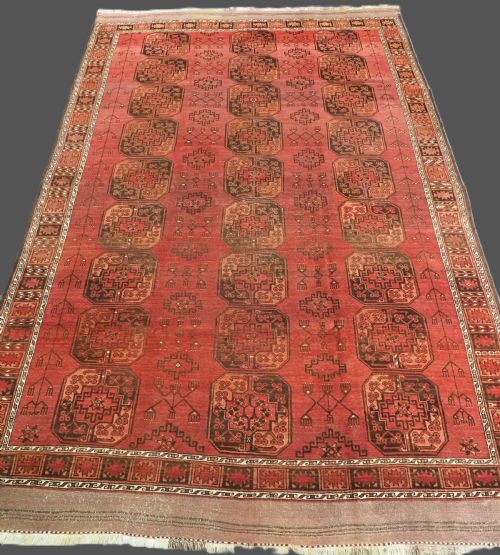
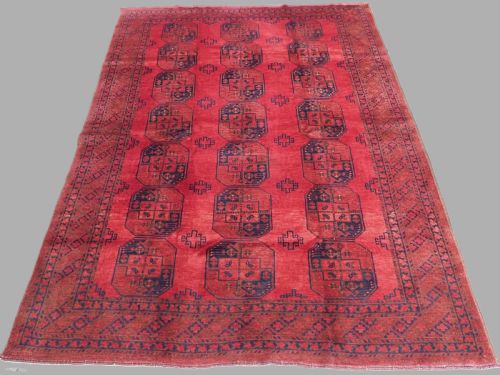
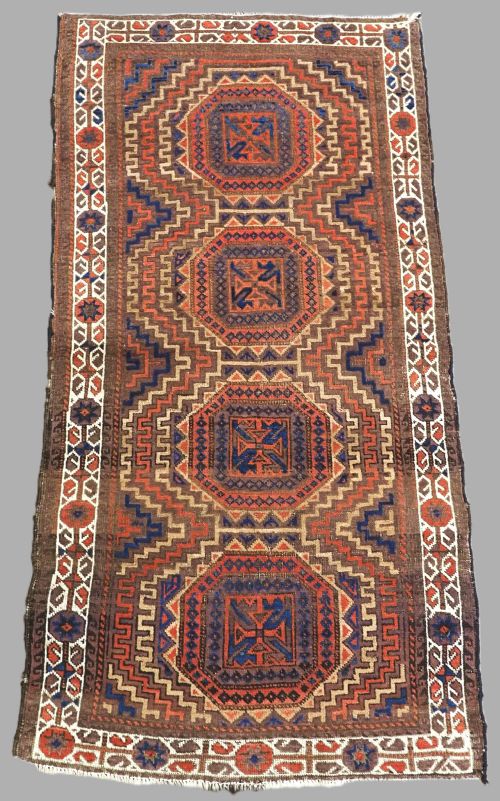
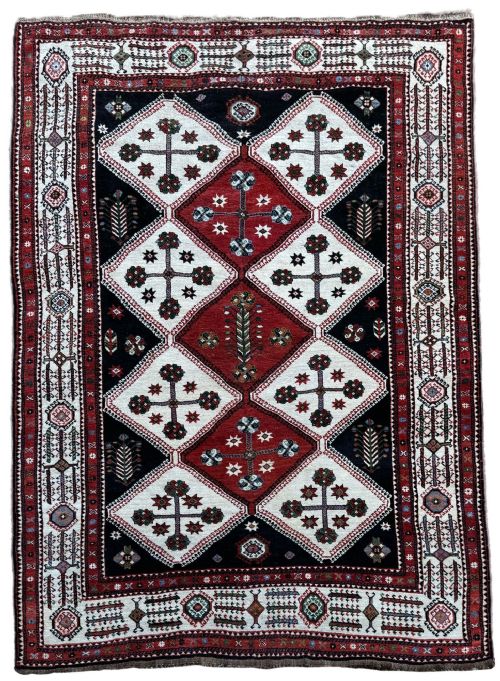
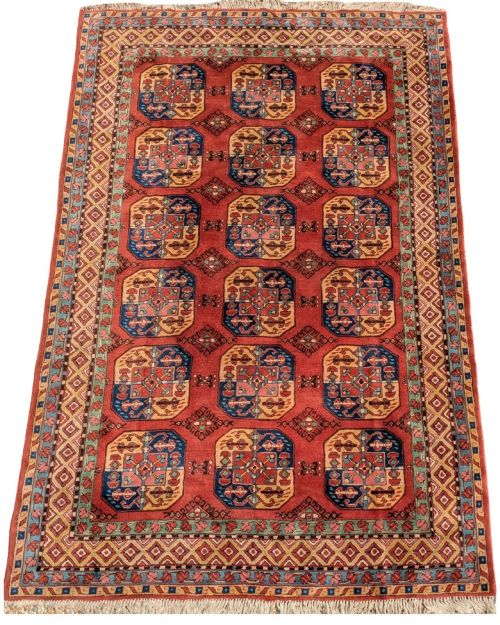
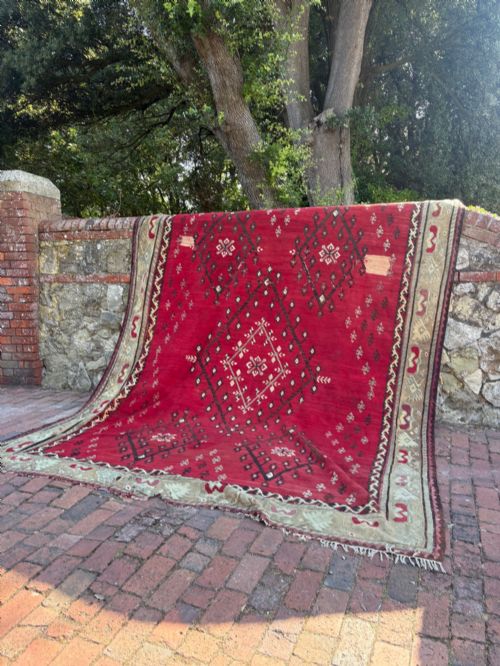
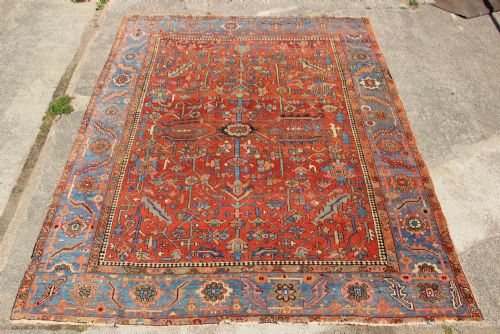
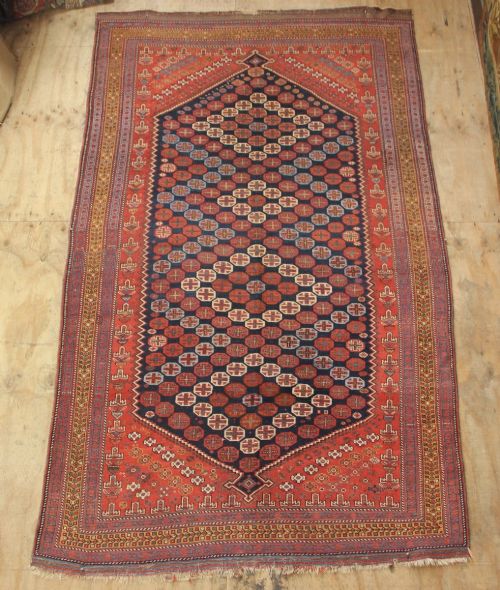
A large tribal wool carpet is a hand-woven textile created by nomadic or village weavers across Persia, Central Asia, the Caucasus and Anatolia. When you search for a large tribal wool carpet, you encounter room-sized floor coverings bearing traditional tribal designs such as guls, medallions and geometric field patterns.
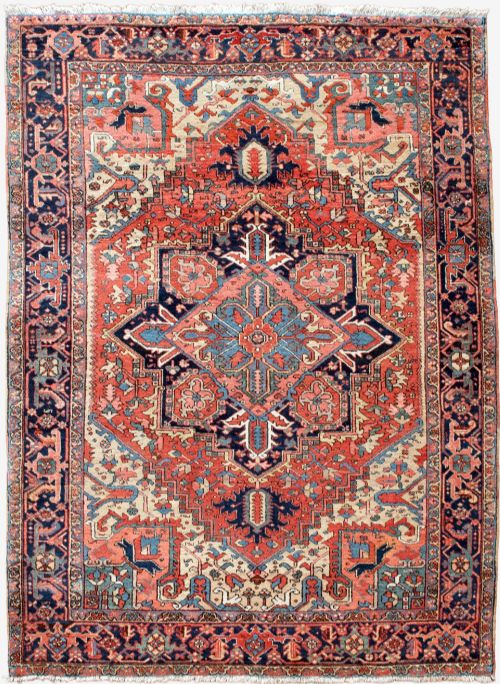
The pieces available span from the mid-nineteenth century through to the early decades of the twentieth century. They include regional village and nomadic productions such as Ersari Turkmen, Afghan, Heriz, Kurdish, Bakshaish and Qashqai carpets.
What varies in quality
Quality in these carpets rests upon the tightness of the knotting, the resilience of the wool and the complexity of the design layout. Finer piles and well-drawn geometric motifs distinguish more accomplished village and tribal weaving from simpler utilitarian work.
The vibrancy and depth of the natural dyes also dictate the character of the piece, with harmonious colour saturation elevating the visual presence of the carpet. Structural integrity and the survival of original borders further differentiate exceptional examples from heavily repaired or diminished ones.
The Large Tribal Wool Carpet Glossary
- Gul
- A primary octagonal medallion or motif frequently repeated across Turkmen and Central Asian carpets. Each tribe utilised distinct gul variations to signal regional identity.
- Flatweave
- A textile woven without a pile, such as a kilim, created by interweaving warp and weft threads flat. These pieces offer a lighter weight and distinct geometric surface patterns.
- Kelleh
- A long, rectangular format carpet traditionally suited for narrow rooms or hallways. They provide substantial length while maintaining a narrower width than standard room-sized carpets.
- Natural Dyes
- Colourants derived from plants, insects and minerals utilised before synthetic aniline dyes became widespread. They produce nuanced, variable tones that mellow gracefully over time.
- Warp
- The vertical foundation threads stretched lengthwise on the loom onto which the knots are tied. The visibility and tension of the warp define the structural backbone of the carpet.
Large Tribal Wool Carpet: Frequently Asked Questions
How do I care for a large tribal wool carpet?
Vacuum gently using suction only, avoiding the rotating brush bars that can pull at antique wool fibres. Rotate the carpet periodically to ensure even wear across high-traffic areas and consult a specialist for professional washing.
Keep the carpet out of direct, harsh sunlight to protect the natural dyes from fading over the years. Ensure the underlay is breathable and suited to historic textiles to prevent slipping and moisture retention.
Can I place these carpets in high traffic areas?
These heavy wool carpets were originally built for demanding domestic environments and withstand regular foot traffic well. The resilient natural lanolin in hand-spun wool naturally repels dirt and resists crushing.
In heavy hallway or living room settings, a quality felt underlay helps cushion the textile and reduces friction against the floorboards. Proper placement preserves the structural integrity of the nineteenth and early twentieth century foundation.
How do I distinguish regional styles?
Study the primary motifs, such as the octagonal guls of Ersari and Turkmen weaving or the angular medallions characteristic of Heriz and Bakshaish production. Colour palettes also offer strong clues, from the warm reds of Afghan village pieces to the varied geometric layouts of Caucasian and Kurdish work.
Examine the edge finishes, end borders and handling of the wool to further narrow down the provenance. Regional weaving traditions maintained strict adherence to local structural methods and symbolic vocabulary.
What is the difference between a carpet and a rug?
Carpets generally refer to larger floor coverings designed to anchor an entire room, whereas rugs typically describe smaller formats. In historic tribal contexts, larger formats served as central domestic furnishings for main living spaces.
Both categories utilise identical hand-knotting or flatweaving techniques executed on traditional looms. The distinction rests primarily on scale and intended spatial placement within a dwelling.