




Large Terracotta Wool Carpet
When you search for a large terracotta wool carpet, you uncover substantial hand-woven floor coverings designed to anchor major rooms with earthy warmth and traditional pattern.
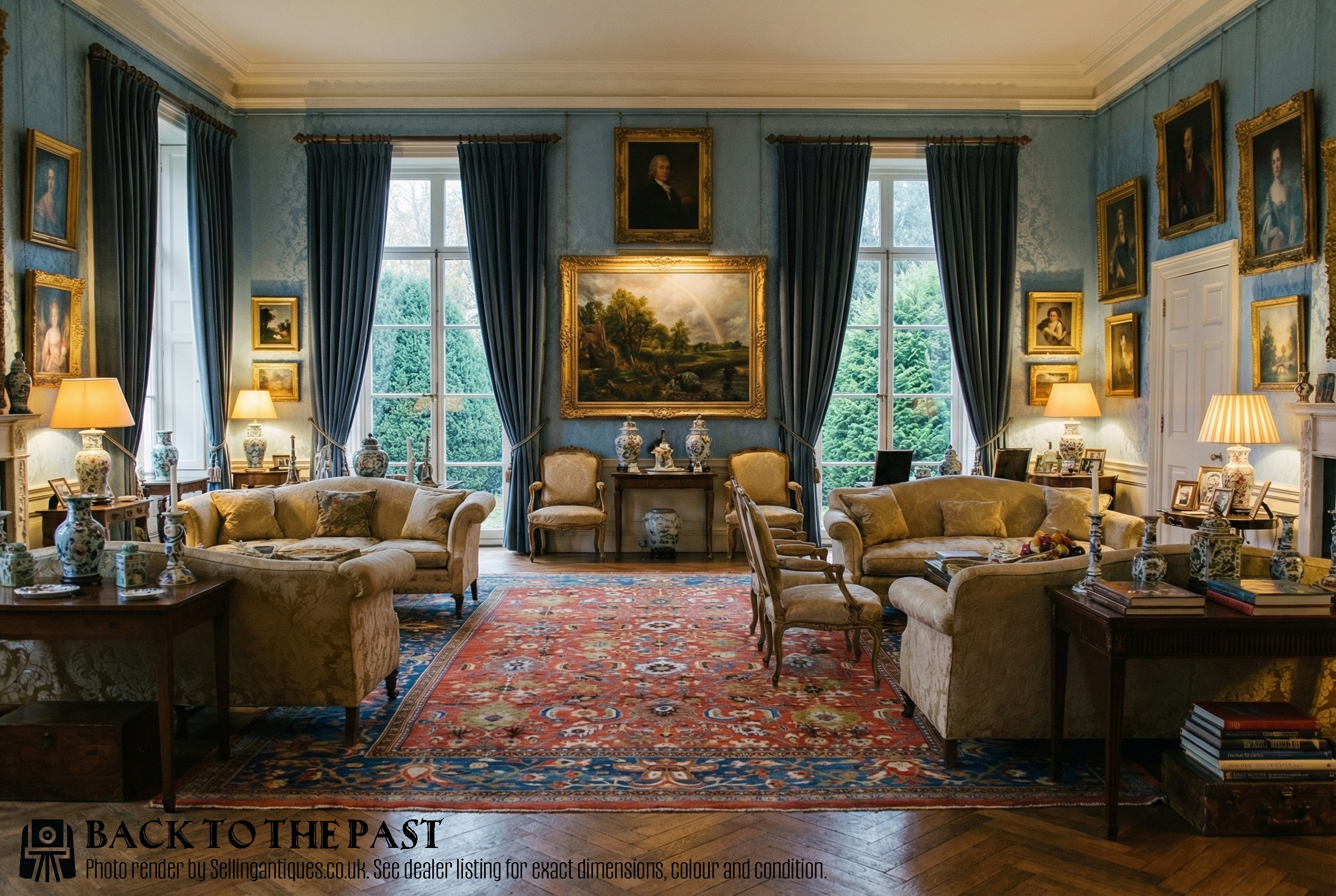
Large Terracotta Wool Carpet
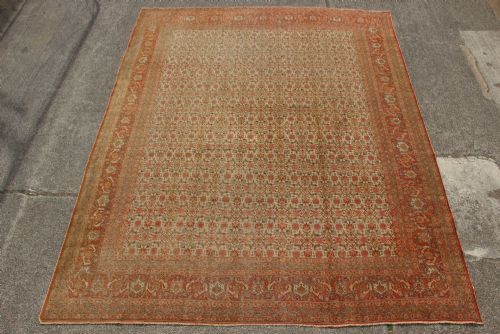
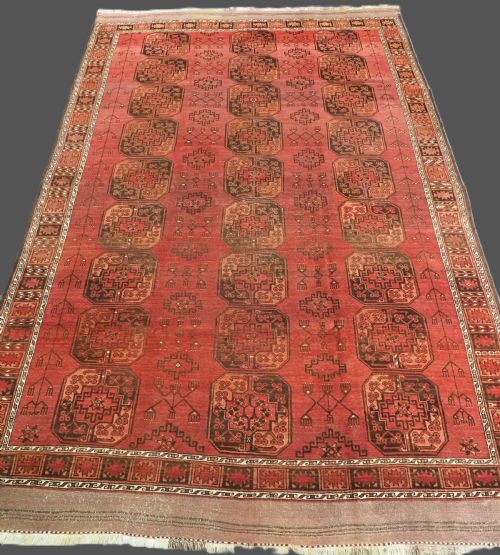
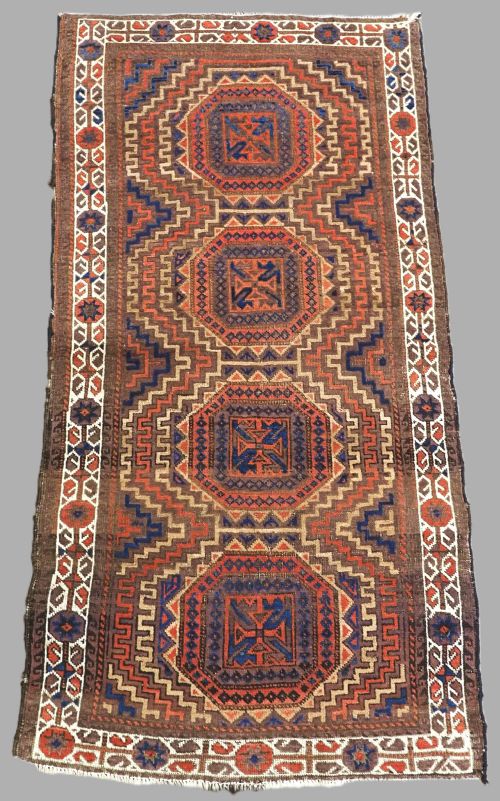
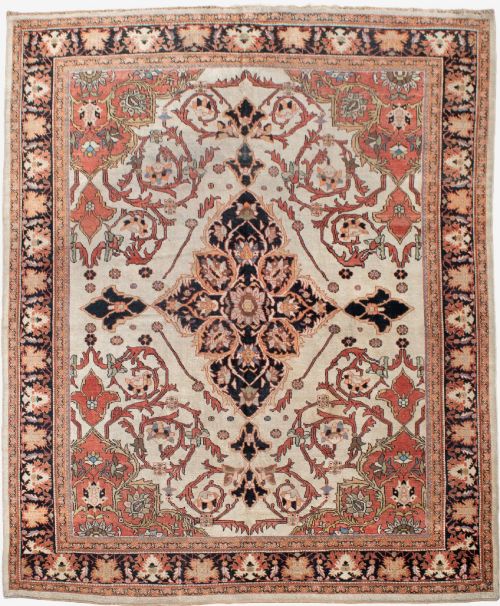
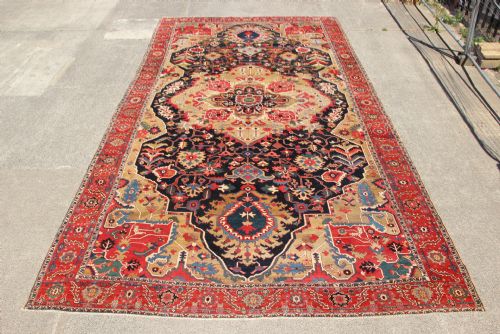
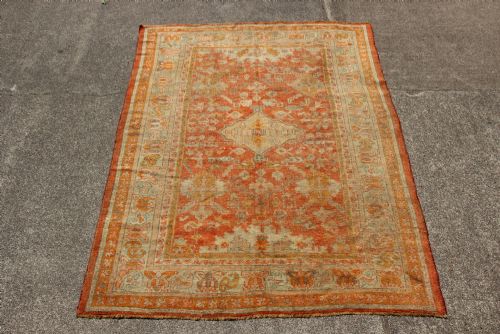
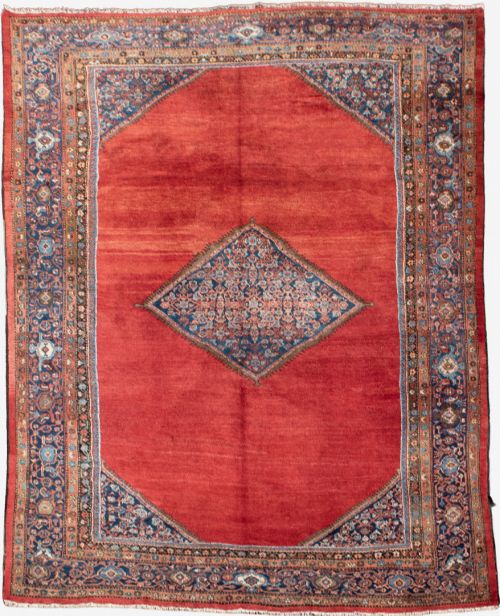
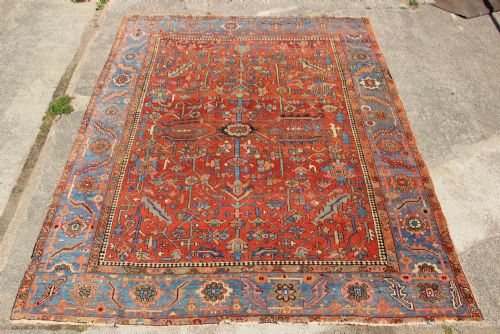
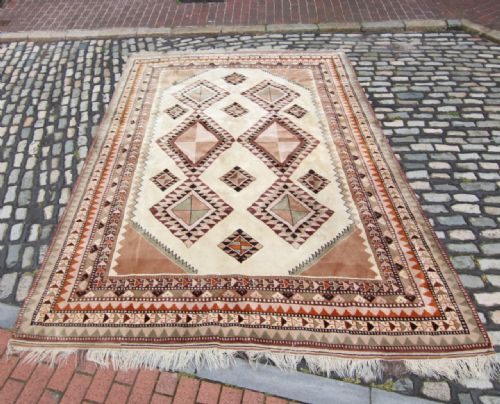
A large terracotta wool carpet provides expansive floor coverage rooted in Persian and Anatolian weaving traditions. These substantial pieces frequently display characteristic reddish-brown clay tones alongside traditional geometric or medallion layouts.
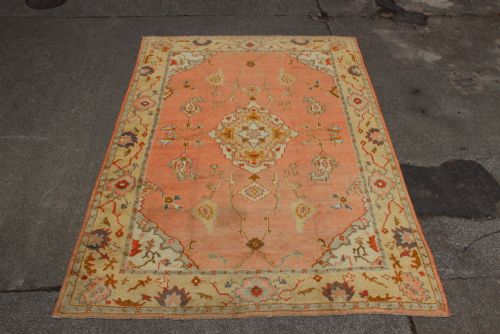
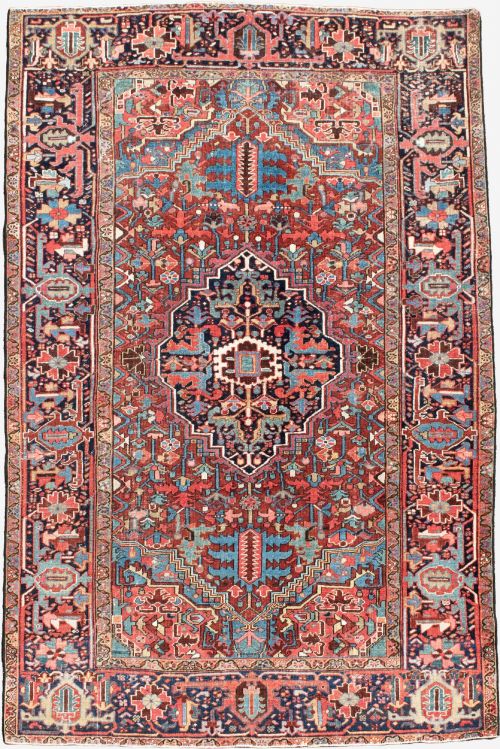
The selections available include notable regional types such as Heriz, Oushak, and Mahal carpets produced across the late nineteenth and early twentieth centuries. Such floor coverings served distinct domestic functions in substantial period interiors.
Makers utilised resilient wool foundations dyed with rich natural pigments to withstand heavy daily use. The resulting heavy floor coverings bring historical character to expansive spaces.
How they were made
Weavers constructed these large carpets using natural wool yarns spun for durability and warmth. Cotton often formed the underlying warp and weft threads to provide structural stability across wide expanses.
Traditional workshops applied organic dyes derived from plants and minerals to achieve the characteristic terracotta palette. Skilled artisans knotted each strand by hand onto vertical looms following established tribal or city designs.
Listings feature carpets spanning from eighteen-fifty to nineteen-thirty, produced predominantly in Persian and Anatolian workshops using wool and cotton.
What varies in quality
Knot density and structural tightness determine the foundational integrity of each woven piece. Tighter knotting allows finer execution of intricate geometric and floral motifs across the field.
The consistency of the wool pile and the depth of the natural dye colours affect visual cohesion. Well-preserved foundations maintain their structural rigidity and colour richness over decades of service.
Haji Jalili Tabriz
The Large Terracotta Wool Carpet Glossary
- Terracotta
- A reddish-brown clay colour derived from fired earth, frequently dominating the ground field of these traditional woven floor coverings.
- Heriz
- A style of carpet originating from north-west Persia known for bold geometric medallions and robust structural wool.
- Oushak
- A Turkish carpet weaving tradition characterised by softer pastel or terracotta tones and large-scale floral patterns.
- Gul
- A medallion or repeating octagonal motif used extensively in tribal carpet designs from Central Asia and Persia.
- Warp
- The stationary vertical threads stretched on a loom that form the foundational skeleton of a hand-knotted carpet.
Large Terracotta Wool Carpet: Frequently Asked Questions
How do I clean a large terracotta wool carpet?
Regular gentle vacuuming without a beater bar removes surface dust trapped within the wool pile. Professional specialist cleaning remains essential for addressing deep-seated dirt.
Water exposure should be managed carefully to prevent dye migration or wool shrinkage. Natural fibres respond best to dry or low-moisture cleaning methods administered by experienced conservators.
Where should I place a large terracotta wool carpet?
These substantial floor coverings anchor major living rooms, dining spaces, or long hallways effectively. Their warm reddish-brown tones complement wooden flooring and traditional interior furniture.
Placing a quality underlay beneath the carpet prevents sliding and reduces friction against hard floors. This extra layer also cushions the thick wool pile from excessive compaction.
How do I identify a Heriz carpet?
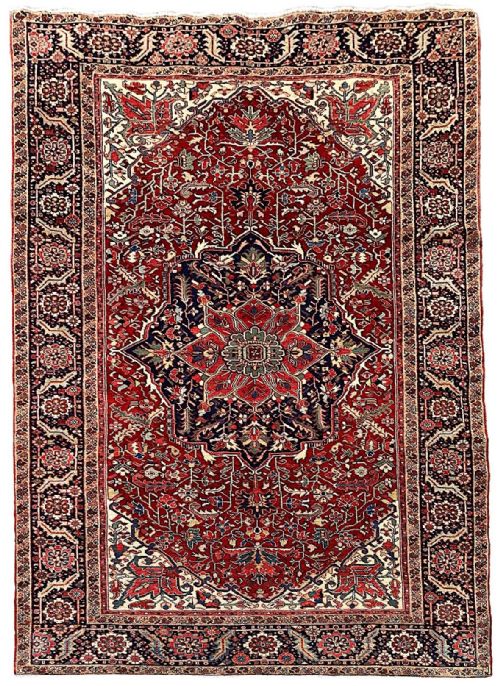
Heriz carpets typically feature a prominent central geometric medallion anchored by bold corner spandrels. The wool tends to be heavy and durable, designed for everyday domestic utility.
Distinctive rectilinear drawing distinguishes these Persian pieces from curved floral city designs. The palette frequently incorporates rich terracotta alongside navy and ivory accents.
What is an Oushak carpet?
Oushak carpets originate from western Anatolia and display more relaxed, expansive floral patterns. They often utilise softer terracotta or muted background tones rather than rigid geometric grids.
Lighter knotting structures give these Turkish pieces a slightly more pliable handle. Their muted palettes blend smoothly into diverse decorative schemes.