
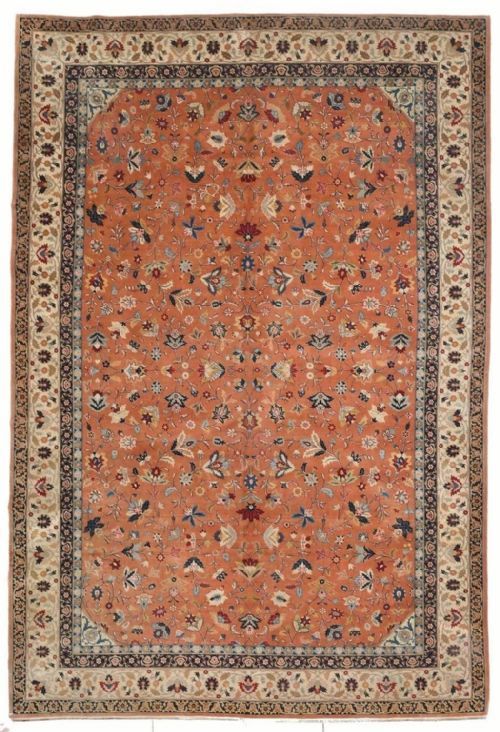
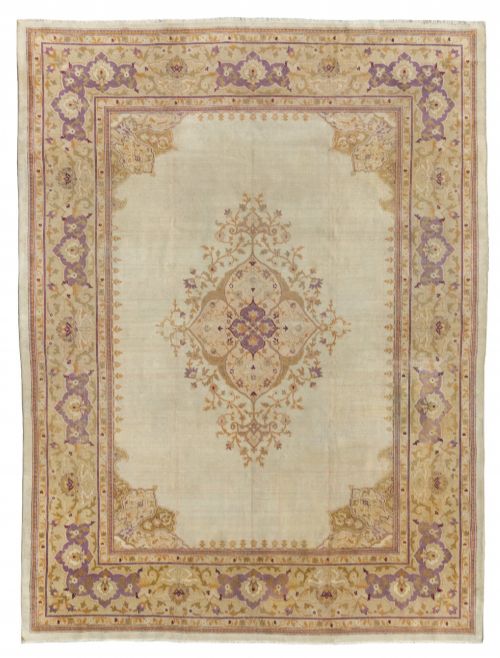
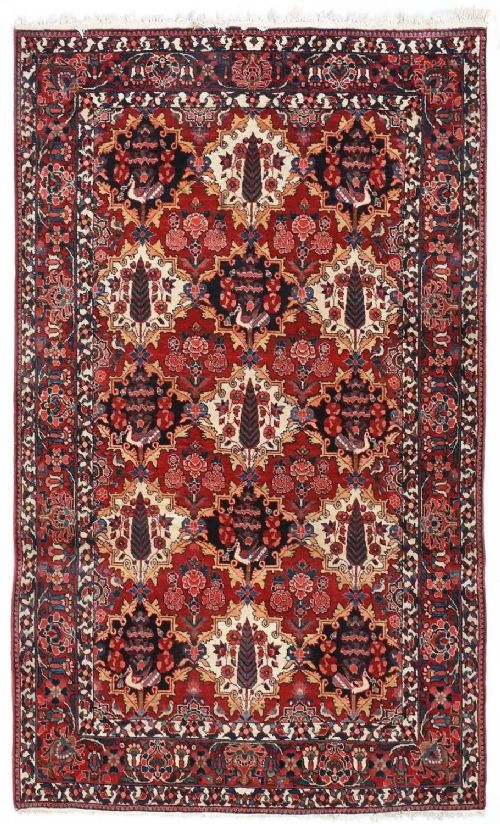
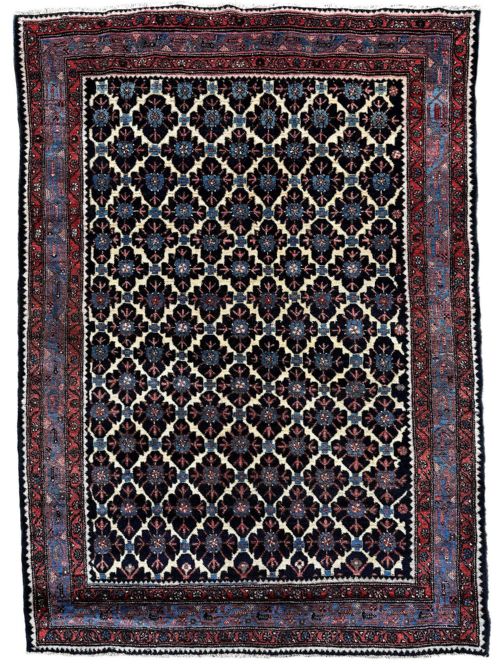
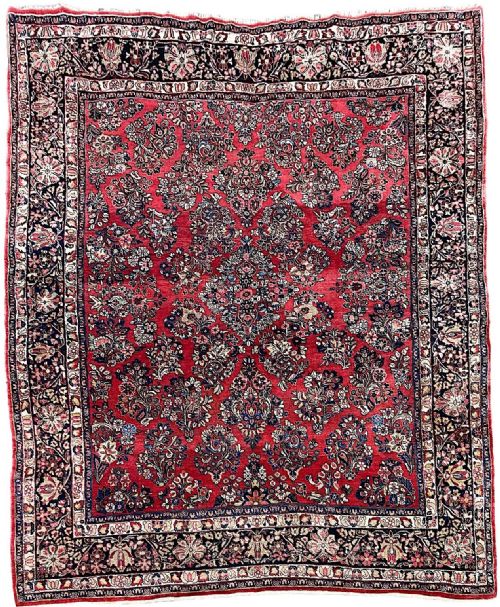


Floral Patterned Wool Rug
A floral patterned wool rug brings deep colour and enduring texture to a room, drawing on centuries of weaving traditions from Persia, India, and Eastern Europe.
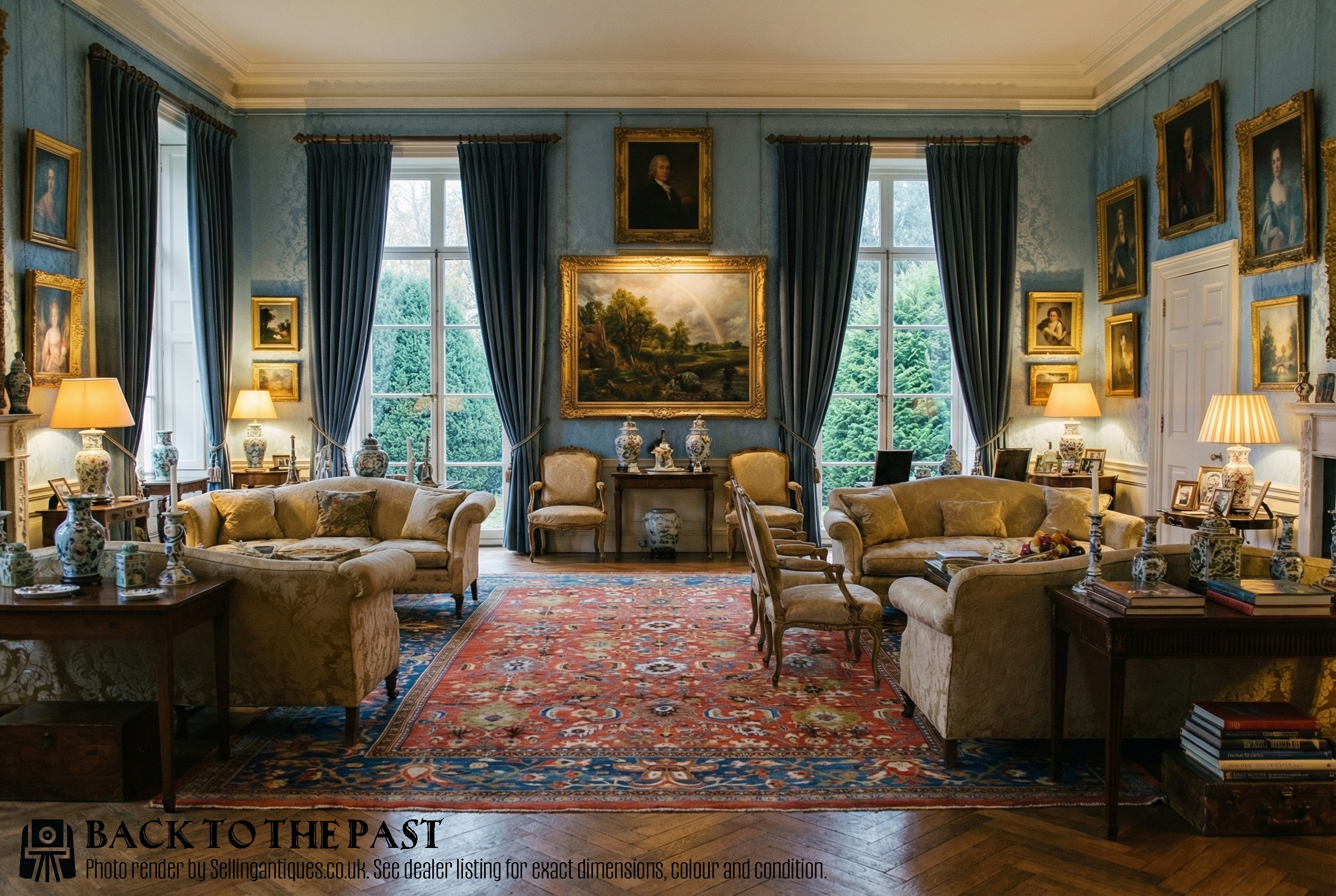
Floral Patterned Wool Rug
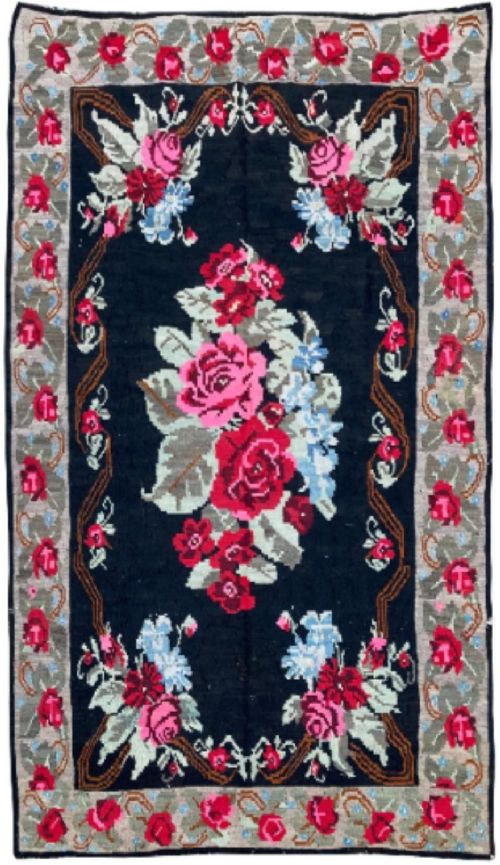
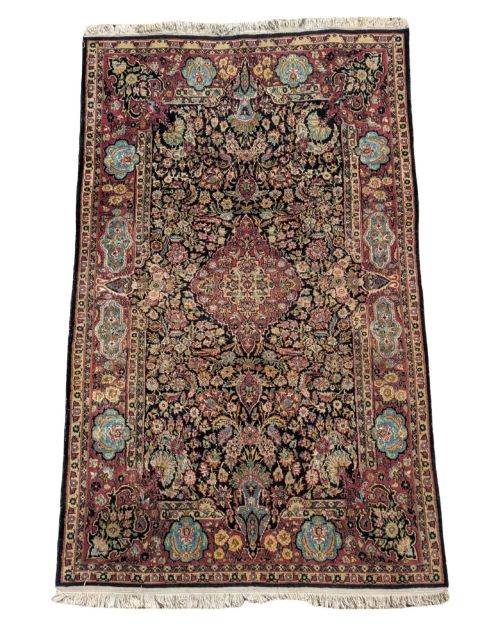
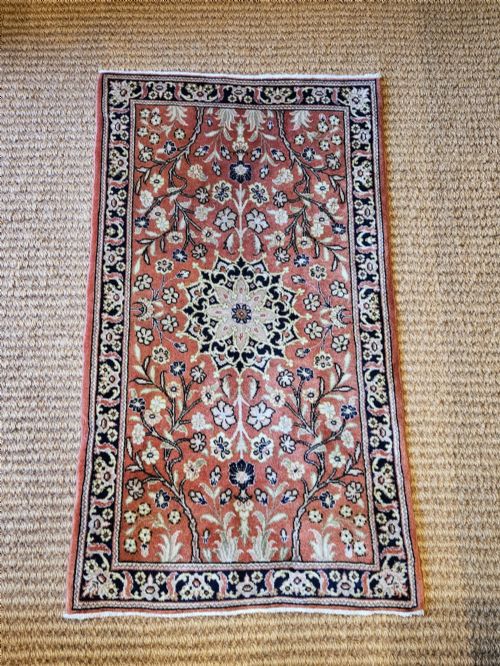
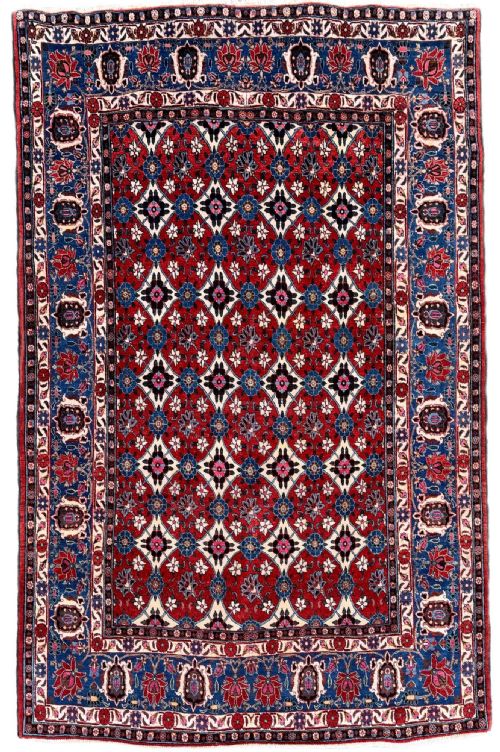
When you search for a floral patterned wool rug, you encounter hand-woven floor coverings spanning the late eighteenth century through the early twentieth century. The selection includes full-sized carpets, hearth-sized mats, and long runners designed for hallways or specific living spaces.
Most examples originate from traditional weaving centres in Persia, alongside pieces from North India, the Caucasus, and Bessarabia. Buyers frequently meet regional types such as Tabriz, Mahal, Kashan, and Heriz carpets.
The assortment contains both room-sized centrepieces and smaller area rugs, offering diverse formats for domestic interiors. Their patterns range from medallion layouts to all-over floral repeats and tile designs.
How they were made
Makers utilised natural wool for the foundational pile, occasionally incorporating cotton foundations and silk highlights to add definition to the floral motifs. Artisans tied individual knots by hand or wove flat-woven kilims, creating resilient textiles built for daily use.
Dyers employed organic colour sources to achieve rich hues that soften gracefully over decades. The interplay of wool pile, cotton warps, and silk accents results in varied surface textures across different regional styles.
Some antique kilims retain stray animal hairs spun directly into the wool, reminding us of the rural flocks.
What varies in quality
Knot density and precision of the floral drawing dictate the fineness of a rug, separating standard domestic weaving from master workshop production. Tightly packed wool piles retain crisp pattern details and stand up better to heavy foot traffic over generations.
The complexity of the dye palette and the condition of the original fringe and borders influence the standing of an individual piece. Retaining full borders and even pile wear distinguishes superior surviving examples from heavily restored or reduced textiles.
Ziegler·Tabriz·Kashan·Heriz·Mahal
The Floral Patterned Wool Rug Glossary
- Pile
- The upright yarn loops or tufts that form the usable surface of a rug. This layer absorbs friction and displays the woven pattern.
- Warp
- The stationary threads running longitudinally through the loom that support the entire structure of the textile. Weavers tie the pile knots directly around these vertical strands.
- Kilim
- A flat-woven carpet or rug produced without a raised pile. These textiles rely on tightly interlaced warp and weft threads to form geometric and floral designs.
- Medallion
- A large central ornamental motif set in the middle of the rug field. It acts as the primary visual anchor for the surrounding floral patterns.
- Highlights
- Specific areas within a rug woven in a different material, such as silk, to make certain motifs catch the light. This technique adds depth and contrast to the main wool design.
Floral Patterned Wool Rug: Frequently Asked Questions
How do I clean a wool rug?
Vacuum gently without a rotating brush roll to remove loose dirt from the wool fibres.
Professional specialist washing is recommended for thorough cleaning to protect the natural dyes and foundation.
Are these rugs suitable for hallways?
Runner formats and durable wool constructions handle regular walking traffic effectively in corridors and entryways.
Using a quality underlay prevents slipping and cushions the textile against hard stone or wooden floors.
How do I identify a Heriz rug?
Heriz carpets typically feature bold geometric medallion designs combined with robust floral motifs and sturdy wool piles.
Their substantial weight and distinctive large-scale patterns separate them from finer, curvilinear city rugs.
What is a silk highlight?
Silk highlights are specific sections of a rug woven in silk rather than wool to create reflective contrast.
Master weavers used this technique to draw attention to particular floral elements within the field.