

Large Storage Box
A large storage box grounds a room with substance, bringing centuries of utility and timber into modern spaces.
Large Storage Box
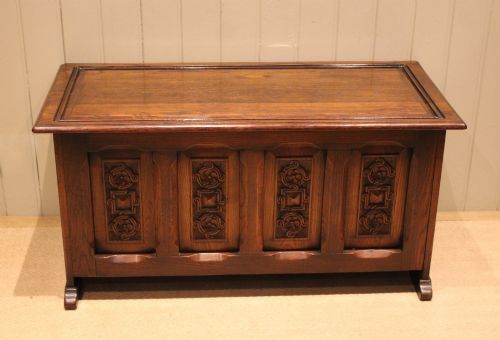
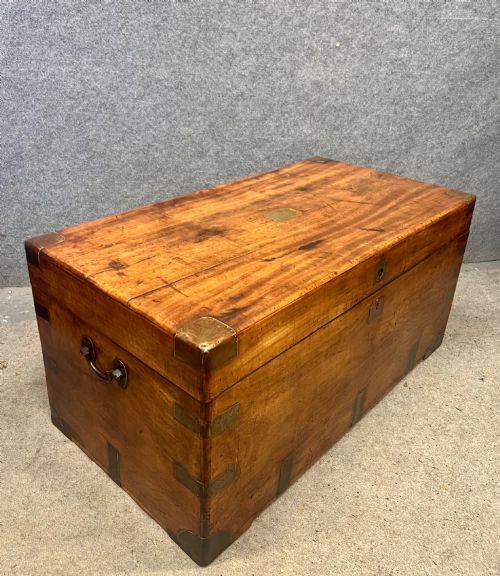
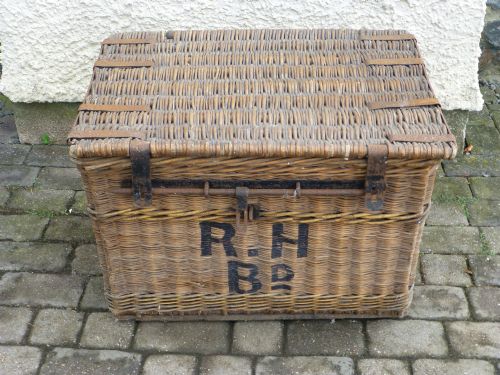
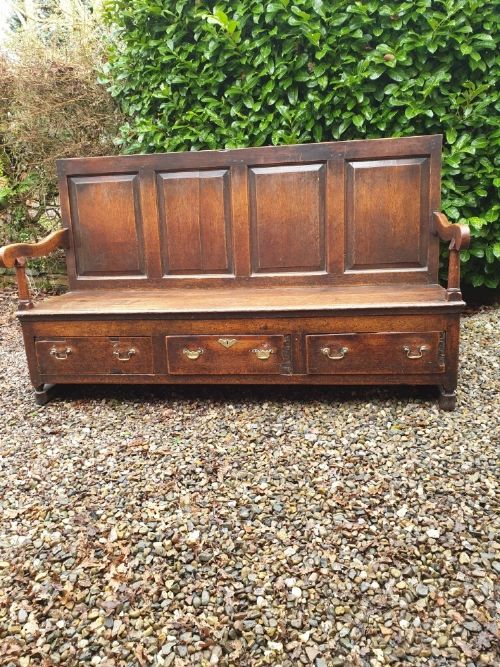
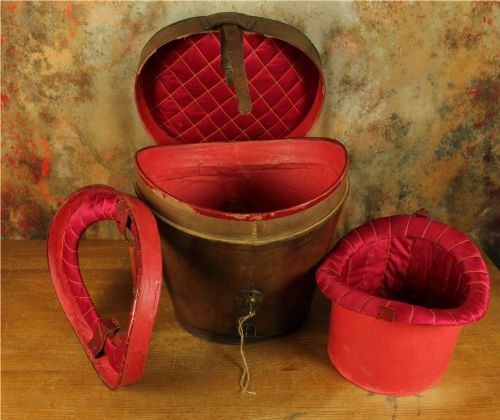
A large storage box encompasses robust utilitarian vessels spanning the seventeenth century through to the Edwardian period, including oak coffers, pine blanket boxes, and teak campaign chests. These pieces served domestic, travel, and dowry functions across British, European, and colonial workshops.
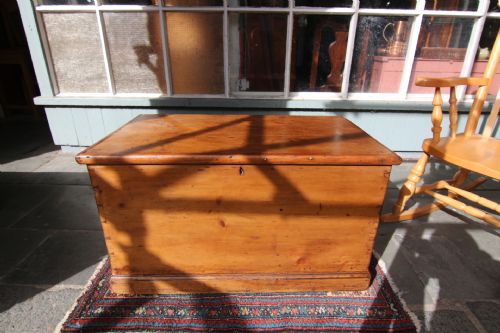
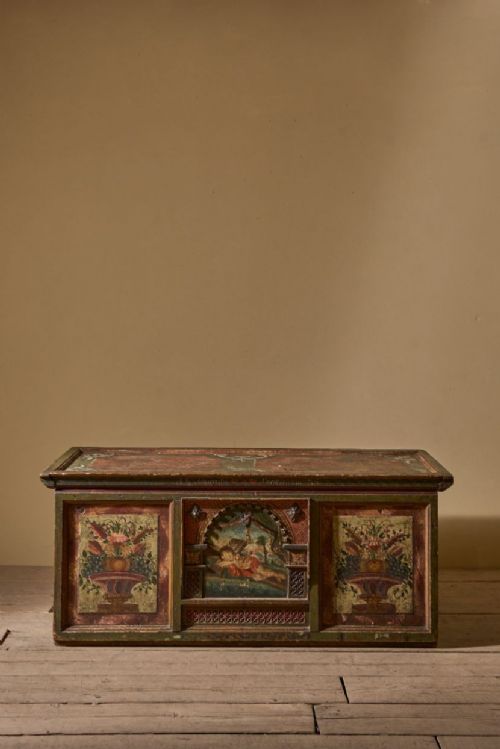
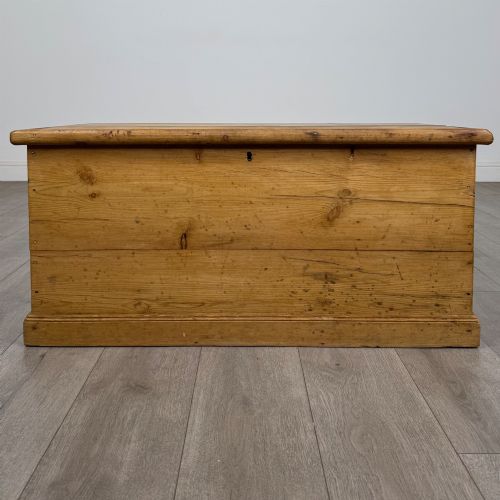
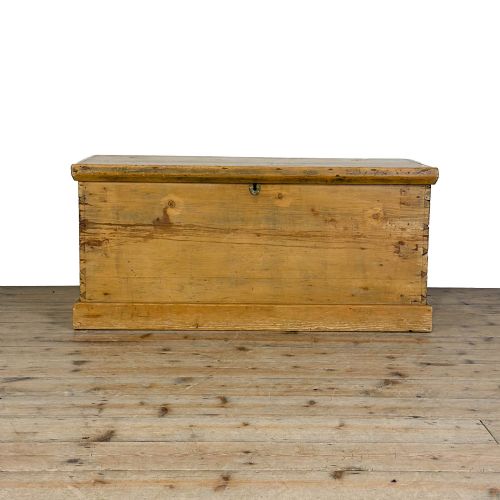
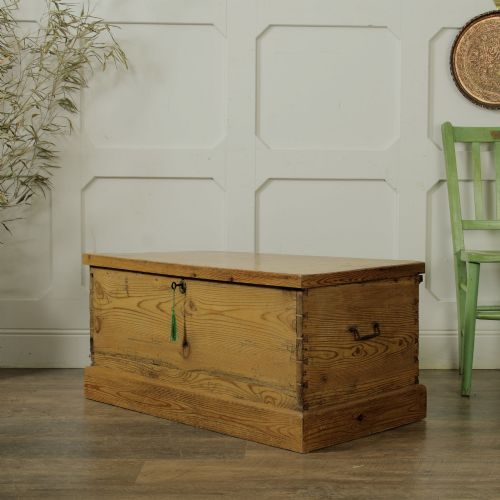
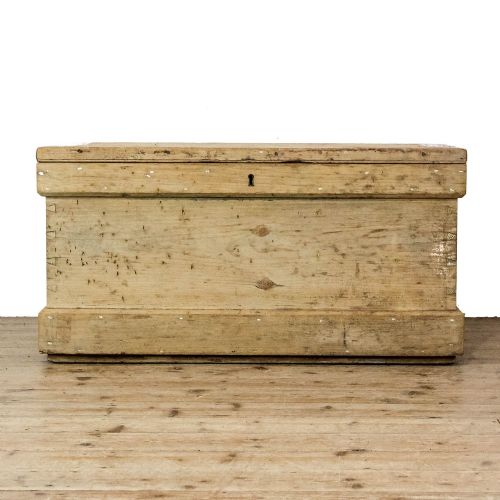
Pine and oak versions dominate the current selection, frequently appearing in Victorian and eighteenth-century contexts as blanket boxes or tool chests. More specialised forms such as camphor wood campaign chests and painted marriage trunks also emerge regularly from past and present stock.
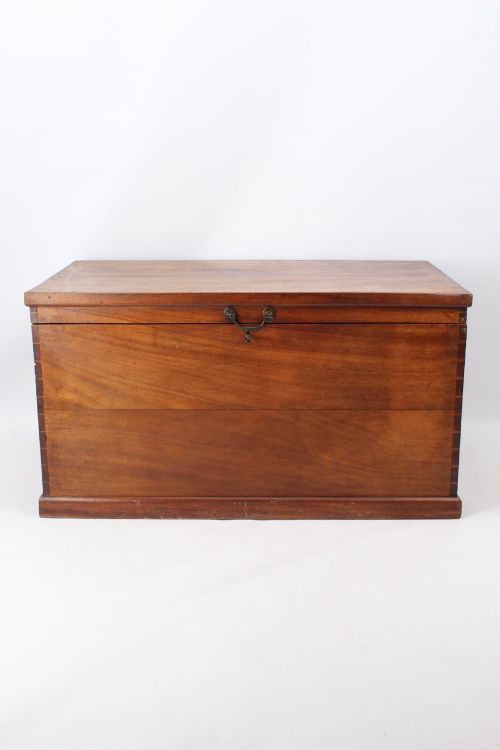
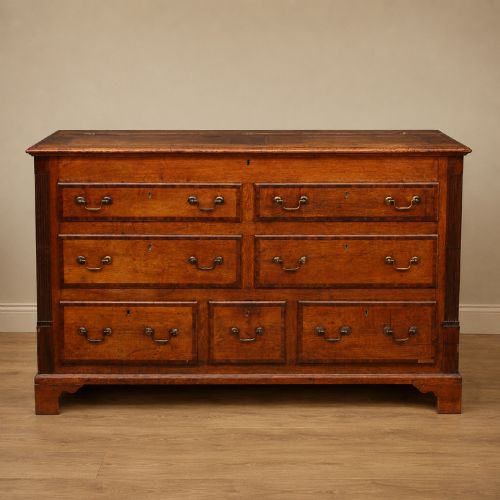
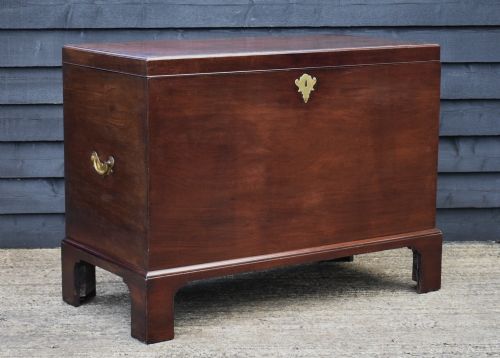
The practical utility that defined their creation remains their primary modern appeal, functioning as coffee tables, window seats, and heavy-duty linen storage. Their scale ranges from rustic country trunks to formally crossbanded mahogany mule chests.
How they were made
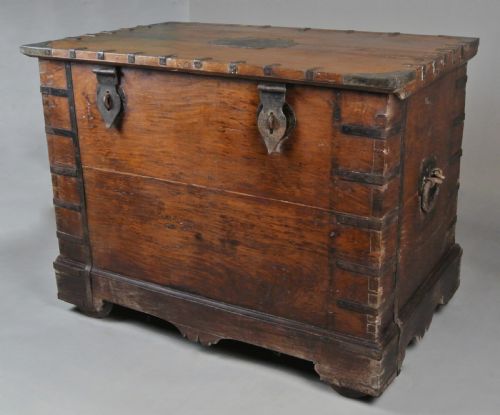
Joinery methods rely on solid native and exotic timbers like oak, pine, teak, and camphor wood, assembled with pegged mortise and tenon joints or dovetails on finer case pieces. Heavier boxes incorporate structural iron bindings, brass corners, and carrying handles designed for transit or security.
Surface finishes vary from raw stripped pine and waxed oak to applied paint, red lacquer, and leather studding. Iron and brass hardware - such as strap hinges, heavy lock plates, and side handles - forms an integral part of the construction on campaign and dowry pieces.
Camphor wood chests retain their sharp medicinal aroma through the centuries, keeping linen cupboards scented long after the sailing ships are gone.
What varies in quality
Construction integrity distinguishes standard utilitarian boxes from superior examples, seen in the thickness of the timber, the tightness of dovetail joints, and the retention of original iron or brass hardware. The presence of internal drawers, compartmentalisation, and untouched original painted surfaces elevates a piece above basic workshop production.
Timber selection and decorative treatment create significant divergence across periods, ranging from plain boarded pine chests to finely carved seventeenth-century oak coffers and crossbanded Georgian mahogany mule chests. Surviving patination and untouched surface treatments determine the visual depth of the wood.
The Large Storage Box Glossary
- Coffer
- A heavy wooden chest traditionally used for storing valuables, textiles, or documents. Early examples feature hand-carved panels and sturdy frame-and-panel construction.
- Mule chest
- A storage box fitted with one or more drawers at the base beneath the main compartment. This form bridges the traditional chest and the modern drawer unit.
- Campaign chest
- A portable box or set of chests divided into sections with recessed brass handles and corner brackets for military transport. They are typically fashioned from durable hardwoods like teak or camphor wood.
- Camphor wood chest
- A fragrant hardwood storage box valued for natural insect-repellent properties, frequently brought back from overseas trade routes. The wood yields a distinct aromatic scent.
- Dowry chest
- A large ceremonial box created to hold household linens and possessions for a marriage. These pieces often display regional paintwork, lacquer, or elaborate carving.
Large Storage Box: Frequently Asked Questions
What were large storage boxes originally used for?
These vessels held personal belongings, blankets, tools, and valuable household textiles when household furniture was sparse and portable storage was essential.
Over centuries, domestic spaces relied on them to keep possessions secure from dampness, pests, and fire while remaining mobile enough for transport.
How do I use a large storage box in a modern room?
Their flat lids and sturdy frames lend themselves well to everyday placement as coffee tables, window seats, or end-of-bed linen receptacles.
They offer concealed storage for bulky items while anchoring a room with historic timber grain and patinated surfaces.
How can I tell an eighteenth-century box from a Victorian one?
Earlier pieces from the seventeenth and eighteenth centuries typically employ hand-cleaved oak with pegged joinery, heavy hand-wrought iron hinges, and deeply carved panels.
Victorian and later examples frequently utilise softwood like pine or pitch pine, machine-sawn boards, and more standardised brass or cast iron hardware.
Why do some campaign chests have brass corners?
Brass corners and recessed flush handles protected the edges and hardware of travel chests from the knocks and strains of military transit.
These structural reinforcements allowed officers to stack and move heavy timber boxes across long distances without damaging the framework.