
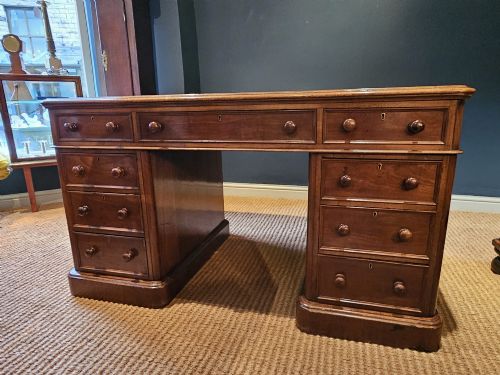
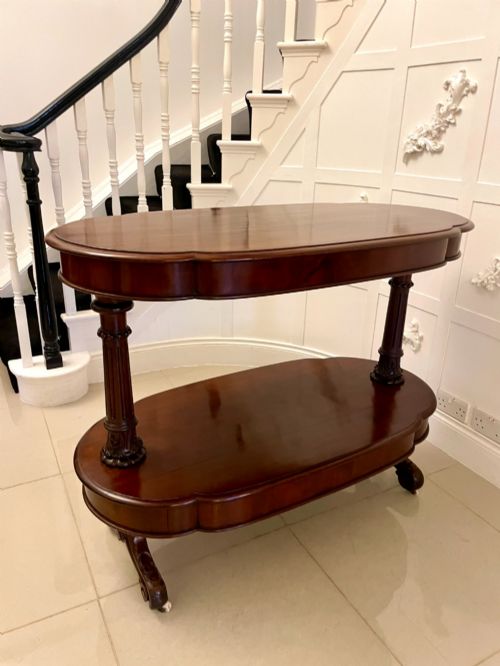
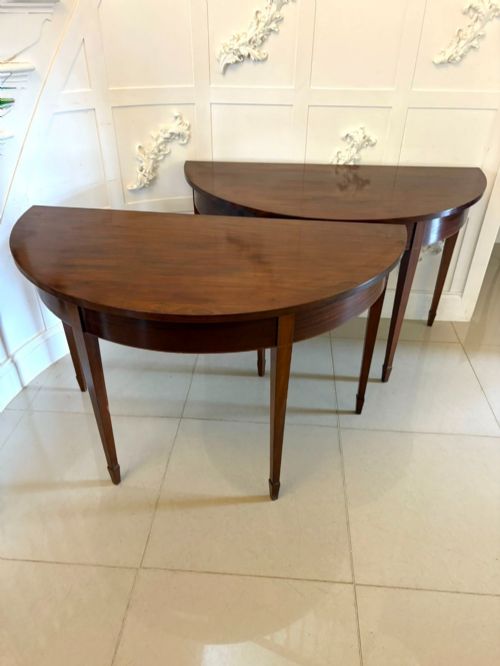
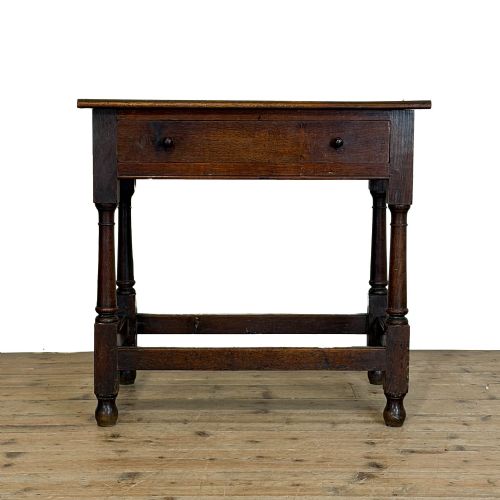

Large Side Table
When you search for a large side table, you encounter substantial antique furnishings designed for generous proportions and formal display.
Large Side Table
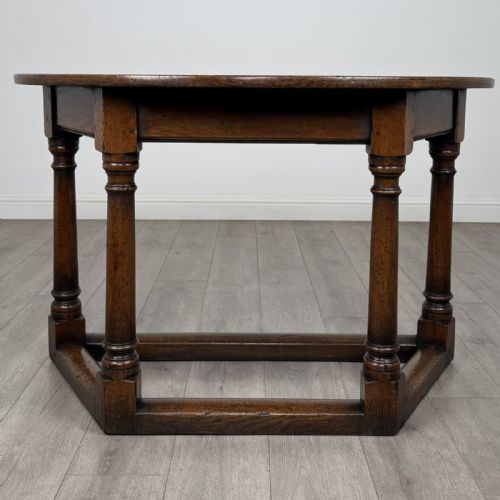
A large side table serves functional and decorative roles within domestic spaces, frequently taking the form of console tables, serving tables, or occasional pieces designed to stand against walls.
The selections span multiple centuries, including Georgian, Victorian, and later periods, reflecting changing domestic requirements for surface space in dining rooms, hallways, and libraries.
Many examples emerge from British and continental workshops, showing regional preferences for woods like mahogany, oak, and walnut alongside distinctive stylistic traits.
How they were made
Cabinetmakers utilised dense hardwoods such as mahogany and oak, often selecting figured veneers to create decorative patterned surfaces on tabletops.
Joinery methods involved traditional techniques like mortise and tenon frames, dovetail drawer construction, and hand-carved ornamentation applied to legs and aprons.
The listings show numerous mahogany and oak pieces spanning the eighteenth, nineteenth, and twentieth centuries, including console and serving forms.
What varies in quality
The standard of timber selection dictates visual appeal, with highly figured grain patterns and matched veneers marking superior pieces.
The precision of hand-carved details and the integration of structural supports reveal the original maker's competence and workshop standards.
Charles Andrea Nosotti·Gillows·George Smith
The Large Side Table Glossary
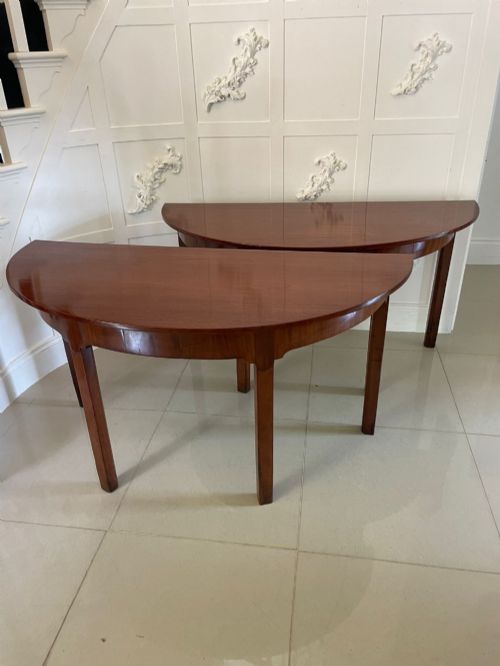
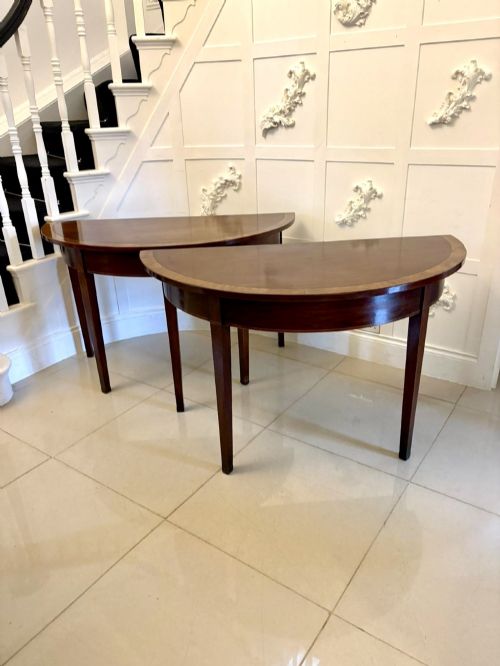
- Demi-lune
- Having a half-moon shape. These tables often stand flat against a wall.
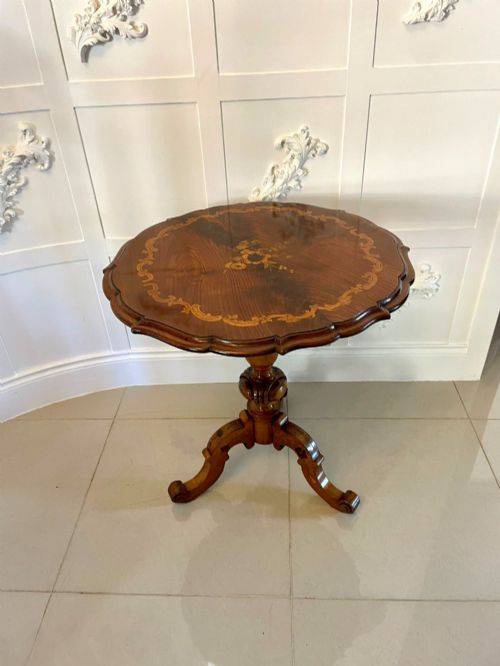
- Marquetry
- Inlaid woodwork forming decorative patterns. Craftsmen apply contrasting veneers to the surface.
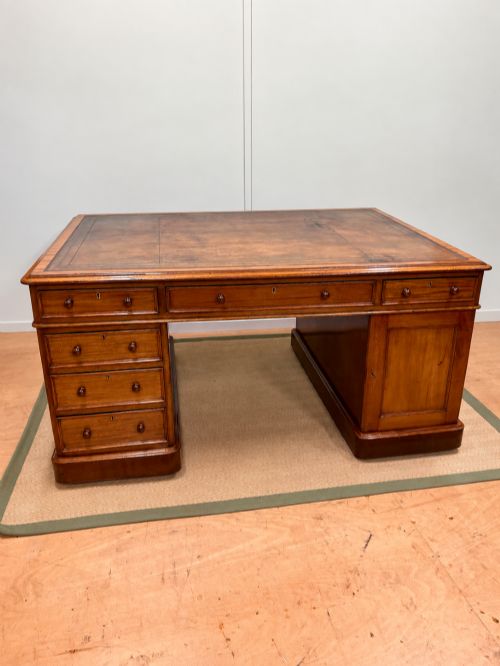
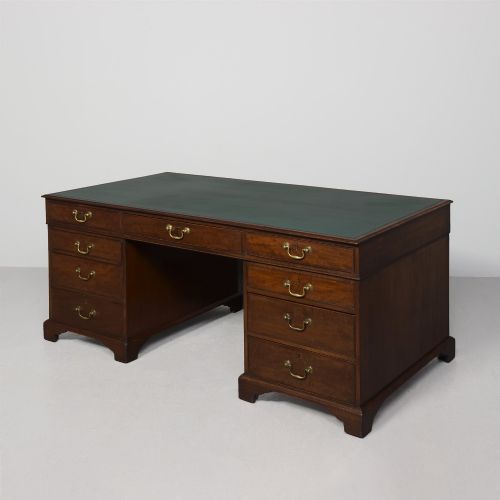
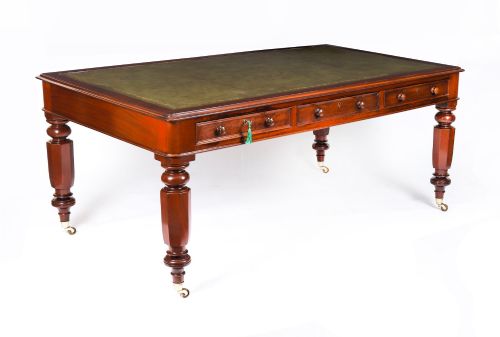
- Partners desk
- A double-sided writing table with drawers on both long sides. Two people work facing each other.
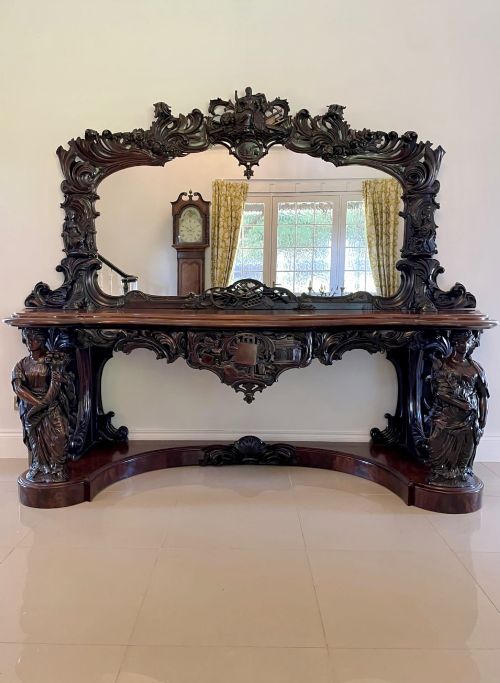
- Console table
- A table fixed against a wall, frequently supported by ornamental legs or brackets.
Large Side Table: Frequently Asked Questions
Where did people use a large side table?
These tables stood in formal dining rooms, grand hallways, and drawing rooms where households needed extended surface areas for serving food or displaying decorative objects.
Their substantial dimensions allowed them to anchor large wall spaces and hold heavy items like lamps, silver trays, and porcelain vessels.
Are these tables suitable for modern rooms?
Their strong architectural presence allows them to function effectively in contemporary interiors as hallway consoles, dining room sideboards, or living room display surfaces.
Their solid wooden construction ensures they withstand daily use while providing practical storage and surface capacity.
What is the difference between a console and a side table?
Console tables traditionally stood against walls, sometimes secured with brackets, and frequently featured decorative front legs with simpler rear supports.
Side tables generally stood independently on four legs, serving versatile functions across different rooms in the house.