


Large Round Dining Table
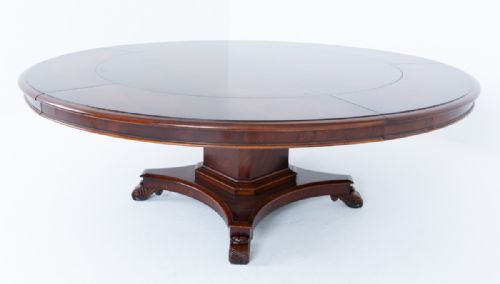
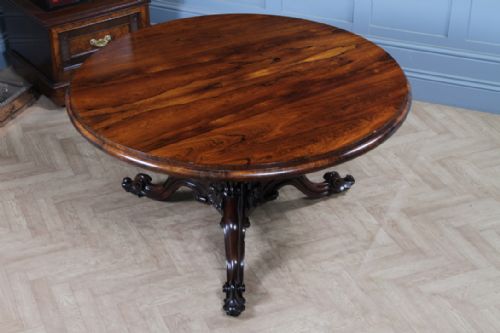
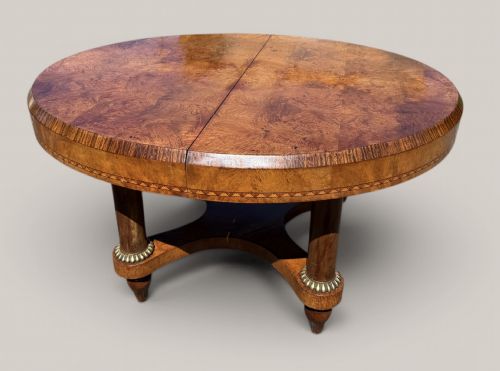
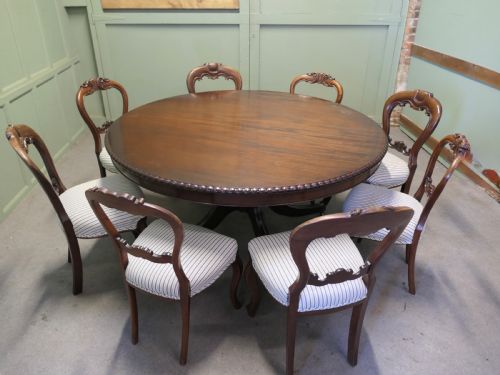
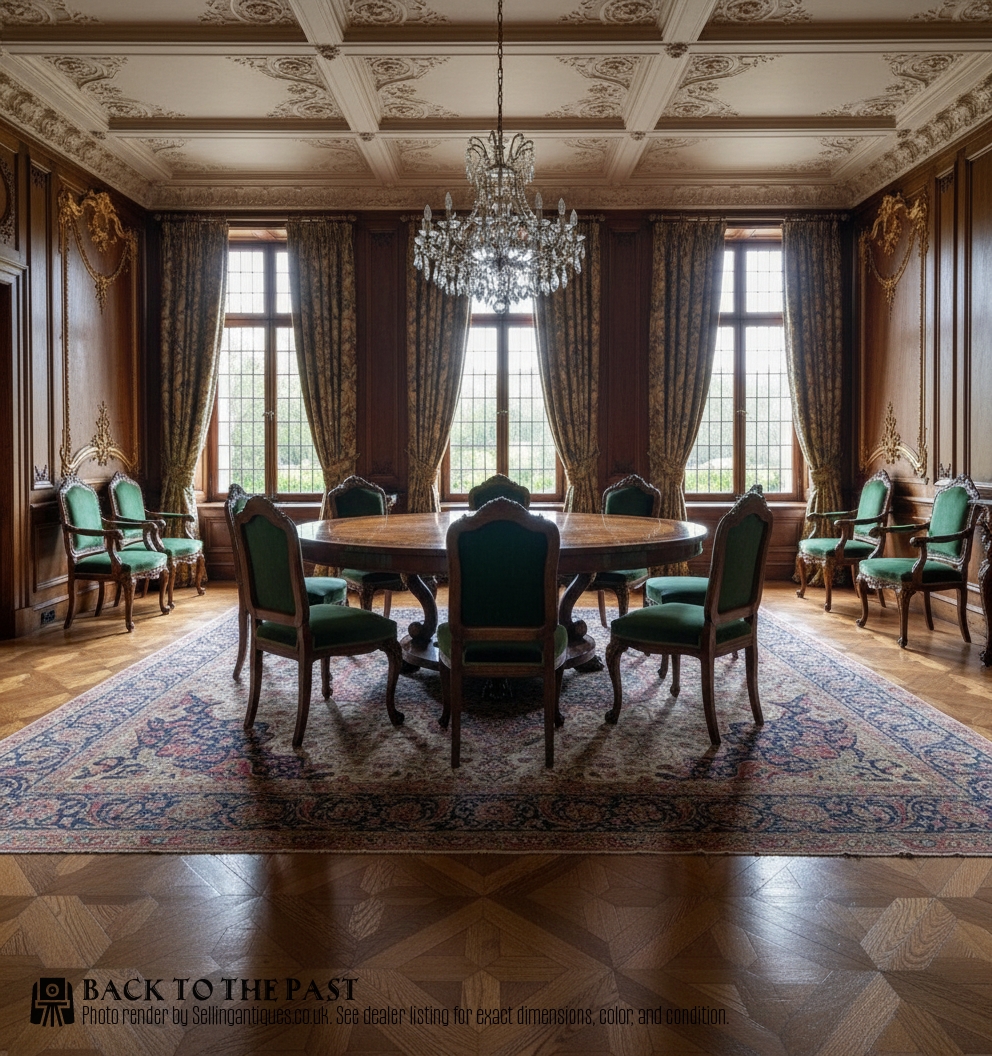
A large round dining table brings people together around a generous circular surface, offering a sociable arrangement for dining rooms.
Large Round Dining Table
A large round dining table provides a sociable layout where diners sit equidistant from one another without the hindrance of sharp corners. When searching for a large round dining table, buyers encounter examples originating from the eighteenth, nineteenth and early twentieth centuries.
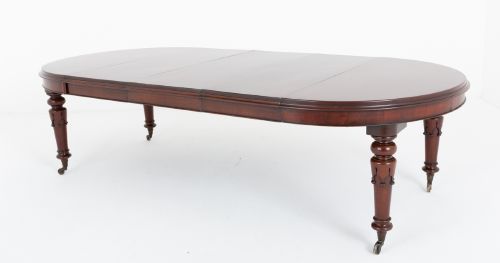
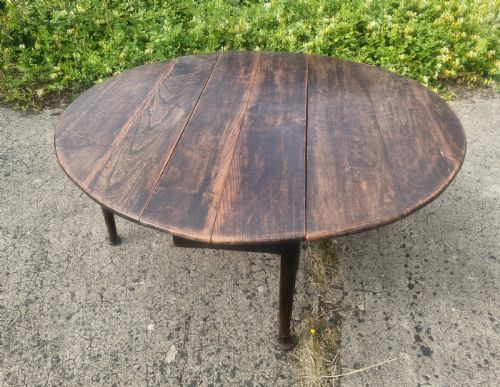
The selection includes pedestal breakfast tables with tilt mechanisms, gateleg oak pieces from earlier periods, and substantial extending formats designed for larger gatherings. Mahogany and rosewood frequently appear among the formal dining pieces, alongside oak and elm in country furniture.
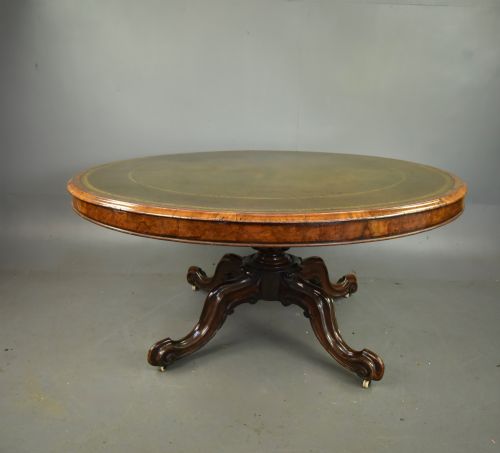
Centre tables and library tables also serve dining functions when proportioned with sufficient diameter. Many pieces accommodate several diners, sometimes aided by expanding mechanisms or additional leaves.
How they were made
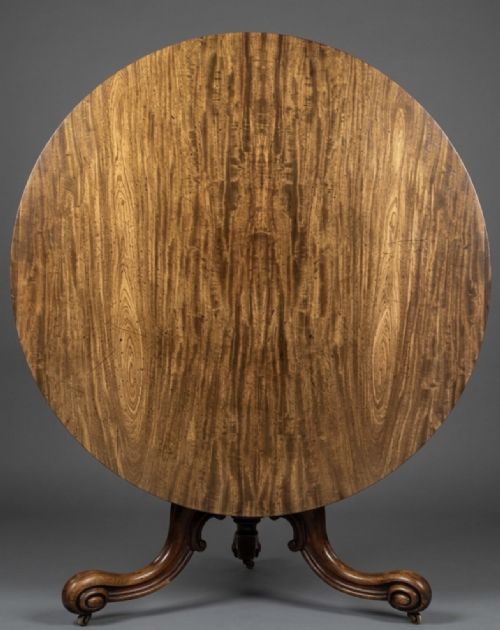
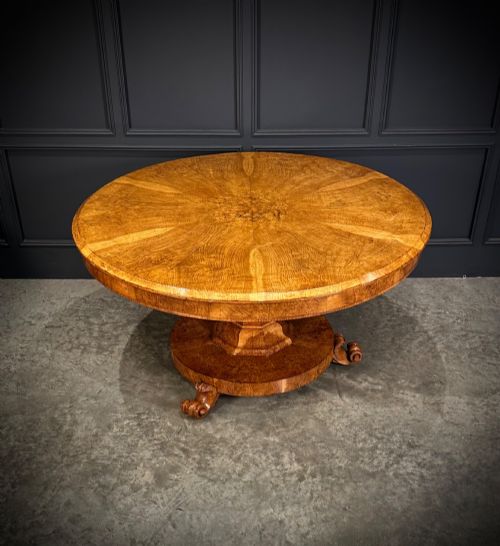
Cabinetmakers utilised dense timbers such as mahogany, rosewood and walnut, often applying figured veneers or radial grain patterns across circular tops. Solid oak and elm construction appears predominantly in earlier gateleg and country vernacular pieces.
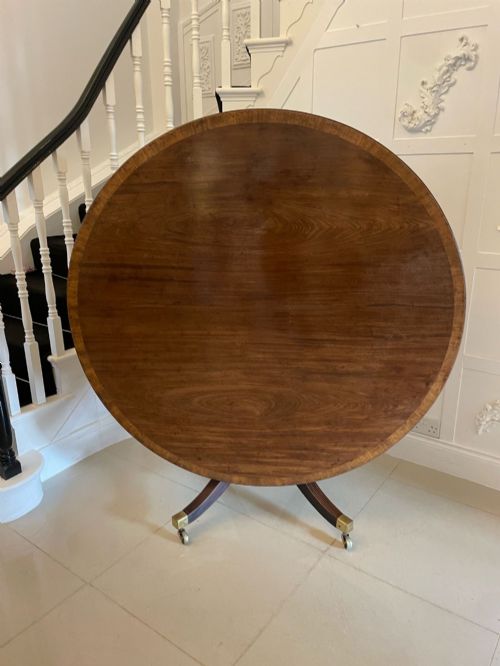
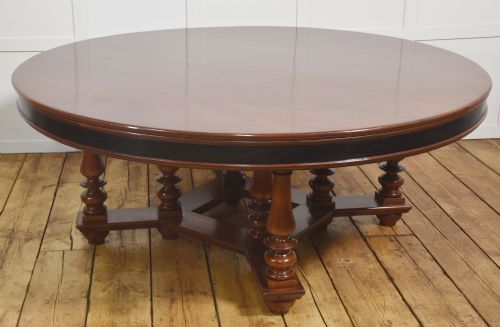
Pedestal bases frequently feature substantial turned columns supported by platform bases or swept legs, sometimes incorporating brass castors. Tilt-top mechanisms employ secure wooden catches and brass locking arms to keep the heavy circular top stable when horizontal.
Large Round Dining Table Retail Price Guide 2026
Typical asking prices for large round dining table among the pieces listed under this phrase on Sellingantiques today, from the lower quarter to the upper quarter. They describe what is for sale here now, not the wider market.
The listings demonstrate a preference for mahogany and rosewood in formal dining pieces, while oak and elm define the earlier vernacular tables.
What varies in quality
The selection of timber grain largely dictates the visual impact, with highly figured mahogany, burr walnut and marquetry inlay appearing on the most ambitious formal commissions. Plain solid timbers or simpler oak constructions satisfy more utilitarian domestic requirements.
Joinery execution distinguishes workshop production, seen in the stability of the central pedestal connection and the precision of expanding leaf mechanisms. Carved details, gilded accents and sophisticated veneering indicate higher levels of artisan labour.
Gillows
The Large Round Dining Table Glossary
- Tilt-top
- A table top hinged to tip vertically when not in use, allowing the furniture to stand compactly against a wall.
- Pedestal base
- A central column supporting the weight of the top, frequently dividing into three or four carved feet.
- Gateleg table
- A table with hinged drop leaves supported by movable legs that swing outward like a gate.
- Cross-banded
- A border of veneer laid around the edge of a table top with the grain running perpendicular to the centre.
- Vendange table
- A large round table traditionally utilised during grape harvests, often constructed from fruitwood and oak.
Large Round Dining Table: Frequently Asked Questions
How do I seat eight people?
A diameter exceeding four feet typically accommodates multiple diners comfortably without crowding.
Pedestal designs offer the advantage of unobstructed legroom around the entire perimeter.
What is a tilt top table?
A tilt top incorporates a mechanical catch beneath the surface allowing the heavy circular top to pivot vertically.
This historical feature enabled furniture to occupy minimal space along room boundaries when dining concluded.
Are these tables suitable for everyday use?
Substantial nineteenth and twentieth century constructions utilise robust hardwoods designed for heavy domestic service.
Applying appropriate surface protection safeguards polished timber finishes during daily meals.
How do I distinguish a breakfast table?
Breakfast tables from the Regency and Victorian eras generally feature single central pedestals rather than four corner legs.
Their smaller historical function evolved into general dining use in modern homes.