
Large Regency Overmantel
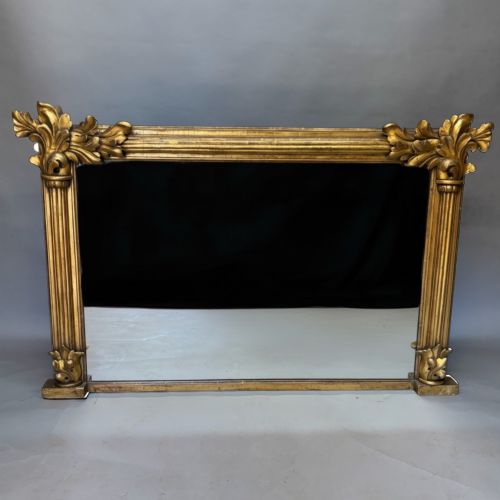
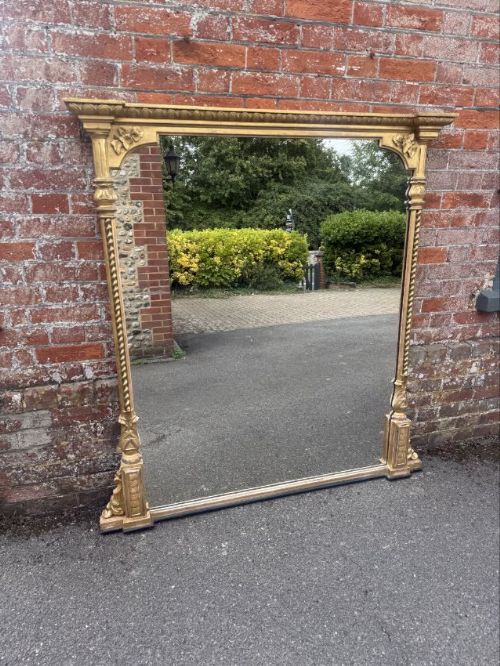
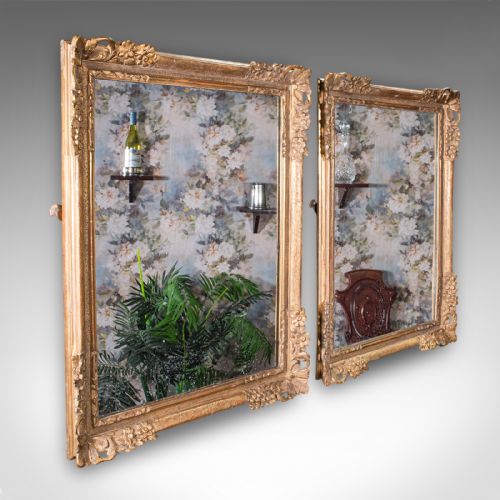
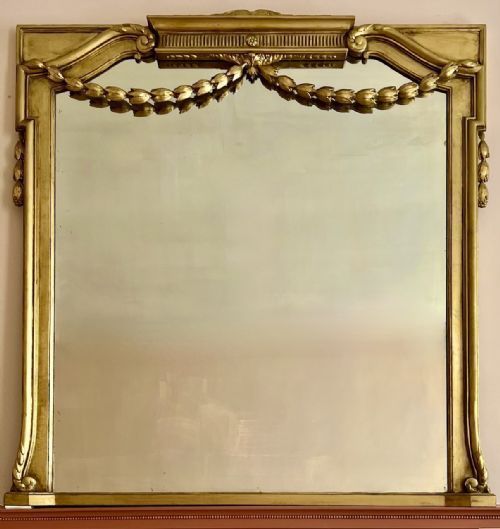
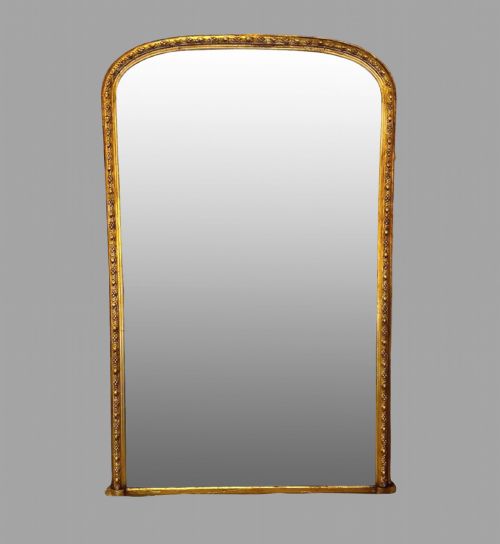
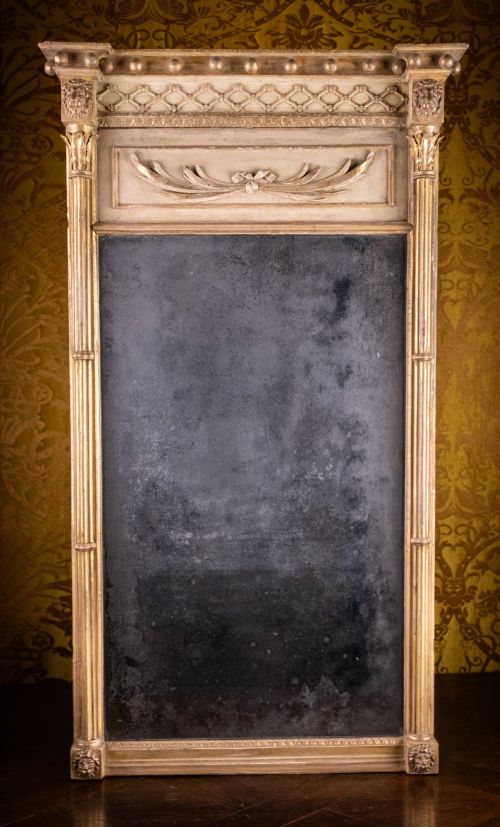
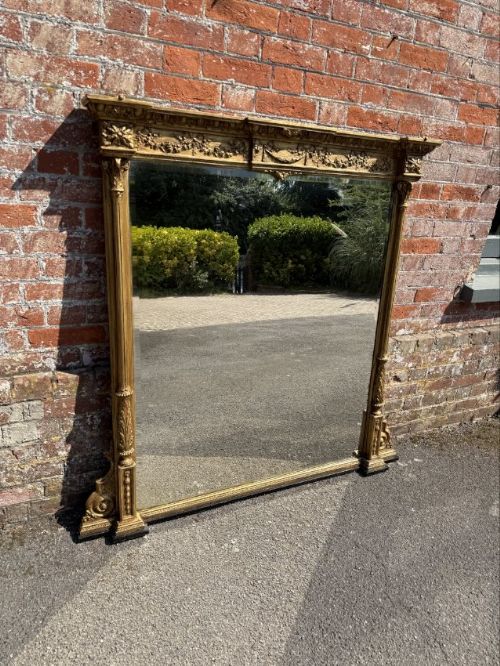
A large regency overmantel anchors a room with architectural width and bright reflective glass, bringing nineteenth-century presence above a fireplace.
Large Regency Overmantel
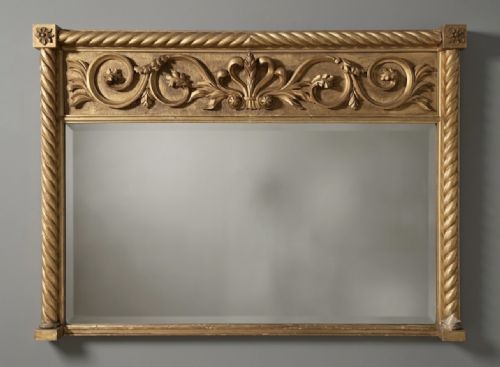
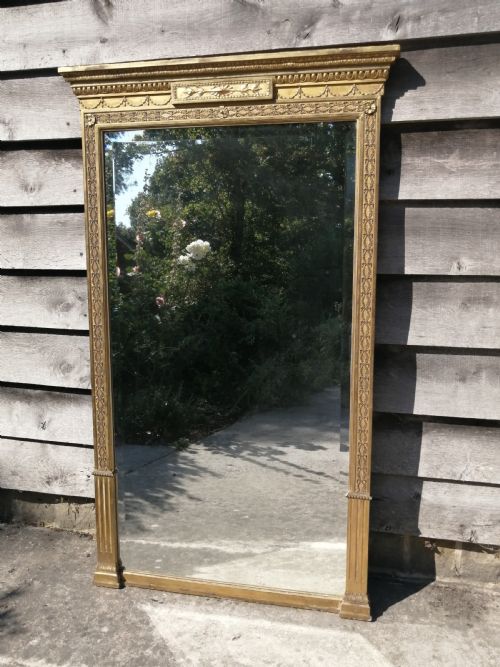
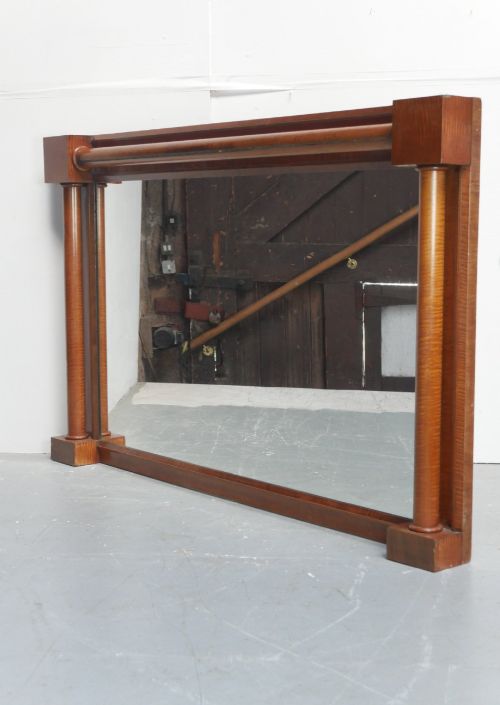
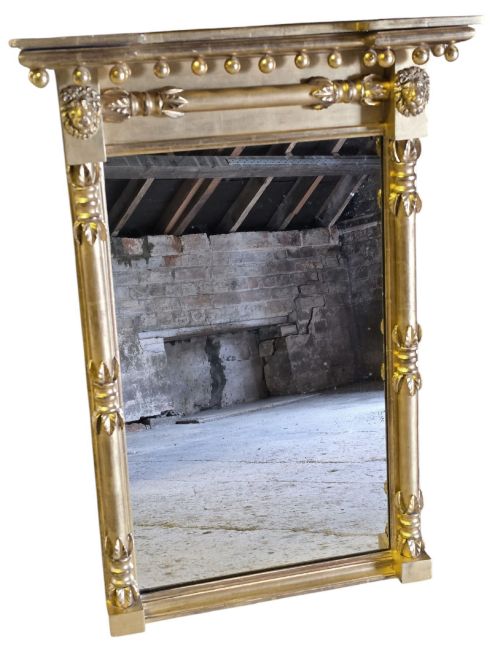
A large regency overmantel provides substantial horizontal or vertical presence designed specifically to sit above a chimneypiece. These pieces originate predominantly from the nineteenth century, encompassing Georgian, Regency, William IV, and Victorian revivals.
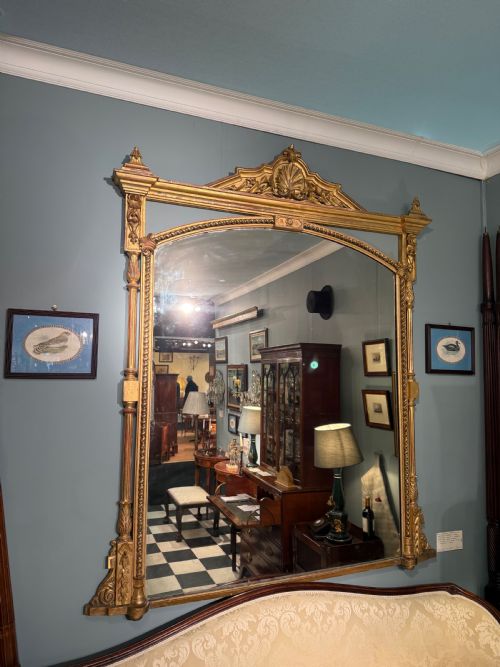
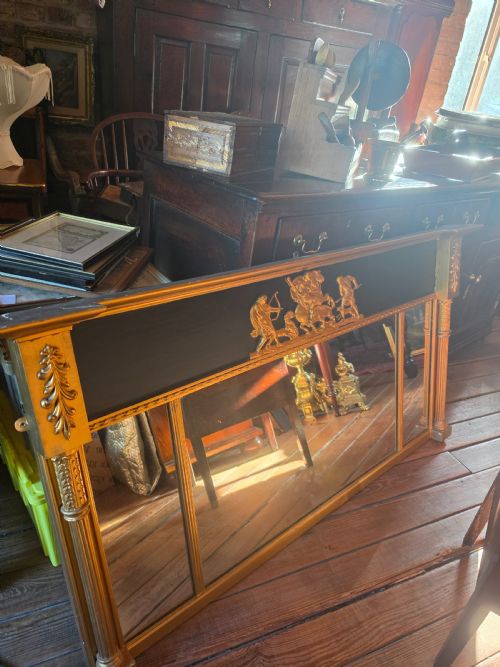
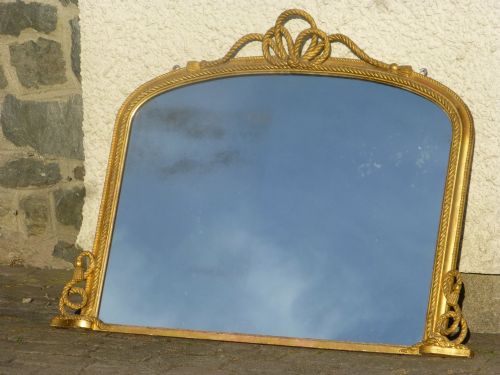
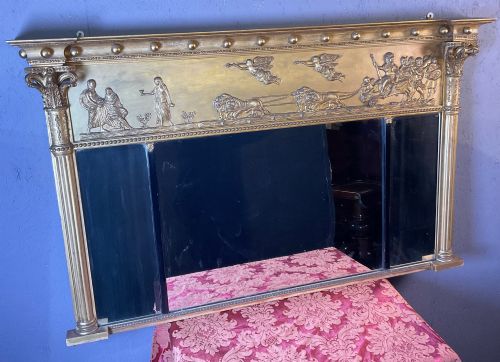
The dominant forms on this page include overmantel mirrors, pier mirrors, and wall mirrors shaped by neoclassical principles. Many examples integrate architectural details such as columns, rope twist frames, and lion masks.
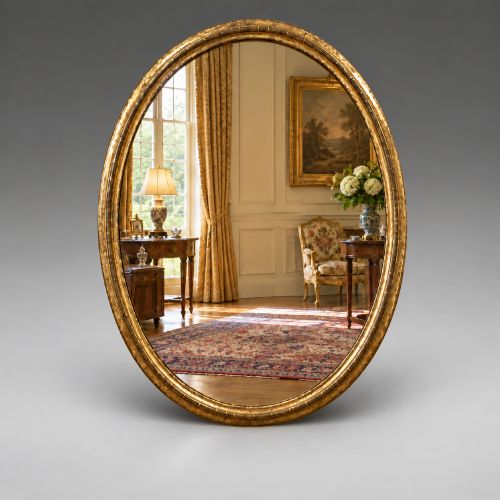
Makers and craftsmen utilised varied proportions, ranging from country house scale to oval formats. Buyers encounter both pure period originals and later nineteenth-century interpretations sharing the same classic vocabulary.
How they were made
Frames rely on carved wood and gesso applied over a timber base, finished with gold leaf or painting. Composition ornament provides crisp neoclassical detail along the mouldings.
Glass plates vary from original silvered surfaces to lightly foxed mirror glass, occasionally accompanied by verre eglomise panels.
Listings feature nineteenth-century pieces spanning the Georgian, Regency, and Victorian periods, executed in giltwood, gesso, and painted wood.
What varies in quality
The depth of carving and the crispness of the gesso ornament determine the visual strength of the frame. Superior pieces retain their original gilding and uncompromised proportions.
The character of the mirror plate itself establishes authenticity and depth, where age brings subtle foxing rather than modern flatness.
The Large Regency Overmantel Glossary
- Overmantel
- A mirror or panel designed to hang specifically above a fireplace mantelpiece. It typically matches the horizontal breadth of the hearth.
- Pier glass
- A tall mirror intended to hang on the wall space or pier between two windows. These share similar framing techniques with overmantels.
- Gesso
- A plaster-like mixture applied to wood frames and carved or moulded into decorative relief. It takes gilding particularly well.
- Verre eglomise
- A technique of cold painting and gilding on the reverse of glass. It appears in upper panels of architectural mirrors.
- Foxing
- The natural ageing of mirror glass where oxidation creates dark spots or cloudy patches. Collectors value this patination as a sign of age.
Large Regency Overmantel: Frequently Asked Questions
Where should I hang a large regency overmantel?
These mirrors traditionally anchor the space directly above a fireplace mantel, reflecting light and drawing the eye upward. They also suit principal reception rooms mounted on wide expanses of wall.
Ensure the fixing points engage securely with solid wall structure, as nineteenth-century frames carry considerable weight from timber and glass.
How do I identify a true period piece?
Examine the construction of the wooden frame, the composition of the gesso mouldings, and the backboards where applicable. Period pieces show natural wear and consistent ageing appropriate to the nineteenth century.
Original mirror plates often display light foxing and slight distortions inherent to historic glass production.
Are these mirrors suitable for daily use?
They function effectively as practical looking glasses while serving as significant decorative focal points. The generous glass area naturally brightens darker rooms by capturing ambient daylight.
Care should be taken during cleaning to use gentle methods that protect historic gilding and fragile gesso surfaces.
What styles accompany these mirrors?
Neoclassical and Regency designs dominate, featuring architectural elements like columns, rope twists, and classical motifs. Victorian revivals and William IV variants often echo these earlier aesthetic traditions.
Frames range from gilded wood and painted finishes to combinations incorporating white highlights and decorative panels.